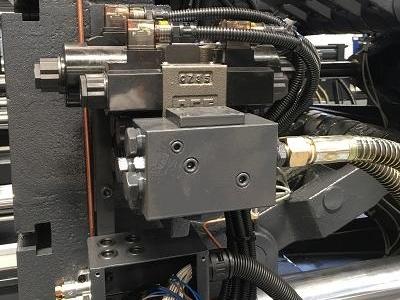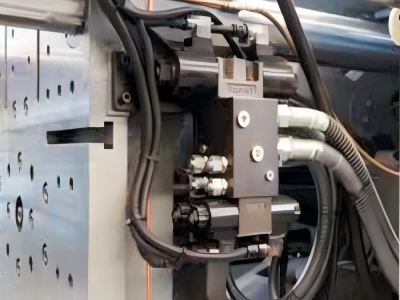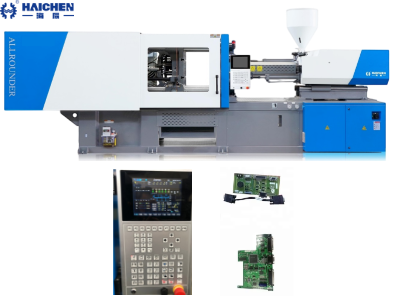
In the injection molding industry, the integration of force sensors provides a valuable solution for real-time closed-loop control of the molding process. By installing miniature in-cavity mold pressure sensors at key locations in the machine’s clamping components (particularly behind the ejector pin), the force applied to the ejector pin can be accurately monitored.
Measuring cavity pressure during the injection moulding process is an effective way to optimise production. This requires the use of sensors to capture the data and, perhaps more importantly, to interpret it in a meaningful way.Cavity Pressure Detection as an Indicator of Part Quality Measuring cavity pressure plays a vital role in overcoming many challenges.
Injection Molding Pressure sensors in injection molding machines play a critical role in ensuring product quality, optimizing production efficiency, and reducing scrap rates by monitoring and regulating key process parameters in real time.
The main functions of injection molding pressure sensor
Below is a detailed overview of their functions and implementation:
- Real-Time Monitoring & Process Optimization
- Multi-Cavity Mold Balancing & Defect Prevention
- Sensor Types & Installation
- Data-Driven Decision Making & AI Integration
- Energy Savings & Cost Reduction
Real-Time Monitoring & Process Optimization
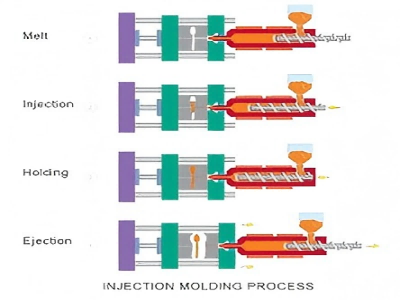
- Filling Phase Control:
Pressure sensors are installed in the nozzle, runner system, or mold cavity (e.g., embedded sensors) to measure the pressure of molten plastic. By setting pressure thresholds (e.g., 50, 100, 125 bar), the system detects when the cavity is fully filled and automatically switches to the packing phase, preventing underfilling or overcompression. - Packing Pressure Regulation:
During packing, sensors maintain consistent pressure to prevent melt backflow and compensate for shrinkage. Pressure-time integrals correlate with part quality, enabling optimal packing duration for dimensional stability.
Multi-Cavity Mold Balancing & Defect Prevention
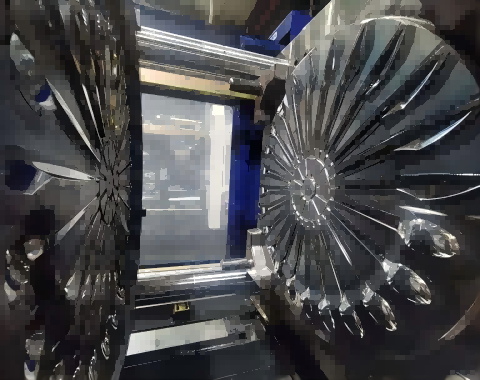
- Fill Balance Monitoring:
Sensors (e.g., 34 sensors in a multi-cavity mold) detect pressure differences between cavities. Deviations indicate flow imbalances or blocked runners, prompting dynamic adjustments to injection pressure/speed for synchronized filling. - Flash Prevention:
Pressure curve analysis optimizes clamping force. Insufficient force risks mold separation (flash), while excessive force wastes energy. Pressure-integral methods determine the minimum effective clamping force, reducing energy consumption.
Sensor Types & Installation

- Direct Cavity Sensors:
Embedded in the mold cavity (e.g., E 6740 sensors) for direct melt pressure measurement (high accuracy, complex installation). - Indirect Sensors:
Mounted behind ejector pins or structural components (e.g., piezoelectric PC 15-1-AA sensors) to infer pressure via mold deformation (ideal for tight spaces). - Hydraulic Pressure Sensors:
Monitor hydraulic systems (e.g., Dynisco PT100 series) for injection screw and clamping unit stability, detecting leaks or wear.
Data-Driven Decision Making & AI Integration
- Process Parameter Synergy:
Combine pressure data with flow rate and temperature controls. For example, adjust injection speed and screw rotation dynamically to optimize filling efficiency. - Machine Learning Applications:
Train models on historical pressure curves to predict defects (short shots, warpage) and adjust parameters preemptively. Early anomaly detection via pressure trends minimizes scrap.
Energy Savings & Cost Reduction
- Lower Injection Pressure:
Closed-loop pressure control reduces injection pressure by 50% and shortens cooling time (due to uniform filling and reduced residual stress), cutting cycle times by 5–25%. - Scrap Reduction:
Real-time pressure monitoring identifies material batch variations or mold wear. For example, dynamic pressure adjustments in one case study reduced defect rates by 30%.
The working process of injection molding machine pressure sensor
The workflow of an injection molding machine pressure sensor involves multiple critical stages, enabling real-time pressure monitoring and feedback to optimize process parameters and ensure product quality. Below is a detailed workflow:
- Plasticization Phase (Melting Process)
- Injection Phase (Mold Filling)
- Holding Pressure Phase (Compaction & Shrinkage Compensation)
- Cooling & Solidification Phase
- Process Optimization & Quality Control
- Sensor Types & Installation
Plasticization Phase (Melting Process)
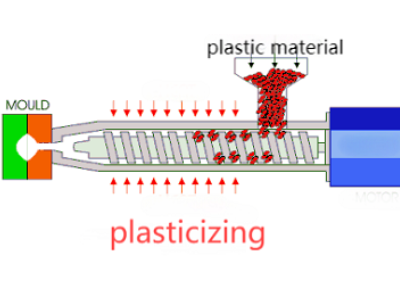
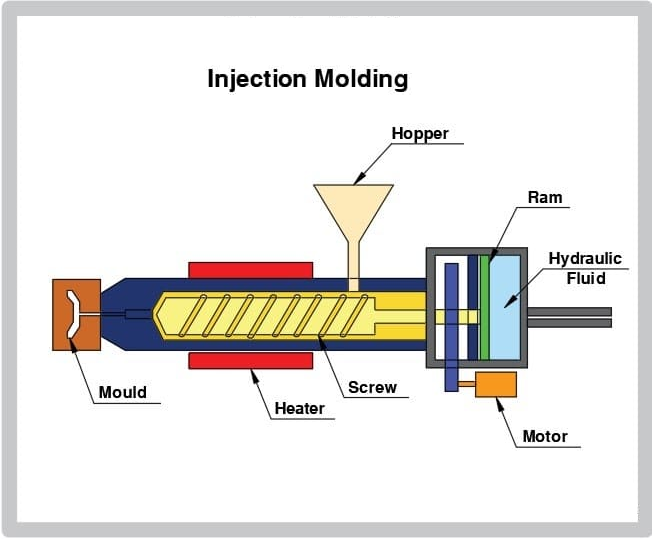
- Material Melting: The screw rotates to heat plastic pellets into a molten state. A back pressure sensor monitors the pressure behind the screw to ensure uniform melting and prevent overheating.
- Back Pressure Adjustment: Adjusting back pressure controls the density and temperature uniformity of the molten plastic, avoiding material degradation.
Injection Phase (Mold Filling)
- Real-Time Pressure Monitoring: Cavity pressure sensors (installed near gates, far gates, or critical areas like airbag positions) track pressure changes as molten plastic fills the mold.
- Sequential Injection Control: Sensor feedback triggers actions (e.g., opening a gate at 13.5 MPa, closing at 23 MPa) to optimize filling paths and prevent overfilling.
- Closed-Loop Servo Control: In hydraulic or electric machines, sensors detect system pressure, allowing servo drives to adjust pump flow or motor speed to maintain preset injection speed/pressure.
Holding Pressure Phase (Compaction & Shrinkage Compensation)
- Dynamic Pressure Adjustment: Sensors monitor cavity pressure during cooling, adjusting holding pressure (e.g., gradually reducing from 10 MPa) to ensure product density.
- Precision Phase Switching: Sensor signals synchronize with screw position to determine optimal holding pressure timing, avoiding defects like underfilling or flash.
Cooling & Solidification Phase
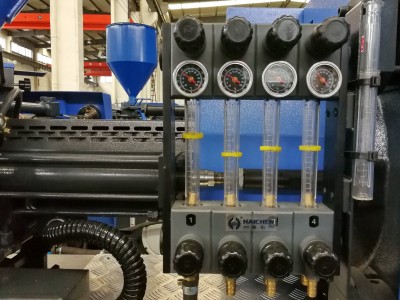
- Pressure Decay Monitoring: Sensors verify that cavity pressure drops to ambient levels during cooling, preventing deformation or internal stress.
- Defect Detection: Abnormal pressure curves (e.g., failure to reach thresholds) trigger automatic rejection of defective parts.
Process Optimization & Quality Control
- Data Collection & Analysis: Multi-channel sensors (e.g., 10 pressure + 2 temperature sensors) transmit real-time data to generate pressure-time curves for stability analysis and parameter replication.
- Rapid Process Setup: Recording pressure curves from qualified parts accelerates parameter replication for new molds (debugging time reduced from 2–3 days to ~4 hours).
Sensor Types & Installation
- Types: Direct cavity sensors (e.g., Kistler 6183D) for high-precision measurement; indirect sensors for ejector pins or runner systems.
- Positioning: Prioritize challenging filling areas (e.g., main gates, edges) to capture critical pressure changes. Some sensors monitor global pressure via nozzles or runners.
Key Considerations
- Environmental Protection: Shield sensors from molten residue or corrosive media. For liquid pressure measurement, ensure proper port positioning.
- Signal Conditioning: Piezoelectric sensors require charge amplifiers; piezoresistive sensors need stable DC power (12–18V) for accuracy.
In summary, injection molding pressure sensors enable precise, closed-loop control from melting to solidification, significantly improving efficiency and product consistency.
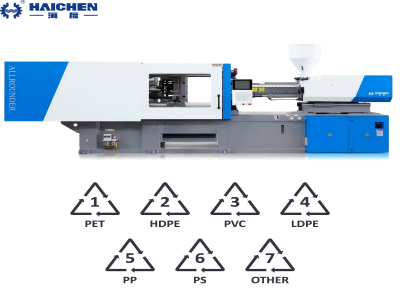
Haichen injection molding machine’s high quality sensors
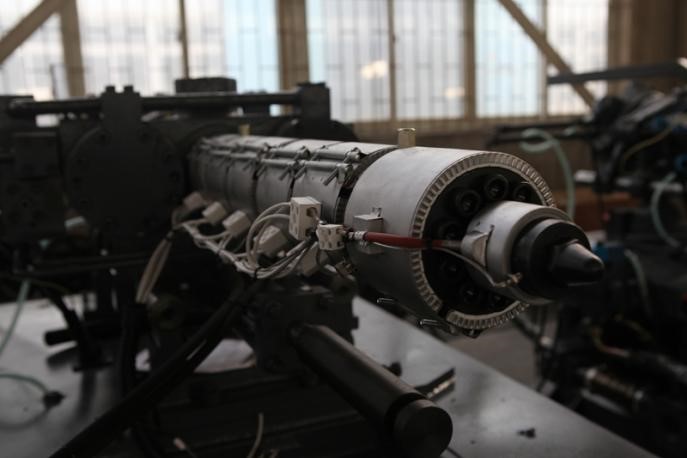
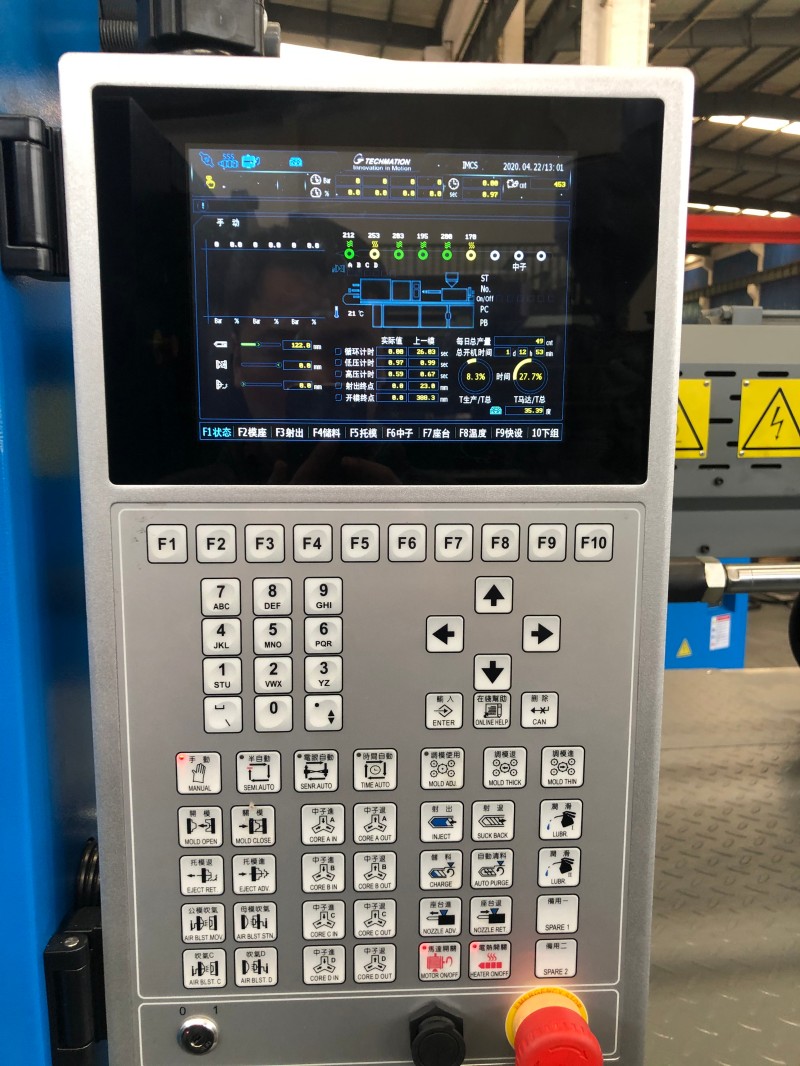
Haichen injection molding machines leverage high-precision sensor systems as a core technological advantage, enabling multi-dimensional data acquisition and closed-loop control to optimize processes and ensure product consistency. Below is an in-depth analysis of their sensor technology:
- Sensor Types & Core Functions
- Sensor Integration & Intelligent Control
- Technical Advantages & Quality Assurance
- Applications & Case Studies
- Future Innovations
Sensor Types & Core Functions
Pressure Sensors
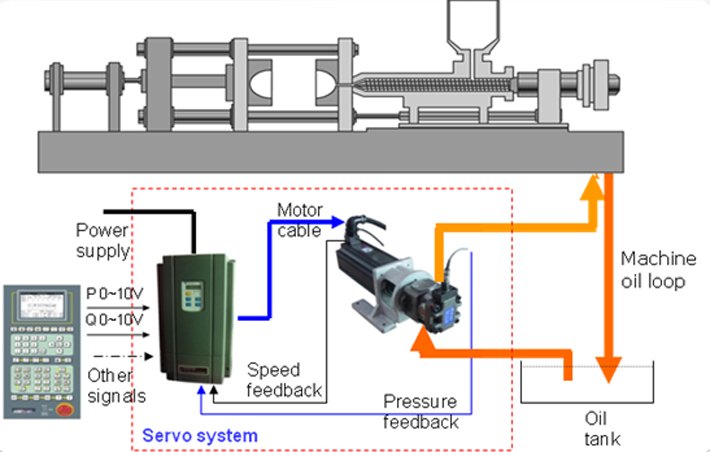
Haichen integrates multi-stage pressure sensors across critical injection molding phases:
- Back Pressure Sensors:
Monitor melt pressure behind the screw (typical range: 5–20 MPa) to control material density and temperature uniformity during plastication, preventing degradation.
Key Features: 10-stage programmable back pressure with servo motor dynamic response; accuracy <±0.5%. - Cavity Pressure Sensors:
Direct-mount sensors (e.g., Kistler 6183D) installed near gates or critical mold areas detect real-time filling pressure (e.g., thresholds of 13.5–23 MPa for gate control).
Application Case: Reduced defect rates by 30% in electronic switch panel production by analyzing cavity pressure curves to identify underfilling or flash.
Temperature Sensors
- PID Temperature Control:
10-channel thermocouples with ±1°C accuracy ensure precise barrel heating, supporting auto-preheating and cold-start protection.
Innovation: Nozzle clog detection via temperature anomaly alerts prevents material carbonization. - Melt Temperature Monitoring:
Infrared sensors at the screw tip provide real-time melt temperature feedback, forming a closed-loop compensation system with barrel heating.
Position & Displacement Sensors
- Magnetic Grating Rulers:
Achieve 0.01 mm resolution for injection and clamping position control, ensuring precise phase transitions (e.g., filling to holding pressure). - Optical Encoders:
Used in servo-driven models for micron-level screw positioning, ideal for thin-wall products like PET preforms.
Sensor Integration & Intelligent Control
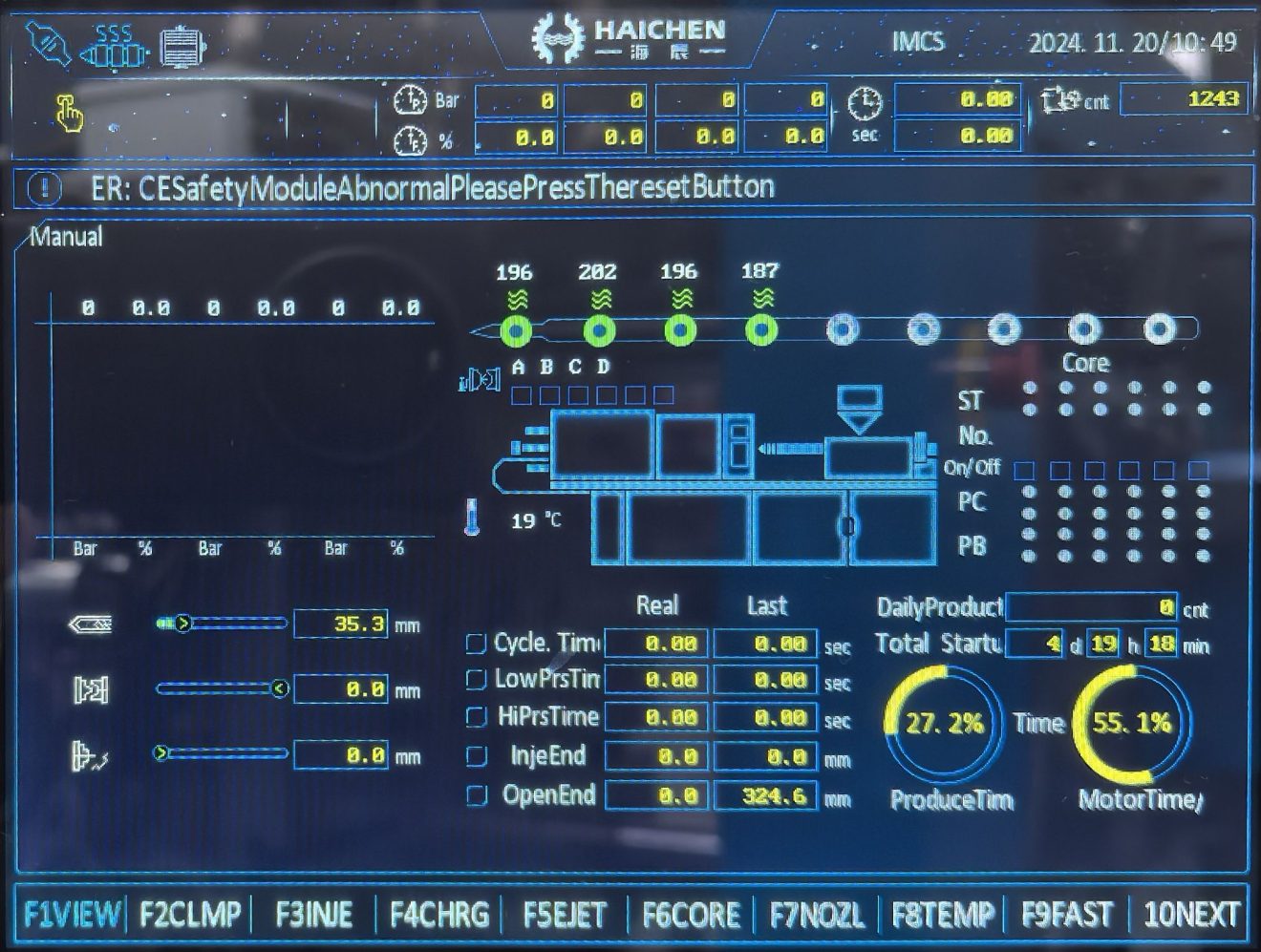
Multi-Sensor Coordination
- Data Fusion Architecture:
Up to 10 pressure + 2 temperature sensors per machine transmit data via CAN bus to a central controller, generating pressure-time curves and temperature-position matrices for self-optimizing parameters. - Closed-Loop Servo Control:
Pressure and position signals dynamically adjust pump flow or servo torque. Example: Holding pressure gradients adapt based on pressure decay rates to compensate for shrinkage.
Smart Diagnostics & Maintenance
- Anomaly Detection Algorithms:
Compare real-time sensor data with historical合格品 curves to flag deviations (e.g., abnormal pressure peaks), triggering alarms or停机.
Case Study: Detected mold wear in zinc alloy door handle production, enabling predictive maintenance. - Remote Monitoring:
iChen cloud platform stores and analyzes sensor data for remote troubleshooting and debugging.
Technical Advantages & Quality Assurance
Hardware Reliability
- Robust Design:
High-temperature alloy housings (>300°C resistance) and anti-slag coatings suit engineering plastics (PC, PA66) and high-temperature resins. - Signal Stability:
Piezoresistive sensors with 12–18V stabilized power supply reduce hydraulic interference by 50%.
Standardization & Scalability
- Modular Interfaces:
Support plug-and-play integration with third-party sensors (e.g., Kistler, MTS) for customized needs (e.g., sterile sensors in medical cleanrooms). - Rapid Parameter Replication:
Store 150 mold profiles (including sensor calibrations), slashing new mold setup time from 3 days to 4 hours.
Quality Certification
- Factory Calibration:
Sensors comply with ISO/IEC 17025 standards, backed by NIST-traceable certificates. - Warranty & Support:
12-month global warranty with <48-hour.
Applications & Case Studies
High-Precision Electronics
- Switch Sockets:
32-cavity molds + multi-stage pressure control achieve micron-level contact consistency (>99.2% yield). - Optical Frames:
Optimized holding pressure curves eliminate lens distortion caused by internal stress.
Packaging & Consumer Goods
- PET Preforms:
Servo-melt temperature synergy ensures <2% crystallinity deviation for carbonated beverage bottles. - Thin-Wall Containers:
Real-time speed-pressure matching achieves ±0.05 mm wall thickness uniformity.
Industrial Components
- Automotive Connectors:
Predictive maintenance via pressure data extends mold lifespan by 40%.
Future Innovations
Haichen is developing AI-driven sensor fusion systems for:
- Adaptive Process Control: Deep learning models auto-optimize parameters based on real-time data.
- Digital Twin Integration: Virtual sensors simulate unmonitored process zones, reducing physical sensor reliance.
With this advanced sensor ecosystem, Haichen injection molding machines redefine industry standards, delivering unmatched efficiency and quality in high-end manufacturing.

Pressure sensors act as “process guardians” in injection molding, enabling end-to-end monitoring from filling to clamping. Through multi-sensor synergy and AI-driven analytics, they drive precision, consistency, and sustainability in modern manufacturing.