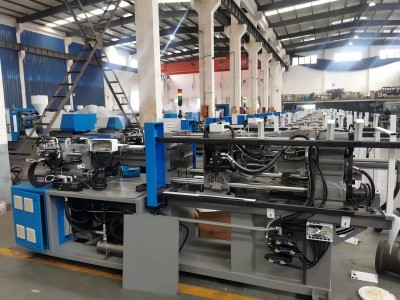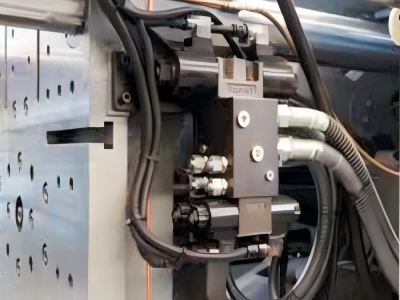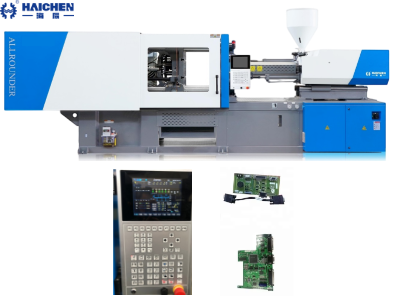
Injection molding Machine hydraulic system function includes providing power and control, precise control of pressure and flow and so on.
The hydraulic system is one of the core components of the injection molding machine. Its main function is to provide the necessary power for the injection molding machine. And control the various movements of the machine. These movements include the opening and closing of the mold. And the forward and backward movement of the injection device. Also with the clamping and loosening of the clamping unit.
Function of hydraulic system in injection molding machine converts electrical energy into mechanical power through components. Such as hydraulic pumps, valves, and cylinders, driving core actions such as mold closing and injection. Simultaneously, pressure/flow control valves and servo control enable precise control of movement direction, speed, and pressure. Working in conjunction with the electrical system, it ensures efficient and stable operation. And iy serves as the cornerstone of the machine’s power and control.
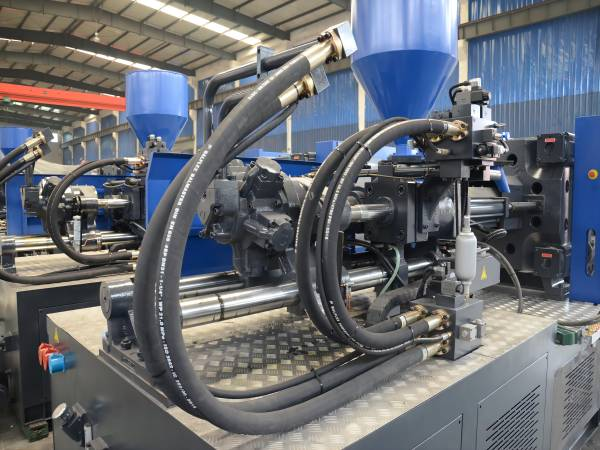
The functions of the hydraulic system in the injection molding machine mainly include the following aspects:
Providing power and control
The Injection molding machine hydraulic system function converts mechanical energy into hydraulic energy through components. Such as hydraulic pumps, valves, pipes and oil tanks. Thereby driving various components of the injection molding machine.
Driving Mechanical Movements
- The hydraulic system provides the power source for key injection molding machine operations, including mold closing, mold opening, injection, and ejection.
- The hydraulic pump converts mechanical energy into hydraulic energy, driving hydraulic cylinders and motors to generate linear or rotary motion.
Generates the required force and pressure
- Provides high-tonnage clamping force to prevent mold cracking when molten plastic is injected into the mold.
- Maintains melt pressure during the injection phase to ensure complete plastic filling.
Motion Direction Control
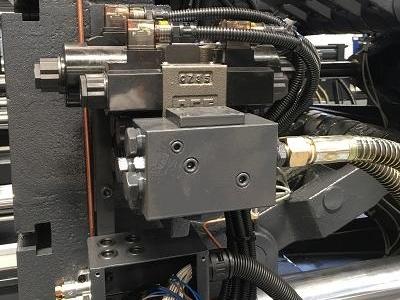
Hydraulic valves regulate oil flow to control the direction of movement of mechanical components (such as mold opening and closing, injection in and out).
Pressure and Flow Control
- The valve system regulates oil pressure and flow to ensure the required pressure during different process stages (such as injection and holding).
- Meet the precise pressure, speed, and temperature requirements of the injection molding process.
Speed and Position Accuracy
Dynamically adjust the hydraulic pump speed (e.g., through a variable frequency drive) to match the real-time needs of the machine and improve energy efficiency.
Combining servo motors (such as permanent magnet synchronous motors) with mathematical models enables high-precision tracking of hydraulic cylinder speed.
Precise control of pressure and flow
The hydraulic system controls the pressure and flow of hydraulic oil through valves to meet the pressure, speed and temperature requirements of the injection molding process.
For example, the hydraulic pump generates a high-pressure hydraulic oil flow. It transmits to various parts of the machine through the adjustment of valves to achieve precise control. This precise control ensures the stability of the injection molding process and the consistency of product quality.
Provide power achive precise control
The hydraulic system provides power for each injection molding machine operation (such as clamping, injection, holding pressure, and ejection). It precisely controls parameters such as pressure and speed by regulating oil pressure and flow. For example:
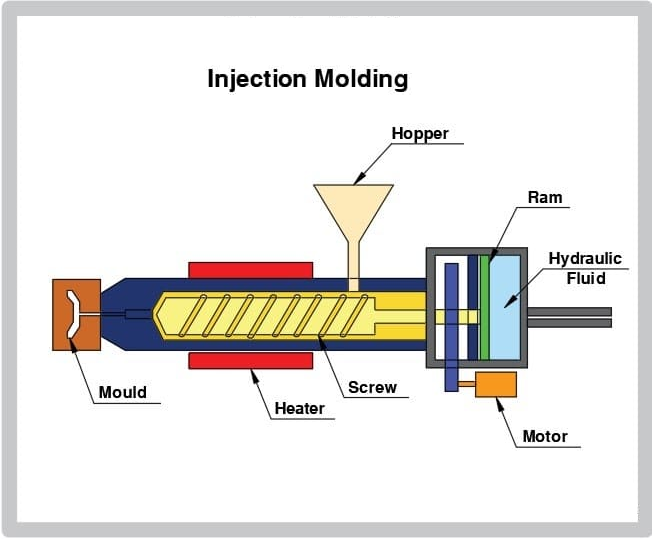
- During the injection phase, hydraulic oil drives the screw axially, injecting molten plastic into the mold. Injection pressure must be precisely controlled to overcome melt flow resistance.
- During the clamping phase, the hydraulic cylinder generates high clamping force (e.g., system pressure reaches 17.5 MPa on DM series models) to prevent mold cracking.
Control accuracy directly impacts product quality
Excessive pressure fluctuations can lead to defects (such as sink marks or flash).
Servo Drive and Intelligent Control
A servo motor-driven fixed-displacement pump system replaces the traditional three-phase motor and proportional valve. The servo motor directly regulates the pump’s speed and output flow, achieving on-demand pressure/flow matching. This significantly reduces energy consumption (by approximately 50%) and improves response speed (reaching maximum pressure in as little as 28ms).
Driving key components
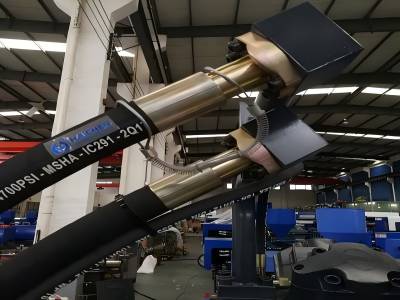
The hydraulic system is responsible for driving the key components of the injection molding machine, such as the injection unit, the clamping unit, and the ejection system. The hydraulic pump delivers high-pressure hydraulic oil to these components through valves and pipes. Enabling them to complete the corresponding actions.
For example, the hydraulic cylinder uses to push the injection screw or the opening and closing of the mold. While the hydraulic motor is used to rotate or move certain mechanical parts.
Power Supply of injection molding machine hydraulic system function
Hydraulic systems generate high-pressure fluid through hydraulic pumps and motors. Thus to drive the movement of key components (such as gripping units and injection units). Achieving high force output (e.g., gripping capacities of hundreds of tons).
Motion Control
The system regulates fluid direction, flow, and pressure through valves, precisely controlling component motion sequences. Such as mold opening and closing, screw injection, and product ejection, ensuring consistent product quality.
Reliability and Efficiency
Modern hydraulic systems combine servo drives and variable displacement pumps to improve energy efficiency (e.g., reduce energy consumption). To ensure long-term stable operation, making them suitable for high-load industrial environments.
Ensure safe and efficient operation
The hydraulic system also ensures the temperature and cleanliness of the hydraulic oil through auxiliary components such as cooling systems and filters, thereby extending the service life of the system and improving operating efficiency.
In addition, the design of the hydraulic system usually includes safety valves and overflow valves to prevent excessive pressure from causing damage to the machine.
Providing precise control and power transmission to ensure safe operation
Hydraulic systems precisely control pressure, flow, and position to prevent machine overload or misoperation, thereby avoiding equipment damage or personal injury.
Safety features of Injection molding machine hydraulic system function
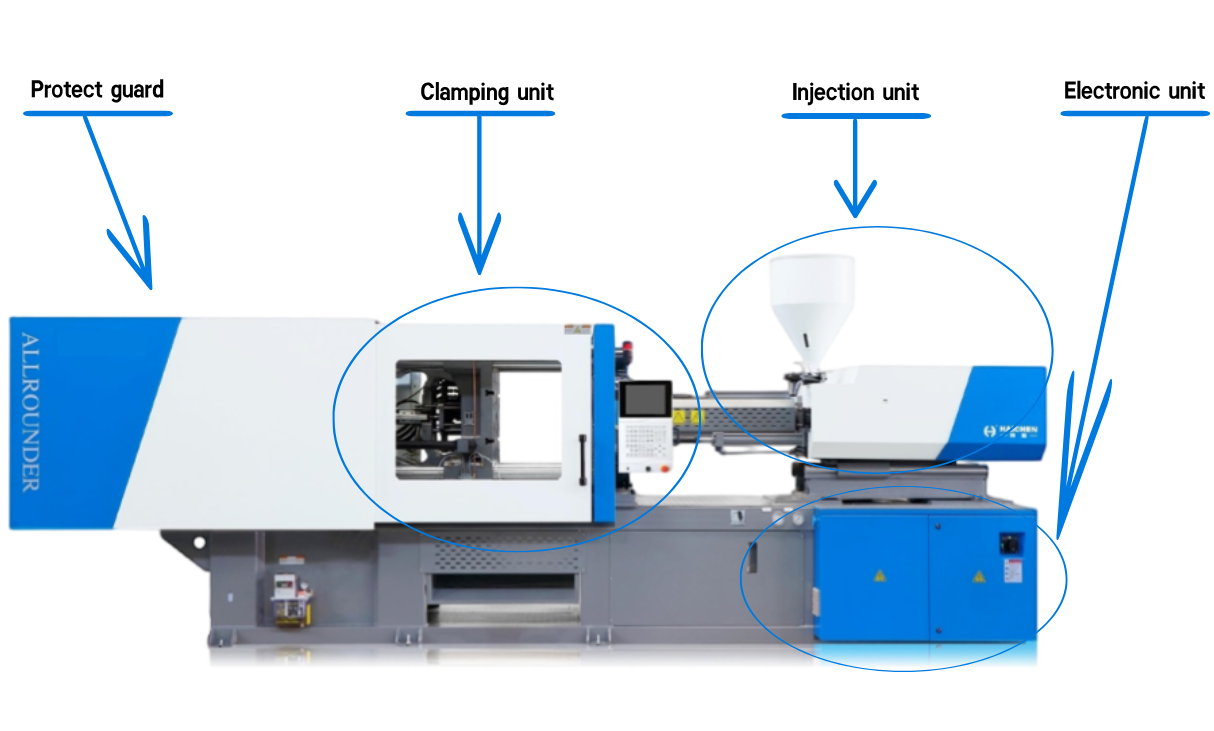
Safety features are integrated directly into the hydraulic system. Include safety doors, emergency stop buttons and photoelectric detection elements, which enable electrical-mechanical-hydraulic interlock protection.
Reduce defects
Precise control also reduces product defects (such as burrs or deformation). Indirectly improving safety: defects can lead to downtime or the risk of secondary processing. It points out that hydraulic systems allow for fine-tuning of process variables (such as injection pressure). Ensuring consistent product quality and reducing unexpected events caused by failures.
Collaboration with other systems
The hydraulic system is usually used in conjunction with the electrical control system to complete the various functions of the injection molding machine. The electrical control system is responsible for monitoring and adjusting parameters. Such as temperature, pressure, speed, etc., while the hydraulic system provides the necessary mechanical power.
This collaborative work ensures the efficient operation of the injection molding machine and the continuity of production.
Collaboration with the electrical control system (core collaboration)
- Hydraulic system: Provides power to perform physical actions (such as clamping, injection, and ejection), using oil pressure to drive cylinders and valves to complete mechanical operations.
- Electrical system: Serves as the “brain,” setting process parameters (pressure, speed, temperature, and time) and sending control signals to the hydraulic system.
Closed-loop control mechanism
Sensors (pressure/position sensors) monitor hydraulic movement in real time. This data is fed back to the electrical system. This dynamically adjusts valve opening or pump speed to ensure precise movement (error <0.1mm).
Directly driven by the clamping system
- High-pressure clamping: Hydraulic cylinders directly provide clamping force (up to several thousand tons), counteracting melt cavity pressure and preventing mold expansion.
- Mold protection: The hydraulic system, coupled with sensors, monitors mold parallelism in real time and automatically adjusts oil pressure distribution to ensure even force distribution.
Linked with the injection system
- Screw drive: A hydraulic motor drives the screw to rotate and plasticize the material, while the injection cylinder simultaneously pushes the screw forward for high-pressure injection.
- Multi-stage control: The electrical system sets the injection speed curve in stages. The hydraulic proportional valve quickly responds to achieve variable speed filling.
The hydraulic system plays a vital role in the injection molding machine. It not only provides power and control for the machine, but also ensures the accuracy, stability and safety of the injection molding process. By properly designing and maintaining the hydraulic system, the performance and production efficiency of the injection molding machine can be significantly improved.
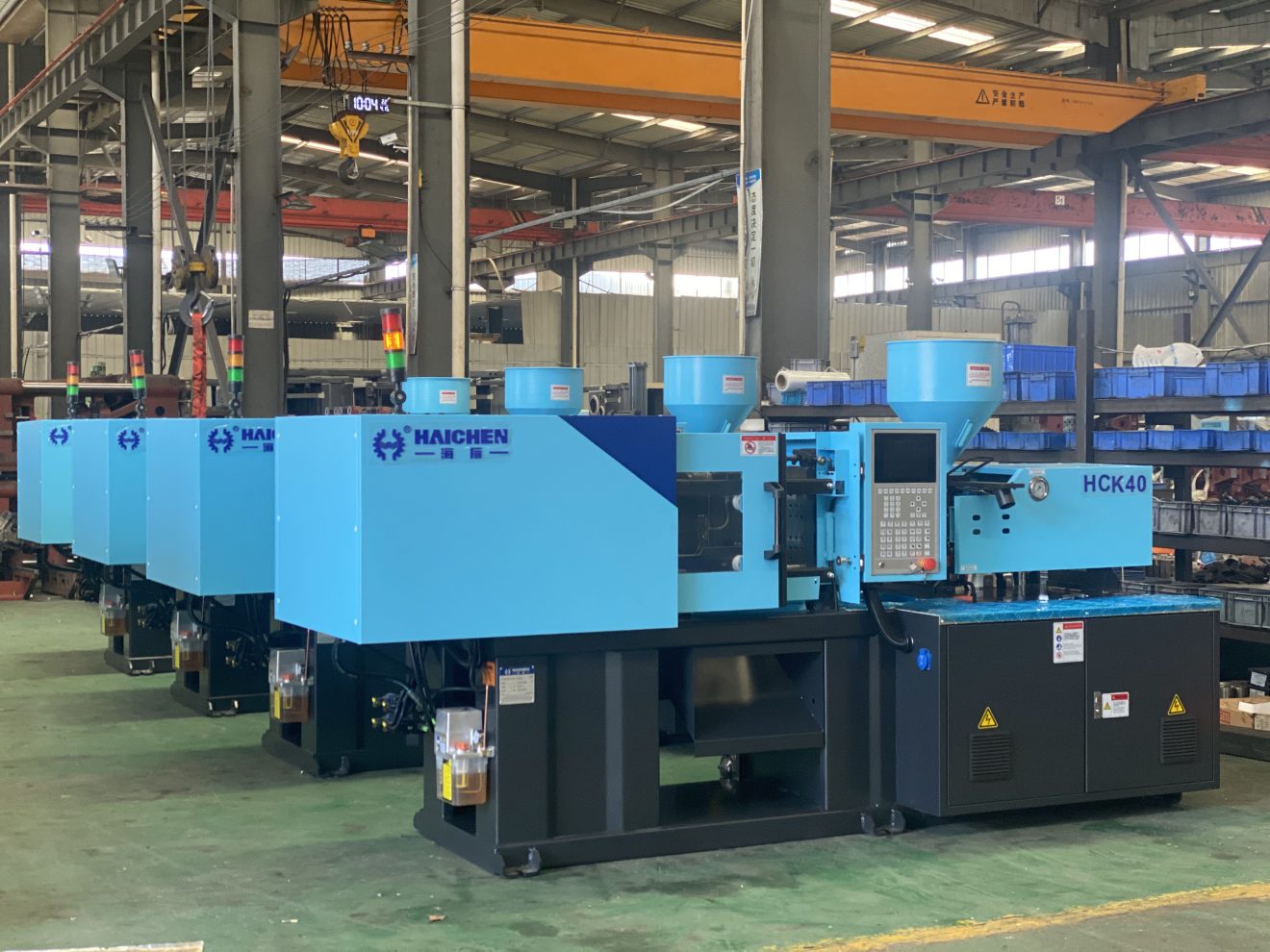
Haichen injection molding machine
Haichen is one Chinese injection molding machine manufacturer. Our servo energy saving injection molding machines quality under CE safety standards certificated.
Haichen have rich experience of producing plastic products, with successfully cases for your reference. We can supply complete plastic production line as per customer’s specific demand.
Consider the above you can choose a suitable plastic injection molding machine and mold to ensure product’s quality and production efficiency.