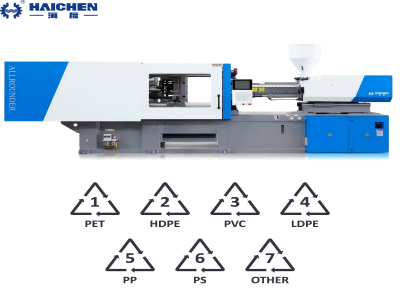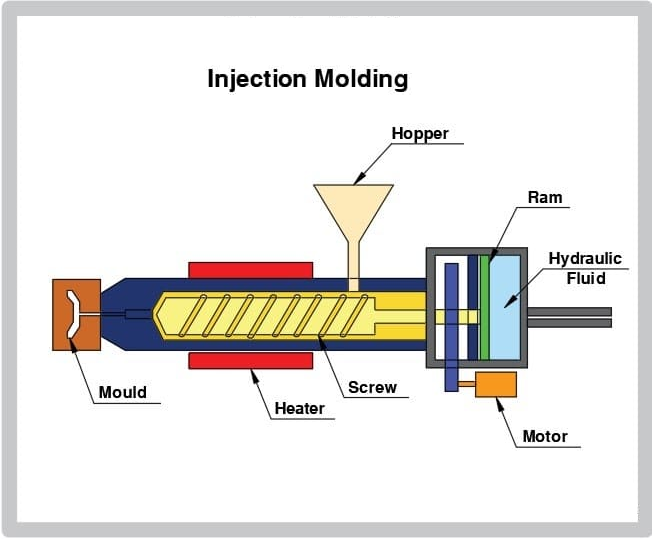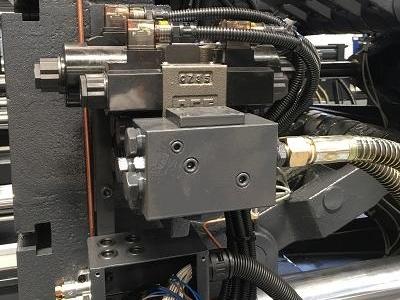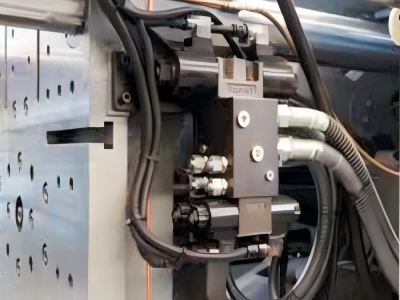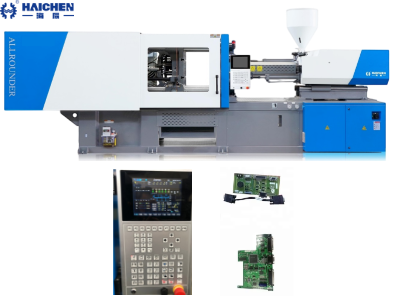
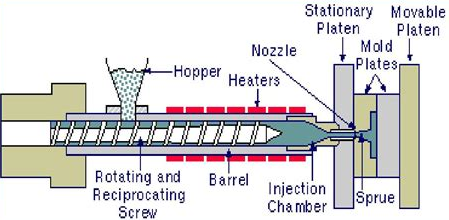
The injection pressure is the force with which the plastic melt is pushed into the mold during the injection molding process.The injection pressure is achieved by a hydraulic system or a servo electric system, and it reflects the actual material pressure applied by the top of the screw to the plastic.
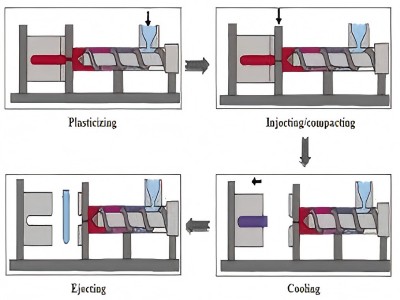
In actual production, the injection pressure is usually expressed in MPa (megapascals) and will be adjusted according to different plastic properties and mold designs to achieve the best molding effect.
When selecting and using an injection molding machine, factors such as injection pressure, injection speed, and holding time need to be considered comprehensively to ensure product quality and production efficiency.
Why is injection pressure important in injection molding?
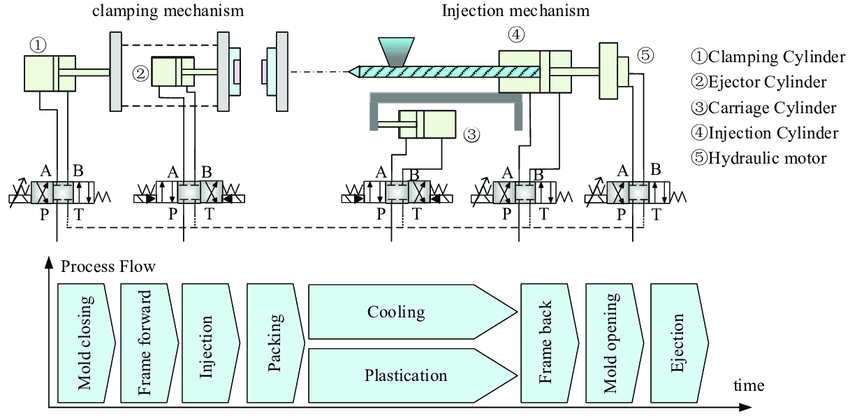
The main function is to overcome the flow resistance from the nozzle, runner, and gate to the cavity so that the melt can smoothly enter the mold cavity.
If the injection pressure is insufficient, the melt is difficult to fill the cavity, resulting in poor filling, and then defects such as weld marks and incomplete filling.
On the contrary, if the injection pressure is too high, it may cause defects such as flash, sticking mold, and top white.
Secondly, the size of the injection pressure directly affects the filling effect and quality of the product.
Appropriate injection pressure can ensure that the melt has sufficient filling speed and flow length, so as to achieve correct filling of the mold and ensure the quality of the parts.
For example, when thin-walled products are molded, too low injection pressure will lead to uneven wall thickness and warping deformation.
Therefore, it is very important to adjust the injection pressure to adapt to different material properties, mold structures, and process parameters.
In addition, the injection pressure is also closely related to the deformation of the product.
Excessive injection pressure may cause deformation of the product, such as sticky mold cracking or bending deformation.
In order to prevent this from happening, holding pressure is usually used to supplement the amount of material near the gate and maintain residual pressure before the gate condenses, thereby reducing deformation caused by excessive injection pressure of the part.
How to measure injection molding pressure?
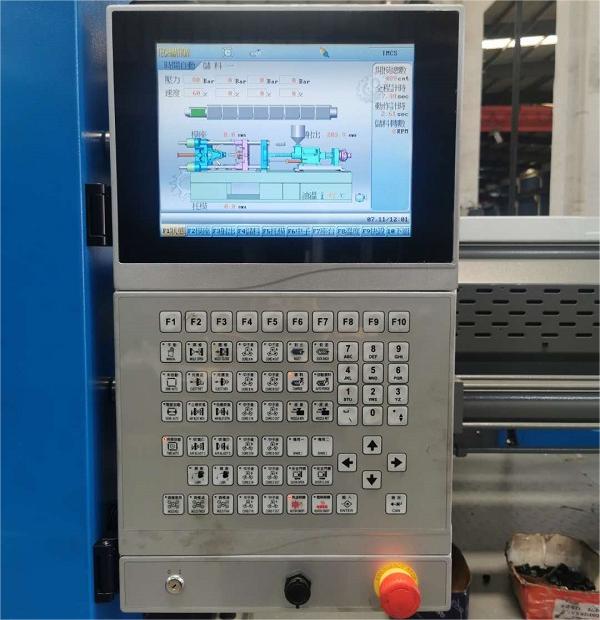
What is the formula for injection pressure?
There are five different formulas for injection molding pressure.
- Injection pressure = clamping force × 1000 / cavity projection area
- Injection pressure = pump pressure × effective area of injection cylinder / cross-sectional area of screw
- Injection pressure = shot volume × material density/injection time
- Injection pressure = injection speed / cross-sectional area
- Injection pressure = total injection pressure/screw area
The injection molding injection pressure calculation formula of the injection molding machine can be different according to different reference materials and actual conditions.
The following are several common injection pressure calculation formulas:
Injection pressure = clamping force × 1000 / cavity projection area
Among them, the unit of clamping force is tons (TON), the unit of cavity projection area is square centimeters (cm²), and the unit of injection pressure is kilograms per square centimeter (kg/cm²).
Injection pressure = pump pressure × effective area of injection cylinder / cross-sectional area of screw
Among them, the unit of pump pressure is kilograms per square centimeter (kg/cm²), the unit of effective area of injection cylinder and cross-sectional area of screw is square centimeters (cm²), and the unit of injection pressure is kilograms per square centimeter (kg/cm²).
Injection pressure = shot volume × material density/injection time
Among them, the unit of shot volume is cubic centimeters (cm³), the unit of material density is grams per cubic centimeter (g/cm³), the unit of injection time is seconds (s), and the unit of injection pressure is kilograms per square centimeter (kg/cm²).
Injection pressure = injection speed / cross-sectional area
Wherein, the injection speed unit is centimeters per second (cm/s), the cross-sectional area unit is square centimeters (cm²), and the injection pressure unit is kilograms per square centimeter (kg/cm²).
Injection pressure = total injection pressure/screw area
Wherein, the total injection pressure unit is kilograms (kg), the screw area unit is square centimeters (cm²), and the injection pressure unit is kilograms per square centimeter (kg/cm²).
Injection pressure control technology of injection molding machine
- Multi-stage injection control
- Closed-loop control system
- Hydraulic system and servo drive
- Application of pressure sensors
- Program control and stage division
- Intelligent control technology
- All-electric servo drive
Multi-stage injection control
In the injection molding process, multi-stage injection is usually used.
For example, the first-stage injection is used to control the gate, the second-stage injection is used for the main part, and the third-stage injection fills more than 95% of the product and maintains pressure to ensure the integrity of the product.
Closed-loop control system
Modern injection molding machines generally adopt closed-loop control systems to adjust the pressure during the injection process by real-time monitoring and feedback of pressure values.
This system can compensate for deviations according to the set pressure value to ensure the consistency and stability of injection pressure in injection moulding.
Hydraulic system and servo drive
The pressure system of the injection molding machine is provided with action pressure by an oil pump or a servo motor, which is used to control various action programs such as the injection device and the melt device.
By entering the relevant parameters on the control panel, the processor converts them into signals for each program action, thereby accurately controlling the injection pressure.
Application of pressure sensors
Using pressure sensors to measure the actual pressure and feed it back to the control system, the injection pressure can be monitored and adjusted in real-time.
This helps to optimize the production process and improve product quality and production efficiency.
Program control and stage division
The injection molding machine controls the injection pressure in different stages, such as one injection, two injections, or multiple injections.
The timing of pressure switching in each stage needs to be set appropriately to prevent excessive pressure or overflow in the mold.
Intelligent control technology
Some high-end injection molding machines are equipped with advanced intelligent control technology, such as HiQ-injection technology, which uses the material viscosity and the pressure value of the injection curve to calculate the SMUV (smart initial value) and integrates it within the injection stroke interval of every two milliseconds to calculate the SMUV injection volume.
This method can more accurately control the switching point and the pressure-holding stage.
All-electric servo drive
The all-electric servo drive injection molding machine has the characteristics of low inertia and high response.
It can adjust according to the actual pressure value to keep the pressure of the molten resin in the screw head part stable, thereby suppressing the peak pressure from being too high or too low during the thin-wall mold process.
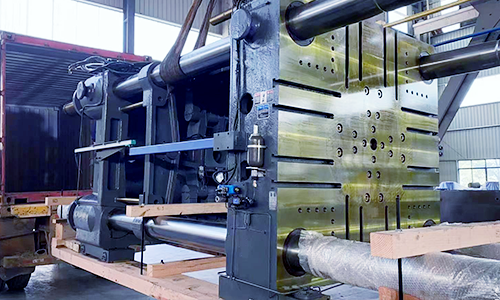
Haichen machinery injection pressure
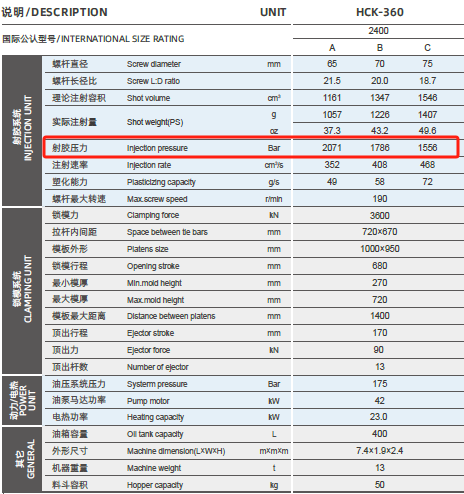
Haichen machinery view

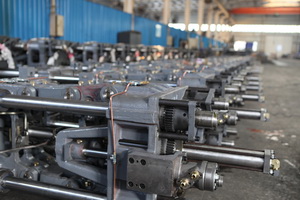
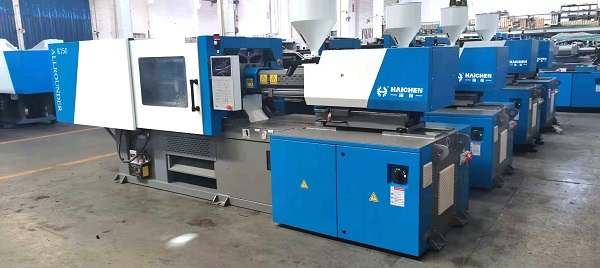

By the end
The basic principle of setting the injection molding injection pressureof the injection molding machine is to use the maximum value to make full use of the injection speed, follow the principle of low not high to avoid internal stress, and perform multi-stage injection according to actual needs to ensure product quality.
>The injection pressure is closely related to the parameters of the injection molding machine, such as screw diameter, injection capacity, injection speed, and injection rate.For example, different specifications of injection molding machines may have different screw diameters and injection pressure ranges.