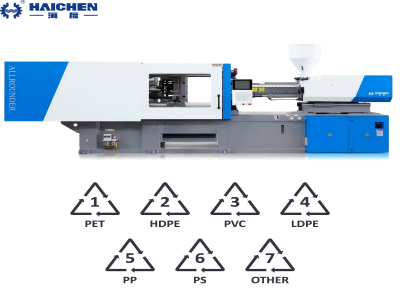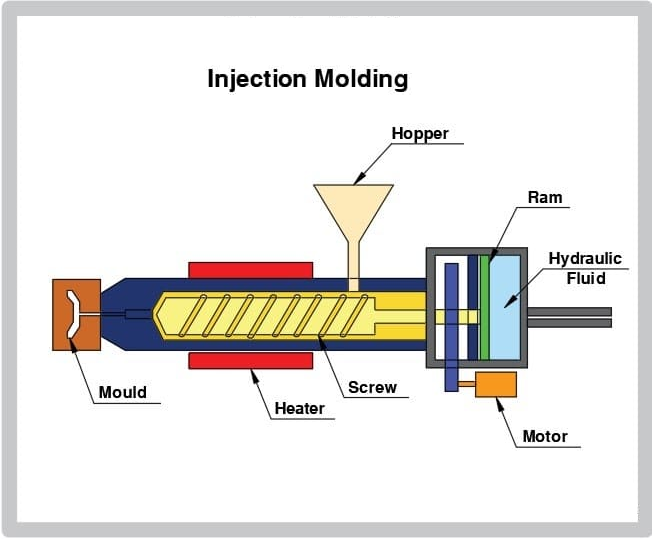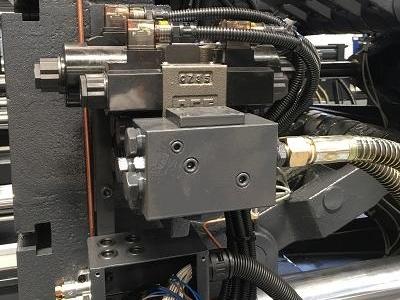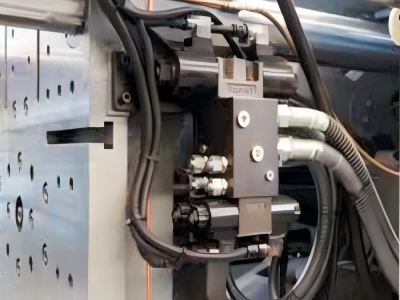
The injection system of an injection molding machine is a critical subsystem responsible for melting plastic material and injecting it into the mold. The main part of injection system includes hopper, barrel, screw, heating bands, nozzle and so on.
The whole system includes a hopper, a metering device, a barrel, a screw or a plunger, a nozzle, a heating device, a screw drive mechanism, an injection seat and its moving mechanism.
The Main Parts of the injection system work together to complete the delivery, melting, metering and high-pressure injection of raw materials, which directly affects the molding quality and efficiency. The precise design and control of each part is the key to achieving high-quality injection molding.
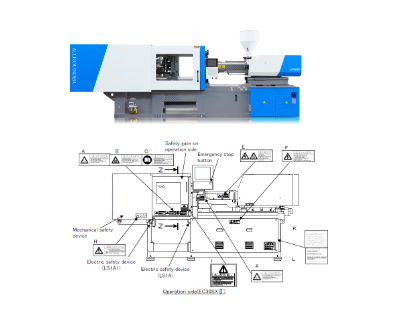
Detailed list of all main components of injection molding machine
Below is a structured breakdown of its main components, their functions, and how they work together:
- Injection unit main Parts
- Clamping unit main Parts
- Hydraulic supply system main Parts
- Protection system main Parts
- Electric control system main Parts
Injection unit main Parts
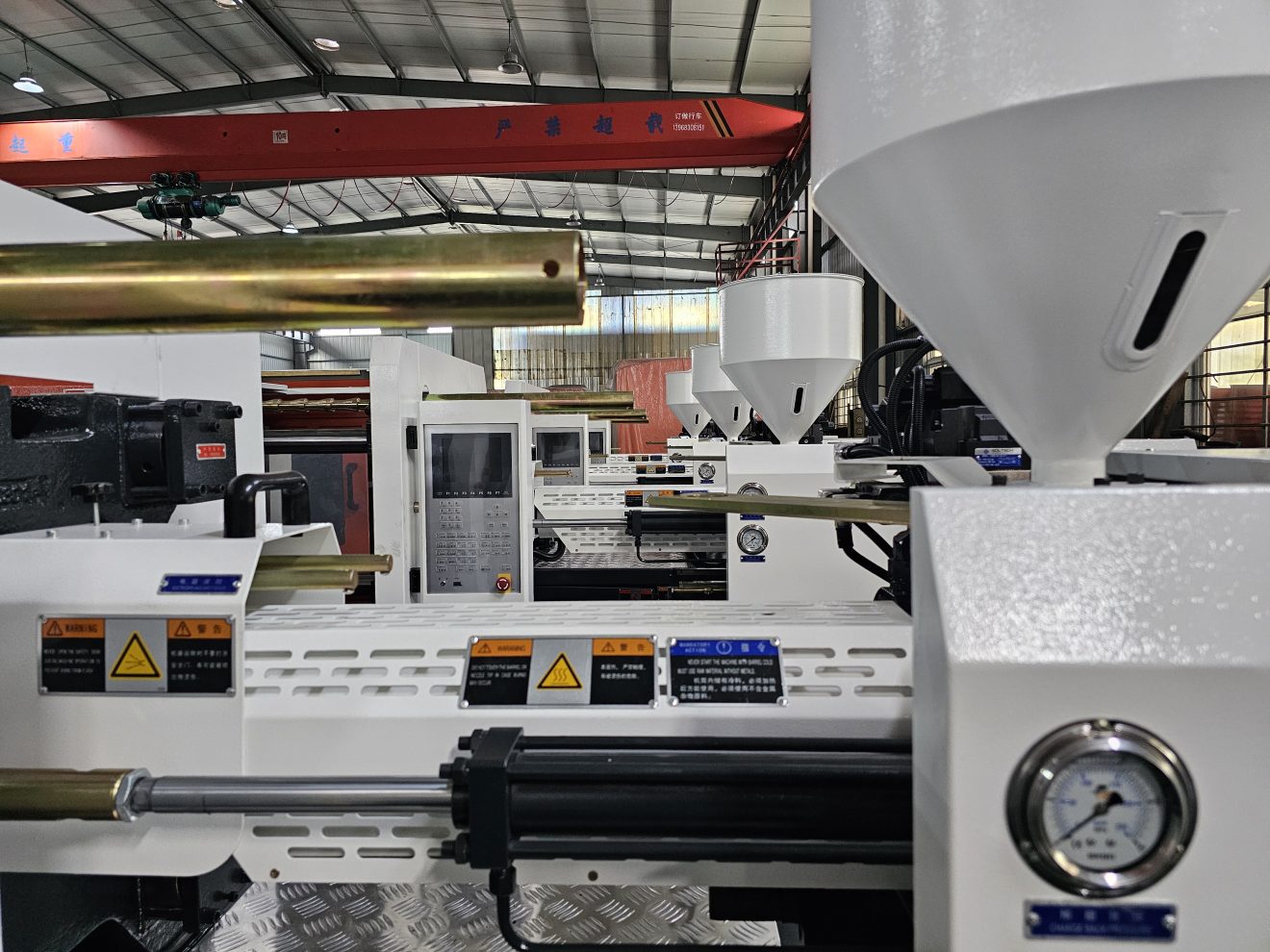
Hydraulic motor
Screw and barrel set
Heater bands
Thermocouple
Ring plunger
Cooling system
Clamping unit main Parts
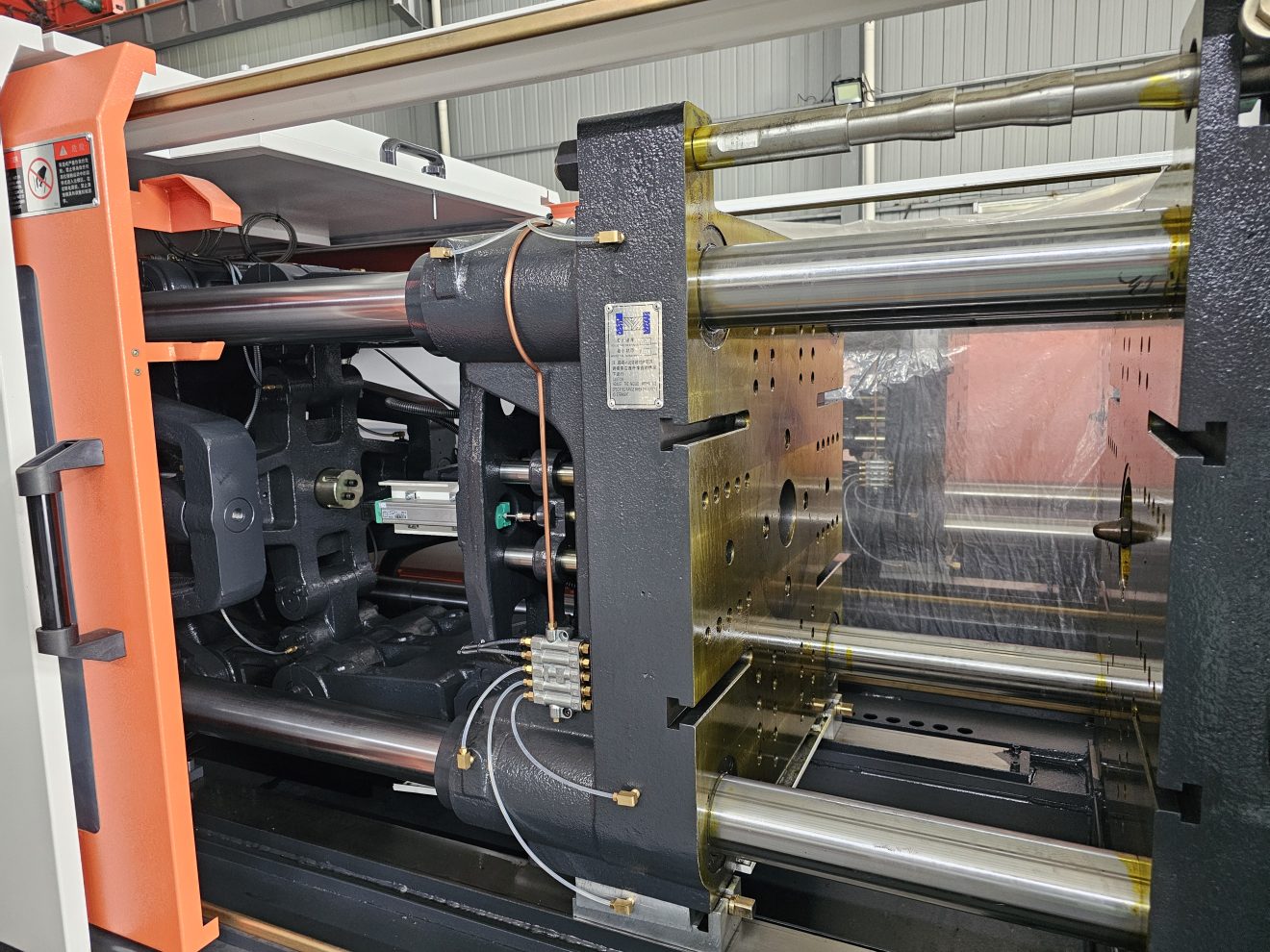
Clamping platens
Toggle mechanism
Tie bars
Mold adjustment system
Ejection system
Hydraulic supply system main Parts
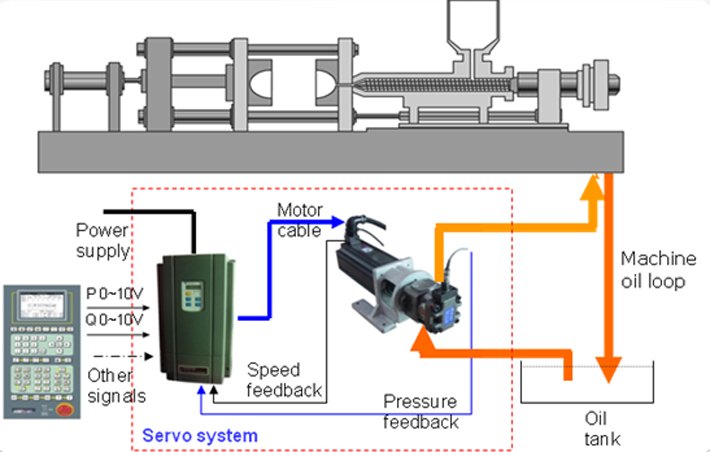
Oil tank
Oil filter
Oil cooling system
Hydraulic pipe and horse
Hydraulic valve
Protection system main Parts
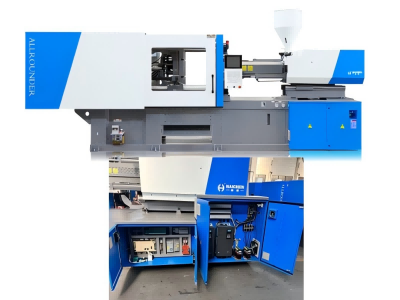
Metal Plates
Guide rails
Detect sensors
Electric control system main Parts
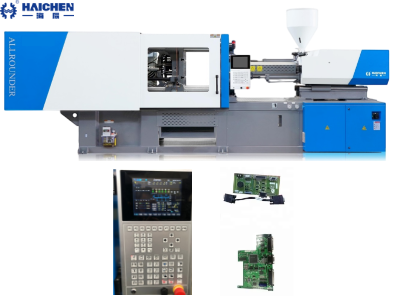
Power supply system
Mini computer/PLC
Control panel interface
Motor & driver sytem
Heating system
Lubrication system
Various parts of the injection molding unit of the injection molding machine
Moreover, due to the lack of new features on plastic molding machines, this list may seem long and tedious. And there are many types of injection molding machines, and the parts vary greatly.
Therefore, Haichen roughly breaks down each component below.
- Hopper
- Barrel
- Reciprocating Screw
- Heater Bands
- Nozzle
- Injection Unit Drive Mechanism
- Temperature Control System
- Pressure Sensors and Controls
- Screw Tip
Hopper
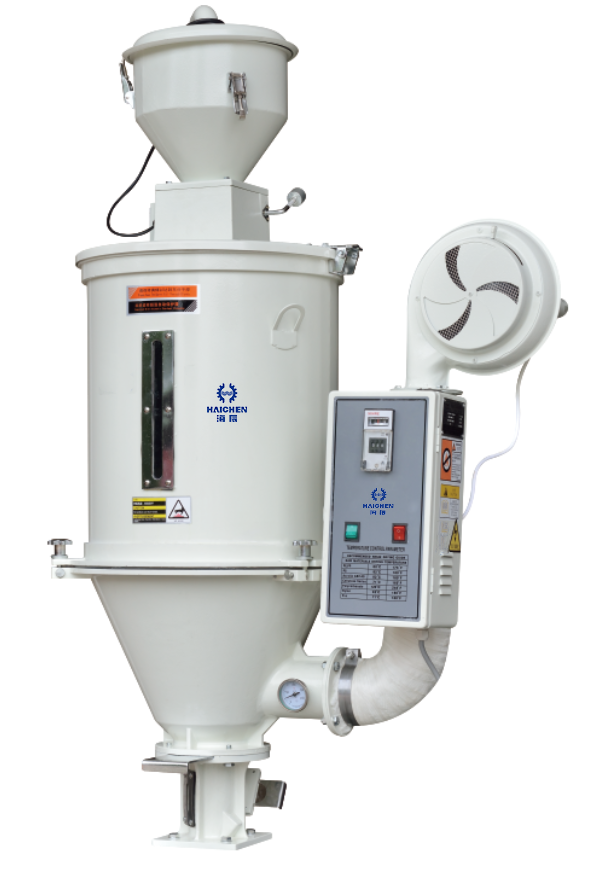
- Function: Stores and feeds raw plastic pellets (or granules) into the barrel.
- Key Features:
- Gravity-fed design ensures consistent material flow.
- May include drying units for hygroscopic materials (e.g., nylon, PET).
Barrel
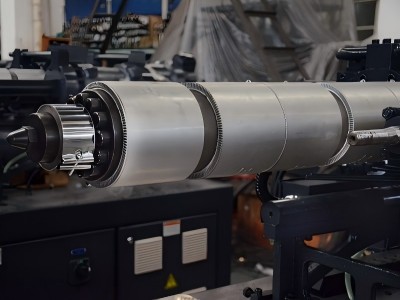
- Function: A heated cylindrical chamber where plastic pellets are melted and homogenized.
- Key Features:
- Constructed from high-strength, wear-resistant steel.
- Divided into multiple heating zones for precise temperature control.
- Houses the reciprocating screw.
Reciprocating Screw
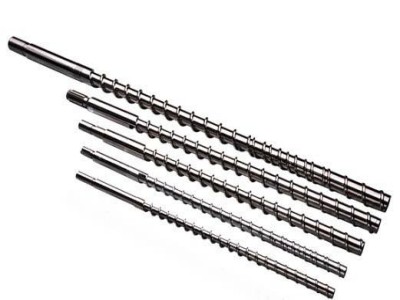
- Function: Rotates to transport, compress, melt, and inject the plastic.
- Components:
- Feed Zone: Conveys pellets forward.
- Compression Zone: Compresses and melts pellets via shear heat and external heaters.
- Metering Zone: Homogenizes the molten plastic for consistent viscosity.
- Non-Return Valve (Check Valve):
- Prevents molten plastic from flowing backward during injection.
Heater Bands
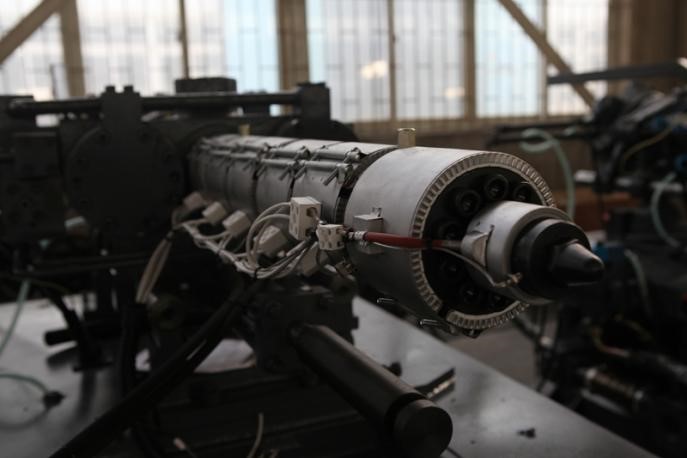
- Function: Provide external heat to the barrel to melt the plastic.
- Key Features:
- Electric resistance heaters wrapped around the barrel injection machine parts.
- Controlled in zones to maintain optimal melt temperature.
Nozzle
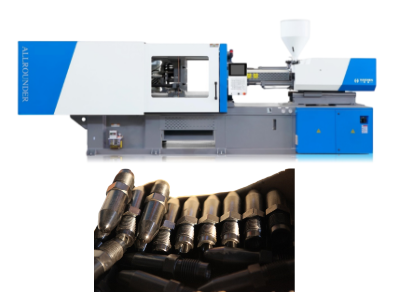
- Function: Directs molten plastic from the barrel into the mold’s sprue bushing.
- Key Features:
- Tapered design to ensure a tight seal with the mold.
- May include temperature control to prevent freezing or drooling.
Injection Unit Drive Mechanism
- Function: Drives the screw forward during injection to push molten plastic into the mold.
- Types:
- Hydraulic: Uses hydraulic cylinders for high force (common in older machines).
- Electric: Servo motors for precise, energy-efficient control (modern machines).
- Hybrid: Combines hydraulic and electric systems.
Temperature Control System
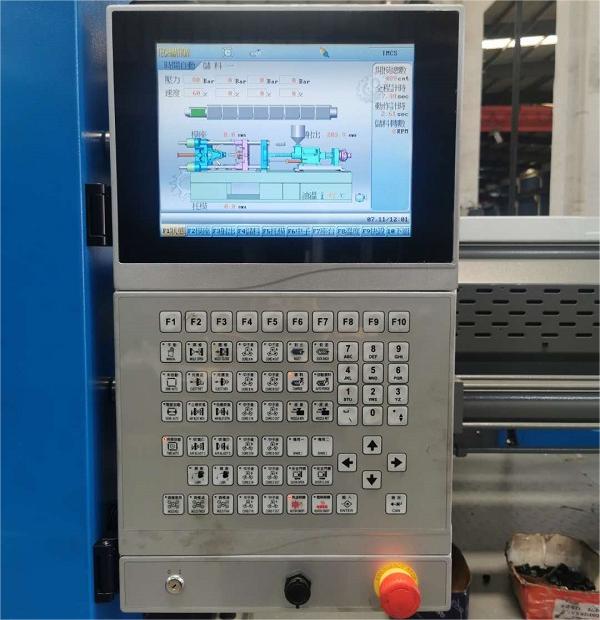
- Function: Maintains precise temperatures in the barrel and nozzle.
- Components:
- Thermocouples or RTDs (temperature sensors).
- PID controllers for automated adjustments.
Pressure Sensors and Controls
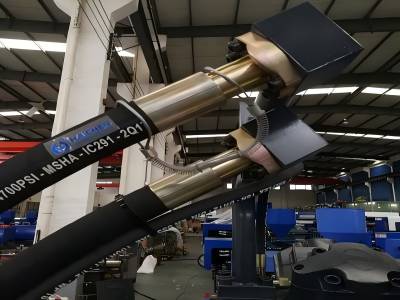
- Function: Monitor and regulate injection pressure to ensure consistent filling and packing.
- Key Metrics:
- Injection Pressure: Typically 500–2,000 bar.
- Holding Pressure: Ensures material compensates for shrinkage during cooling.
Screw Tip
- Function: Controls the flow of molten plastic at the end of the screw.
- Design: Varies based on material (e.g., check ring tips for high-viscosity resins).
How the Injection System Works
- Feeding: Pellets enter the barrel via the hopper.
- Melting: The screw rotates, generating shear heat, while heater bands provide external heat.
- Accumulation: Molten plastic is stored at the front of the barrel as the screw retracts.
- Injection: The screw plunges forward, driven by the injection unit, forcing plastic through the nozzle into the mold.
- Packing/Holding: Pressure is maintained to compensate for shrinkage as the material cools.
Key Considerations for Performance
- Screw Design: Optimized for material type (e.g., general-purpose, PVC, or fiber-filled screws).
- Back Pressure: Adjusts melt consistency and degassing.
- Mold Compatibility: Nozzle size must match the mold’s sprue bushing.
Applications
- Automotive: High-precision parts like dashboards and connectors.
- Consumer Goods: Thin-walled containers, toys.
- Medical: Sterile components requiring tight tolerances.
Lifetime of injection molding machine injection system parts
The lifespan of injection system components in injection machine parts is influenced by multiple factors. Below is a detailed analysis:
- Core Components
- Typical Lifespan
- Critical Factors Affecting Lifespan
- Failure Modes & Solutions
- Industry Best Practices
- Cost-Benefit Analysis
- Predictive Maintenance Tools
Core Components
The injection system primarily includes:
- Screw (rotates to melt and convey plastic)
- Barrel (houses the screw and withstands high pressure)
- Nozzle (channels molten plastic into the mold)
- Injection cylinder (drives screw movement).

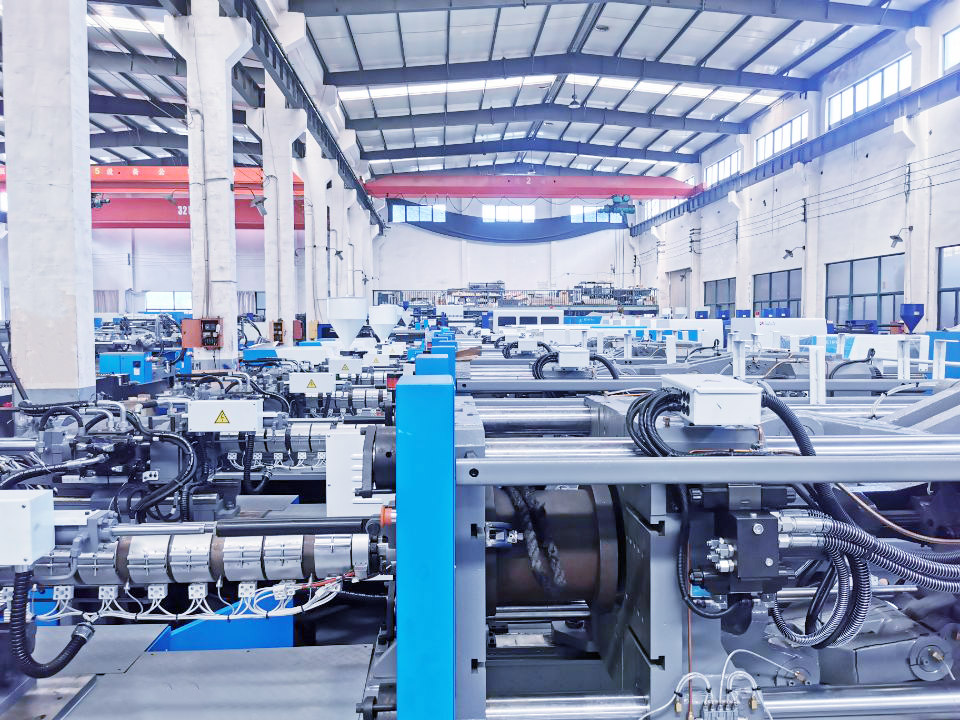
These components operate under harsh conditions:
- High temperatures (200–300°C for melting plastics like PEEK or nylon).
- High pressure (140–180 MPa during injection).
- Mechanical wear (screw rotation friction, abrasive fillers).
Typical Lifespan
| Component | Average Lifespan (cycles) | Key Influencing Factors |
|---|---|---|
| Screw | 300,000–1 million | Material hardness, filler abrasiveness |
| Barrel | 500,000–1.2 million | Bimetallic lining, thermal stability |
| Nozzle | 200,000–600,000 | Thermal cycling, material degradation |
| Check valve | 100,000–300,000 | Wear from repeated reciprocation |
Examples:
- A standard H13 tool steel screw lasts ~500,000 cycles with unfilled PP.
- A carbide-coated screw handling glass-filled nylon may exceed 1 million cycles.
Critical Factors Affecting Lifespan
Material Selection
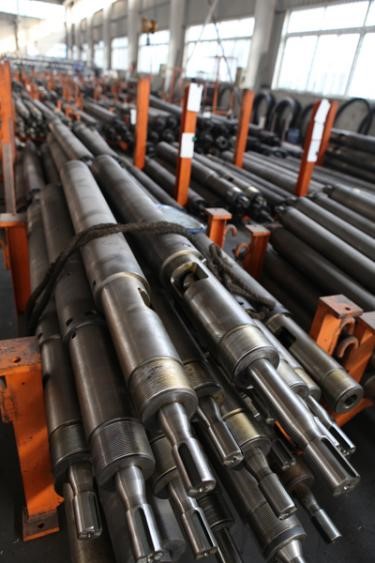
- Screw/Barrel Materials:
- Standard: H13, S7 tool steel (good for general-purpose use).
- High-performance: Bimetallic barrels (e.g., Xaloy lining) or nitride-hardened screws (2–3× lifespan).
- Abrasive Fillers: Glass fiber, minerals, or carbon fiber accelerate wear. For example:
- Unfilled PP: Screw wear rate ≈ 0.01 mm/100k cycles.
- 30% GF-PA6: Wear rate ≈ 0.1 mm/100k cycles.
Process Parameters
- Temperature Control:
- Barrel zone temperature deviations >10°C cause uneven melting, increasing screw torque by 15–20%.
- Pressure Management:
- Overloading (>180 MPa) induces stress cracks in the barrel.
- Back Pressure: Excessive back pressure (e.g., >20 MPa) accelerates screw wear.
Maintenance Practices
- Cleaning: Carbonized residue removal every 5,000 cycles (prevents nozzle clogging).
- Lubrication: Screw flights and drive systems require grease every 3 months.
- Wear Inspection: Measure screw diameter tolerance (replace if >0.3 mm undersized).
Design Optimization
- Screw Geometry:
- Compression ratio (2.5:1 for PET vs. 3.5:1 for PVC).
- Mixing elements reduce thermal degradation (e.g., Maddock-style barriers).
- Nozzle Design: Reverse-taper nozzles minimize stagnation for heat-sensitive resins.
Failure Modes & Solutions
| Failure Mode | Symptoms | Mitigation |
|---|---|---|
| Screw Wear | Reduced shot consistency, black specks | Use hardened coatings (e.g., CrN, TiAlN) |
| Barrel Scoring | Melt leakage, pressure drop | Polish with diamond paste (Ra < 0.4 µm) |
| Nozzle Blockage | Short shots, flow marks | Install self-cleaning nozzles with shutoff valves |
Industry Best Practices
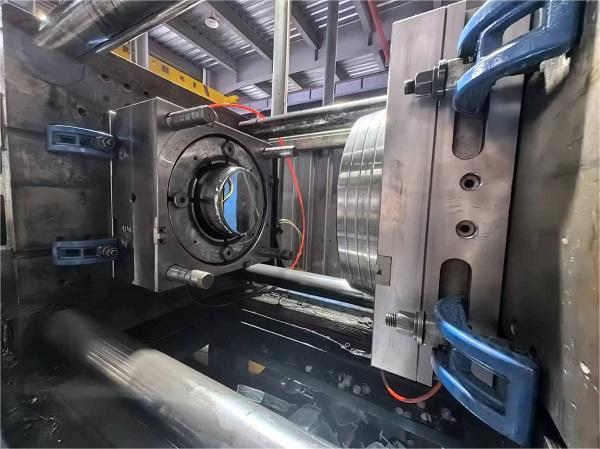
- Automotive Tier Supplier Case:
- Upgraded to bimetallic barrel + nitride screw for ABS/PC blends.
- Result: Barrel lifespan increased from 800k to 1.5 million cycles.
- Medical Molder Example:
- Implemented daily screw pull-and-inspect for PEEK molding.
- Reduced unplanned downtime by 40%.
Cost-Benefit Analysis
- Replacement Cost:
- Screw: 3,000–15,000 (depending on size and material).
- Barrel: 8,000–30,000.
- ROI for Upgrades:
- A $20,000 hardened screw/barrel set pays back in 18 months if cycle count increases by 30%.
Predictive Maintenance Tools
- Vibration Sensors: Detect screw imbalance (>0.5 mm deflection indicates wear).
- Pressure Transducers: Monitor hydraulic pressure spikes (early warning of barrel wear).
- Thermal Imaging: Identify hot spots in the barrel (>5°C variation signals insulation failure).
Haichen injection molding machine provides you with spare parts warranty
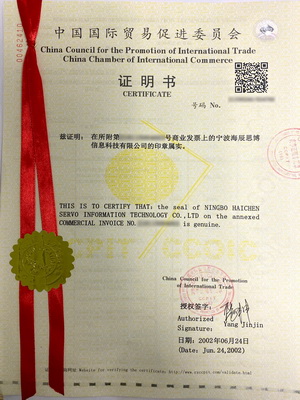
Haichen Injection Molding Machines provide comprehensive warranty coverage for injection machine parts, with detailed policies as follows:
- Warranty Scope & Duration
- Warranty Services
- Exclusions
- After-Sales Commitment
Warranty Scope & Duration
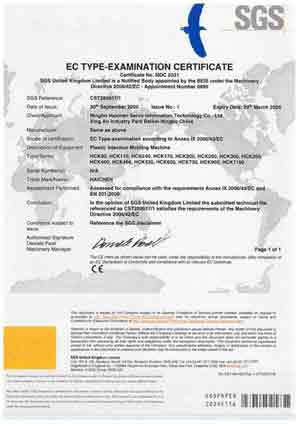
- Core Components: Controllers, directional valve pumps, mold plates, contactors, heating bands, hydraulic motors, mechanical parts, and electrical components are covered.
- Warranty Period: Specific durations vary by contract or product type. During the warranty period, Haichen offers free replacement for defects or damage from normal use, along with engineer support.
- Differential Coverage: Some parts may have unique terms. For example, standard screws and barrels are covered for 12 months, while engineering-material-specific screws may have a 6-month warranty (reference industry standards).
Warranty Services
- Technical Support: 24/7 remote assistance and on-site engineer services to minimize downtime.
- Spare Parts Supply: Initial delivery includes critical consumables; long-term needs are met via Haichen’s global Parts of Injection Molding Machine supply chain.
- Cost Coverage: Haichen covers repair/replacement costs for warranty-eligible issues. Non-warranty cases (e.g., user error) may incur charges.
Exclusions
- Voided Warranty Scenarios:
- Use of non-specified hydraulic oil.
- Unauthorized machine modifications.
- Improper operation (e.g., raw materials containing hard particles).
- Damage from natural disasters or exceeding warranty duration.
- Material Restrictions: Corrosive plastics or glass-fiber-filled materials may exclude coverage for non-bimetallic screws.
After-Sales Commitment
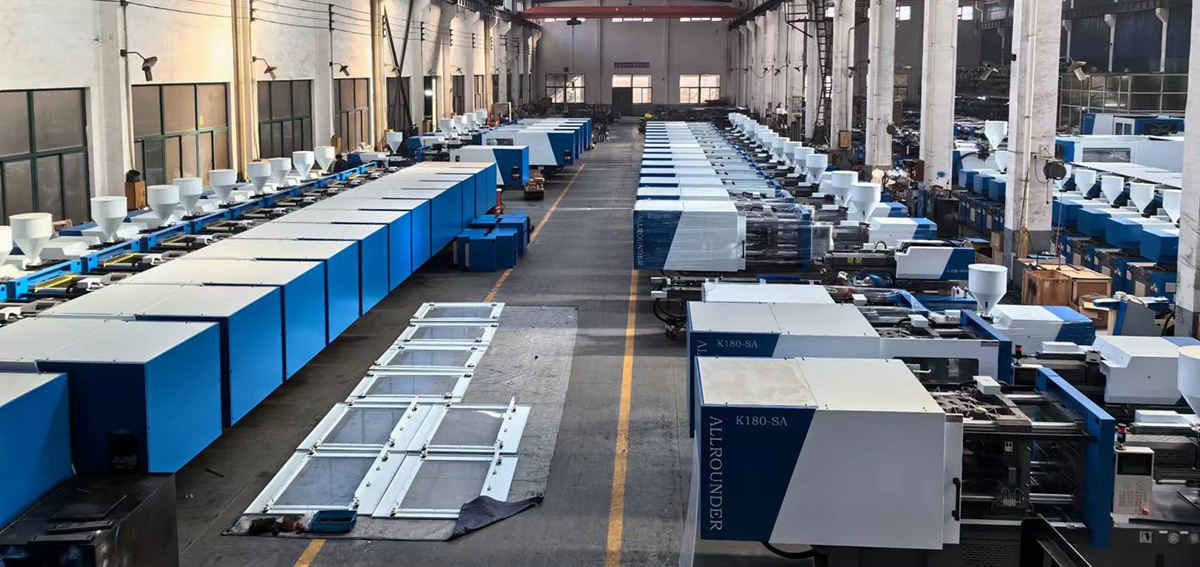
- Rapid response to breakdowns (e.g., 24-hour emergency support in some regions).
- Partnerships with local service providers ( 1-year free on-site maintenance).
Key Takeaway
Haichen’s warranty prioritizes reliability and efficiency, covering core components with clear terms. Users must adhere to operational guidelines to maintain coverage. Always refer to the purchase contract or technical agreement for precise terms. For urgent inquiries, contact Haichen’s global service team at [email protected].
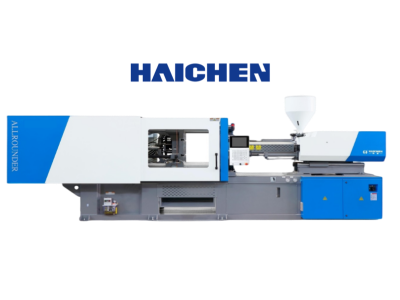
With optimal material selection, process control, and maintenance, injection system components can achieve:
- Screws: 1–1.5 million cycles (hardened grades).
- Barrels: 2+ million cycles (bimetallic design).
Industry benchmarks suggest 3–7 years of service life under standard production (1,500 cycles/day). Regular monitoring and proactive replacement are critical to avoiding costly downtime.
By integrating these components, the injection system ensures efficient, repeatable production of high-quality plastic parts. Proper maintenance of the screw, heater bands, and temperature controls is essential for longevity and performance.