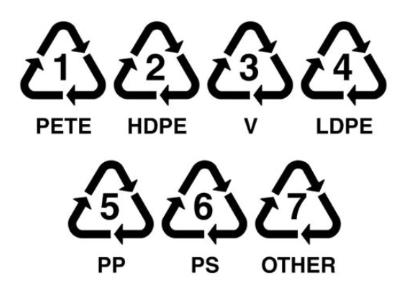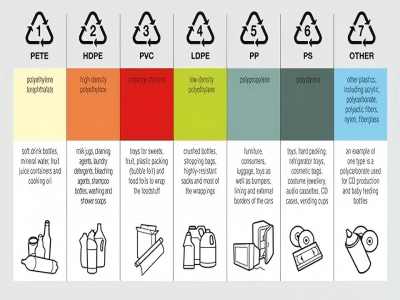
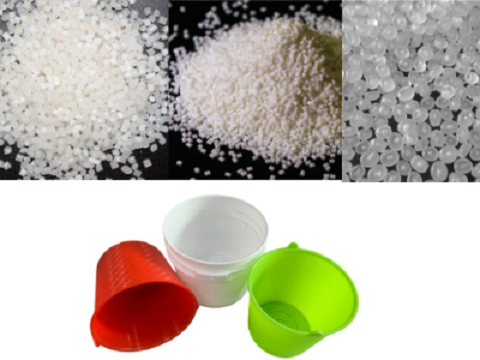
Make buckets plastic raw material usually use high-density polyethylene(HDPE), polypropylene(PP) and low-density polyethylene (LDPE).
These thermoplastic resins are supplied in pellet form and are heated, melted and formed in a mold (such as injection molding or blow molding) to produce plastic barrels.
The choice of material depends on the end use of the barrel (food grade, industrial, household, etc.), the required physical and chemical properties (strength, toughness, corrosion resistance, etc.), cost, and sustainability considerations (whether to use recycled materials). Therefore, plastic raw materials are not only the basis for manufacturing plastic barrels, but their type and quality directly determine the performance, safety and application range of plastic barrels. These materials widely use in plastic buckets manufacturing. Due to their different strength, chemical resistance and lightness. Below are each plastic material details:
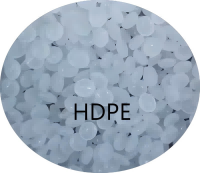
Plastic buckets raw material: High-density polyethylene (HDPE)
High-density polyethylene (HDPE) is a particularly suitable material for make buckets plastic raw material. Because it has good heat and cold resistance, and is also moisture and gas resistant.
Core characteristics of HDPE
HDPE is the core material of plastic barrels due to its high strength, chemical resistance, impact resistance and weather resistance (adaptability to harsh climates during transportation or storage). For example:
- HDPE is the raw material for blow molding hollow plastic containers, with high crystallinity characteristics.
- HDPE is durable and suitable for blow molding process.
- HDPE is a high-density type of polyethylene, economical and practical, and FDA-approved, widely used in food packaging.
Manufacturing process adaptability
HDPE raw materials are usually put into production in the form of granules, which are blow molded or injection molded:
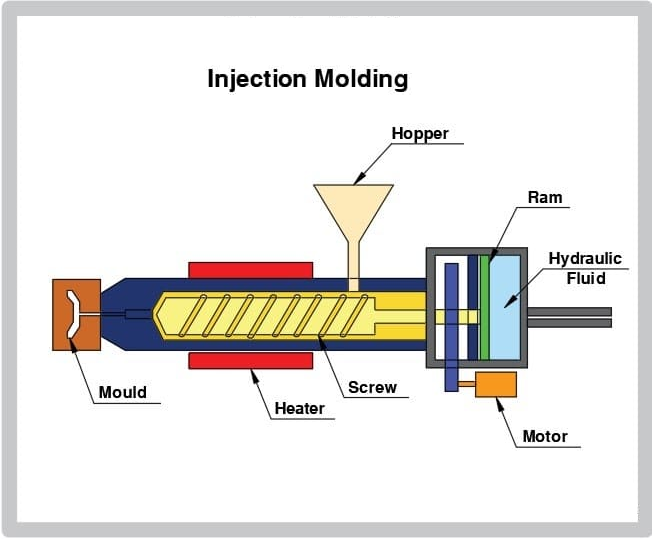
- Blow molding process: HDPE granules are fed into the screw through the hopper, heated by friction and pressed into the mold for molding.
- Injection molding process: HDPE granules are mixed and then injected into the mold.
Special application scenarios
- Food-grade barrels: Point out that HDPE is the preferred material for food-grade plastic barrels, meets FDA standards, and is safe and non-toxic.
- Industrial barrels: Emphasize HDPE’s resistance to chemicals and extreme temperatures, and is suitable for storing hazardous liquids or food.
- Daily necessities: Mention that HDPE is used in garden barrels, Halloween barrels, etc., highlighting its lightweight and durability.
HDPE also has high mechanical strength and chemical stability. Allowing this material to withstand a variety of transportation and storage conditions. In addition, HDPE buckets are generally FDA-compliant and suitable for food contact applications.
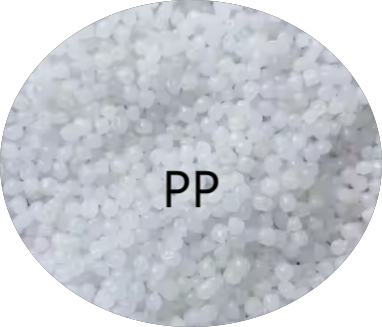
Polypropylene (PP)
Polypropylene (PP) is one of the most commonly plastic raw materials for buckets. Because of its good mechanical properties, chemical resistance and lightness. PP plastic buckets are widely used in food, medicine, cleaning supplies and other fields because of their non-toxic, odorless, high temperature and chemical corrosion resistance.
Material properties
PP is resistant to high temperatures (melting point is about 120°C), chemical corrosion, light and strong, and is suitable for packaging hot liquids (such as ketchup, syrup) or chemicals. It further explains that PP is more chemically resistant than polyethylene (PE) and is suitable for scenarios that require high stability.
Application scenario segmentation
- Food-grade barrels:Emphasizing that PP is an FDA-certified food-grade material used to make containers that come into contact with food (such as sauce barrels and cooking oil barrels) because it is non-toxic, chemically resistant, and can be sterilized at high temperatures.
- Industrial barrels:Pointing out that PP barrels are widely used to store paints and chemicals because of their corrosion resistance and structural strength to protect the contents. Supplementary explanation: HDPE is commonly used in industrial barrels, but PP is better in high-temperature scenarios (such as hot melt adhesive packaging) due to its heat resistance.
Comparison of PP with other materials
Used with HDPE
Pointed out that high-density polyethylene (HDPE) is a common material for plastic barrels because of its strong impact resistance and weather resistance. However, it is clear that both PP and HDPE are mainstream choices. For example, food-grade barrels can use both at the same time, and it is mentioned that the global plastic barrel market is dominated by a variety of materials such as PP, HDPE, and PET.
Key difference: PP is more resistant to high temperatures, HDPE is more resistant to low-temperature impact, and the two are divided according to demand (such as PP for hot filling liquids, HDPE for low-temperature transportation).
Differences from other plastics
Compared with PP and PC (polycarbonate), it is pointed out that PP has low transparency but strong impact resistance, and is more suitable for manufacturing containers such as barrels and basins. It is mentioned that polystyrene (PS) and ABS can also be used for barrels, but PP is more popular because it balances cost and performance.
In the production process of plastic barrels, injection molding or extrusion molding is usually used. PP plastic buckets are favored because of their lightness and good molding performance. In addition, PP plastic barrels are also environmentally friendly and healthy, so they are very popular in food-grade applications.
Low-density polyethylene (LDPE)
Low-density polyethylene (LDPE) is another suitable plastic raw material. It used such as in food packaging and daily chemical product packaging, due to its light weight and flexibility. Although LDPE floats in water, its flexibility and crack resistance make it a viable option in some cases.
LDPE can indeed be used as a raw material for plastic barrels, especially for scenes that require flexibility and corrosion resistance (such as food processing barrels, pickling barrels).
Application scenario segmentation
- Food-grade barrels:Emphasizing that PP is an FDA-certified food-grade material used to make containers that come into contact with food (such as sauce barrels and cooking oil barrels) because it is non-toxic, chemically resistant, and can be sterilized at high temperatures.
- Industrial barrels:Pointing out that PP barrels are widely used to store paints and chemicals because of their corrosion resistance and structural strength to protect the contents. Supplementary explanation: HDPE is commonly used in industrial barrels, but PP is better in high-temperature scenarios (such as hot melt adhesive packaging) due to its heat resistance.
Comparison with other materials
- HDPE is still the mainstream material: Both emphasize that HDPE is the most common material for plastic barrels due to its high strength, chemical resistance and food-grade safety.
- Differences in the characteristics of LDPE: and point out that LDPE is thinner and softer than HDPE and is often used in plastic bags, packaging films and flexible containers (such as squeeze bottles). It further explains that LDPE has higher transparency but lower chemical resistance, which may limit its application in some industrial barrels.
In addition to HDPE and LDPE, polypropylene (PP) is also an another common material for plastic buckets raw material. Especially in applications that require higher heat resistance and chemical stability. PP materials are usually provided in granular form to facilitate use in the mold forming process.
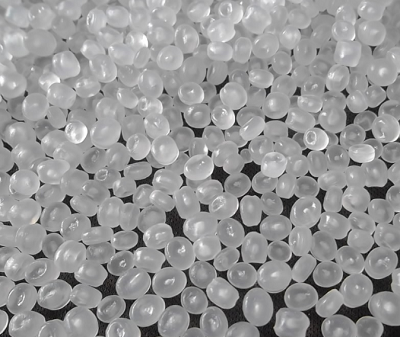
How are plastic buckets made?
There are many ways to make plastic barrels, including blow molding, injection molding, and rotational molding. Each method has its own scope of application, advantages and disadvantages, and the specific choice depends on the purpose, specifications, and production requirements of the product.
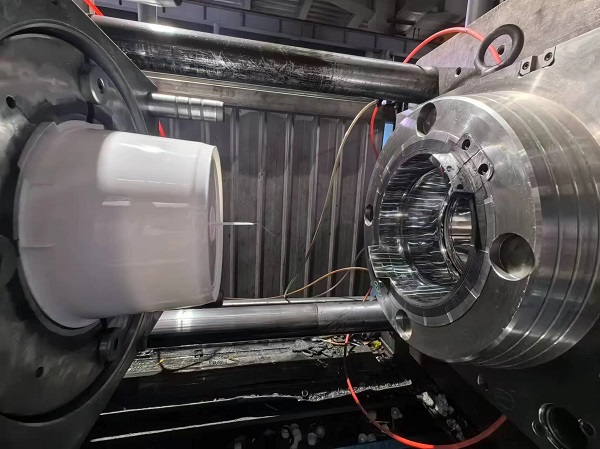
During the manufacturing process of plastic buckets, these thermoplastic resins are usually in the form of small pellets or granules, which are processed into the final product through injection molding or blow molding processes. These processes ensure that the plastic buckets are strong and durable, allowing them to withstand a variety of environmental conditions and usage demands.
Thus, the manufacture of plastic buckets mainly relies on thermoplastic resins such as polyethylene (PE), especially high-density polyethylene (HDPE) , low-density polyethylene (LDPE) and Polypropylene (PP). Because these are ideal make buckets plastic raw material due to their excellent physical and chemical properties.
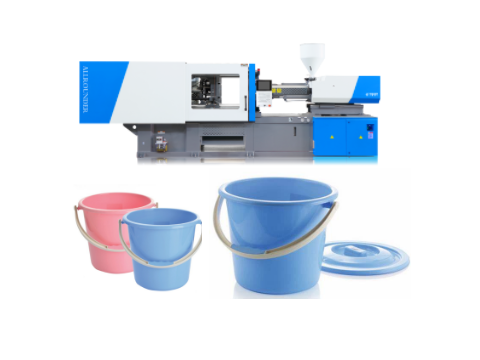
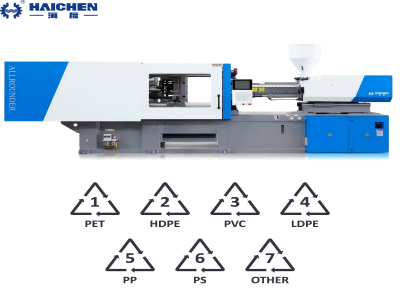
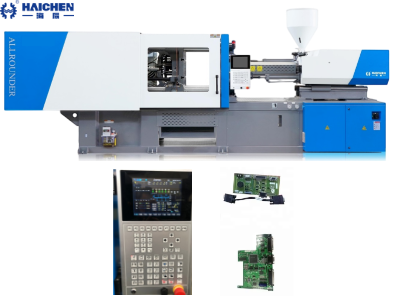
Haichen plastic bucket injection molding machine
Haichen is one Chinese injection molding machine manufacturer in Ningbo.
We have more than 10years rich experience of plastic injection molding machine production. All our servo energy saving injection molding machines quality are under CE safety standars certificate.
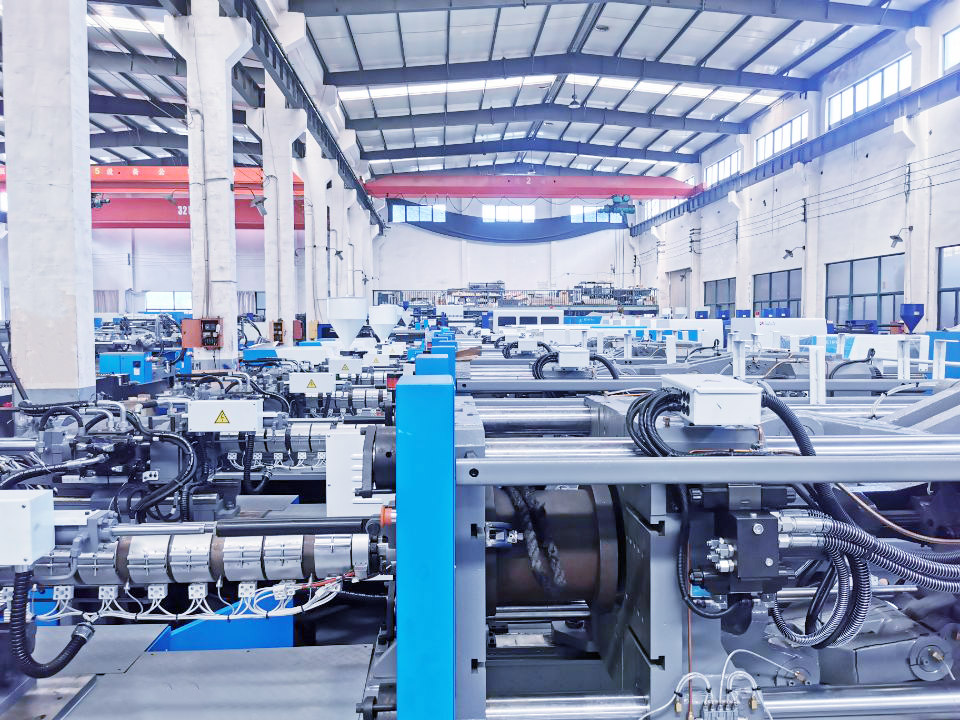
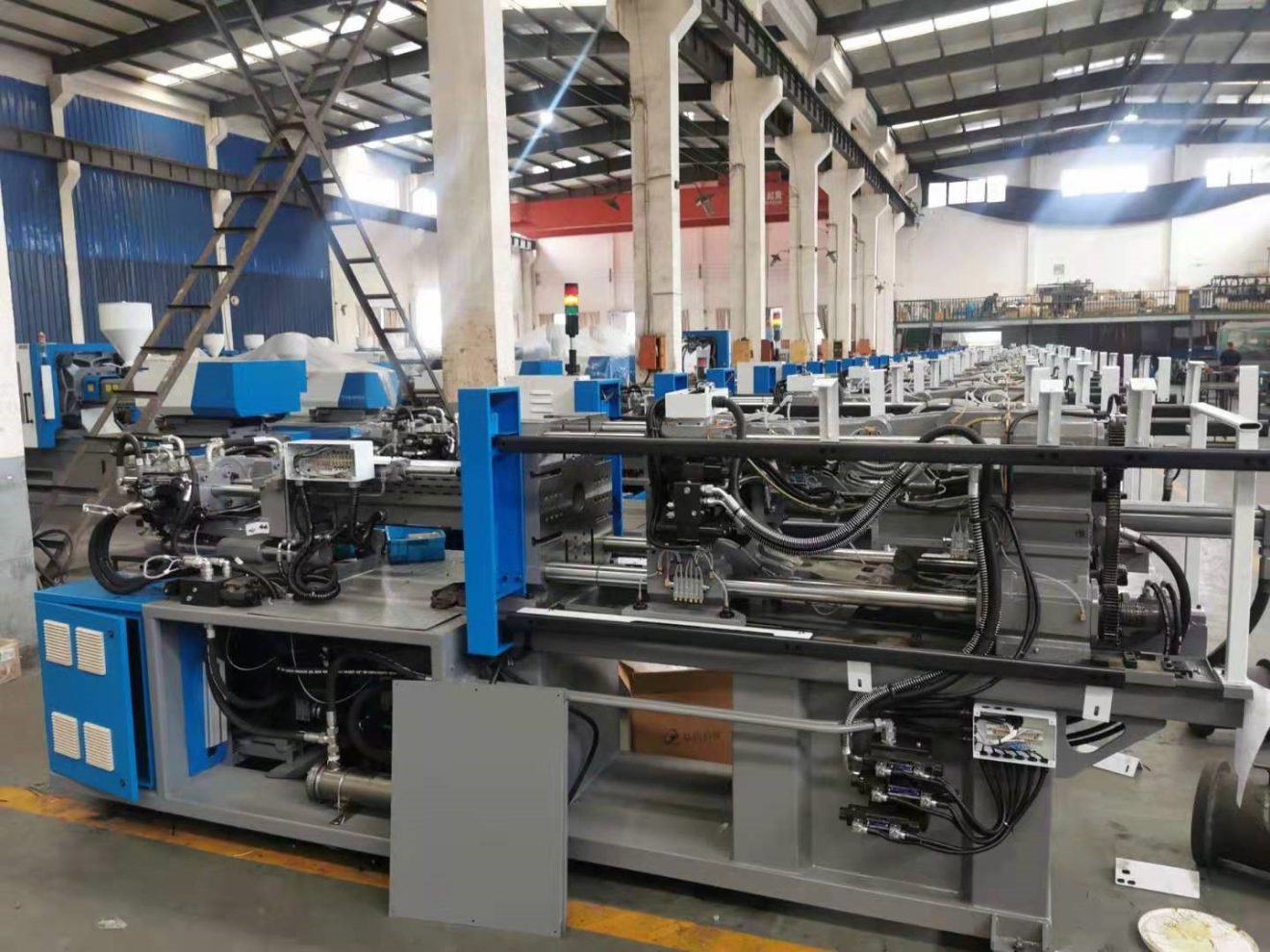
Haichen have rich experience of producing plastic bucket injection molding machines. Many our plastic bucekt making machine successfuly cases for your reference. We can help our customers from selecting suitable plastic buckets raw material to supply complete production line.
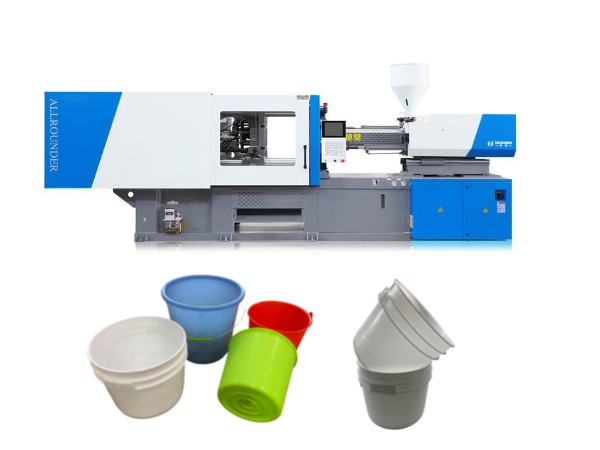
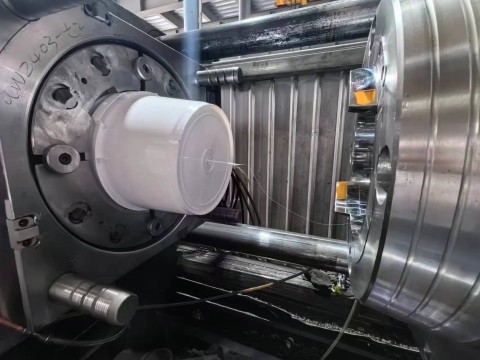
Welcome come and visit us for plastic bucket injection molding machine.