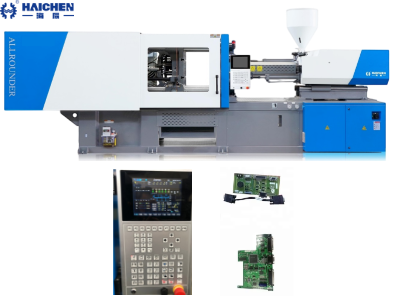
CE safety standards for Injection Molding Machine:
- EN ISO 20430:2020
- EN 60204-1:2018
- EN ISO 12100:2010
CE safety standards are primarily based on the EN ISO 20430:2020, EN 60204-1:2018, and EN ISO 12100:2010.
Which ensure the safe use and sales of machines in the EU market.
In addition, CE certification is a mandatory certification in the European Union.
And only products that have passed CE certification can be legally sold in the EU market.
The CE mark indicates that the product complies with the essential requirements of all relevant EU directives and regulations.
Ensuring its legality and safety in the EU market.
Requirements for CE safety standards
Safety: Prevent mechanical, electrical, thermal and other risks such as pinching injury, electric shock, high-temperature scalding.
Electromagnetic compatibility (EMC) : To prevent equipment from interfering with other devices or being affected by the environment.
Material restrictions: Hazardous chemicals such as substances related to the RoHS Directive are prohibited.
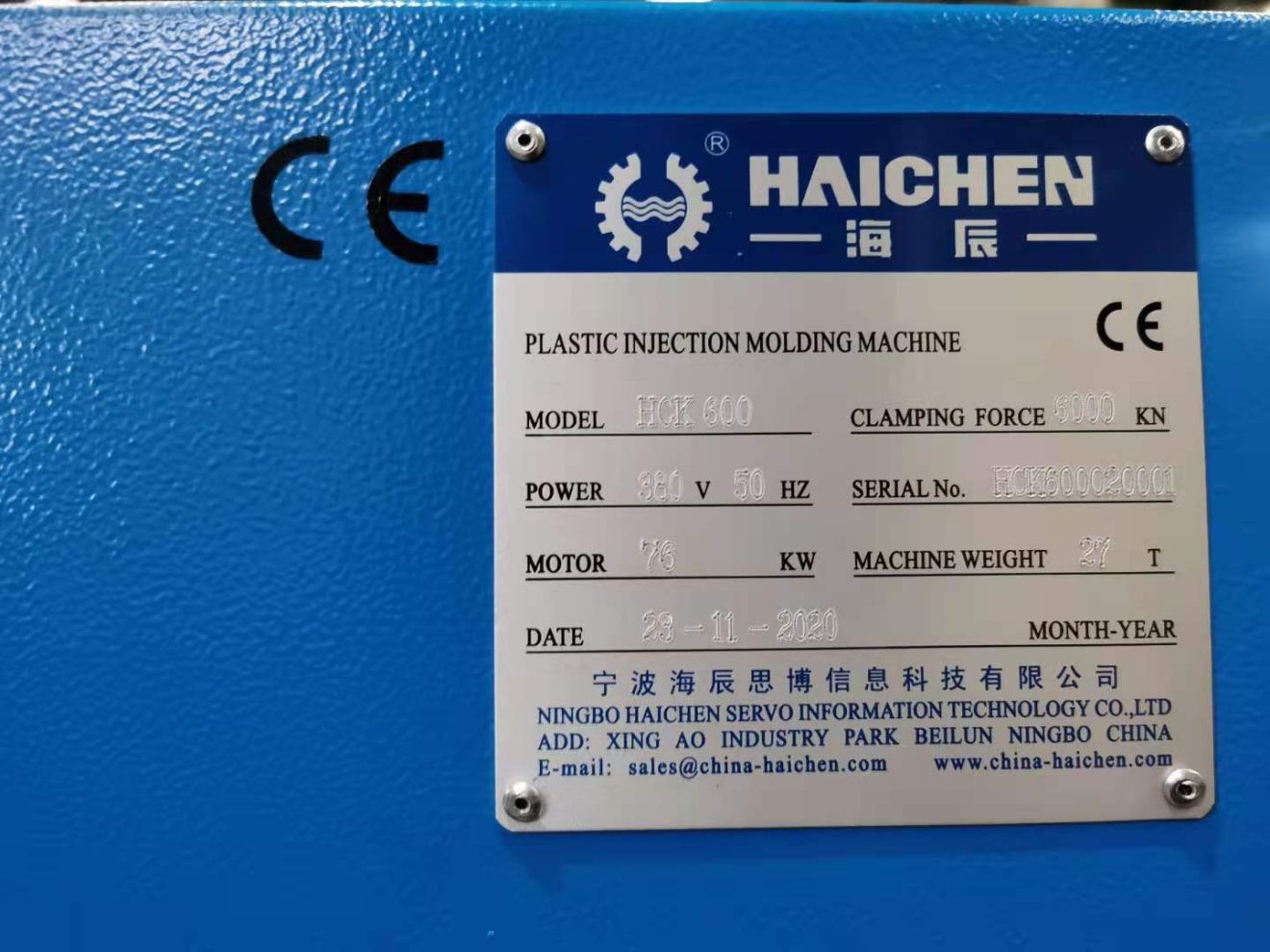
Performance and marking: Comply with functional standards and correctly affix the CE marking.
The specific test items for CE certification of injection molding machines
- Mechanical safety testing
- Electrical safety testing
- Thermal Energy Effect and Material Safety
- Environmental protection and energy efficiency testing
- Functional safety testing
Mechanical safety testing
Structural strength: Compressive resistance capacity of the mold closing system and stability test of the machine body.
Protective devices: Safety door interlock, grating response time, emergency stop button effectiveness (response time ≤0.5 seconds).
Operation control: The dual-hand start-up device is designed to prevent accidental touches (simultaneous triggering is required).
Electrical safety testing
Grounding continuity (resistance ≤0.1Ω), insulation resistance (≥1MΩ).
Verification of overload/short circuit protection function.
Thermal Energy Effect and Material Safety
Melt temperature control accuracy (within ±5°C).
The high-temperature resistance of the material (to prevent decomposition and release of toxic gases).
Environmental protection and energy efficiency testing
Noise level (≤85dB(A)).
Energy consumption indicators (such as power consumption per unit of output).
Functional safety testing
Control system fault simulation (such as automatic shutdown when PLC fails).
Effectiveness of the energy isolation device (locking the hydraulic/pneumatic system during maintenance).
List of documents required for CE safety standards
- Technical document (core)
- Compliance document
- Enterprise qualifications
Technical document (core)
Product technical specification sheet, assembly drawing, circuit diagram, hydraulic/pneumatic principle diagram.
Risk Assessment Report (EN ISO 12100 framework).
List of key components (including CE certificates, such as motors and relays).
Compliance document
User manual (Official language of the European Union, including operation/maintenance/warning information).
Declaration of Conformity (DoC) : A document in EU format signed by the manufacturer.
Enterprise qualifications
Business license (either an individual business or a company is acceptable).
ISO 9001 certificate (Factory inspection is required for high-risk injection molding machines).
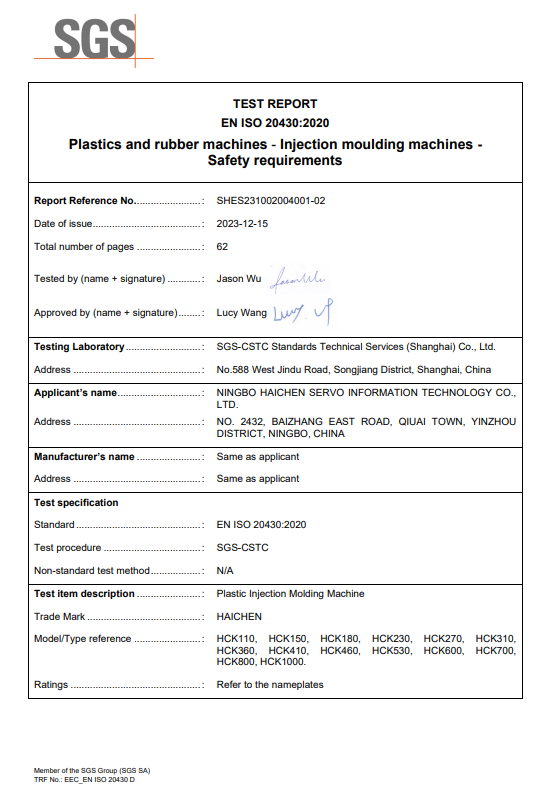
Haichen New CE Certification for injection molding machine
Our Haichen machinery received New CE certification from SGS according to the new EN standards EN ISO 20430:2020, EN 60204-1:2018, and EN ISO 12100:2010.
Please see the attached document.
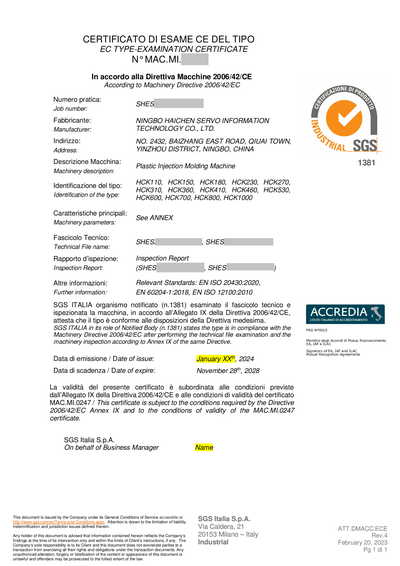
CE certification is a necessary condition for entering the EU market.
Which means that CE-certified injection molding machines can be freely circulated and sold in the member states of the European Economic Area.
This not only expands the market scope of the enterprise but also improves the international competitiveness of the products, thereby increasing sales.
CE certification requires that products meet EU safety, health, and environmental protection standards.
Which makes products more standardized and safe in the design, production, and packaging process.
This improved product quality and safety can increase consumer trust and improve corporate reputation, which in turn boosts sales.
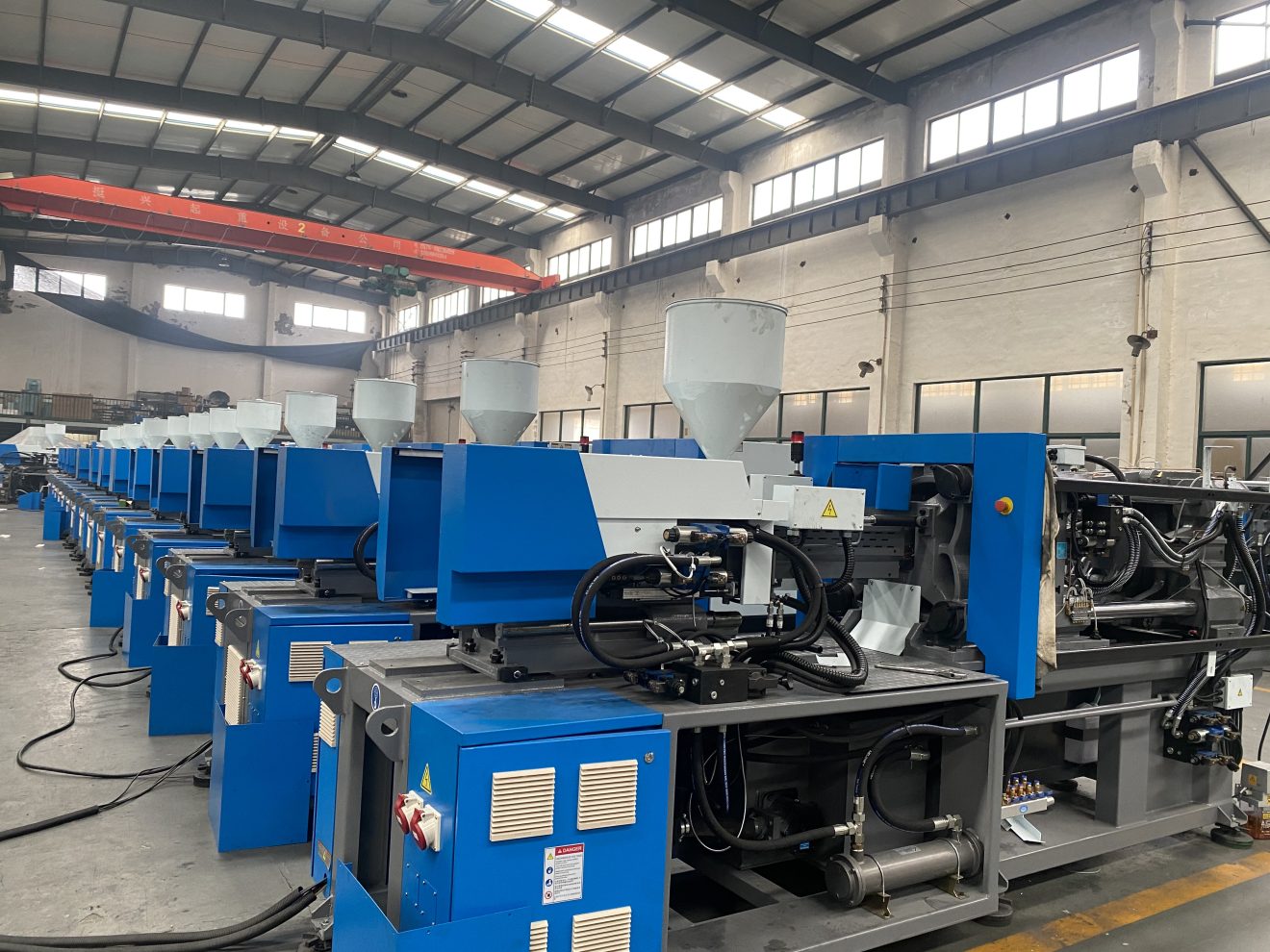
After obtaining CE certification, the design, production, and sales of Haichen injection molding machines are more in line with EU laws and regulations.
Reducing the risk of legal action caused by non-compliance with standards.
The specific process of CE certification of injection molding machine
- Preparation of technical documentation (TCF)
- Internal production control or self-certification
- Participation of the notified body
- Sign the Declaration of Conformity
- Affixing of the CE mark
- Quality system certification
- Factory audits
Preparation of technical documentation (TCF)
Manufacturers need to prepare complete technical documentation to prove that the product meets the essential requirements of the Directive.
These documents usually include design drawings, bills of materials, manufacturing process instructions, etc.
Internal production control or self-certification
Manufacturers can choose to conduct internal production control, i.e.
Conduct their own conformity assessment and document the results of the assessment.
This step requires manufacturers to ensure that their production processes and final products comply with the Directive.
Participation of the notified body
If the product does not have a harmonized European standard.
Or if the manufacturer chooses not to self-certify, a conformity assessment by the notified body is required.
This means that the manufacturer needs to submit the product to a designated third-party organization for testing and evaluation.
Sign the Declaration of Conformity
Regardless of the certification method chosen, the manufacturer will need to sign the Declaration of Conformity.
Confirming that the product complies with all relevant directives and standards.
Affixing of the CE mark
After completing the above steps, the manufacturer can affix the CE mark to the product.
Indicating that the product has passed the necessary conformity assessment and meets the safety.
Health and environmental requirements of the European Union.
Quality system certification
In order to obtain CE certification, manufacturing plants often need to pass ISO9000 ISO13485 quality system certification.
To ensure that their production processes and management systems meet international standards.
Factory audits
In some cases, it may be necessary to schedule a factory audit to verify that the manufacturer’s production capacity and quality management system are compliant.