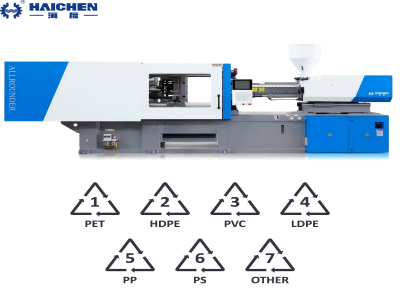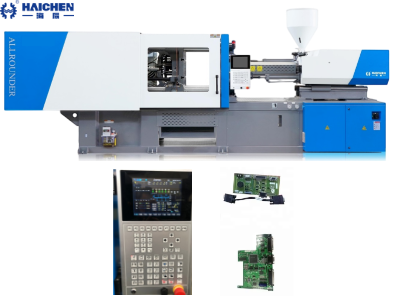
Plastic toy manufacturing machinery includes a wide range of equipment such as injection moulding machines, blow moulding machines, and rotomoulding machines. Injection moulding machines are the most commonly used machines for producing plastic toys. In the actual market, more than 50% of plastic toys are produced by injection moulding machines.
Role-playing toys, beach toys, construction toys, water guns, LEGO building toys, plastic model kits, sports toys, work toys, and other plastic toys are mostly produced by injection moulding machines.
The production of plastic toys involves various types of machinery depending on the toy’s design, material, and production scale like Toy injection molding machine.
Below we will carefully show you the advantages and disadvantages of these different devices.
The similarities and differences of various types of plastic toy equipment
Below are the primary machines and their applications,let’s check them out together:
- Injection Molding Machine
- Blow Molding Machine
- Vacuum Forming Machine
- Extrusion Machine
- Auxiliary Equipment
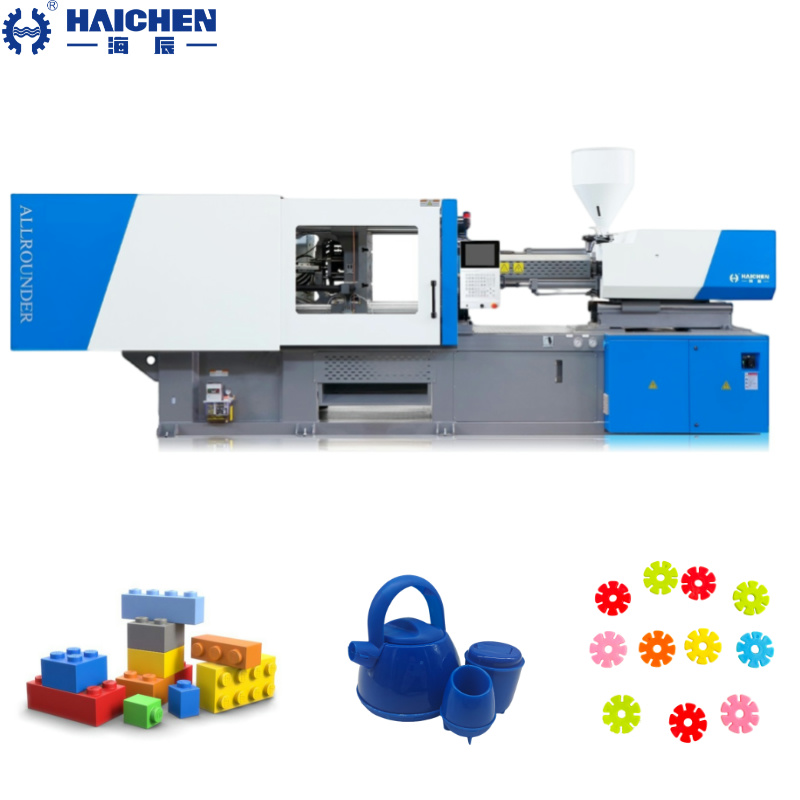
Injection Molding Machine
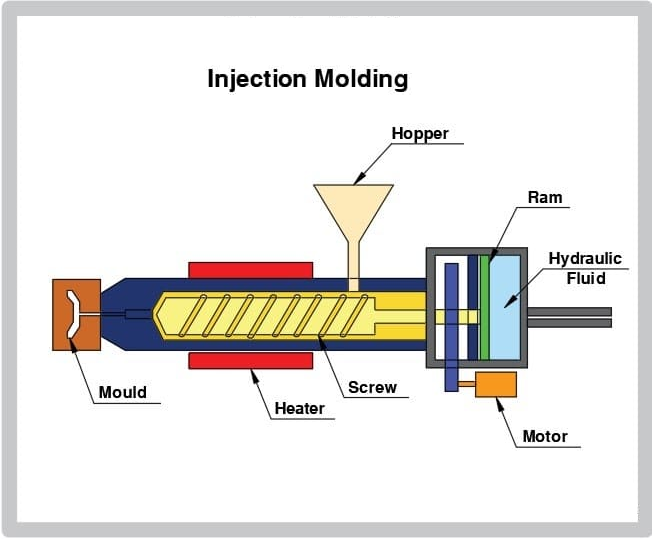
- Core Equipment: Melts plastic and injects it into molds to form parts, ideal for mass-producing complex shapes (e.g., building blocks, car models). Industry reports indicate that injection molding became a cornerstone for manufacturers of interlocking block toys.
- Process: Plastic pellets are melted, mixed with dyes, injected into molds, and cooled. These machines enable fully automated, high-efficiency production with consistent quality.
Blow Molding Machine
- Purpose: Creates hollow toys (e.g., plastic balls, doll bodies, containers). Specific models can produce toolboxes, trays, or large barrels.
- Types: Includes extrusion blow molding and injection blow molding, suitable for varying shapes and thicknesses.
Vacuum Forming Machine
- Application: Heats plastic sheets and molds them onto a surface using vacuum pressure. Ideal for small batches or customized items (e.g., decorative parts, irregularly shaped toys). Offers flexibility for rapid prototyping.
Extrusion Machine
- Use: Produces tubular or linear components (e.g., toy springs, hoses). Common setups include silicone extruders and PVC pipe production lines.
Auxiliary Equipment
- Vacuum Degassing Machine: Removes air bubbles from materials, critical for transparent or high-precision toys.
- Laser Drilling Equipment: Enables precise holes for interactive features.
- Pelletizing Equipment: Recycles plastic waste into reusable pellets for sustainable production.
Additional Techniques:
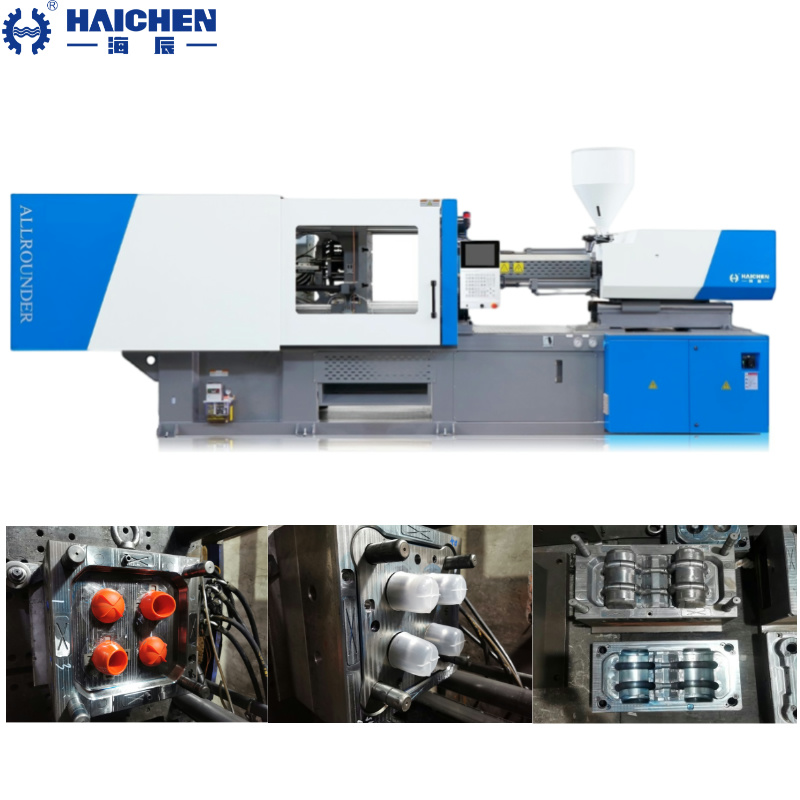
- Pad Printing: Transfers 2D designs onto 3D surfaces (e.g., facial details on building blocks).
- Rotational Molding: Distributes liquid plastic evenly by rotating molds, used for hollow parts (e.g., doll torsos).
Production Adaptation:
- B2B platforms offer injection and blow molding machines ranging from thousands to hundreds of thousands of dollars, catering to diverse needs.
- Some manufacturers provide fully automated injection molding machines with energy-efficient, eco-friendly features.
Injection molding is central to plastic toy manufacturing. Blow molding, vacuum forming, and extrusion machines supplement production based on product requirements. Auxiliary equipment enhances quality and functionality, while flexible machine combinations support both mass production and small-batch customization.
Technical advantages of plastic toys injection molding machines
The technical advantages of plastic toy injection molding machines can be summarized as follows, supported by multiple evidence-based points:
- High Production Efficiency and Automation
- Cost-Effectiveness
- Repeatability and Consistent Quality
- Complex Design Flexibility
- Eco-Friendliness and Energy Efficiency
- High Precision and Stability
- Durability and Longevity
- Minimal Post-Processing
- Rapid Response and Shorter Lead Times
- Material Versatility
High Production Efficiency and Automation
- Enables rapid mass production with automated robotic systems for fast and stable part ejection, significantly reducing cycle times. Servo-driven systems improve response speed by 50% compared to conventional machines.
Cost-Effectiveness
- Low per-unit costs in large-scale production. Servo energy-saving designs reduce electricity consumption by 20%-80%, lowering long-term operational expenses.
Repeatability and Consistent Quality
- Advanced control systems precisely regulate temperature, pressure, and injection speed, ensuring dimensional accuracy and compliance with safety standards. Closed-loop PID control and dual-linear rail designs enhance precision (±0.01mm tolerance).
Complex Design Flexibility
- Supports customized molds for intricate geometries (e.g., LEGO-like blocks, figurines). Easily adaptable to color/material changes (e.g., HIPS, PE, TPE) for diverse toy requirements.
Eco-Friendliness and Energy Efficiency
- Compatible with recyclable plastics; minimal material waste. Servo systems deliver hydraulic oil on demand, reducing energy loss. Integrated cooling systems shorten cycle times.
High Precision and Stability
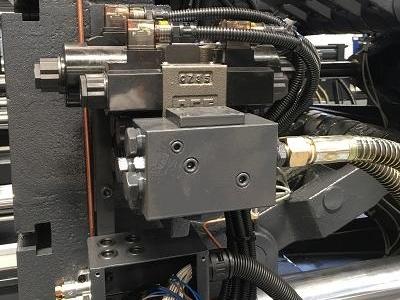
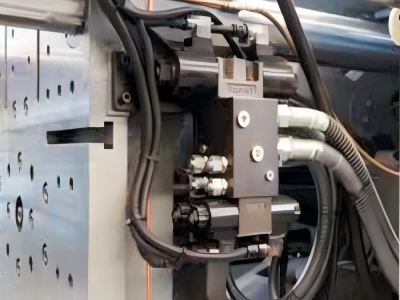
- FEM-optimized mold designs and dual-column/double-cylinder injection structures ensure balanced stress distribution. Reinforced tie bars and suspended lubrication systems prevent contamination.
Durability and Longevity
- High-rigidity mold plates, internal reinforcement structures, and premium components (e.g., Japanese seals, Italian servo motors) extend machine lifespan and reduce maintenance.
Minimal Post-Processing
- Finished parts require no additional surface treatments (e.g., polishing, painting), streamlining production workflows.
Rapid Response and Shorter Lead Times
- Servo systems achieve ultra-fast startup (e.g., 27ms response) and remote monitoring capabilities for quick troubleshooting, accelerating time-to-market.
Material Versatility
- Accommodates diverse polymers (PP, ABS, silicone, etc.), allowing tailored solutions for hardness, impact resistance, or eco-certifications (e.g., FDA, EN71).

plastic toy manufacturing process
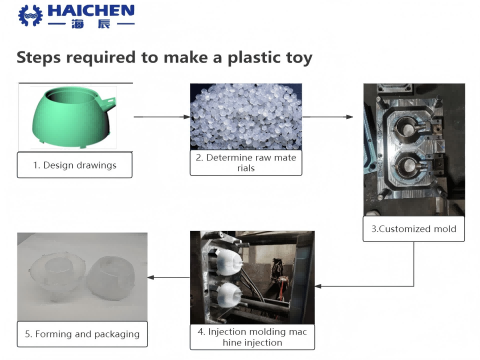
In summary, plastic toy injection molding machines excel in efficiency, precision, design flexibility, and sustainability, making them indispensable for both standardized mass production and creative custom toy manufacturing while optimizing cost and resource utilization.
Haichen Plastic Toy Injection Molding Machine
Haichen, a leading Chinese injection molding machine manufacturer, offers a comprehensive product lineup tailored for plastic toy production.
Below is a detailed analysis of our capabilities:
- Core Models & Applicability
- Material & Process Compatibility
- Key Technical Support
- Applications & Services
- Model Selection Guide
Core Models & Applicability
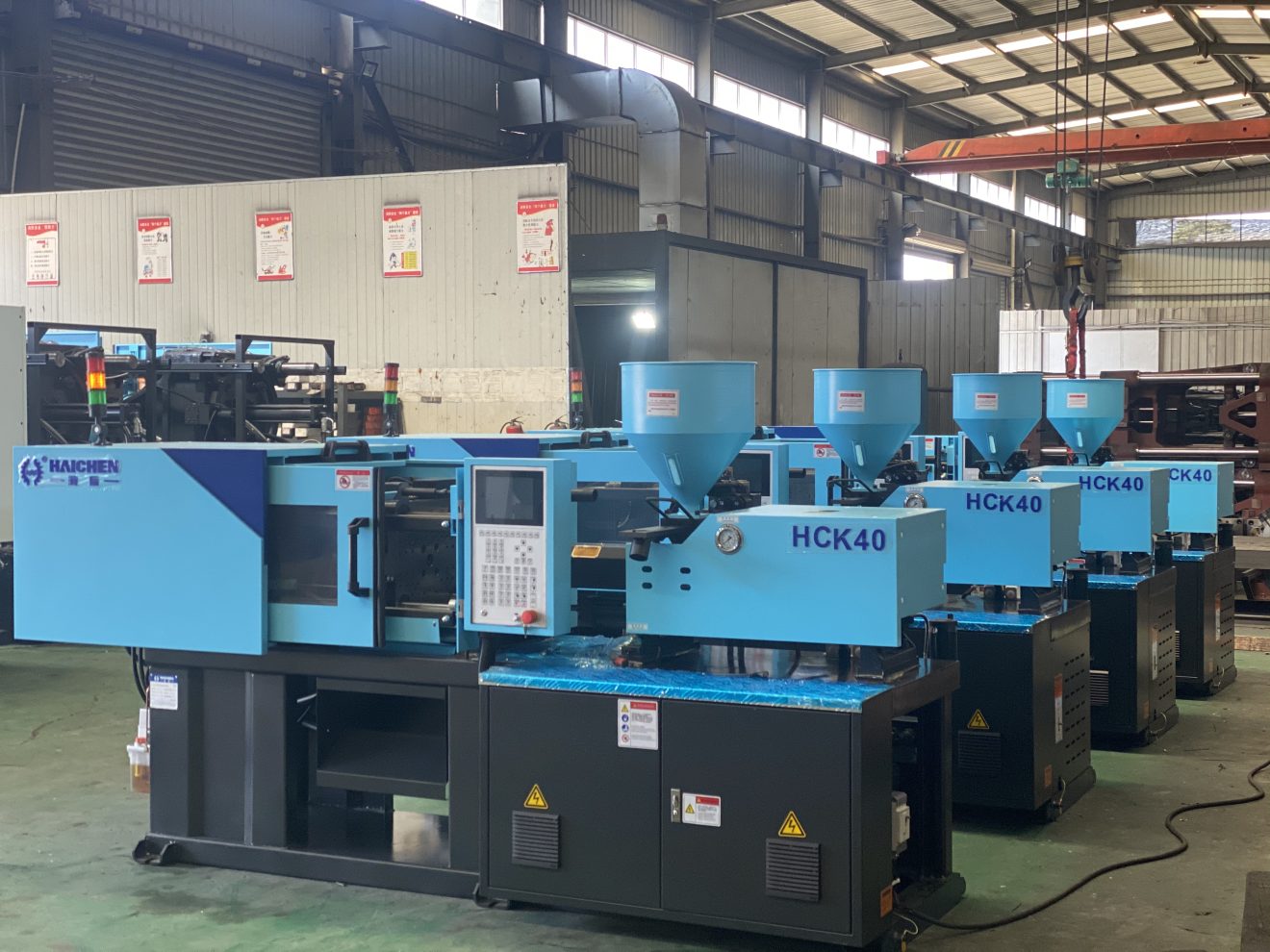
- E-Series Standard Machines
- Models: HCK100 (100 tons), HCK120 (120 tons), HCK150 (150 tons), etc.
- Features:
- Clamping force: 100–150 tons, ideal for small/medium toy components (e.g., building blocks, doll parts).
- Injection capacity: 106–246 g (polystyrene-based), covering most toy material needs.
- Servo-driven energy-saving system reduces power consumption by 15–70%, with multi-stage pressure/speed control to minimize defects like flash or deformation.
- HCK-Series High-Performance Machines
- Models: HCK700 (700 tons), HCK410 (410 tons).
- Features:
- High clamping force (e.g., 700 tons) suits large toys (e.g., vehicle frames, outdoor components).
- Five-point double-toggle clamping structure provides rigidity and large mold space (tie-bar spacing up to 970×920 mm), enabling complex mold designs.
- Servo Energy-Saving Series
- Advantages:
- Closed-loop servo control ensures ±2% repeat accuracy and up to 70% energy savings.
- High-speed injection (27–368 g/s) and rapid cycles (2–3 seconds) for thin-walled toys (e.g., miniature utensils, model parts).
Material & Process Compatibility
- Common Materials:
- PP/PE: Lightweight and durable for general-purpose toys.
- PLA Composites: Eco-friendly biodegradable materials (e.g., PLA + bamboo fiber), requiring specialized cooling to prevent warping.
- Process Control:
- Temperature & Pressure: PP processing at 165–200°C, injection pressure 500–1,500 bar, stabilized via multi-stage PID temperature control.
- Automation: Robotic part removal and in-mold labeling (IML) systems enhance efficiency and yield.
Key Technical Support
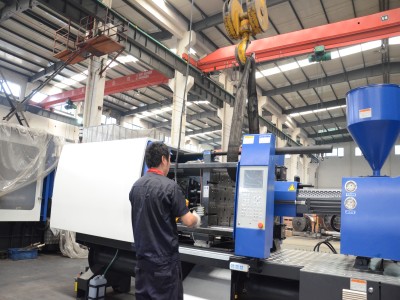
- Mold Design:
- Multi-cavity molds (e.g., 64 cavities) boost output for small parts.
- Modular molds allow quick changes for diverse toy designs.
- Quality Assurance:
- Warranty: 24 months for mechanical parts (platens, tie-bars), 12–18 months for hydraulics, and customized coverage for screws/barrels based on material abrasiveness.
- Inspection: Automated vision systems ensure ≥99.5% dimensional accuracy and surface quality.
Applications & Services
- Case Studies: Proven success in PET bottle caps and plastic furniture, adaptable to toy manufacturing.
- Custom Solutions: Mold optimization, production line setup, and on-site parameter tuning (e.g., injection speed, dwell time).
Model Selection Guide
- Small Toys: E-Series (e.g., HCE120: 120 tons, 148–213 g injection).
- Large/Complex Toys: HCK410 (410 tons) or HCK700 (700 tons) for high-pressure, large-scale molds.
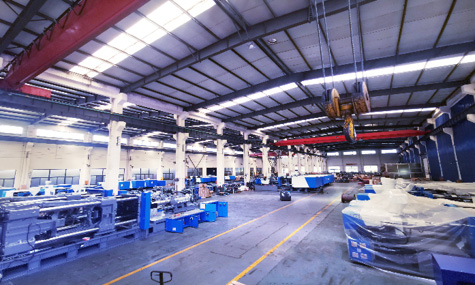
Haichen’s machines deliver precision, energy efficiency, and robust after-sales support, making them ideal for cost-effective, eco-friendly, and high-volume plastic toy production.