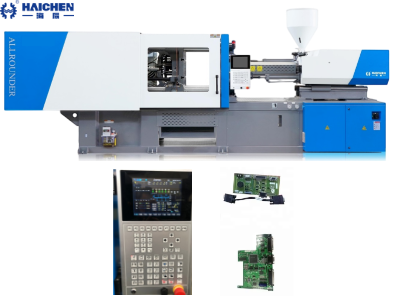
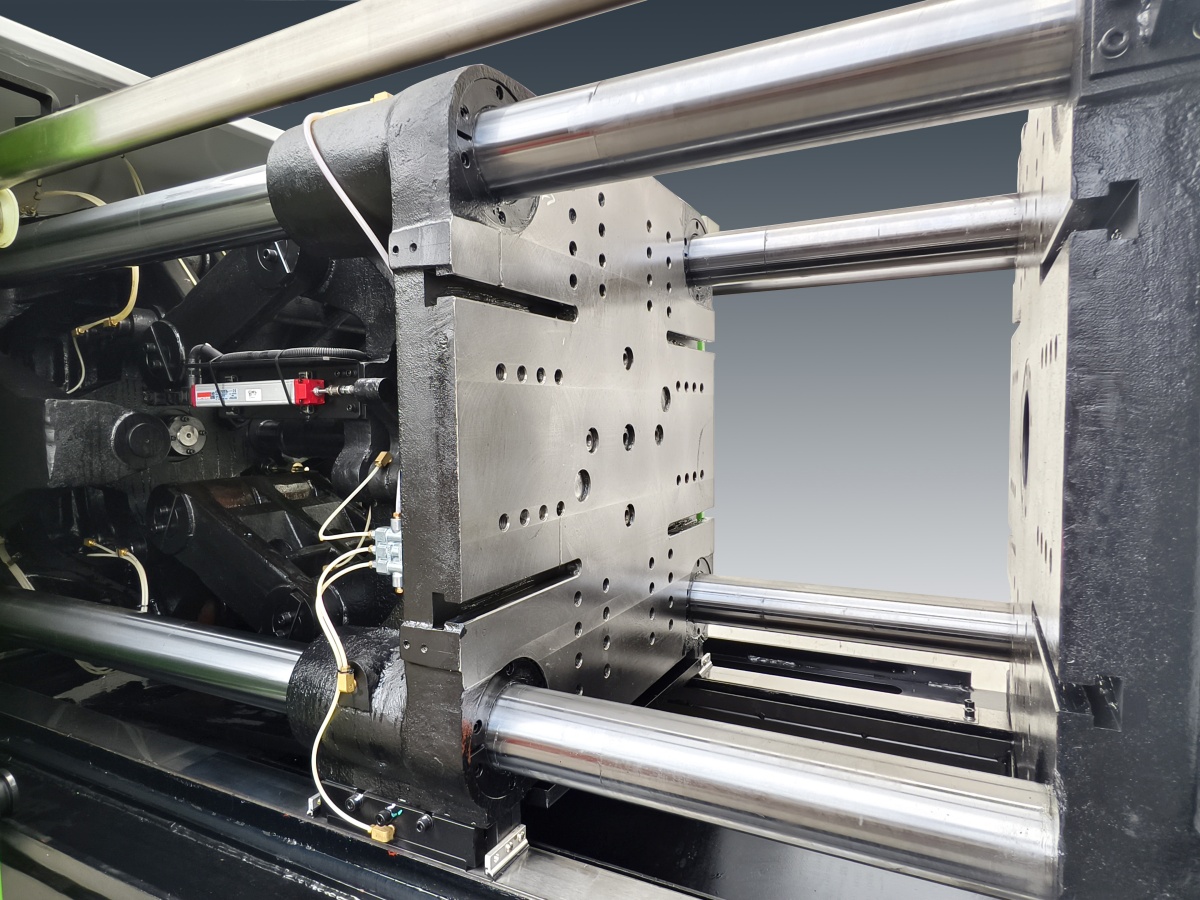
T-slots are precision-machined grooves with a cross-section showing the letter T on the fixed and moving templates of the clamping parts of the injection moulding machine.
T-slot is a mechanical structure design for fixing molds in Injection molding machine.Its core function is to provide a flexible and adjustable mold installation method.
Injection moulding machines of different tonnage sizes are designed to distribute a number of T-slots, but their cross-sectional dimensions tend to be standardised, as they will need to be used in conjunction with clamping platens at a later date.
Preliminary introduction to the analysis of injection moulding machine T-slot
Next, we explain the T-slot in detail from the point of view of its original design, functional purpose and use.
- Mold fixing function
- Quick mold change application
- Standardization and limitations
- Comparison with other processes
Mold fixing function
The T-slot is located on the template of the injection molding machine, and the mold is fixed to the machine by cooperating with T-bolts or other connectors.
This design allows the mold to be adjusted in the horizontal or vertical direction to meet the needs of molds of different sizes or shapes.
T-slots and fixing holes are the two main ways to fix molds, but fixing holes are more recommended.
Despite this, T-slots are still standardized as an optional solution, especially in scenarios where molds need to be changed frequently.
Quick mold change application
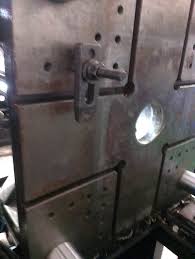
Haichen injection molding machines use a design that combines T-slots with T-plates to achieve quick mold change through interchangeable mold plates.
This structure simplifies the mold change process and significantly improves production efficiency.
However, this design is not suitable for stack mold injection molding machines, which require more complex multi-plate alignment mechanisms.
Standardization and limitations
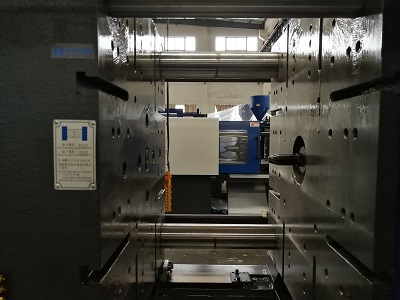
The size and arrangement of T-slots must comply with international standards (such as EUROMAP’s technical specifications).
For example, a specific area (such as 0.7e1×0.7e2) is defined on the template for arranging T-slots or fixing holes.
Magnetic or power-driven mold fixing systems (such as electromagnetic chucks) do not require T-slots.
Which further reflects the difference between traditional mechanical fixing methods and modern technology.
Comparison with other processes
In insert molding, T-shaped structures may appear in product design (such as the T-head of a screw).
But this is a feature of the final product, not a component of the injection molding machine itself.
T-slots in CNC machine tools (such as modular milling cutters from Iscar Tools) are for the process slots.
Which are different from the T-slots of injection molding machines and are only similar in name.
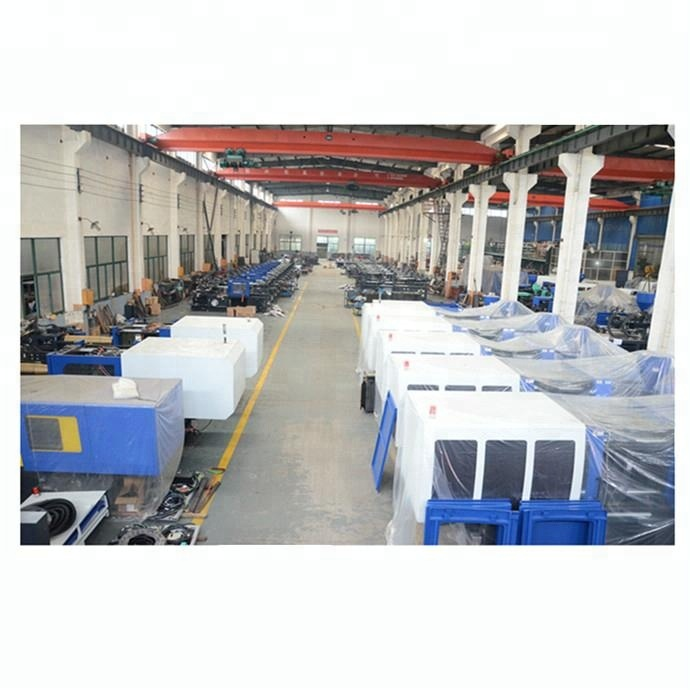
How to process the T-slot of injection moulding machine
The processing of injection moulding machine T-slot combines the machining technology.
Equipment characteristics and installation specifications, which is a more accurate machining process.
Haichen injection moulding machine for you to summarise the processing method of T-slot steps are as follows:
- T-slot machining method
- Application of professional processing equipment
- T-slot installation and functional design
- Precautions for processing and use
T-slot machining method
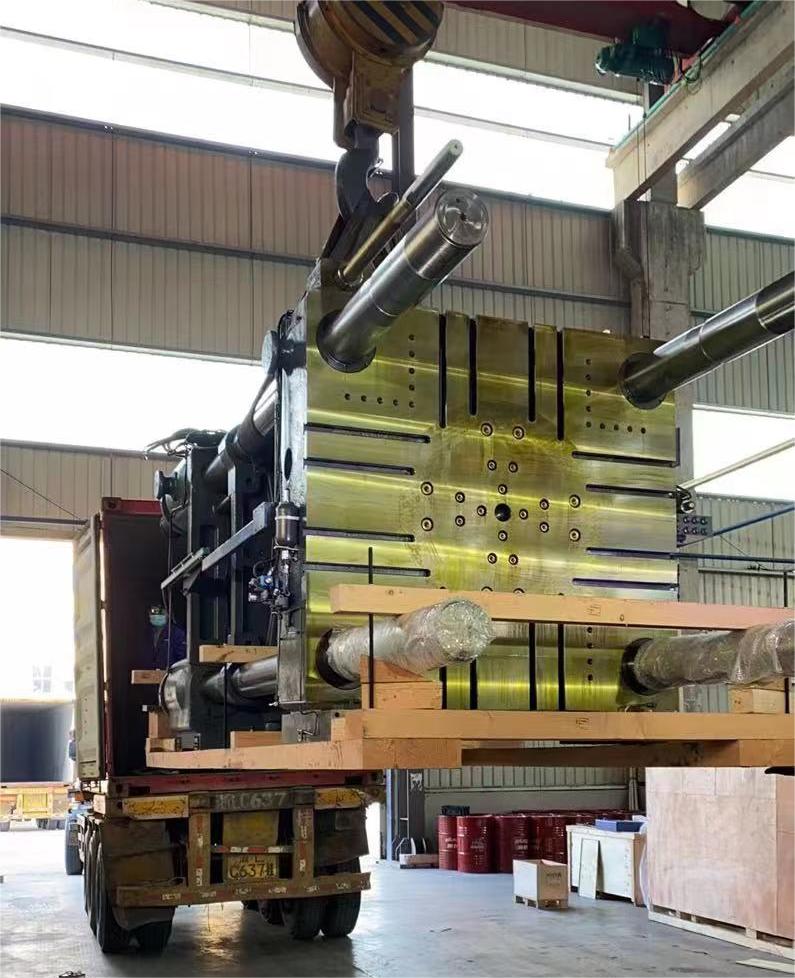
>Step 1: pre-processing bolt clearance slot
Use an end mill to mill a straight slot in the template to accommodate the bolt body. The width of the slot should be slightly larger than the diameter of the bolt body to ensure that the bolt can move freely but fit tightly.
>Step 2: Machining the T-slot body
Replace the special T-slot milling cutter, position it to the preset depth and mill the T-slot body under sufficient cooling conditions. If vibration is possible during machining, make sure the pre-machined straight groove is 1-3mm deeper than the T-slot to avoid tool shank interference.
Application of specialised machining equipment
>Direct machining without dismantling the formwork
This method avoids re-drilling and the long-term cost is lower than traditional screw hole machining.
>Efficiency advantages
Mould change can be shortened by 2 hours for injection moulding machines up to 200 tonnes, and save 3-4 hours for those above 200 tonnes, while reducing the risk of mould handling.
T-slot installation and functional design
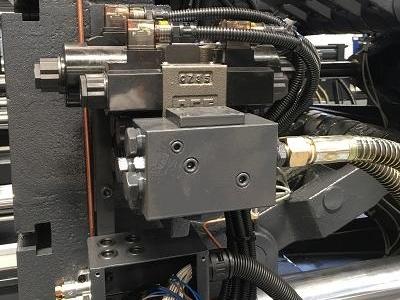
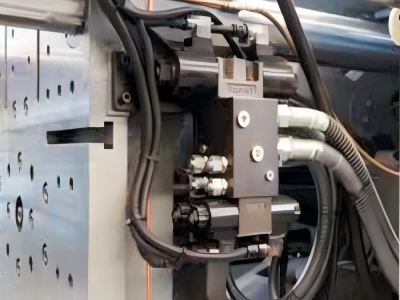
Hydraulic mould clamping mechanism integration
T-slots are often used in conjunction with automatic hydraulic clamping mechanisms (e.g. GLA models).
The system is hydraulically actuated for mould positioning, clamping and releasing and is equipped with travel switches to detect the position.
Key safety devices
Mould thickness detection: over-thickness detection prevents the mould from falling, under-thickness detection stops the transfer.
Limit pin and anti-tipping device: prevents the mould from tipping if it is over-travelled or over-opened.
Mould position confirmation: to ensure that the mould is correctly installed.
4. Precautions for processing and use
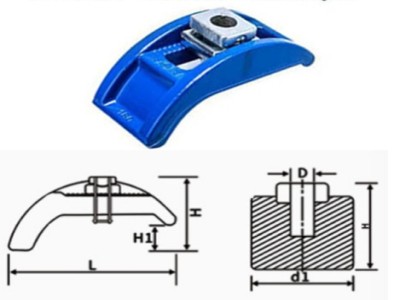
Parameter matching
Before processing, confirm the tonnage of the injection moulding machine, the number of slots required and the location of the machine.
The size of the T-slot should be matched with the thickness of the clamping part of the mould.
Maintenance Requirements
Regularly check the hydraulic system, limit device and lubrication system to ensure stable clamping force. The oil filtration accuracy should reach NAS8 to keep the system clean.
Structural Advantages
The combination of T-slot and high rigidity template design facilitates quick installation and positioning of the mould.
T-slot machining requires step-by-step milling, and priority is given to direct machining with special equipment to enhance efficiency and automation with integrated hydraulic clamping system.
The processing needs to match the tonnage of the equipment and the mould.
Processing needs to match the tonnage of the equipment and mould parameters, while regular maintenance and testing devices to ensure safety.
>The design significantly improves the efficiency of mould changeover and This design significantly improves the efficiency of mould changes and operational safety.
T-slot is a standardized mold fixing structure in injection molding machines.
Which enables flexible installation and quick replacement of molds through mechanical connection.
Although fixing holes are more recommended, T-slots are still useful in scenarios where mold position needs to be adjusted or molds need to be changed frequently.
Its design must follow industry specifications and may be used in combination with other quick mold change technologies (such as T-plates).
Welcome to leave a message, Haichen will answer more related process knowledge of injection molding machines for you.