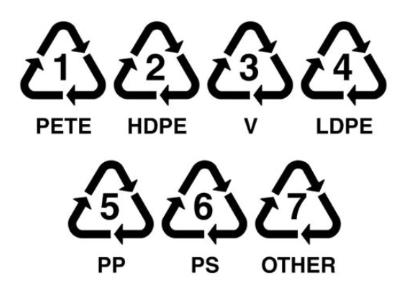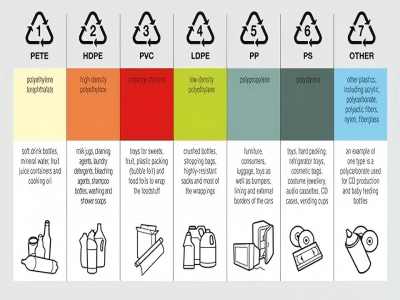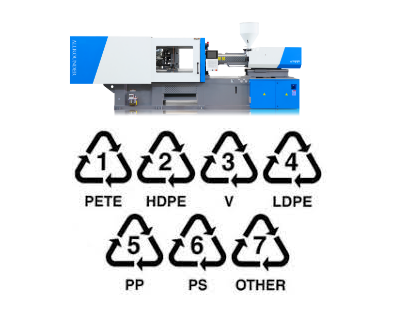
Types of plastic helmets mainly have hard shell helmts, soft shell helmets, hybrid helmets, sports helmets and so on.
Plastic helmet
The plastic helmet is a type of protective equipment. It was made of a variety of engineering plastics. And the plastic helmet widely uses in construction, transportation, sports and other fields.
Plastic helmets are usually made of modified plastics such as ABS (acrylonitrile butadiene styrene) or PC (polycarbonate). These helmet plastic have good impact resistance, heat resistance and processing performance. In addition, some plastic helmets also use EPS (polystyrene foam) as lining to enhance shock absorption. Some high-end plastic helmet may combines ABS and EPS materials to improve overall performance.
There are many types of plastic helmets. We can divide them into the following categories according to different material and application:
- Hard shell helmets
- Soft shell helmets
- Hybrid Helmets
- Sports helmets
- Special purpose helmets
- Multifunctional helmets
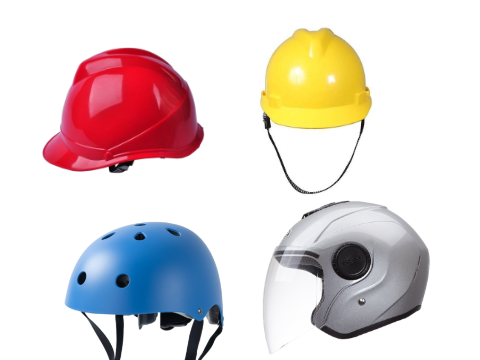
Hard shell helmets
These helmets have a strong plastic shell, usually made of polycarbonate (PC) or acrylonitrile butadiene styrene (ABS) for plastic helmets
And hard shell helmets widely uses in construction, industry, and motorcycles for their excellent impact resistance and durability.
The hard shell plastic helmet features a high-strength engineering plastic shell as its core feature, and achieves protection through a double-layer or multi-layer composite structure:
Shell material: impact resistant plastic covering the entire outer layer of the helmet, plastic helmets materials include:
ABS (acrylonitrile butadiene styrene copolymer)
high strength, good toughness, low cost, widely used in skateboarding and skiing helmets.
PP (polypropylene)
Lightweight and resistant to chemical corrosion.
PC (polycarbonate)
high transparency, heat and cold resistance, suitable for helmets that require transparent components (such as integrated design of goggles).
Reinforced composite materials such as glass fiber (lighter and stronger than ABS), carbon fiber (top lightweight choice), Kevlar (bulletproof application), used in high-end or professional fields.
Buffer layer:Internal webbing structure
Absorbs impact energy through extensibility to prevent direct contact of the shell with the head.
EPS (Expanded Polystyrene) lining
glued to the inside of the shell, providing energy absorption and shock absorption.
Comfort system: adjustable pads (such as TUNED FIT system), antibacterial lining, ventilation design.
Applicable scenarios
- Rock climbing: Hard shell helmets are suitable for rock climbing activities, especially for scenes that require comprehensive protection of the head and sides.
- Mountain sports: Hard shell helmets are widely used for outdoor activities such as mountain biking and skiing, providing excellent impact protection.
- Commercial facilities such as climbing gyms and adventure parks, hard shell helmets are widely used due to their durability and ease of cleaning.
- Military and law enforcement: Hard shell bulletproof helmets are used by military and law enforcement personnel to provide protection against bullets, debris, and explosives.
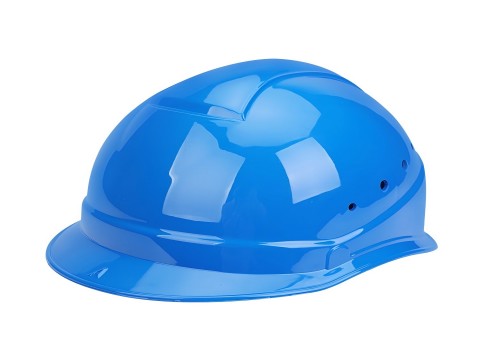
Soft shell helmets
Soft shell helmets typically have a thin polycarbonate shell combined with an expanded polystyrene (EPS) foam core to absorb energy and disperse impact forces.
Moreover, these helmets are lightweight and relatively inexpensive, making them suitable for everyday use and recreational activities.
Material
The material of a soft shell helmet usually includes a low-density VN layer, a high-density VN layer, and a flexible shell. The low-density VN layer, as a cushioning material, has the characteristics of softness and high compression rate, and is used to absorb high-energy impacts; The high-density VN layer provides strong and resilient impact protection; The flexible shell is made of specially formulated plastic, which can deform together with the VN layer without cracking. In addition, the shell material of soft shell helmets is usually mainly ABS resin, polycarbonate (PC) or PC/ABS alloy, which have good impact resistance and weather resistance.
Structure
The structure of a soft shell helmet is usually divided into three parts: a low-density VN layer, a high-density VN layer, and a flexible outer shell. The low-density VN layer is used to absorb high-energy impacts, while the high-density VN layer provides primary impact protection, and the flexible shell can adapt to different head shapes and provide comfort. In addition, the structure of soft shell helmets can be subdivided according to their purpose and scene requirements, such as high breathability, low waterproofness, and insulation, or low breathability, high waterproofness, and insulation.
Applicable scenarios
- Soft shell helmet: suitable for activities that require high weight and breathability, such as cycling, skateboarding, flag ball, etc., lightweight and well ventilated.
- Full helmet: suitable for high-risk activities such as skiing, mountain biking, motorcycle downhill, etc., providing comprehensive head and face protection.
- Half helmet: suitable for low-intensity activities or summer use, such as leisure cycling, beginner skiing, etc. It has good ventilation but weak protection.
Soft shell helmets have advantages in portability and breathability, making them suitable for scenarios that require high weight and comfort; Full helmets and half helmets have their own emphasis on protection, with full helmets providing the most comprehensive protection and half helmets suitable for low-intensity activities.
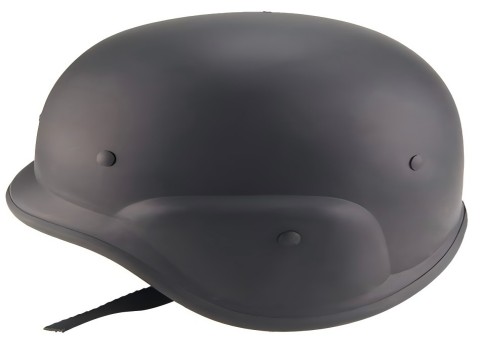
Hybrid Helmets
Hybrid helmets combine the advantages of hard shell and soft shell helmets. The outer layer usually adopts ABS plastic, and the inner layer uses EPS foam to provide cushioning performance.
Furthermore, this design makes the helmet both strong and light, suitable for a variety of occasions.
Hybrid helmets are innovative protective equipment that combine the advantages of hard shell helmets and in mold helmets. Its design goal is to balance lightweight, impact resistance, durability, and ventilation performance through the synergistic optimization of
Materials and structures
- Shell: Made of high rigidity and penetration resistant ABS plastic (acrylonitrile butadiene styrene copolymer), providing external impact resistance and structural support.
- Lining: EPP/EPS foam layer (foamed polypropylene/foamed polystyrene) is built under the shell to absorb the impact energy through the collapse of foam and reduce the stress on the head.
- Design philosophy: The top adopts a hard shell structure to defend against vertical falling objects, while the sides and back of the head area use injection molded soft shells to reduce weight and improve fit.
Applicable scenarios
- Ice and snow sports: skiing, snowboarding (requiring resistance to low temperature brittleness).
- Cycling and Climbing: Cycling, Climbing (with a focus on lightweight and breathability).
- Professional rescue: firefighting, mountain search and rescue (requiring multiple impact protection).
- Children and group equipment: schools, clubs (high durability reduces replacement frequency).

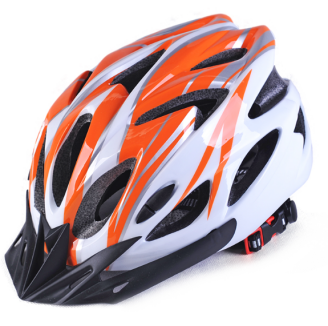
Sports helmets
Sports helmets are designed according to different sports needs.
For example, football helmets usually use polycarbonate shells and lined with foam to withstand high-speed collisions.
While, motorcycle helmets usually use thicker protective layers and aerodynamic designs to improve safety when driving at high speeds.
The material and structural characteristics of various types of sports helmets are as follows:
Texture of material
- EPS (polystyrene foam): commonly used as the buffer layer of helmets, it has good energy absorption performance and can absorb the impact force during impact. EPS materials are divided into primary foaming and secondary foaming. Primary foaming has high density and hardness, making it suitable for high-end helmets; Secondary foam has low density, low hardness, and is inexpensive, widely used in various helmets.
- ABS (Acrylonitrile Butadiene Styrene): A thermoplastic polymer material with high strength, good toughness, and strong impact resistance, commonly used for the shell of helmets, providing good impact resistance and durability.
- PC (polycarbonate): It has excellent impact absorption capacity and heat resistance, and is commonly used in helmet shells and goggles to provide clear visibility.
- Carbon fiber: characterized by high strength and lightweight, commonly used in high-end helmets such as racing helmets and motorcycle helmets, providing excellent protective performance.
- Fiberglass: commonly used in the shell of helmets, providing good impact resistance and heat resistance.
- Kevlar fiber: With extremely high impact resistance and wear resistance, it is commonly used to manufacture bulletproof vests and can also be used as a reinforcement structure for helmets.
Applicable scenarios
- Climbing helmet: suitable for high-risk activities such as mountaineering and rock climbing, providing comprehensive protection while emphasizing ventilation and comfort, suitable for long-term wear. Its design typically uses sturdy materials such as ABS plastic to withstand high-strength impacts.
- Skateboard and bicycle helmets: lightweight, breathable, and have some impact resistance, suitable for skateboarding and cycling. For example, skateboard helmets usually use dense foam cones to disperse impact, while bicycle helmets focus on aerodynamics and ventilation.
- Ski helmets: divided into single board and double board (half helmet and full helmet), suitable for skiing sports. Full helmets provide more comprehensive head protection, while half helmets focus more on aerodynamics and ventilation.
- Motorcycle helmets: including road helmets, off-road helmets, and dual-purpose helmets, suitable for riding motorcycles and electric vehicles. Motorcycle helmets typically use high-strength materials such as fiberglass and carbon fiber to provide excellent protection.
Special purpose helmets
Such as fire helmets and medical helmets, these helmets are usually made of glass fiber reinforced thermosetting plastics.
With anti-aging, chemical corrosion resistance and high temperature protection characteristics.
Multifunctional helmets
Modern helmet designs are increasingly focused on multifunctionality.
Such as with masks, earplugs, reflective strips and other accessories to improve the safety and comfort of the wearer.
So there are many types of plastic helmets, and each type of helmet has its own unique material selection and design features to meet safety needs in different scenarios.
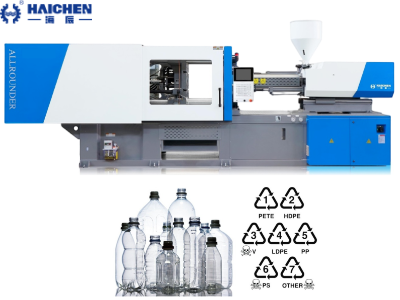
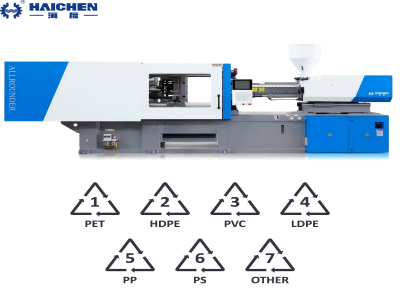
Plastic helmet injection molding machine of Haichen
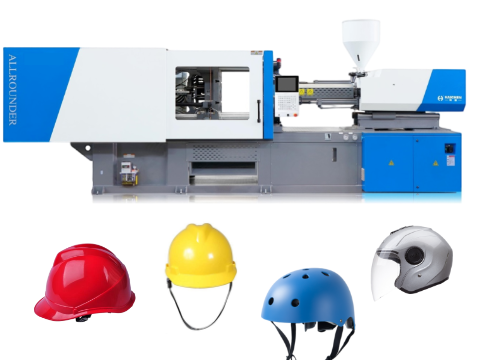
We are Haichen, one Chinese injection molding machine manufacturer in Ningbo city for more than 10years. Our servo energy saving injection molding machines quality are under CE safety standards certificated.
Haichen have rich experience of producing plastic helmet injection molding machine ,with successfully cases for your reference. We can supply complete plastic helmt production line as per customer’s specific demand.
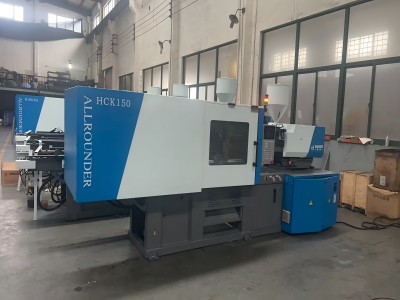
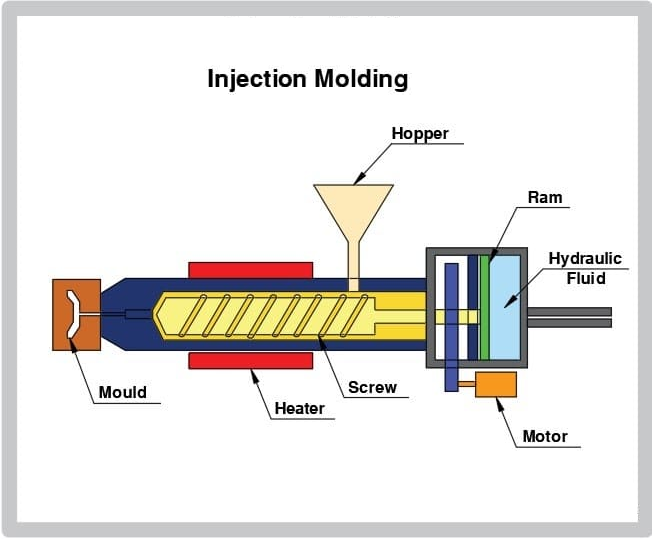
In short, a nozzle heating band for an injection molding machine is a key component to ensure that the plastic material maintains the appropriate temperature during the injection molding process. It helps to improve product quality and production efficiency.
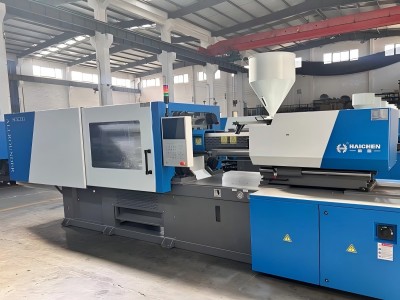
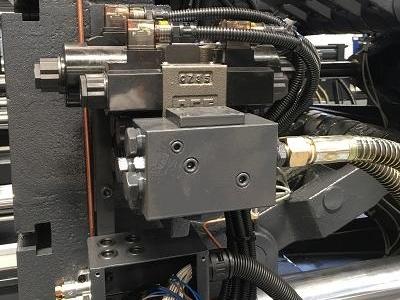
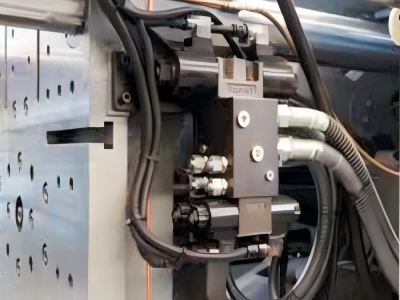
With more than 10years professional production experience, we supply stable hydraulic clamping cylinder structure and hydraulic clamping system.Thus it can ensuare production effeciency and product quality.
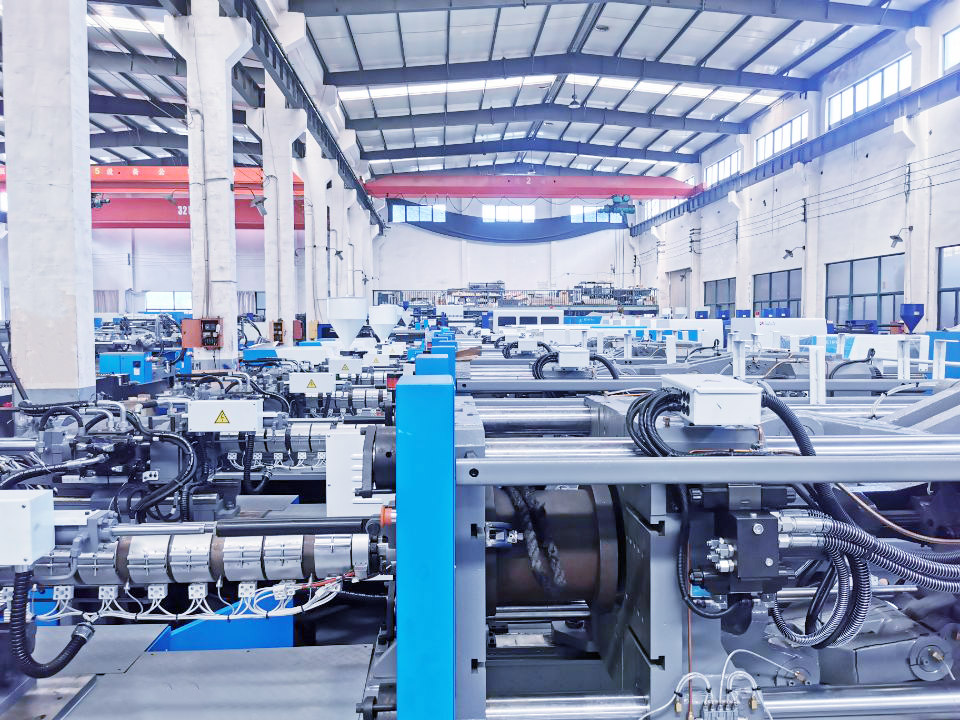
Haichen have rich experience of producing plastic products, with successfully cases for your reference. We can supply complete production line as per customer’s specific demand.
Consider the above. You can choose a suitable plastic helmets injection molding machine and mold to ensure product’s quality and production efficiency.
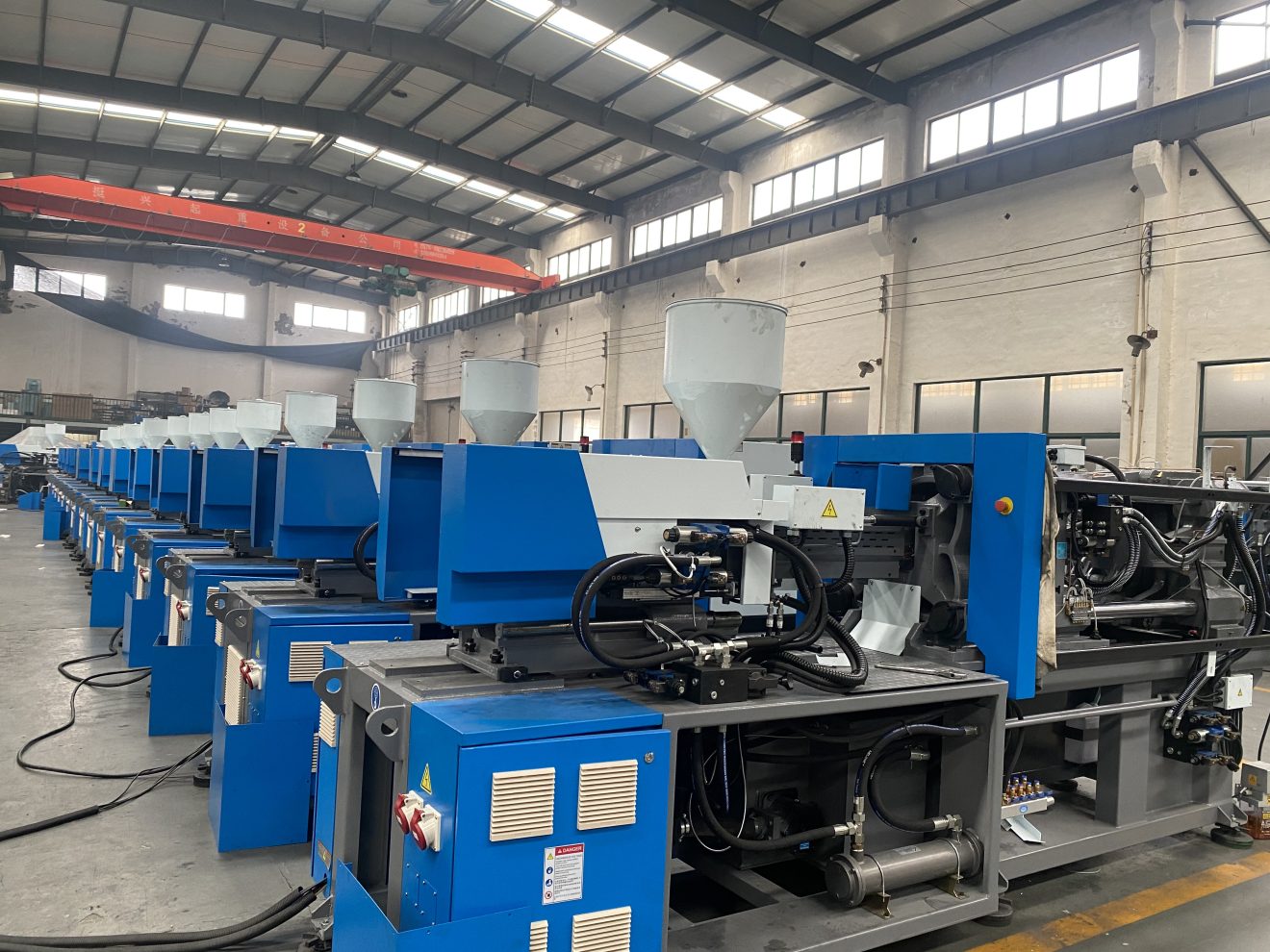
Haichen will try our best to help our customers to develop a reasonable and efficient control of the cycle time of the injection moulding process according to the specific situation of each customer’s plastic products, including plastic raw materials, mould structure design, and other factors.
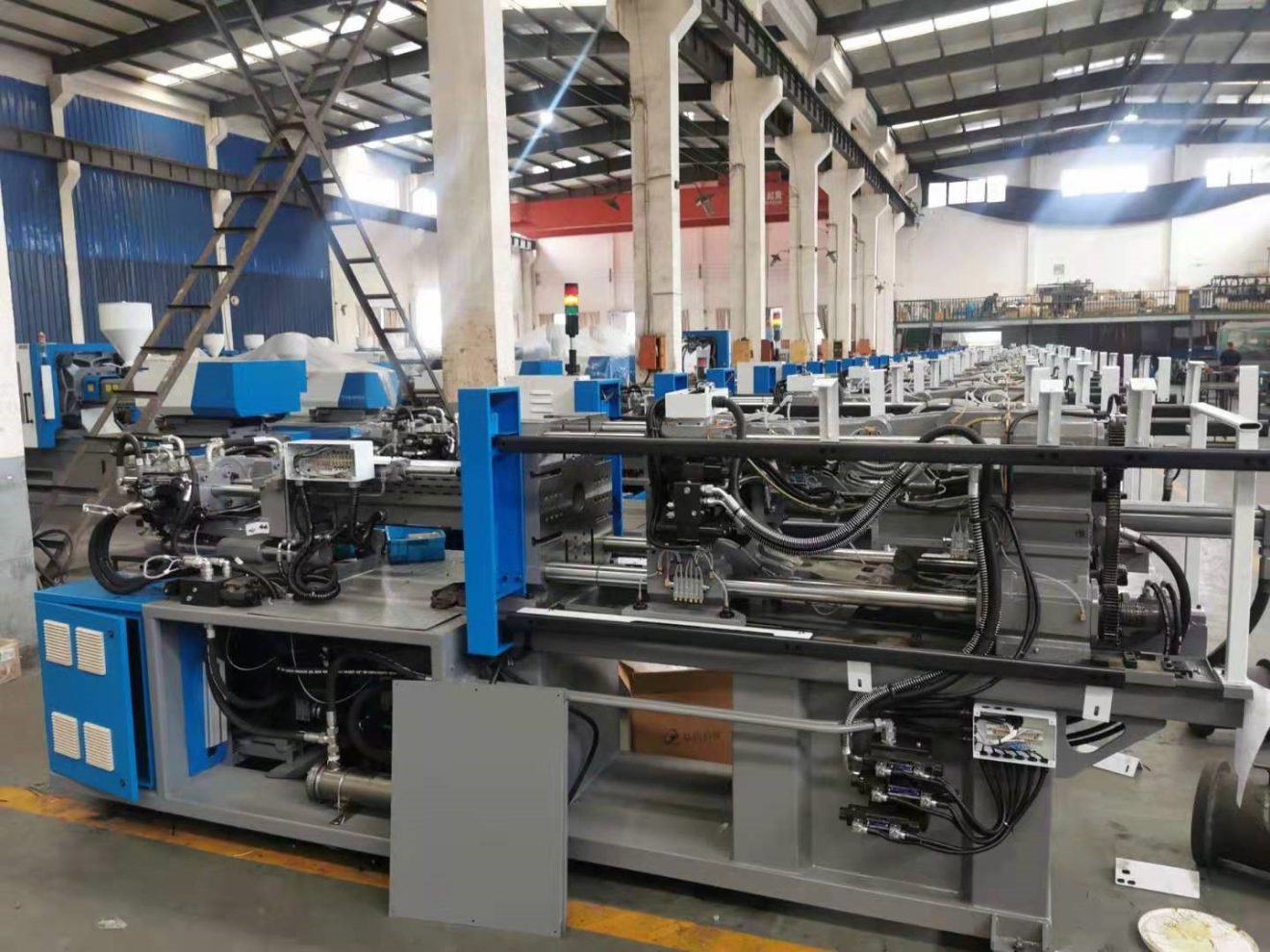
Welcome contact us!