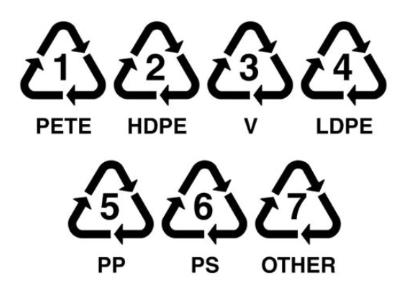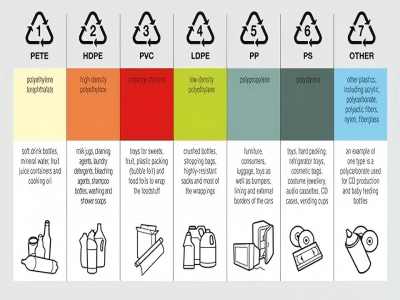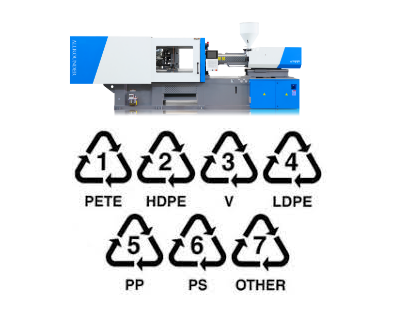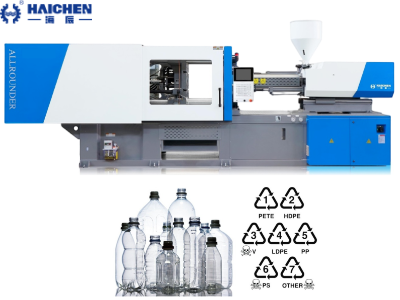
Materials for plastic helmets mainly includes ABS, PC and PE, etc. When manufacturing plastic helmets, a variety of materials are used to ensure the safety, durability, and comfort of the helmet.
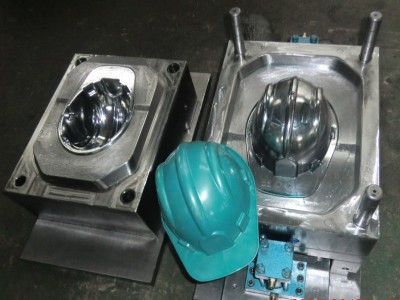
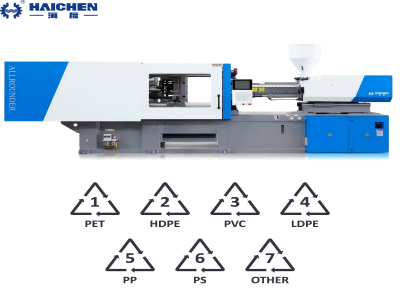
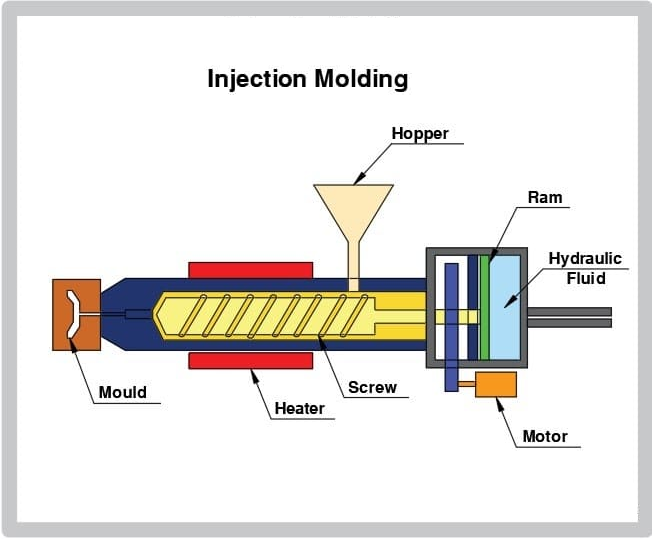
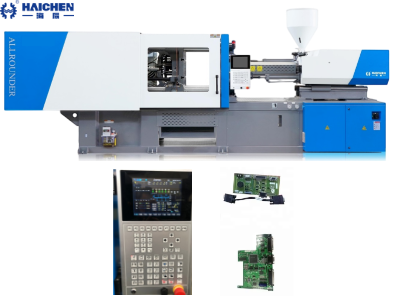
The injection molding machine for plastic helmets is a device specially used to produce plastic helmets. Its main function is to heat and melt the plastic raw materials through the injection molding process, inject them into the mold, and cool and solidify them to form the shape of the helmet.
Plastic helmets are typically made from a variety of materials, each chosen for its specific properties such as impact resistance, durability, and weight. Here are the common materials used in plastic helmet manufacturing:
Materials for plastic helmets
ABS Plastic:
- ABS (Acrylonitrile Butadiene Styrene) is a commonly used thermoplastic with good impact and abrasion resistance.
- It is widely used in the manufacture of helmet shells due to its relatively low cost and ease of processing.
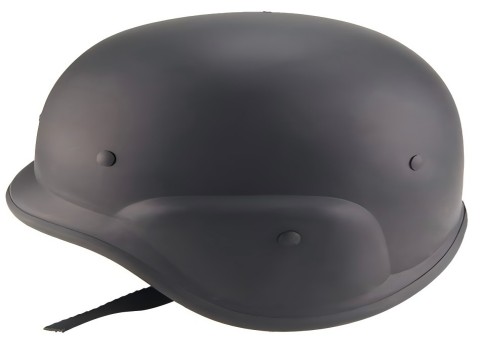
PC Plastic of materials for plastic helmets:
- PC (polycarbonate) is a high-strength, high-toughness material with excellent impact and heat resistance.
- We commonly use PC plastic to manufacture helmet visors and shells, favoring it for its transparency and good insulating properties.
PE Plastic:
- PE (polyethylene) is a flexible and durable thermoplastic commonly used in the manufacture of cushioning and wearing gear for helmets.
PC/ABS Alloy:
- PC/ABS alloy is a modified material made by mixing two materials, PC and ABS, which combines the high strength of PC with the easy processability of ABS.
- We widely use this material in the manufacture of safety helmets, favoring it for its excellent impact resistance, heat resistance, and chemical resistance.
Other plastics:
- Manufacturers use PET (polyethylene terephthalate) and other thermoplastic resins in helmet production.
What is the most common plastic material used in manufacturing of helmet
The most common plastic material used in the manufacturing of helmets is ABS (Acrylonitrile Butadiene Styrene).
Why ABS is Popular for Helmets:
- Impact Resistance – ABS is tough and absorbs shock well, making it ideal for protecting against impacts.
- Lightweight – It provides good strength without adding excessive weight.
- Durability – Resistant to wear, weather, and minor abrasions.
- Cost-Effective – Cheaper than high-end composites like carbon fiber while still offering good protection.
Haichen Plastic helmets injection molding machine
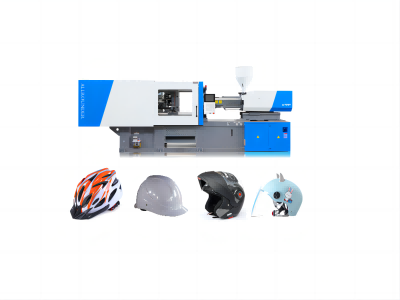
Haichen is an injection molding machine factory from Ningbo, China, mainly supplying injection molding machines, molds and auxiliary machines for injection molding machines. We have rich experience in producing helmets of various types and materials.
The production of plastic helmets with Haichen injection molding machines has several advantages:
High precision and repeatability:Haichen Injection molding machines ensure consistency and accuracy in the production of parts, which is important for helmets that require precise dimensional and weight control.
Wide range of plastic options: Haichen injection molding machine can use a variety of plastic materials, such as PC ABS alloy material, which has higher strength and toughness than ordinary ABS resin materials, especially suitable for the production of helmets.
High production efficiency: Haichen injection molding process can complete the production of multiple helmets in a short time, and each helmet mould takes about 60 seconds, which greatly improves the production efficiency.
Therefore, we select plastic helmets materials based on specific application requirements and budget constraints. We more commonly choose ABS and PC, and we widely utilize PC/ABS alloys due to their cost-effective properties. But for applications requiring greater safety and light weighting, composites may be a better choice.