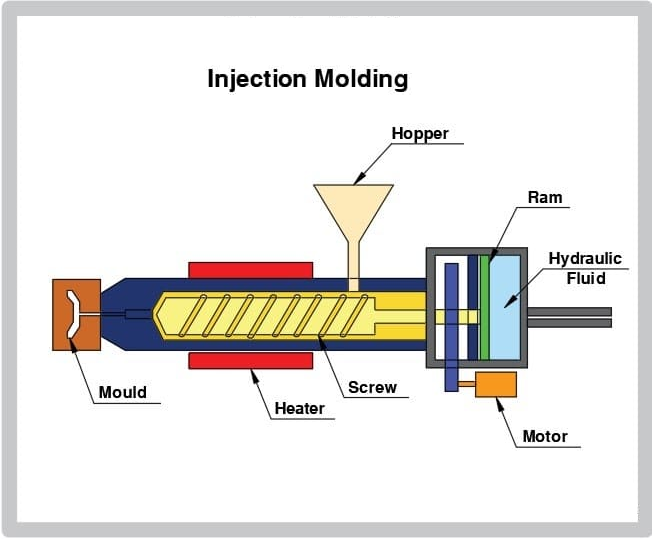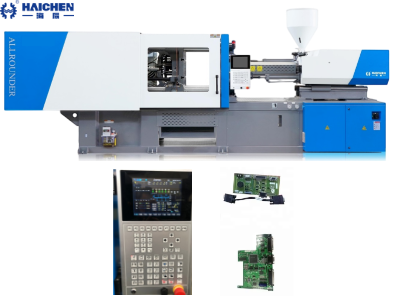
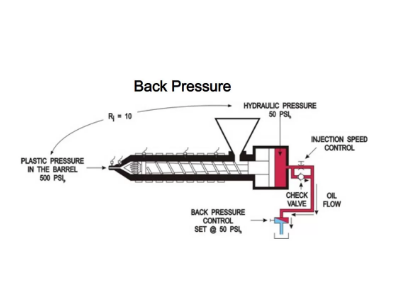
Back pressure in injection molding refers to the reverse pressure applied by the hydraulic system of the injection molding machine through the return throttle valve when the screw retreats in the pre-molding stage.
Which is used to compact the melt and control the speed of the screw movement.
Back pressure in injection molding is the resistance encountered by the injection screw as it moves backward during the plasticizing process.
Pushing the molten plastic forward through the non-return valve and into the mold.
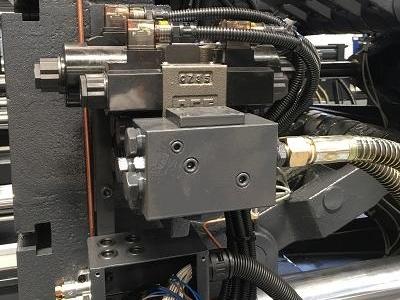
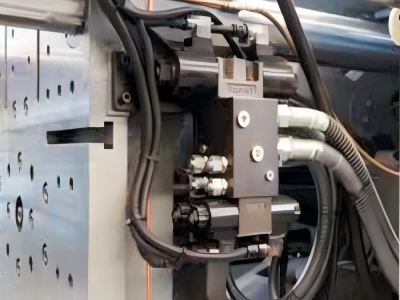
It’s a crucial parameter for ensuring a consistent melt and proper filling of the mold, and it’s typically controlled by adjusting the hydraulic pressure on the injection unit.
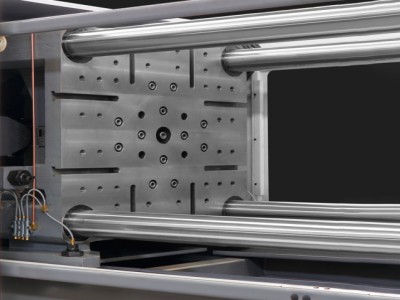
What is Back Pressure?
Back pressure in injection molding, also called plasticizing pressure, is a normal result of melting and molding plastics via injection molding.
The material is pushing back against the injection screw as the material is mixed and pushed forward.
The back pressure is generated by the metering section of the mixing screw.
It is possible to control the hydraulic back pressure during the injection molding process.
The back pressure settings typically start at fifty PSI and increase in ten PSI increments.
The maximum hydraulic pressure for the equipment is normally 300 PSI.
You rarely want pressures higher than this, since it can shear the plastic and cause thermally degraded plastic.
This will alter the mechanical properties of the molded part.
The parts may be brittle, and they’re more prone to fail.
Back pressure is different from the injection pressure, the pressure at which the mold fills.
This initial phase is commonly termed first-stage pressure.
After molten plastic fills the mold, the system maintains holding pressure until either gate solidification occurs or a timer triggers release.
Meanwhile, clamp pressure actively secures the mold halves against separation.
Crucially, this clamping force must exceed the internal pressure generated during material injection to prevent mold opening.
The clamp pressure force will depend on the material type and depth of the part.
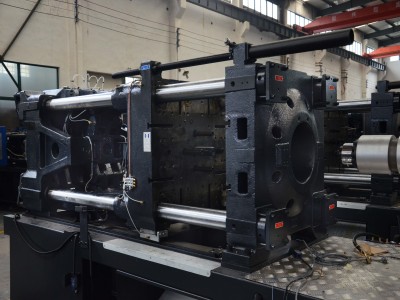
Back pressure plays a central role
Improved melt quality
Promotes melting and mixing homogeneity of plastics by increasing shear force, reducing bubbles and volatiles.
Stabilize the molding process
Ensure the stability of the injection amount, product weight and size, and avoid surface defects (such as air splash and shrinkage).
Optimize process efficiency
Balance plasticizing speed with melt temperature to prevent thermal decomposition or cold material problems.
Calculation and setting basis of back pressure
Although the accurate calculation of back pressure involves complex process parameters, the actual setting is mainly based on the following methods.
Empirical Formulas and Reference
Ranges Injection Pressure Proportional Method
The back pressure is usually set at 5%-15% of the injection pressure.
For example, if the injection pressure is 1000 Bar, the back pressure range is about 50-150 Bar.
Experimental Adjustment
Method Initial setting
Start with a low back pressure (e.g., 3-15 kg/cm² or 0.3-1.5 MPa) and gradually increase until the melt is bubble-free and has a smooth surface.
Dynamic Adjustment
Reverse adjustment of back pressure according to product defects.
Increase back pressure
The product has air splash, color mixing, shrinkage or weight fluctuations.
Reduced back pressure
Nozzle leakage, melt decomposition, or slow refill.
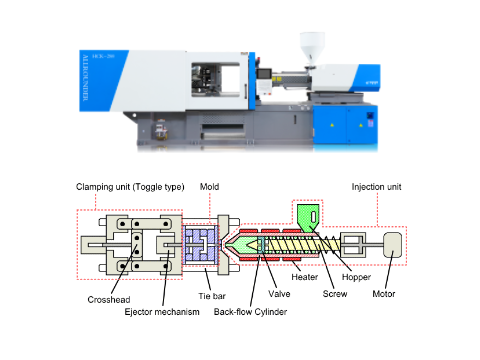
Key Factors Affecting Back Pressure Setting
Material Properties Melt viscosity
High viscosity materials (e.g., PC, POM) require higher back pressure to enhance shear plasticization.
Thermal stability
Heat-sensitive materials (e.g., PVC) need to control back pressure to avoid high-temperature decomposition.
Screw & Barrel Design Compression Ratio & Thread Depth
High compression ratio screws require lower back pressure to reduce backflow.
Leakage flow control
too high back pressure will increase the backflow of the melt and reduce the plasticizing efficiency.
Process parameter linkage Screw speed
High speed needs to be combined with low back pressure to prevent shear overheating.
Melt temperature
For every 10 bar increase in back pressure, the melt temperature rises by about 1-3°C.
And the temperature of the heating section needs to be adjusted synchronously.
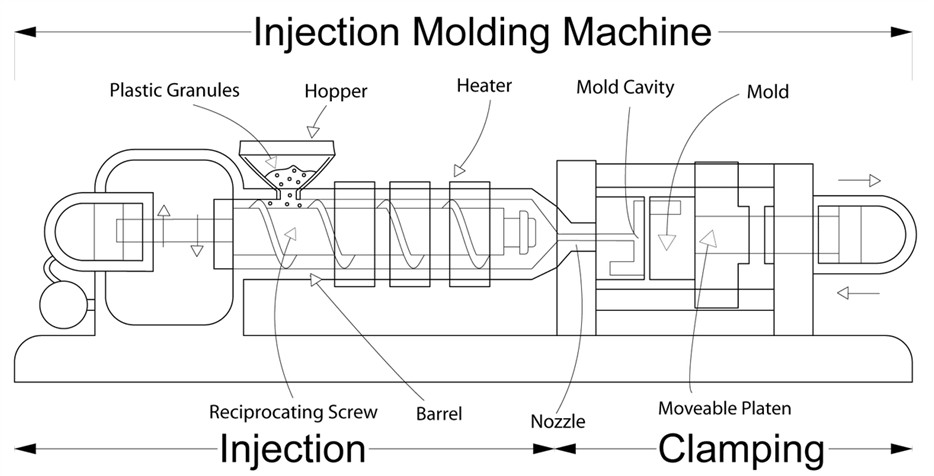
Practical Strategies for Optimizing Back Pressure
Phased Adjustment Plasticizing stage
Prioritize the uniformity of the melt and gradually increase the back pressure to no visible defects.
Holding stage
Adjust the back pressure in combination with the holding pressure (usually 80%-90% of the injection pressure) to reduce shrinkage and deformation.
Equipment and mold adaptation
Vertical injection molding machine:
the back pressure sensitivity is higher than that of horizontal machine, and more fine control is required.
Microfoam material:
Maintain the back pressure below the gas formation pressure (e.g., we recommend 0.04 MPa for GFPP materials) to prevent cell collapse.
Data-based monitoring
Pressure sensor feedback:
real-time monitoring of melt pressure fluctuations and dynamic adjustment of the back pressure valve.
DOE experimental design:
Orthogonal tests are used to determine the optimal combination of back pressure, screw speed and temperature.
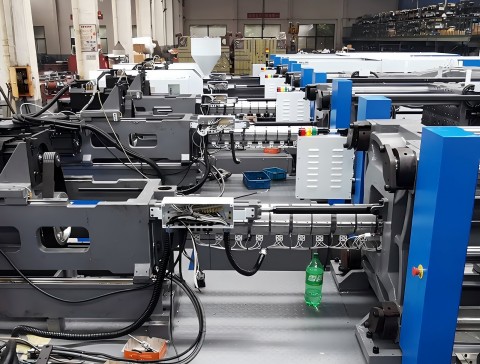
Common problems and countermeasures
High back pressure
It may be because the melt is overheated and the cycle is prolonged, you can reduce the back pressure and check the hydraulic system.
Low back pressure
Air bubbles, size instability, can be solved by increasing back pressure and prolonging the plasticizing time.
Material degradation
In fact, heat-sensitive materials require strict control of back pressure and screw speed.