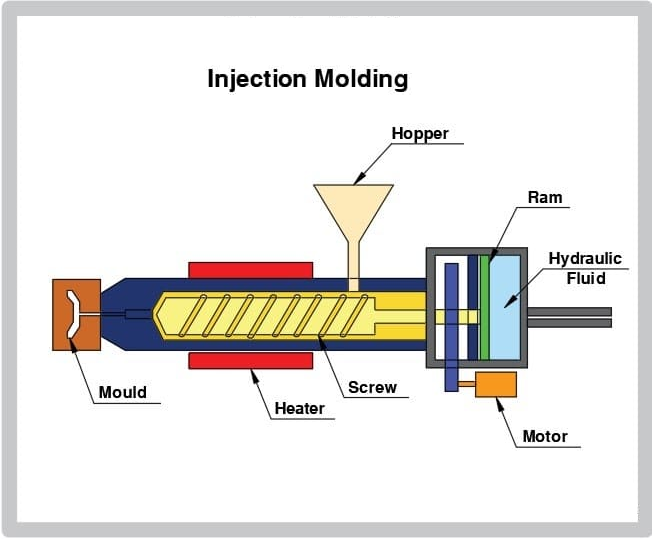
During the injection moulding process, whether hydraulically or electrically driven, all movements generate injection pressure. These overall pressures must be appropriately distributed to ensure that all components of the injection moulding machine operate with precision.
Proper control of the required injection moulding pressure enables the production of high-quality products. The injection pressure regulation and metering system is located on the hydraulic injection moulding machine, with all movements performed by the responsible hydraulic system.
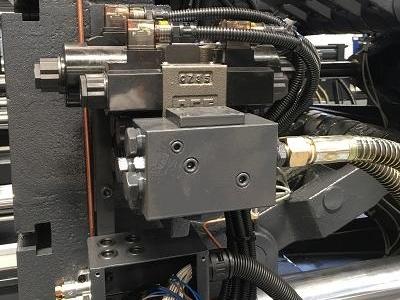
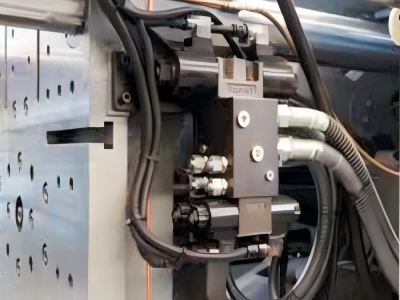
The injection pressure regulator is the component that intelligently handles the distribution task.It controls the magnitude and direction of the pressure required for injection, clamping, and other actions.
Technical process of high-pressure injection moulding stage
Injection Pressure Regulator plays a critical role in ensuring product quality by precisely controlling pressure parameters during the injection molding process. Their impact spans multiple dimensions:
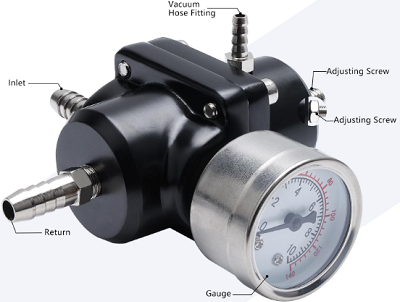
- Ensuring Mold Filling Integrity
- Optimizing Internal Structure and Performance
- Controlling Surface Quality and Detail Reproduction
- Extending Mold Lifespan and Reducing Costs
- Enhancing Process Stability and Consistency
Ensuring Mold Filling Integrity
By maintaining appropriate pressure ranges (e.g., 80–140 MPa), regulators ensure complete filling of the mold cavity, preventing defects such as short shots (incomplete filling) or sink marks (surface depressions due to material shrinkage). Studies show that mismatched pressure and injection speed (e.g., excessive pressure causing overpacking) directly lead to defective products.
Optimizing Internal Structure and Performance
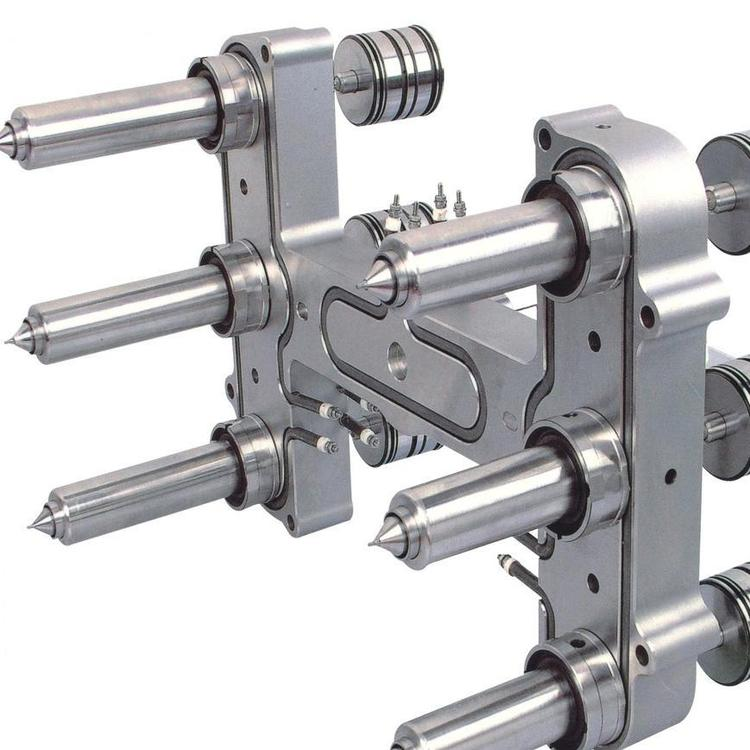
Proper pressure improves material density, strength, and mechanical properties. For example, optimal pressure reduces voids and enhances internal consistency, while excessive pressure induces residual stresses or microcracks, compromising durability. Regulators balance mechanical and dimensional properties, directly influencing product toughness and lifespan.
Controlling Surface Quality and Detail Reproduction
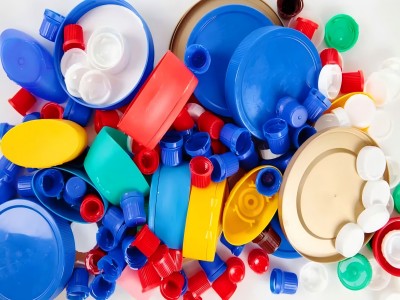
Regulators prevent surface flaws like flash (excess material leakage) or scratches by avoiding overpressure. Pressure imbalances can damage molds or degrade surface finish. Research highlights that coordinated pressure and mold surface quality ensure precise replication of fine details (e.g., textures or logos).
Extending Mold Lifespan and Reducing Costs
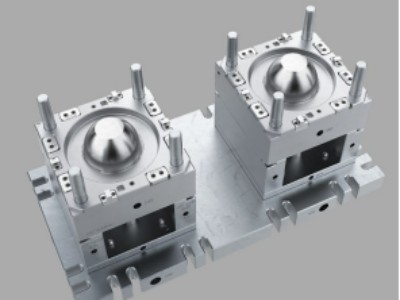
Excess pressure accelerates mold wear. Regulators mitigate mechanical stress by capping peak pressures, reducing maintenance frequency and costs. Case studies confirm that optimized pressure profiles extend mold service life by 15–30%.
Enhancing Process Stability and Consistency
Precise pressure control minimizes fluctuations, ensuring batch-to-batch uniformity. For instance, poorly calibrated regulators increase defect rates, while optimized settings (e.g., 35 m/s injection speed + 20 MPa pressure) yield consistent results. Data show a 20–40% reduction in scrap rates after pressure parameter optimization.
What does an Injection Pressure Regulator do?
An Injection Pressure Regulator (also called a fuel pressure regulator) is a critical component in fuel injection systems, designed to dynamically maintain optimal fuel pressure for precise fuel delivery across varying engine conditions. Here’s a detailed breakdown of its functions:
- Enhancing Process Stability and Consistency
- Dynamically Adjusts Fuel Rail Pressure
- Manages Excess Fuel via Return System
- Integration with Engine Control Systems
- Safeguards Performance and Emissions
- Design Variations
Maintains Constant Fuel Pressure Differential
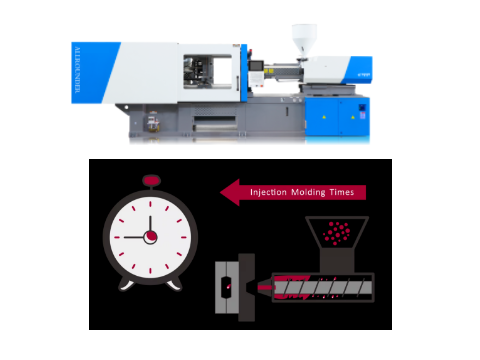
- Balances fuel pressure against intake manifold vacuum to ensure a stable pressure difference between the fuel injectors and the combustion chamber. This allows fuel flow to depend solely on injector pulse width (opening time), not external pressure changes.
- Example: During high engine load (low manifold vacuum), the regulator increases fuel pressure to maintain the required differential.
Dynamically Adjusts Fuel Rail Pressure
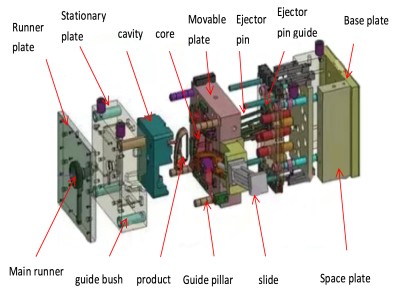
- Modulates fuel pressure based on engine demands (e.g., RPM, throttle position, load):
- Idle/low load: Reduces pressure (~28–34 PSI) to minimize fuel usage.
- High load/acceleration: Raises pressure (up to 39–50 PSI) for rapid fuel delivery.
- Turbocharged engines: Can boost pressure to ~50 PSI under boost conditions.
Manages Excess Fuel via Return System
- Diverts surplus fuel from the fuel rail back to the tank when pressure exceeds the set threshold. This prevents overpressure damage and stabilizes the system.
- Mechanism: Uses a spring-loaded diaphragm and valve. When fuel pressure overcomes spring tension, the valve opens, allowing fuel to return.
Integration with Engine Control Systems
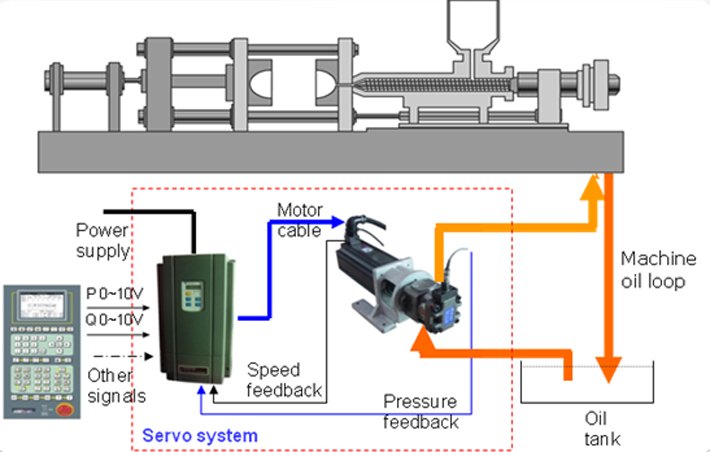
- In modern engines, works with the Engine Control Module (ECM) for precise control:
- Electronic regulators (e.g., IPR valves): ECM adjusts valve duty cycles using feedback from fuel pressure sensors.
- Vacuum-assisted designs: Intake manifold vacuum modulates diaphragm movement for real-time pressure tuning.
Safeguards Performance and Emissions
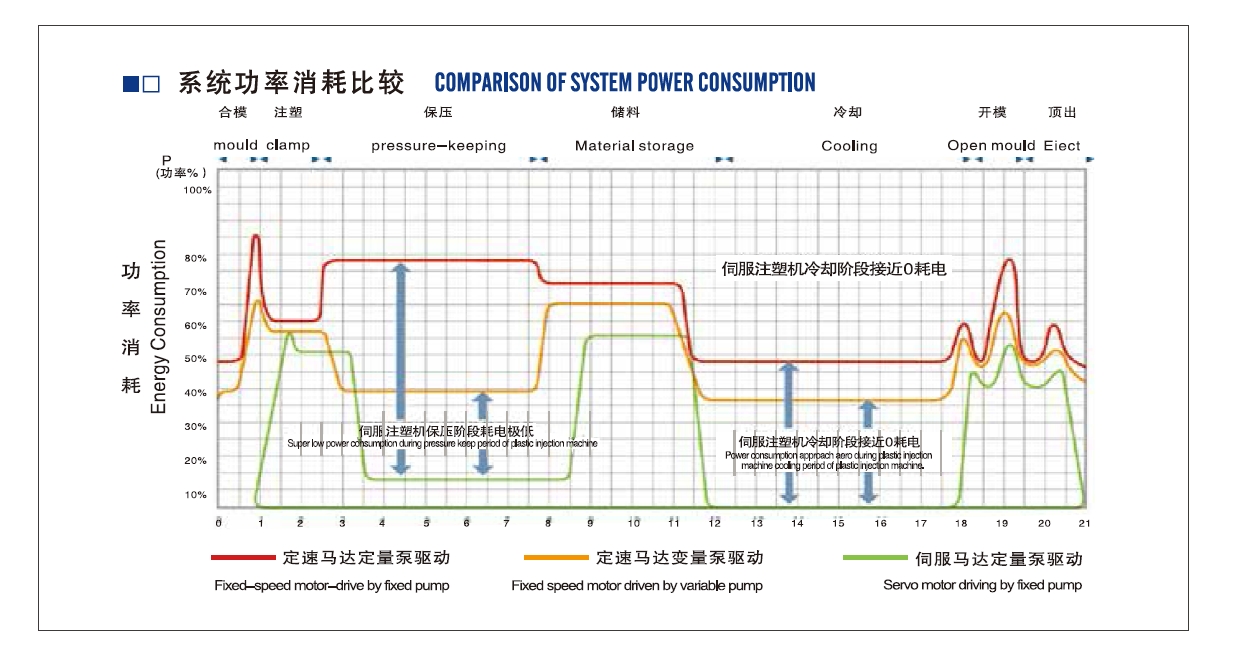
- Low pressure risks: Poor fuel atomization, misfires, or stalling.
- High pressure risks: Leaks, injector damage, or excessive emissions.
- Optimizes combustion efficiency, reduces fuel waste, and meets emission standards.
Design Variations
- Mechanical regulators: Use springs, diaphragms, and vacuum signals (common in older systems).
- Electronic regulators (IPR valves): ECM-controlled solenoids for high-precision pressure management (e.g., diesel common rail systems).
- Returnless systems: Eliminate fuel return lines by adjusting pump speed directly (common in newer vehicles).
Key Takeaway
The injection pressure regulator ensures fuel pressure adapts to engine needs, enabling precise fuel metering, reliable performance, and emission compliance. Its ability to balance pressure against vacuum and manage excess fuel makes it indispensable in modern fuel injection systems.
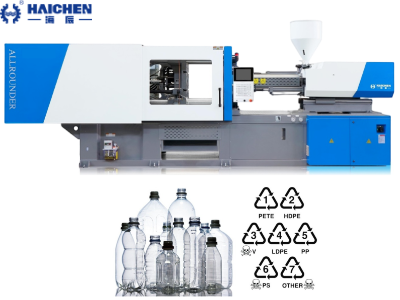
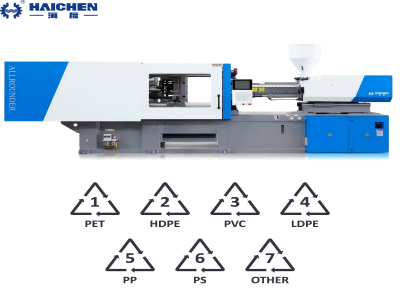
Haichen injection molding machine pressure regulator
The pressure regulation function of Haichen injection molding machines is achieved through a combination of hydraulic systems and computerized control systems. Below is a detailed explanation of the mechanisms and operational procedures:
- Hydraulic System Pressure Control
- Back Pressure Adjustment
- Computerized Control System
- Special Scenarios
- Maintenance Tips
Hydraulic System Pressure Control
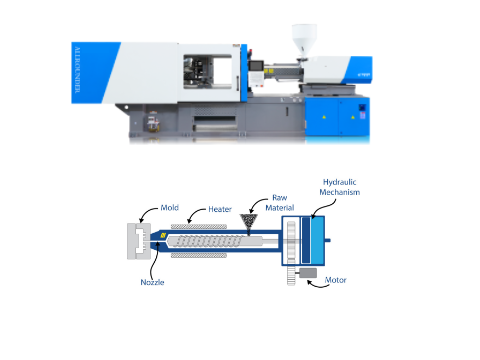
Haichen machines use dual proportional valves (pressure and flow control) to ensure precise adjustments. The hydraulic system includes high-quality pumps and valves from globally recognized brands, providing stable pressure regulation and fast response. Key applications include:
- Injection Phase: Multi-stage injection pressure settings allow gradual adjustments based on material or product requirements, ensuring uniform filling of the mold.
- Holding Phase: Multi-stage holding pressure settings prevent shrinkage or deformation of the product.
Back Pressure Adjustment
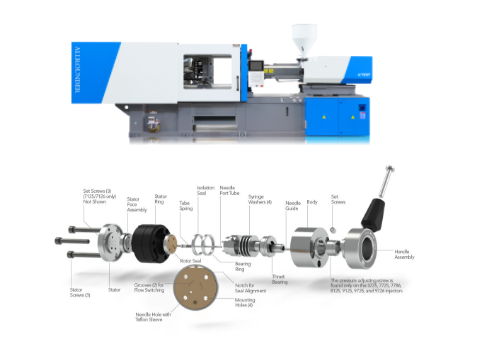
Back pressure regulates resistance during screw retraction, influencing material plasticization and mixing. The adjustment steps are:
- Check Current Settings: View the back pressure value (in MPa or psi) on the control panel.
- Incremental Adjustments: Increase or decrease back pressure by 5–10% increments while observing plasticization quality (e.g., melt uniformity).
- Validation: Test with small batches and inspect for defects (e.g., bubbles, sink marks). Refer to material-specific guidelines (e.g., lower back pressure for PVC, higher for engineering plastics).
- Save Parameters: Store optimized values in the machine’s memory for quick retrieval.
Computerized Control System
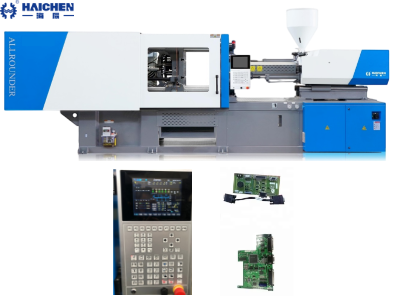
The integrated control system supports pressure regulation through:
- Pre-set Profiles: Save pressure parameters for different molds or materials.
- Real-Time Monitoring: Alarms trigger if pressure exceeds limits, with fault diagnostics.
- Closed-Loop Control: Pressure and position sensors dynamically adjust parameters, maintaining fluctuations within ±1%.
Special Scenarios
- High-Precision Products: Use servo motor-driven systems for rapid response, ideal for thin-walled or complex parts.
- Abrasive Materials (e.g., glass-filled or flame-retardant plastics): Reduce back pressure and shorten screw residence time to minimize wear.
Maintenance Tips
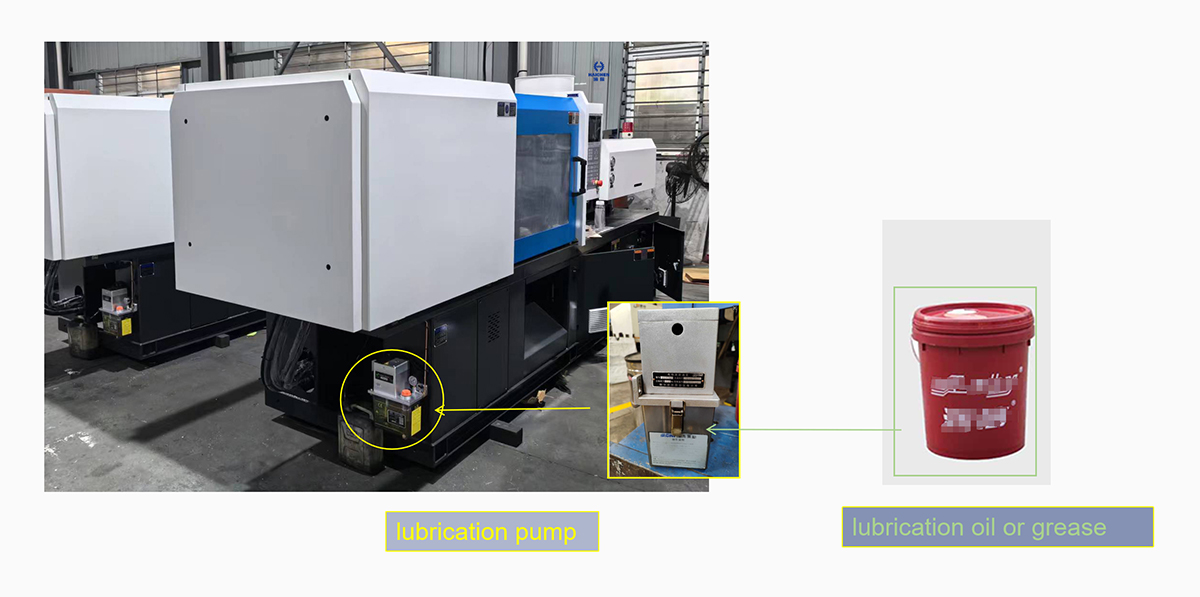
- Hydraulic Oil Quality: Use low-impurity oil and replace filters regularly to prevent valve clogging.
- Calibration: Calibrate pressure sensors and proportional valves every 6 months for accuracy.
In summary, Haichen injection molding machines combine advanced hydraulic hardware with intelligent software for high-precision pressure control. Operators can adjust parameters based on process requirements and leverage built-in diagnostics for rapid troubleshooting. Let me know if you need further details!
Overall
Injection pressure regulators are pivotal for achieving high-quality products by balancing pressure across mold filling, material performance, surface finish, and mold protection. Their optimization requires alignment with material properties, mold design, and process conditions, making them indispensable for precision, consistency, and cost-effective manufacturing.