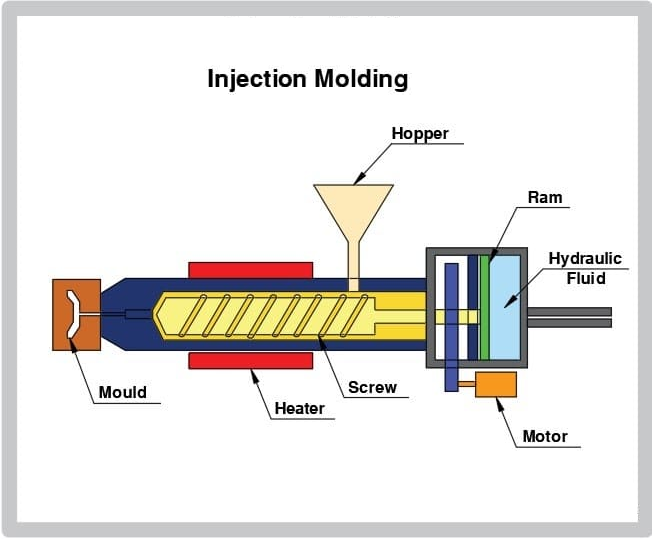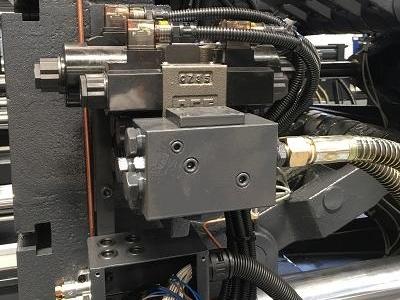
Back pressure is defined as the resistance imposed on the molten plastic during screw rotation and retraction of the injection molding machine. It is attained by regulating the speed at which the screw withdraws so that proper condition of the molten plastic can be achieved before it gets into the mold.
Back pressure is critical to the injection molding process because it controls not only material homogeneity and product quality but also production efficiency and cost. The role of back pressure in injection molding as regards maintaining material quality, process consistency, and part performance cannot be overemphasized.
Next, let’s take a look at the actual industrial back pressure application.
Detailed explanation of injection molding back pressure
I believe you still need to understand the application and advantages of injection molding back pressure in more detail, right?
Let us show you step by step.
- Material Homogenization
- Elimination of Air and Volatiles
- Consistent Shot Size
- Improved Part Quality
- Process Stability
- Trade-offs and Optimization
- Applications
Material Homogenization
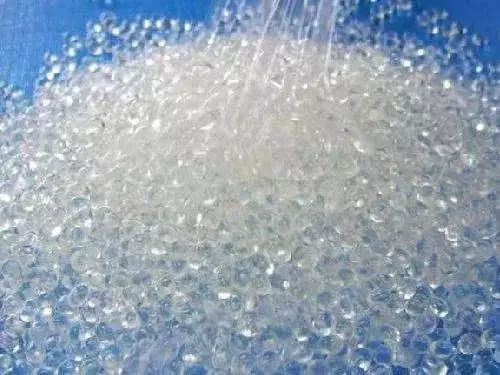
- Melting Uniformity: Back pressure compresses the molten plastic in the barrel, ensuring thorough melting and mixing of polymer granules.
- Additive Dispersion: Enhances blending of colorants, fillers (e.g., glass fibers), or recycled materials with virgin resin, preventing streaks or weak spots.
Elimination of Air and Volatiles
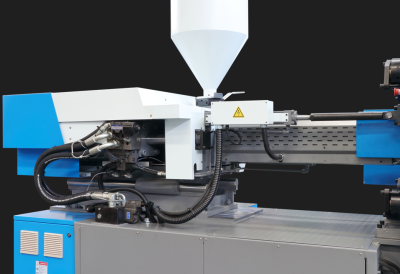
- Degassing: Compresses trapped air or gases (e.g., moisture, residual monomers) in the melt, forcing them out through the hopper.
- Prevents Defects: Reduces voids, bubbles, or “silver streaks” caused by entrapped gases.
Consistent Shot Size
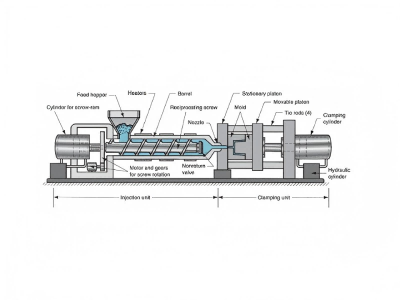
- Screw Control: Maintains steady resistance during screw retraction, ensuring a uniform volume of molten plastic for each cycle.
- Avoids Short Shots: Prevents underfilling due to inconsistent material volume.
Improved Part Quality
- Density Control: Compacts the melt to reduce internal porosity, enhancing part strength and surface finish.
- Reduced Sink Marks: Ensures proper packing of material into the mold, especially in thick sections.
Process Stability
- Temperature Consistency: Shear heating from back pressure stabilizes melt temperature, critical for heat-sensitive materials (e.g., PVC, PEEK).
- Cycle Repeatability: Minimizes variability in viscosity and flow behavior across production runs.
Trade-offs and Optimization
- Material Degradation: Excessive back pressure can overheat or shear-sensitive polymers (e.g., PVC, TPU), leading to degradation.
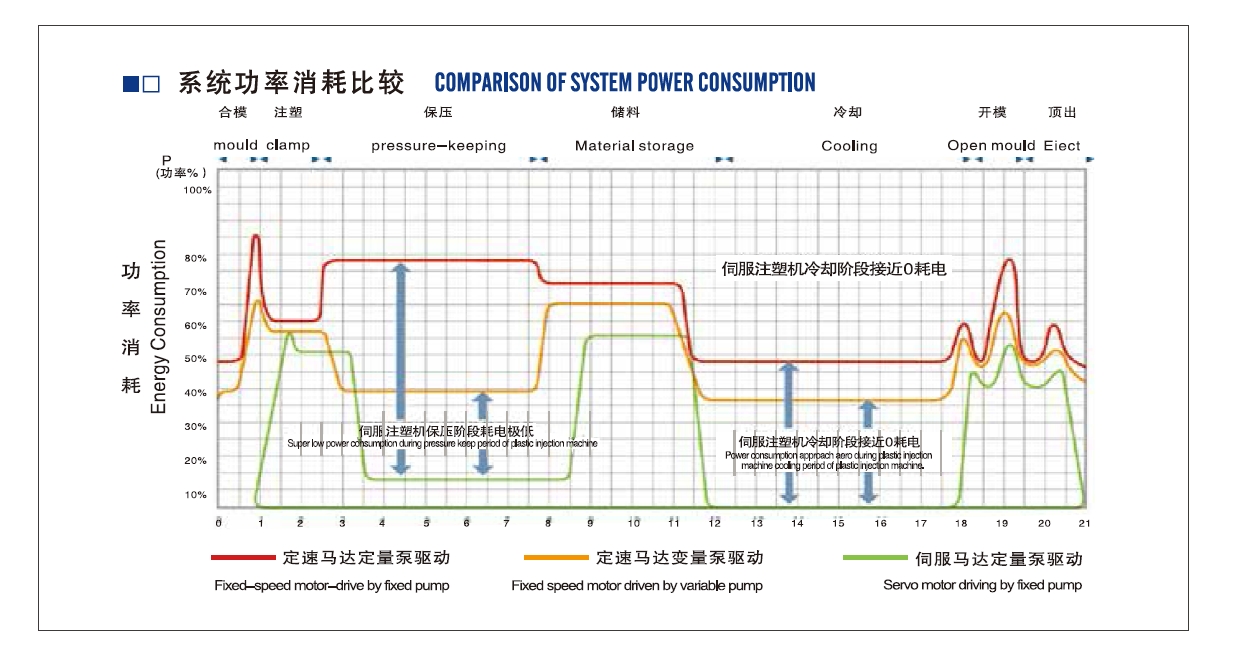
- Energy Consumption: Higher back pressure increases motor load, raising energy costs.
- Optimal Range: Typically 50–200 psi (0.3–1.4 MPa), adjusted based on material and part design.
Applications
- Engineering Plastics: Higher back pressure (up to 300 psi) for reinforced materials (e.g., carbon fiber-PA) to ensure fiber dispersion.
- Medical/Optical Parts: Precise pressure control to eliminate bubbles in clear or high-precision components.
How does pressure affect injection molding?
Pressure plays a critical role in injection molding, influencing material flow, product quality, and production efficiency.
Its operation is realized through several stages of the entire injection molding process. Let’s take a look at it.
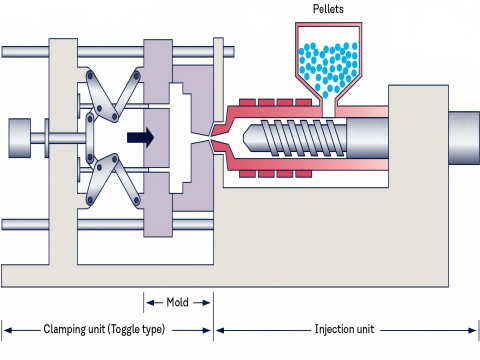
- Injection Pressure
- Holding/Packing Pressure
- Back Pressure & Plasticizing Pressure
- Clamping Pressure
- Comprehensive Optimization Strategies
Injection Pressure
- Role and Impact
Injection pressure drives molten plastic into the mold cavity. It directly affects filling speed, material flow, and cavity integrity.- Material Properties: High-viscosity materials (e.g., PA, PP) require higher injection pressure to ensure proper flow. For example, increasing pressure for PA improves flowability.
- Mold Design: Complex molds or narrow flow channels increase resistance, demanding higher pressure. Excessively high pressure (e.g., when cavity fill rate is 50%-90%) can force premature mold opening, causing damage.
- Defects: Low pressure causes short shots (incomplete filling); high pressure leads to flash (excess material), melt overheating, or even mold rupture.
- Optimization
Adjust pressure dynamically based on material viscosity and mold design. Use sensors for real-time monitoring. For hydraulic machines, keep pressure below 80% of the maximum to ensure safety. System upgrades (e.g., adding pressure-boosting modules) can raise maximum injection pressure from 204 MPa to 320 MPa, reducing shrinkage and air pockets.
Holding/Packing Pressure
- Role and Impact
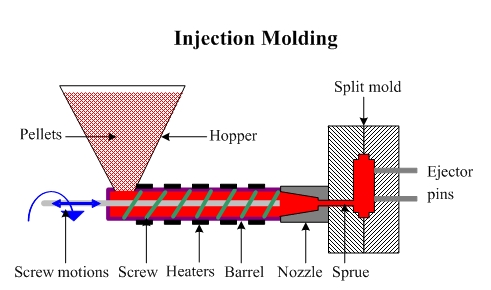
Holding pressure compensates for material shrinkage during cooling, ensuring dimensional stability and density.- Post-Filling Phase: Reducing pressure slightly after filling avoids over-compression and minimizes internal stress.
- Defects: Low holding pressure causes sink marks or dimensional errors; excessive pressure induces residual stress, leading to warpage.
- Optimization
Set holding pressure to 50% of initial injection pressure, adjusting for material shrinkage. For semi-crystalline materials (e.g., PA, POM), avoid abrupt pressure changes to prevent structural damage.
Back Pressure & Plasticizing Pressure
- Role and Impact
- Back Pressure: Resistance against the screw during retraction. Moderate back pressure improves melt uniformity and removes air bubbles but slows plastication and increases energy use.
- Plasticizing Pressure: Typically kept below 20 kg/cm². Excessive pressure raises melt temperature, causing degradation or surface defects like silver streaks.
Clamping Pressure
- Role and Impact
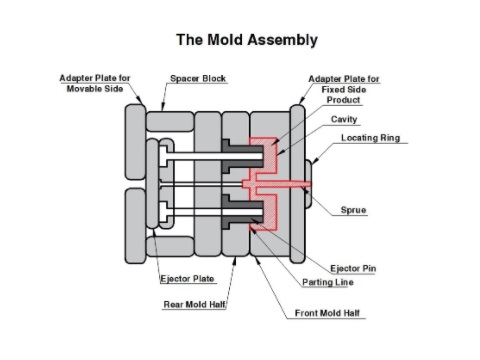
Clamping pressure balances injection pressure to prevent mold separation. Insufficient clamping pressure allows mold micro-opening, resulting in flash.
Comprehensive Optimization Strategies
- Material Selection: Use low-viscosity materials to reduce pressure needs; adjust for shrinkage.
- Mold Design: Optimize gate and runner dimensions to minimize flow resistance.
- Process Monitoring: Use cavity pressure sensors and simulation software to predict defects (e.g., weld lines, air traps).
- Multi-Stage Control: Split injection into phases (e.g., 30–100 MPa initial pressure, followed by 40–60% lower pressure) to adapt to filling stages.
Pressure parameters (injection, holding, back pressure) directly determine product precision, mechanical properties, and surface quality. Optimizing these settings based on material behavior, mold design, and real-time monitoring is key to minimizing defects and maximizing efficiency. For example, balancing high-pressure injection (to ensure flow) with controlled holding pressure (to manage shrinkage) can reduce cycle times by 15–20% while maintaining tolerances within ±0.05 mm.
Stable back pressure capability of Haichen injection molding machine
Haichen injection molding machines excel in maintaining stable back pressure, a critical factor for precision molding.
Their technological advantages are highlighted in the following aspects:
- Multi-Stage Back Pressure Control & Computerized Adjustment
- Servo-Hydraulic Synergy
- Temperature & Mechanical Design
- Practical Applications & Troubleshooting

Multi-Stage Back Pressure Control & Computerized Adjustment
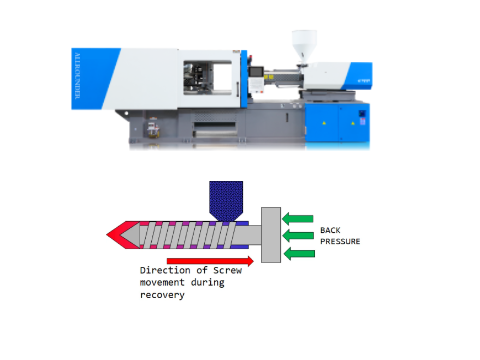
- Haichen’s E-Series machines feature a computer-controlled multi-stage back pressure system during the plasticizing phase. This allows precise pressure/speed adjustments at different stages (e.g., melting, holding) to ensure uniform material compaction, reduced air bubbles, and improved dimensional accuracy.
- Advanced algorithms (e.g., quadratic curve-based control) minimize back pressure fluctuations, achieving <1 MPa error and high repeatability, critical for complex parts like optical components.
Servo-Hydraulic Synergy
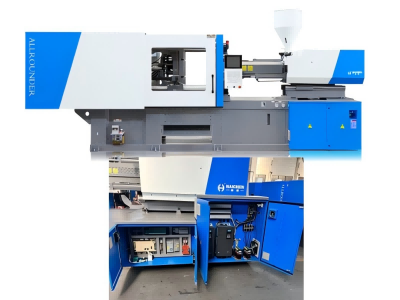
- The servo-driven hydraulic system (with dual proportional valves) enhances dynamic response and stability. It rapidly adjusts screw retraction speed, mitigating pressure lag caused by inertia in traditional hydraulic systems.
- Back pressure optimization balances material backflow and plasticizing efficiency. Haichen’s closed-loop control ensures adjustable back pressure (3-15 kg/cm²) for diverse materials (PP, ABS) and product geometries.
Temperature & Mechanical Design
- PID-controlled barrel heating minimizes temperature-induced back pressure variations. High-rigidity components (e.g., five-point double-toggle clamping, high-torque hydraulic screws) prevent instability from cold starts or shear overheating.
- To address back pressure challenges (e.g., reduced efficiency or wear), Haichen uses nitrided screws and automated lubrication, extending component life and sustaining long-term stability.
Practical Applications & Troubleshooting
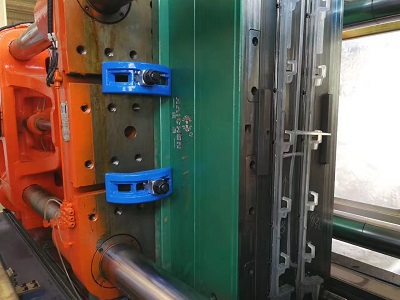
- The machine’s low-pressure mold protection and multi-stage injection settings allow quick back pressure adjustments for issues like nozzle leakage or air traps (e.g., reducing pressure to avoid material degradation or increasing it to eliminate sink marks).
- Testing shows Haichen’s multi-stage back pressure control (e.g., 6 MPa → 12 MPa → 9 MPa) maintains <1 MPa error, meeting stringent requirements for electronics and medical parts.
Haichen integrates servo-hydraulic systems, multi-stage algorithms, precise temperature control, and robust mechanical design to achieve exceptional back pressure stability. Its technology aligns with industry standards while offering user-friendly operation, making it ideal for back pressure-sensitive applications like connectors and automotive components.
By the end

Back pressure ensures uniform melt quality, defect-free parts, and process reliability but requires careful balancing to avoid material degradation or energy waste. Proper optimization aligns with material guidelines and part specifications to maximize efficiency and product consistency.
Contact us to get more information~