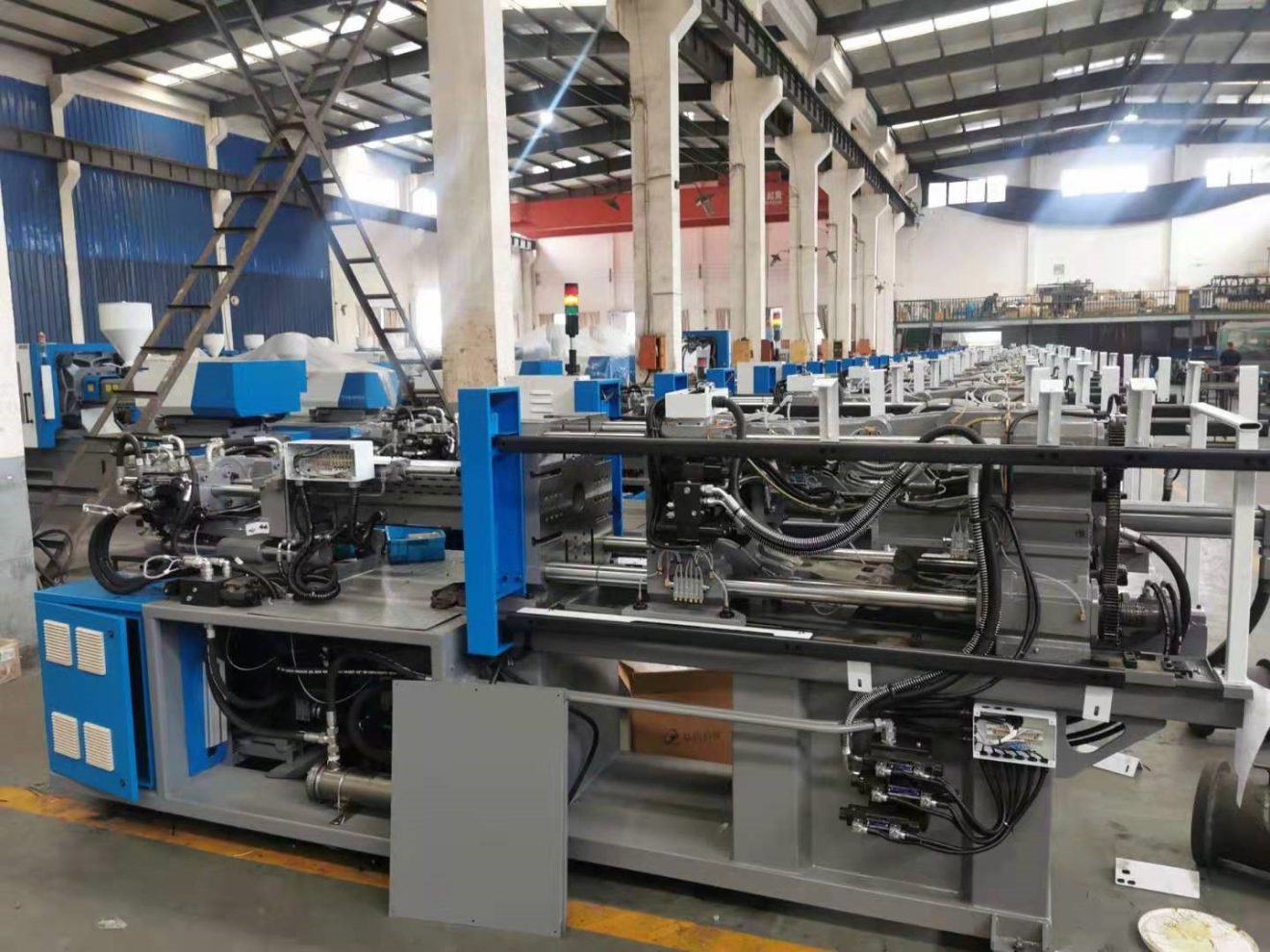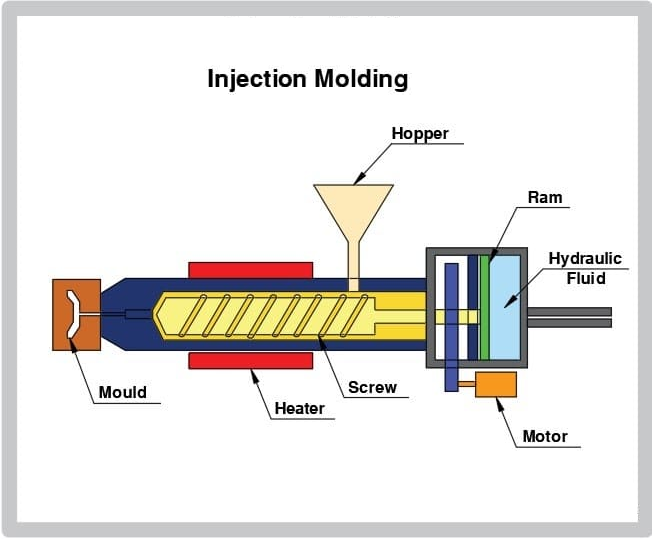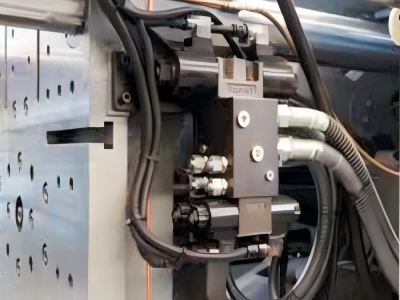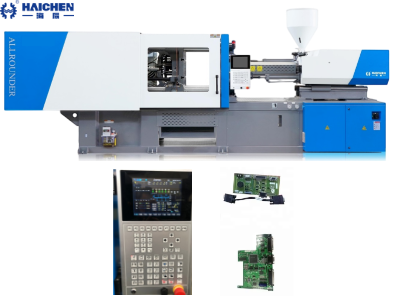
The injection molding is a common plastic processing technology which widely use in industrial manufacturing. This manufacturing process that involves injecting molten plastic into a mold cavity, allowing it to cool and solidify to form the desired shape.
The injection moulding process is a complex multi-stage cyclic process. It involves multiple key steps and operations. Each process has its specific functions and operational requirements. And each stage may affect the quality and production efficiency of the final product.
The whole injection moulding process cycles usually includes mold closing, injection, pressure holding, cooling and mold opening.
- mold closing
- injection
- pressure holding
- cooling
- mold opening.
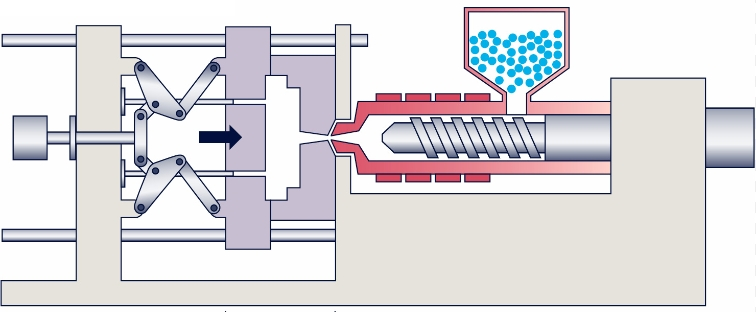
Mold closing
In the injection molding process, mold closing is the first step of the entire cycle.
Main function: It is to tightly close the two parts of the mold to ensure that the molten plastic can be smoothly injected into the mold cavity. This stage usually involves hydraulic or mechanical driven closed units, which fix the mold by applying sufficient closing force.
Process: The two parts of the mold will close at a certain speed and pressure. The closing speed is usually not constant. But it normally first fast and then slow to ensure that the mold does not open prematurely due to internal pressure during the closing process. In addition, the time and speed of the closure phase can be optimized based on the size of the mold, material properties and production requirements.
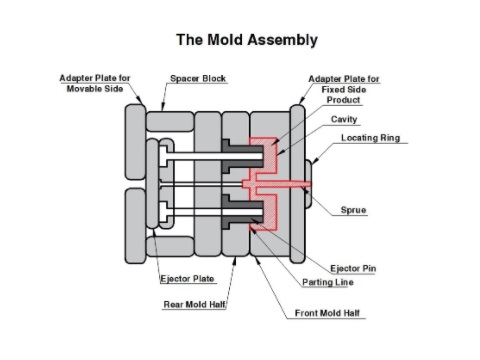
Injection
The injection stage is the second process of injecting molten plastic into the mold. It usually accounts for a small part of the entire cycle time.
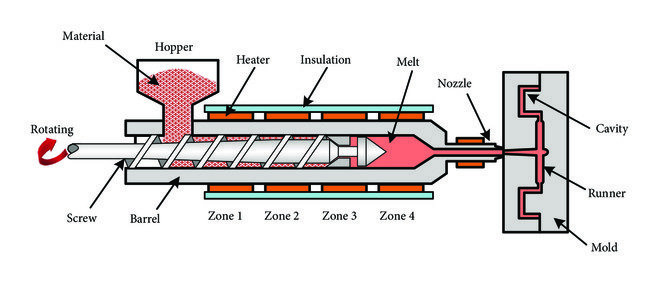
It is the beginning of the injection molding cycle. The injection process main function is to inject molten plastic material into the mold cavity.
At this stage, the plastic material is pushed into the mold through a screw, forming the initial shape of the product. The time and speed of the injection stage depend on the type of material, the design of the mold, and the required filling effect. During the injection process, the screw will retract from the mold to ensure that the material can smoothly enter the mold cavity. After the injection is completed, the screw will stop moving and enter the pressure holding stage. The temperature and pressure control during the injection phase is crucial for product quality, especially in preventing material shrinkage and ensuring uniform filling
Press holding
After the completed the injection, a certain pressure need maintain. That to ensure that the plastic is evenly filled in the mold cavity.
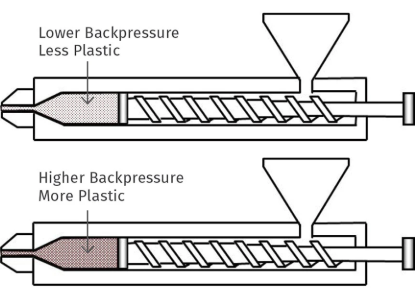
The holding pressure during injection molding is a critical stage in the process. It is usually carried out after the mold is completely filled, with the aim of compensating for the vacancies caused by volume shrinkage of the material during the cooling process by maintaining high pressure, and ensuring that the material fully fills the mold cavity. This stage is crucial for preventing defects such as bubbles, voids, and warping in the product.
During the pressure maintenance phase, the screw will remain almost stationary, but still apply a certain amount of pressure to maintain the pressure inside the mold. The pressure value during this stage is usually lower than that during the injection stage, but it needs to be high enough to ensure that the material does not produce defects due to shrinkage during the cooling process. In addition, the holding time for maintaining pressure is also very important, as it determines whether the cooling and solidification process of the materials inside the mold is sufficient.
Cooling
This stage is to solidify the plastic in the mold and achieve sufficient strength so that the molded parts can be smoothly removed. Cooling efficiency directly affects productivity and product quality, therefore optimizing cooling system design is the key to improving injection molding efficiency.
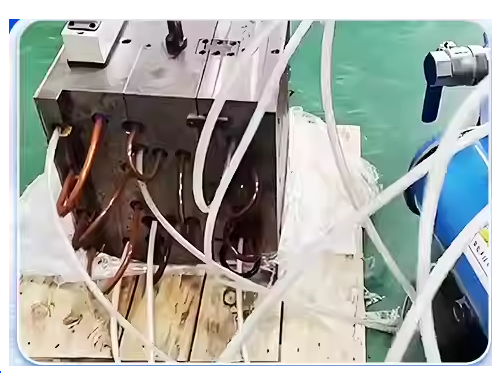
The purpose of the cooling stage is to quickly remove heat from the molten plastic through the cooling system in the mold (such as water cooling or oil cooling), transforming it from a liquid state to a solid state. This process ensures that the parts can maintain a stable shape and size before demolding, avoiding deformation or cracking caused by temperature changes. In addition, the cooling stage also affects the mechanical properties of the parts, such as strength and toughness. If the cooling is uneven, it may cause stress concentration inside the parts, leading to warping, indentation, or surface defects.
The cooling time is the longest part of the entire cycle, usually accounting for 70% to 80% of the entire cycle. The length of the cooling time directly affects the length of the molding cycle and the output size.
Mold opening
After completed cooling, the mold opens and the molded product is taken out.
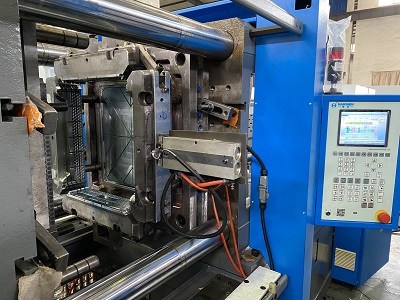
Mold opening usually occurs after the cooling stage, when the plastic product has cooled sufficiently hard in the mold to maintain its shape, the mold will open and push the formed product out of the mold
This stage is usually controlled by the mold opening mechanism (such as hydraulic cylinders or mechanical devices) to ensure that the mold can open smoothly and avoid damage to the product.
In addition, some cases include other steps, such as stock storage, shot withdrawal. And also includes neutron core extraction, gibbing, blowing, and other actions. The sum of the time of the moulding cycle depends on the total duration of these steps, with the cooling time taking up a large proportion.
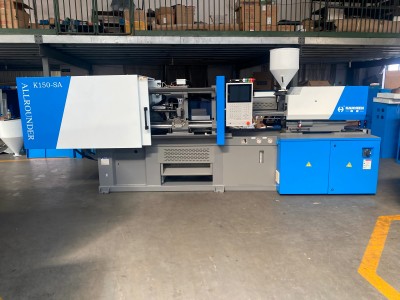
Therefore, the cycle of the injection moulding process is a cyclic process. It starts from mold closure to the end of mould closure in the next cycle, covering all the key stages mentioned above.
Injection moulding process of Haiche injection molding machine
Haichen is one Chinese injection molding machine manufacturer in Ningbo. In addition, Haichen has more than ten years of rich experience in the production of plastic injection molding machines. All our servo energy saving injection molding machines quality are under CE safety standars certificate.
Haichen will try our best to help our customers to develop a reasonable and efficient control of the cycle time of the injection moulding process according to the specific situation of each customer’s plastic products, including plastic raw materials, mould structure design, and other factors.