In the production process of injection moulding pressure is one of the important process parameters affecting injection moulding. Different types of pressure conditions need to be considered and controlled during the injection moulding process. Injection pressure, holding pressure, back pressure, etc. are factors that affect injection moulding pressure.
Slight fluctuations in these pressure values can affect the injection moulding process and product quality. This paper discusses the role of pressure in injection moulding and the effect of pressure values in the injection moulding process.
High-pressure injection molding is a common process for manufacturing plastic parts today. It makes parts lighter and thinner and is often used to quickly produce large quantities of disposable packaging products. Through the instantaneous and extremely fast injection pressure increase, the material quickly fills the mold cavity before solidification, and various thin-walled plastic products with a wall thickness of less than 0.45mm are produced.
Technical Application of High-Pressure Injection Molding
High injection pressure in injection molding is driven by the need to overcome resistance and ensure proper filling of the mold. Key factors include:
- Thin-Walled Structures & Flow Resistance
- Material Viscosity & Temperature
- Mold Design Complexity
- Surface Quality & Precision Requirements
- Process Parameter Interactions
Thin-Walled Structures & Flow Resistance
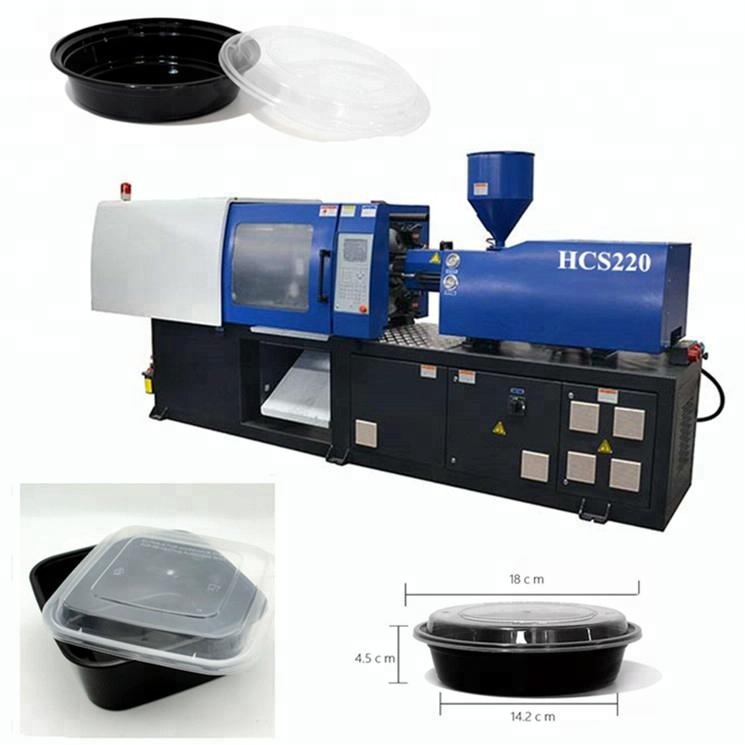
Thin-walled parts require higher pressure to push molten plastic through narrow mold cavities. For example:
- Modern designs often use thinner walls to reduce material costs (which account for 50-80% of total production costs).
- Thin walls increase flow resistance, necessitating higher pressures (e.g., 100–150 MPa for micro-sized parts).
Material Viscosity & Temperature
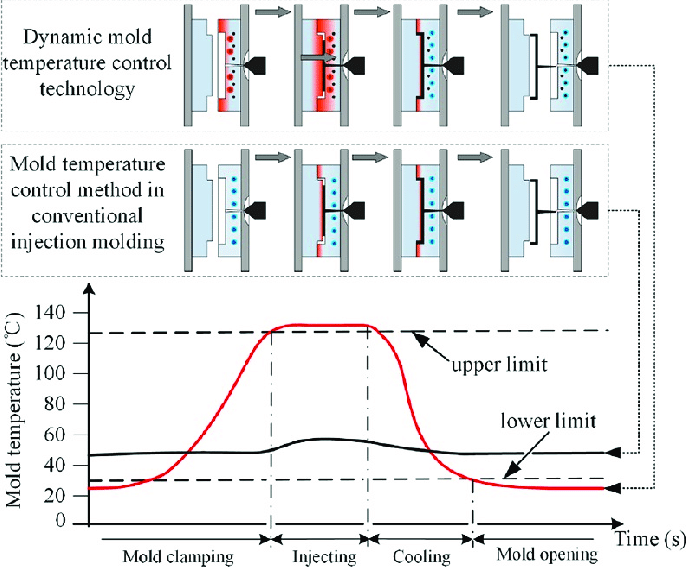
- High-viscosity materials (e.g., polycarbonate, acrylic) require pressures of 80–120 MPa (up to 145 MPa for complex geometries).
- Lower melt temperatures increase viscosity, requiring higher pressures to maintain flow. However, excessive pressure can paradoxically cause incomplete filling due to premature solidification.
Mold Design Complexity
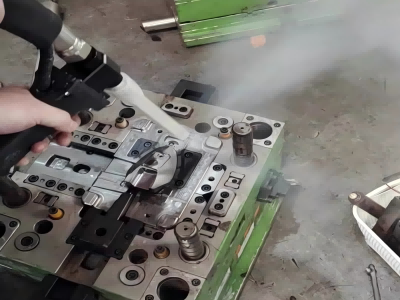
- Small gates, long flow paths, or multi-cavity molds increase resistance.
- Pressure drops from the nozzle to the melt front, so initial pressure must compensate for these losses.
- Example: Complex automotive or medical components often require 150–200 MPa pressure for full cavity filling.
Surface Quality & Precision Requirements
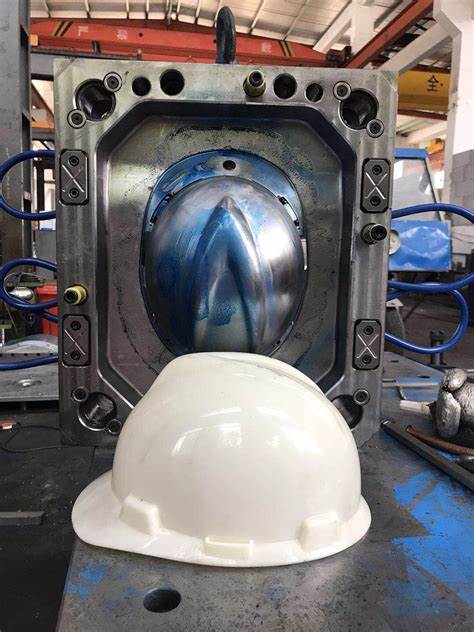
- High pressure ensures proper packing to minimize defects (e.g., sink marks, voids).
- Critical for high-precision parts (e.g., optical lenses, connectors) to replicate fine details.
- Holding pressure during the packing phase improves dimensional stability.
Process Parameter Interactions
- Injection speed: High speeds may create pressure spikes but help offset cooling at the flow front.
- Melt temperature: A 10°C temperature drop can increase required pressure by 20–30%.
- Studies show pressure variations up to 321% due to parameter mismatches.
Trade-offs & Risks
While high pressure is necessary, it introduces challenges:
- Over-pressurization (>1200 PSI) can degrade materials via shear heating (e.g., discoloration, brittleness).
- Risks include flash, mold sticking, and internal stresses.
- Balancing pressure with mold design and cooling time is critical.
Source of Injection Pressure in Injection Molding
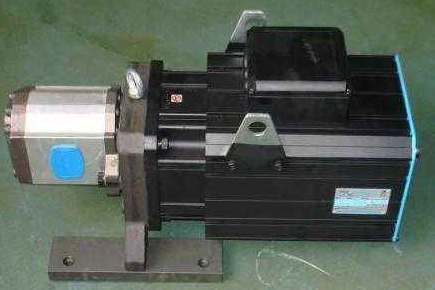
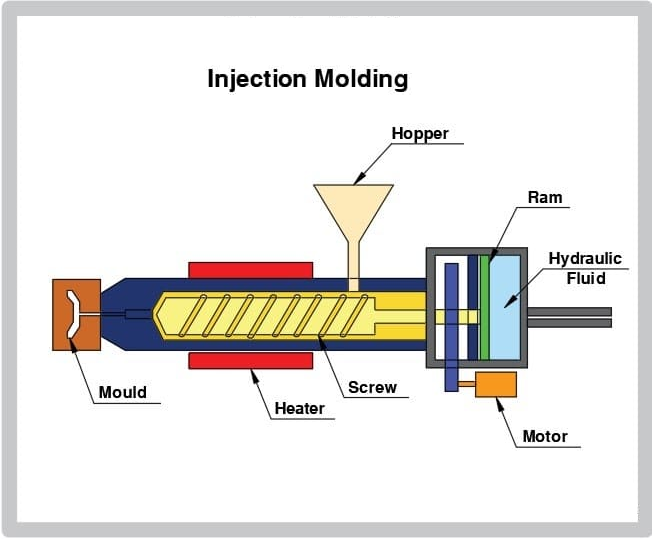
In injection molding, the injection pressure primarily originates from the mechanical force generated by the hydraulic system of the injection molding machine, which drives the screw or plunger. Here’s a detailed breakdown:
- Hydraulic System as the Power Source
- Screw/Plunger Mechanical Action
- Overcoming Flow Resistance
- Pressure Balancing with Clamping Force
- Sensor-Based Optimization
Hydraulic System as the Power Source
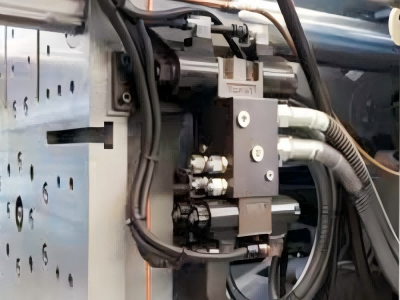
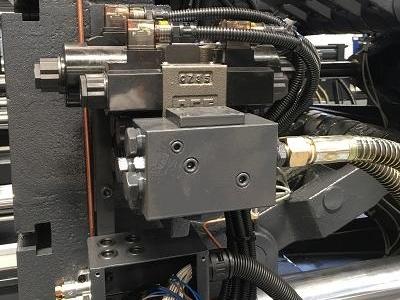
The hydraulic system of the injection molding machine generates high-pressure oil flow, which actuates the injection cylinder. This hydraulic energy is converted into linear motion, pushing the screw or plunger forward to force molten plastic into the mold cavity.
Screw/Plunger Mechanical Action
The screw (in modern machines) or plunger (in older designs) directly applies pressure to the molten plastic. During the injection phase, the screw stops rotating and acts as a piston, transmitting hydraulic force to the material. For example, injection pressure is defined as “the force exerted by the screw tip or plunger on the molten polymer.”
Overcoming Flow Resistance
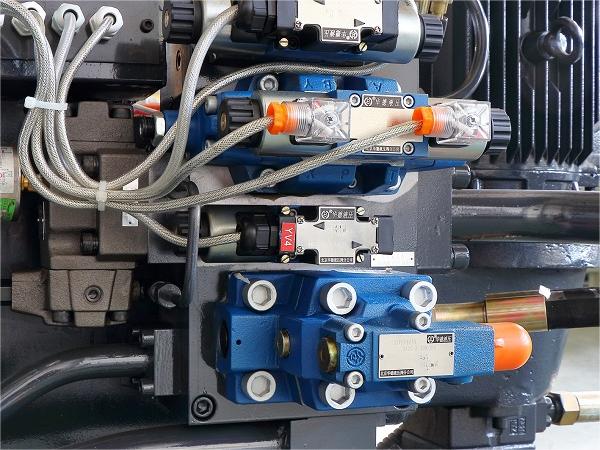
Injection pressure must overcome resistance caused by:
Material viscosity (e.g., high-viscosity polymers like PA or PP require higher pressures).
Mold design (e.g., narrow gates, long flow paths, or complex geometries increase resistance).
Cooling effects (e.g., rapid cooling in thin-walled sections can increase required pressure).
Pressure Balancing with Clamping Force
The clamping force (tonnage) of the machine must exceed the injection pressure’s reaction force to prevent mold deflection or flash (excess material leakage). For instance, a 100-ton clamping force can typically withstand up to 1,000 bar injection pressure.
Sensor-Based Optimization
Modern machines use pressure sensors to monitor real-time pressure profiles during injection and packing phases. Advanced systems employ closed-loop control or AI algorithms to optimize parameters (e.g., peak pressure, holding pressure, and switchover points) for consistent part quality.
Key Takeaway: Injection pressure is fundamentally derived from the hydraulic-driven mechanical action of the screw/plunger. Its magnitude is influenced by material properties, mold design, and process settings. Precise control ensures proper cavity filling, minimizes defects (e.g., short shots, sink marks, or warpage), and guarantees dimensional accuracy.
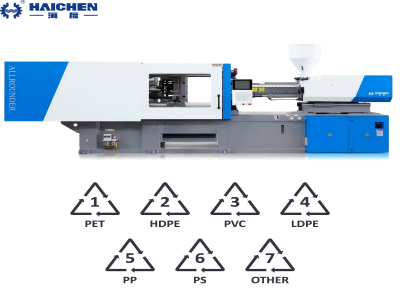
Stable injection pressure of Haichen injection molding machine
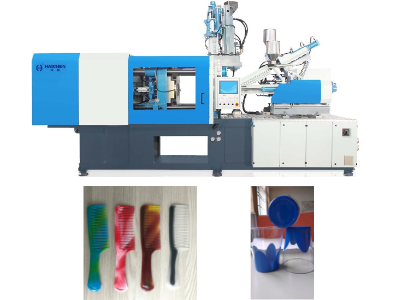
Haichen Injection Molding Machines ensure stable injection pressure through advanced technologies and design optimizations. Below is a detailed overview of the key mechanisms:
- Servo Energy-Saving System & Precise Control
- Multi-Stage Pressure Control & Injection Unit Design
- Intelligent PLC & Visual Feedback
- Structural Reinforcement
- Material-Specific Adaptability
Servo Energy-Saving System & Precise Control
Haichen’s E-Series Servo Energy-Saving Machines replace traditional hydraulic systems with servo motors, enabling dual closed-loop control over pressure and flow during injection and holding phases. The servo system’s millisecond-level response compensates for pressure fluctuations in real time. Integrated computer algorithms dynamically optimize hydraulic performance, minimizing deviations caused by external factors like temperature shifts or material viscosity changes.
Multi-Stage Pressure Control & Injection Unit Design
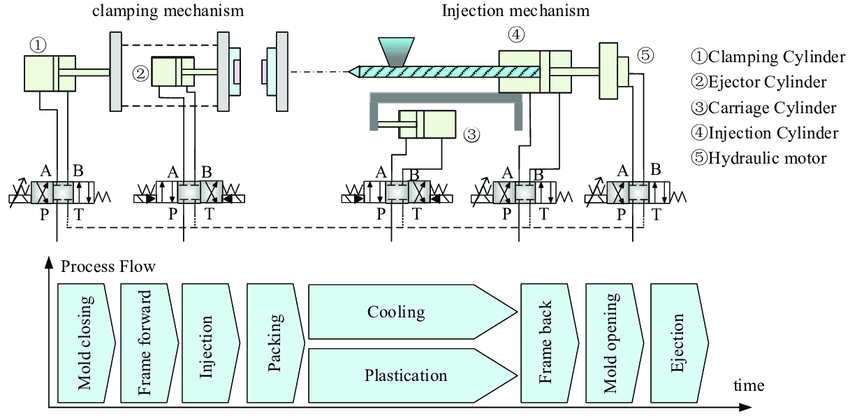
The dual-cylinder injection unit with low-torque hydraulic motors enhances stability during plasticization. Multi-stage pressure and speed settings allow automatic mode switching (triggered by time, position, or pressure) to prevent abrupt pressure spikes. For example:
- High pressure ensures complete mold filling during rapid injection.
- Holding pressure is applied afterward to compensate for shrinkage, reducing defects like sink marks or flash.
Intelligent PLC & Visual Feedback
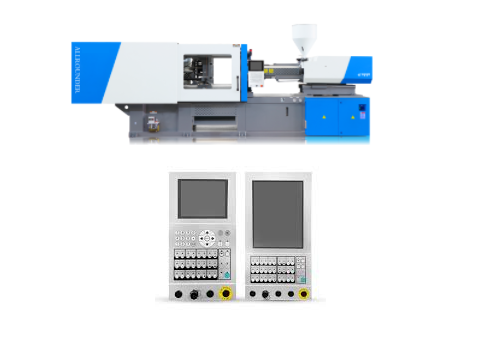
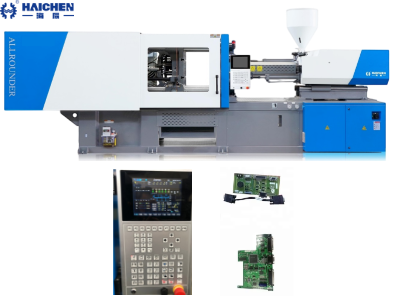
Haichen’s next-gen machines feature smart PLC systems with multilingual interfaces and modular parameter storage. Custom pressure profiles for specific molds can be saved and monitored via real-time visualization. The closed-loop feedback system adjusts servo motor output instantly. For instance, if pressure drops during injection, the PLC increases motor speed to maintain preset pressure levels.
Structural Reinforcement
- Five-point oblique locking structure on tie bars minimizes elastic deformation under high pressure.
- Finite element analysis (FEA) optimizes stress distribution in templates and critical components.
- Automated lubrication and mold position sensors reduce mechanical friction, ensuring consistent pressure control.
Material-Specific Adaptability
- Bimetallic screws and mixing heads improve melt uniformity for materials like PLA or PET.
- Multi-stage backpressure control preprogrammed via software optimizes melt density, stabilizing front-end pressure during injection.
By the end
By integrating servo-driven precision, multi-stage control logic, intelligent feedback, and robust mechanical design, Haichen achieves industry-leading pressure stability. Users can further enhance consistency through parameter customization and real-time monitoring, making these machines ideal for high-precision molding applications.
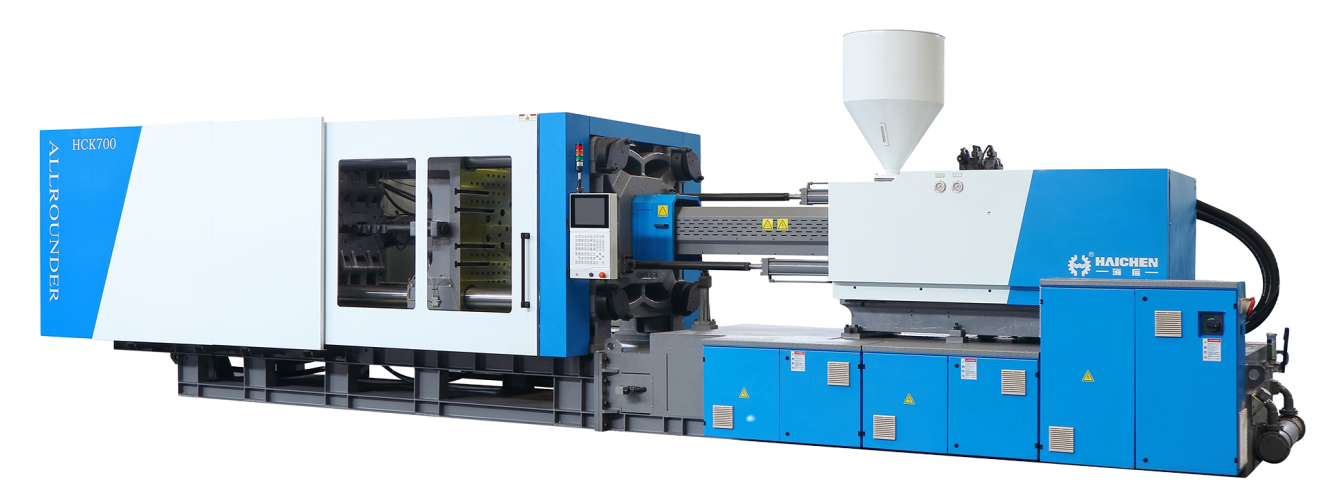
High injection pressure is essential to overcome flow resistance, fill complex geometries, and achieve part quality. Optimal pressure depends on material behavior, mold design, and process parameters, requiring careful calibration to avoid defects while maintaining efficiency.