Cost to make a plastic mold depends on specific design and production needs, from a few thousand dollars to hundreds of thousands of dollars.
But the cost of a plastic mold depends on several factors, such as the complexity of the design, the material and number of cavities in the mold, the size of the part, and the number of parts you intend to produce.
How much does a plastic mold cost
plastic injection mold price
| Simple products | Approximately ¥5,000 to ¥15,000 |
| Medium complexity products | Approximately ¥15,000 to ¥30,000 |
| Highly complex products | Approximately ¥30,000 to ¥80,000 |
| Large and complex products | Approximately ¥50,000 to ¥150,000 |
| Special Requirements Molds | About ¥50,000 to ¥200,000 or more |
Simple products (small, simple geometries)
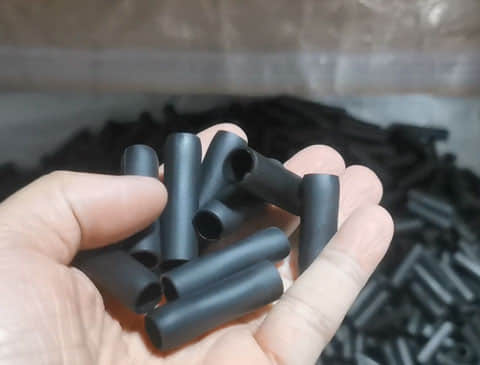
Mold price: Approximately ¥5,000 to ¥15,000.
Applicability: Suitable for small-lot production with low to medium production volume.
Medium complexity products (products with simple structures or holes)
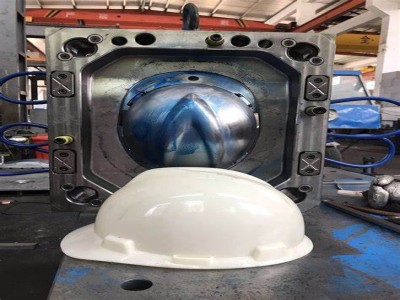
Mold price: Approximately ¥15,000 to ¥30,000.
Applicability: For products with medium production volumes that may require more cooling channels or more sophisticated mold design.
Highly complex products (with multiple functional features or special requirements)
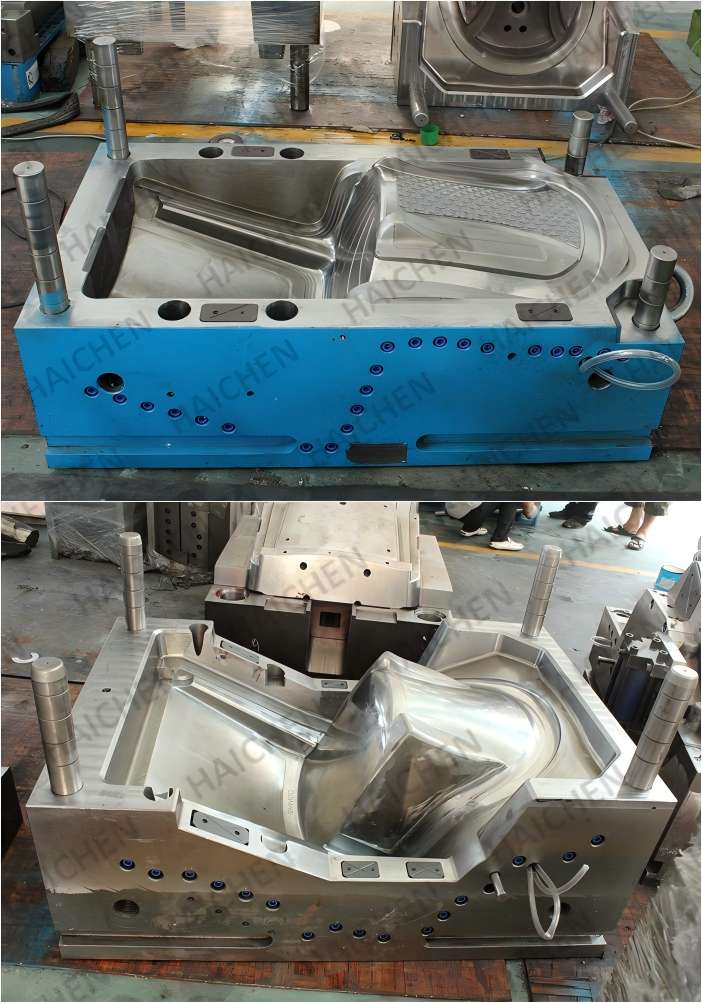
Mold Price: Approximately ¥30,000 to ¥80,000.
Applicability: For products with high precision or medium to high production volume, usually requiring steel molds, higher cooling system, and mold design requirements.
Large and complex products (e.g. automotive parts, large home appliance housings, etc.)
Mold price: about ¥50,000 to ¥150,000 or even higher.
Application: For high-volume production, where high precision and durability are required. Steel molds are a must and usually require more complex design, maintenance, and machining processes.
In addition, depending on the number of cavities, the price usually ranges from ¥30,000 to ¥100,000, with the higher the number of cavities, the higher the price of the mold.
If there is a need for high-precision molds, such as medical equipment and precision parts, the price can start from ¥50,000, and the higher the complexity and material requirements, the cost of a plastic mold may reach ¥200,000 or more.
Most molds cost between $1,000 and $50,000.
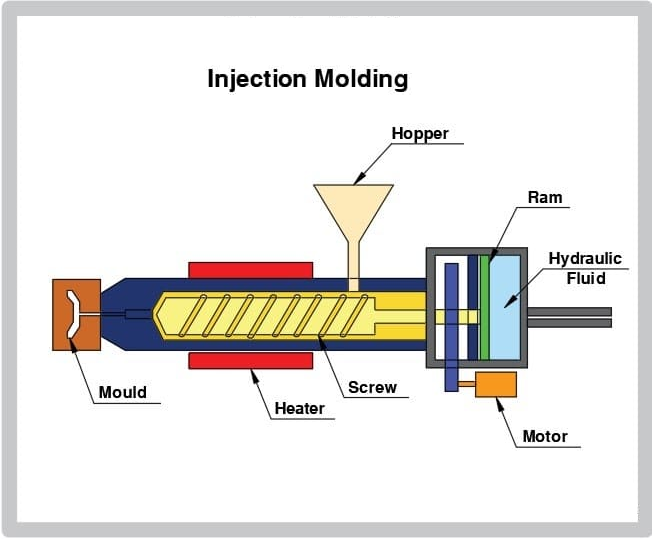
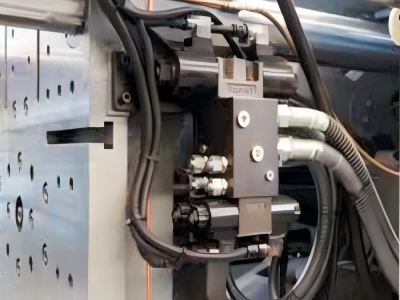
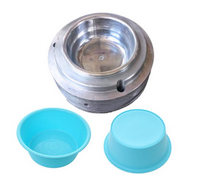
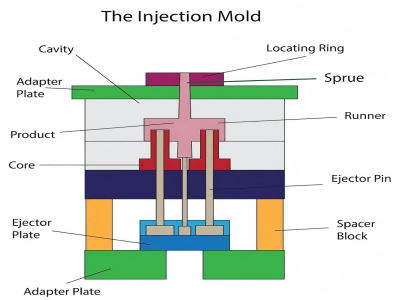
Injection mold is an indispensable and important tool in plastics processing, and its design and manufacturing process is complex and demanding. An injection mold usually consists of two parts: a fixed template and a moving template, which are fixed to the injection molding machine by means of screws and platens. During the injection molding process, the plastic melt enters the mold cavity through a runner from the injection molding machine nozzle and is pushed out after cooling and curing.
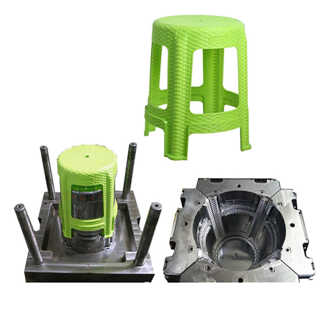
However, some large molds, such as those used for automotive parts, can cost hundreds of thousands of dollars. For plastic parts with special requirements, such as LED light lenses, the calculated price may be much lower than the actual price, due to the lens’s very high requirements for projected light patterns and geometric accuracy.
The cost of manufacturing a plastic mold varies depending on a number of factors, including the complexity of the mold, the size of the mold, the type of material required, processing techniques, design costs, machining costs, assembly costs, taxes, and profits.
How much does it cost to make a plastic mold
The cost of making a plastic mold can range from a few thousand dollars to hundreds of thousands of dollars, depending on the complexity and size of the project.
For a simple single-cavity mold, the cost can range from $1,000 to $15,000; For complex multi-cavity molds, the cost can be as high as $20,000 to $100,000. In addition, factors such as design expenses, equipment costs, material costs, and labor costs need to be considered.
Factors Affecting Plastic Mould Cost
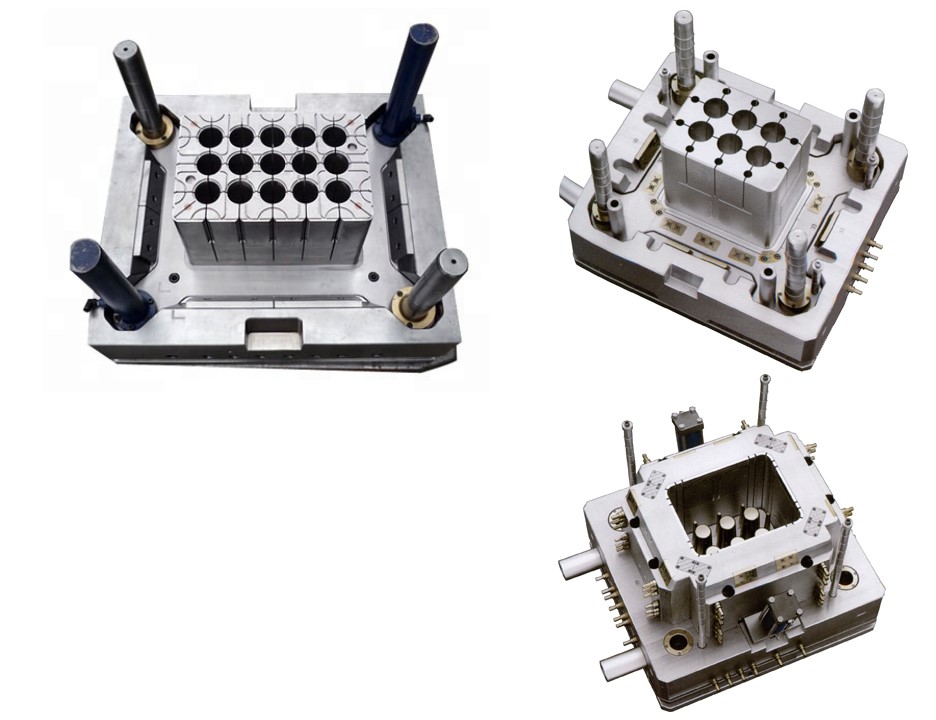
Mold Complexity
Simple Molds: For basic shapes with no undercuts or special features, costs are lower.
Complex Molds: Molds with intricate designs, multiple cavities, sliders, lifters, or hot runner systems are more expensive.
Number of Cavities
Single-Cavity Molds: Cheaper but slower production.
Multi-Cavity Molds: More expensive but increase production speed and efficiency.
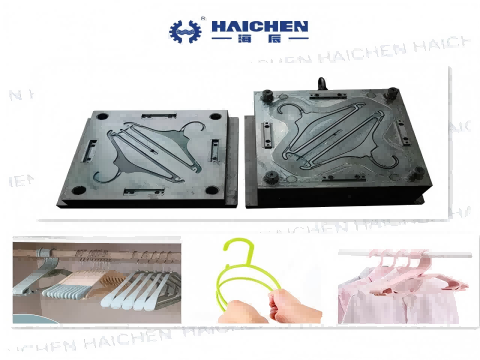
Mold Material
Aluminum: Less expensive, good for prototypes or low-volume production (10,000–50,000 parts).
Steel (P20, H13, Stainless Steel): More expensive but durable for high-volume production (100,000+ parts).
Mold Size
Larger molds require more material and machining time, increasing costs.
Surface Finish
Standard finishes are less expensive, while high-gloss or textured finishes add to the cost.
Tolerances and Precision
Tighter tolerances and higher precision requirements increase machining time and cost.
Additional Features
Hot Runner Systems: Reduce material waste but significantly increase mold cost.
Sliders and Lifters: Required for undercuts or complex geometries, adding to the cost.
Cooling Channels: Improve cycle times but require additional design and machining.
Mold Lifespan
Molds designed for high-volume production (e.g., 1 million+ parts) are more expensive due to the use of higher-grade materials and more robust construction.
The key factors and approximate cost ranges that affect the cost of a mold:
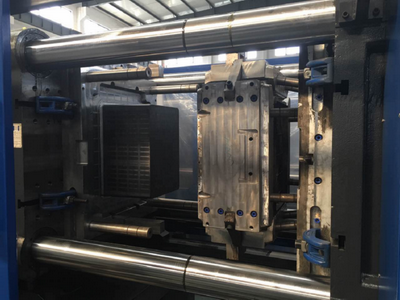
- Mold Material Cost
- Mold Complexity
- Mold cavity size
- Mold Hardness
Mold Material Cost:
This is the starting point for calculating the cost of the mold and is usually based on the size and weight of the steel required.
- Carbon tool steel: has high strength and hardness, but wear resistance and corrosion resistance is poor, suitable for the manufacture of simple, precision requirements of the mold is not high.
- Alloy tool steel: has better wear resistance and processing performance and is suitable for manufacturing complex, high-precision molds.
- Aluminum alloy: It has low density and good thermal conductivity and is suitable for making large injection molds.
- Copper alloy: has good thermal conductivity and is suitable for molds requiring rapid cooling.
Mold Complexity:
More complex mold features, undercuts, or geometries can increase manufacturing complexity and cost. Simple mold designs can reduce costs, especially for applications that do not require complex features.
Mold cavity size:
Larger mold cavities usually require stronger and therefore more expensive molds. Mold cavity size should be selected to meet production requirements to optimize cost-effectiveness.
Mold Hardness:
Standard die steels range in hardness from HRC28 to HRC54. Higher hardness die steels need to be heat-treated before precision machining, which makes harder dies more costly due to longer machining times.
Types of Costs in Injection Molding
Initial Setup Costs
Mold Costs: The cost of designing and manufacturing the molds used for injection molding.
Machine Setup: Costs associated with setting up the injection molding machine, including any modifications needed for specific molds or materials.
Material Costs
Resin Costs: The cost of the raw plastic or other material that is melted and injected into the mold.
Colorants and Additives: Costs for any colorants, reinforcements, or other additives that are mixed with the resin to achieve desired properties.
Labor Costs:
Operator Wages: The wages paid to machine operators and other staff involved in the injection molding process.
Maintenance Staff: Costs for maintenance personnel who keep the machines running efficiently.
Why is making a mold so expensive
The reason why making molds is expensive is due to several factors:
Mold Design and Manufacturing Costs: The design and construction of a mold is one of the significant fixed costs. This includes the cost of mold design, material preparation and machine setup.
Material Costs: The choice of mold material has a direct impact on costs. High-performance materials such as S136 and NAK80 offer superior wear resistance, corrosion resistance and thermal stability, but at a higher price.
In addition, fluctuations in material market prices can also affect the cost of the mold. In addition, fluctuations in material market prices can also affect mold costs.
Mold Size and Weight: The size and weight of a mold is directly related to the amount of material required and processing time. Larger molds require more material and more complex processing, which increases costs.
Machining accuracy and surface quality requirements: Achieving high accuracy requires advanced machinery and complex machining techniques such as CNC machining, slow-wire cutting, and electric discharge machining (EDM), all of which increase costs.
Surface treatments such as polishing, sandblasting and plating also improve the durability and aesthetics of the molds, but again increase costs.
Production volume and cycle time: Mass production helps to amortize fixed tooling costs and reduce unit costs.
Conversely, small production runs may result in a higher percentage of mold cost.
Injection Mold Design Steps affect cost to make a plastic mold:
The design of an injection mold requires consideration of a variety of factors, including the process characteristics of the plastic raw material, molding performance, and the type of injection machine. The design steps usually include:
Acceptance of the assignment:
Understand the design requirements and drawings of the part.
Structural design of the mold:
Including the design of molding parts, pouring system, guiding parts, and push-out mechanism.
Mold machining:
CNC machining, EDM machining, etc. according to the design drawings.
Mold inspection and mold trial:
Ensure that the mold meets the design requirements and conduct mold trials.
Mold modification and repair:
Make necessary modifications and optimizations according to the result of the mold trial.
In plastic products, the mold material is different, and the price of the mold required is also different.
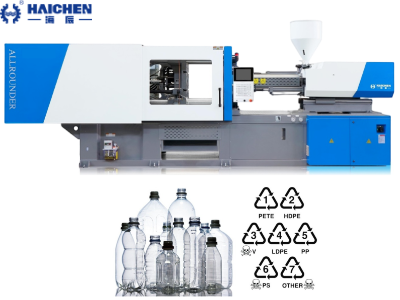
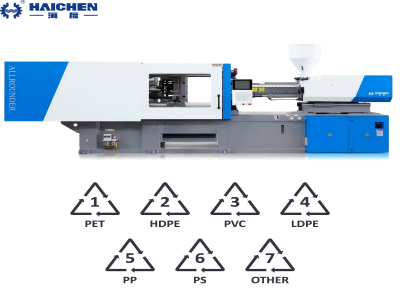
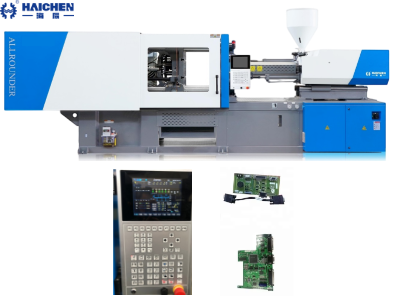
Haichen plastic injection molding machine
Haichen Machinery will customize an accurate mold according to your needs. We will design an accurate mold for you according to the drawing or sample of your product. If there is any demand for injection molding machines and injection molds, welcome to consult us.