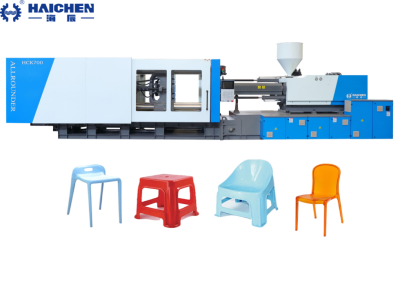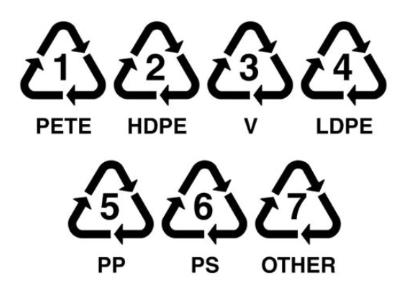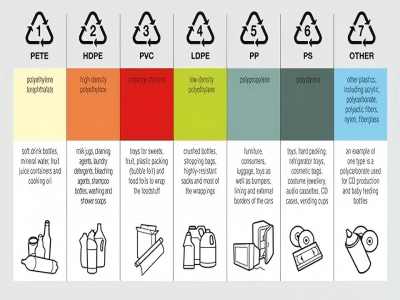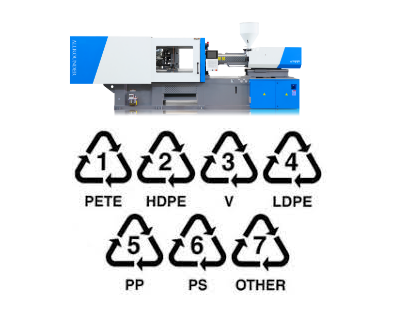
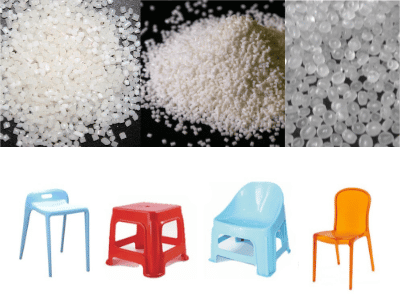
Common Plastics for Chair Production include PP, PE, PVC, ABS, PC, and TPE, chosen for their strength, durability, and comfort.

Common Plastics for Chair Production
Polypropylene (PP)
Polyethylene (PE)
Polyvinyl chloride (PVC)
ABS resin (acrylonitrile butadiene styrene copolymer)
Polyamide (PA) or Nylon
Polycarbonate (PC)
Polyurethane (PU)
Differences in Plastic Selection for Different Chair Types
Office chairs
In order to be ergonomic, the material must support long-term use.
Therefore, PA (nylon) or glass fiber reinforced PP will be used in the material selection of office chairs to ensure load-bearing stability.
At the same time, its seat surface will use PU foam layer + fabric/PVC coating to achieve balance, comfort and durability.
Outdoor chairs
Because the characteristics of outdoor chairs require waterproof, high temperature resistant, corrosion resistant, stackable design, and space saving. Therefore, HDPE or PP is often used as raw materials in design.
At the same time, anti-ultraviolet agents need to be added to prevent fading and aging. Some high-end products use modified PA to enhance weather resistance.
Dining chairs/leisure chairs
Use PP or PE injection molding, which is light and easy to clean.
Various colors, can be combined with metal brackets (such as aluminum) to enhance the structure.
Seats in public places (such as hospitals and stations)
Use flame retardant PP or HIPS (impact polystyrene) and add antibacterial agents.
High hardness, easy to disinfect, and scratch-resistant.
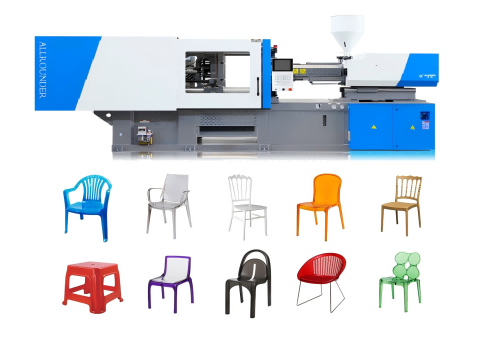
The process and reinforcement technology of plastic chairs
The manufacturing of plastic chairs is a systematic engineering that integrates materials science, mechanical engineering, and ergonomics, with the core being the collaborative optimization of injection molding processes and material reinforcement technology.
MANUFACTURING PROCESS
The production process of plastic chairs is divided into four key stages:
design phase
Based on the curve of the human spine, the curvature of the backrest and the inclination angle of the seat cushion are designed to ensure lumbar support and comfortable sitting posture
Build accurate models through CAD software, design parting lines, cooling systems, and ejection mechanisms. For example, the hollow structure of the backrest needs to achieve breathability through mold texture
Mold manufacturing stage
The mold is usually made of quenched steel or aluminum alloy to withstand high temperature and high pressure. Surface polishing or etching treatment can control the glossiness of the chair surface.
Verify the demolding slope and wall thickness uniformity (usually ≥ 2.5mm) through trial production samples to avoid deformation caused by cooling shrinkage.
Injection molding stage (core process)
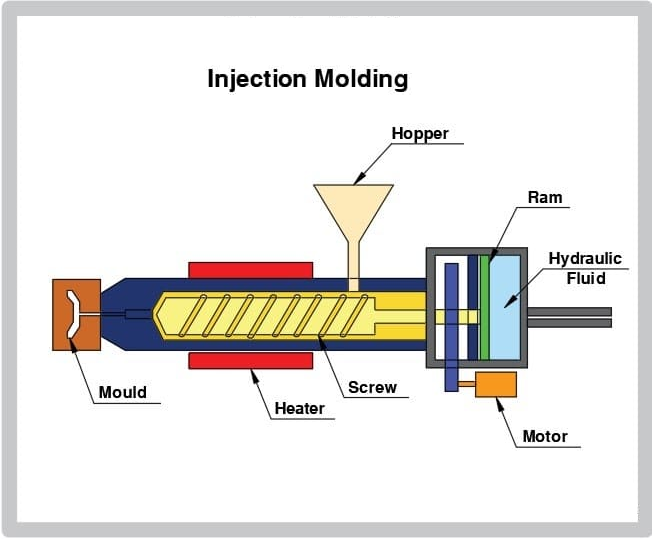
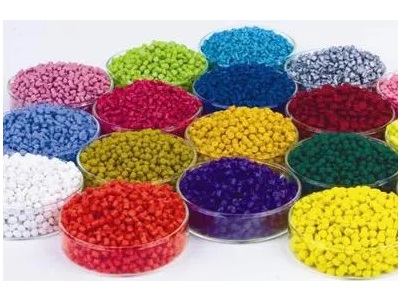
Polypropylene (PP) or high-density polyethylene (HDPE) particles are dried and sent to the feeding drum, with the melting temperature controlled at 160-300 ℃.
Process parameter control:
- Injection pressure: affects the filling speed of the melt, low pressure can easily lead to material shortage, and high pressure may cause overflow.
- Cooling time: accounting for more than 60% of the cycle, insufficient time will cause size shrinkage.
- Pressure holding: Compensates for melt shrinkage and prevents shrinkage in thick walled areas such as chair legs.
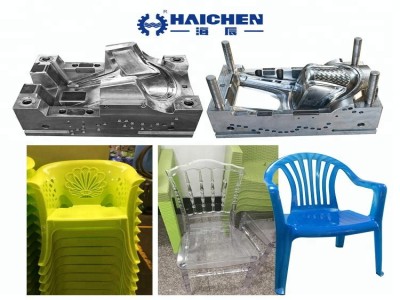
Post processing stage
Trim the sprue, remove burrs, and some parts require surface coating (UV coating) or assembly of metal accessories (such as chair legs)
Material reinforcement technology
To enhance the strength, weather resistance, and functional properties of plastic chairs, the following modification techniques are mainly adopted:
fiber reinforced
Adding 10-30% GF PP material can increase the bending strength of chair legs by more than 50%, suitable for outdoor chairs.
Carbon fiber (CF) used for high-end office chair frames to reduce weight and improve rigidity.
Blending toughening
Adding thermoplastic elastomer (TPE) to PP improves the impact resistance of the armrest area and avoids low-temperature brittle cracking.
Functional modification
Adding halogen-free flame retardants to meet fire prevention standards in public places.
Silver ion antibacterial agents are commonly used in kindergarten seats.
Structural Enhancement Technology
Metal embedded injection molding: Pre embed metal parts at the chair foot connection to enhance load-bearing capacity
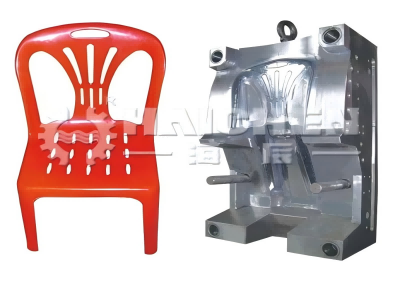
The Role of Injection Molding in Chair Production
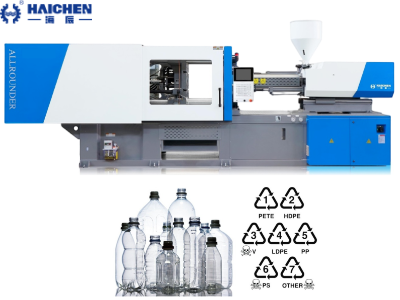
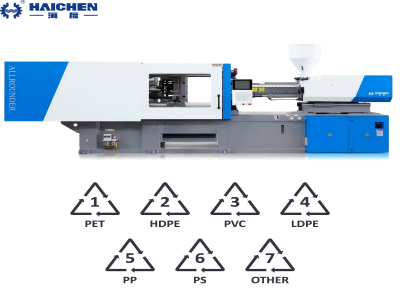
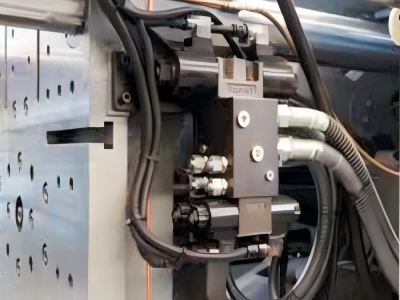
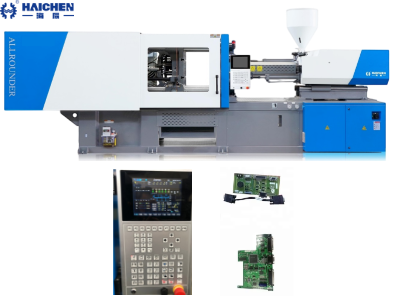
Injection molding is a production technique that consists of injecting heated plastic into a mold, where it cools and hardens into the desired shape. It is well suited for manufacturing chairs because it offers speed and precision in producing intricate shapes and details. Moreover, this process allows mass production, which reduces cost for the manufacturers.
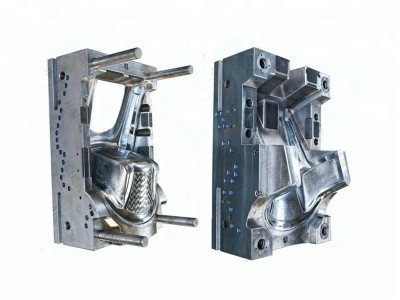
Considerations for material selection for plastic chairs include usability, price, eco-friendliness:
- Basic model: market dominance by PP/PE injection molded cheap chairs with balanced cost-to-value ratio;
- High performance scenarios: PA/ABS used for office chairs and HDPE used for outdoor chairs;
- Innovation direction: effort to broaden the use scope of engineered plastics (example fiberglass reinforced UV resistant plastics).
Thanks to material optimization processes, modern-designed plastic chairs have shed their stereotype of being “cheap and not durable,” now offering a combination of elegance and functional design.