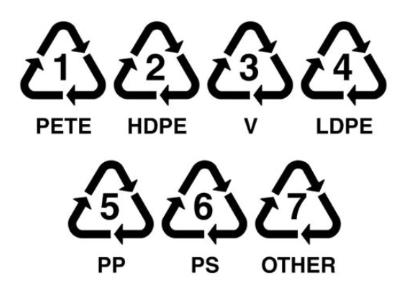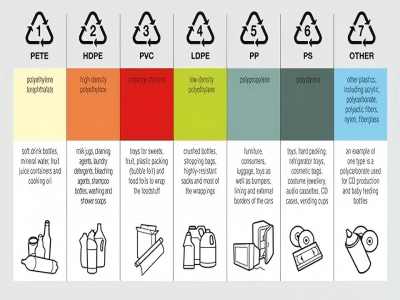
The plastic used in plastic kettles is usually PP, PS, HDPE, and ABS.
Plastic kettles are a common daily necessity, which are widely popular for their lightweight, durability, and low cost.
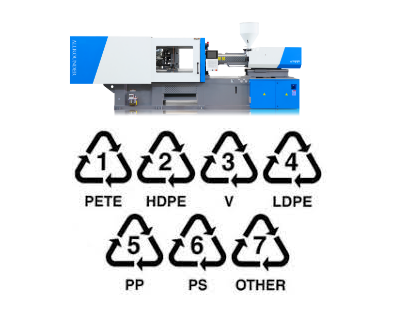
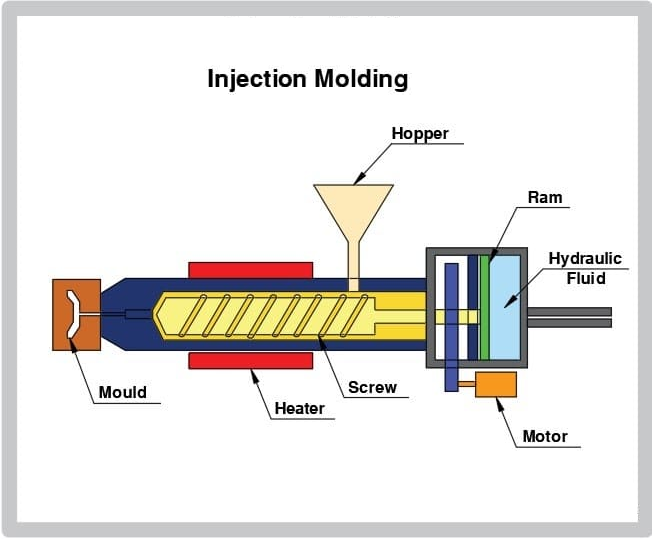
It is produced by an injection molding machine, where it is cooled and shaped to form the desired plastic kettles.
Plastic raw materials used for plastic kettles
Plastic kettle material
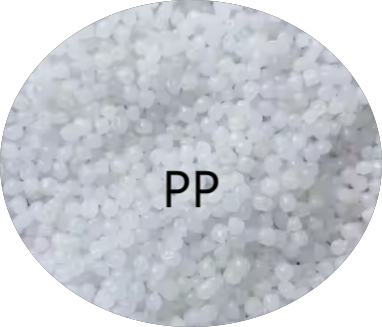
Polypropylene(PP):
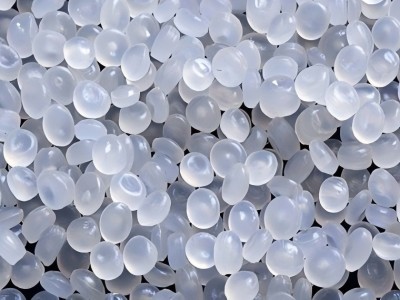 PP car lampshade
PP plastic is a material commonly used in kettles because it is heat resistant and can be used at high temperatures without decomposing, with melting points as high as 165-175°C and thermal decomposition temperatures in excess of 300°C. So it is commonly used in applications that require high temperatures and does not contain bisphenol A (BPA). In addition, PP plastic also has good chemical stability and can resist the corrosion of a variety of acids, alkalis, and organic solvents.
Polystyrene (PS):
This material is usually used for the bottom of kettles because of its rigidity. The advantages of PS plastics include high transparency, good electrical insulation, low moisture absorption, and excellent processability.
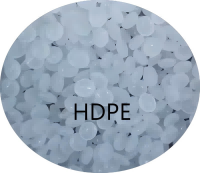
High-Density Polyethylene (HDPE):
HDPE (High-Density Polyethylene) is a highly crystalline, non-polar thermoplastic resin with excellent mechanical and processing properties. Its main properties include high density, high strength, high tensile strength, high chemical resistance, and good electrical insulation.
HDPE has a density range of 0.93 to 0.97 g/cm³ and a melting point between 120-140° Although it is not specifically mentioned for use in kettles, some of its properties may make it suitable for use in certain kettle components.
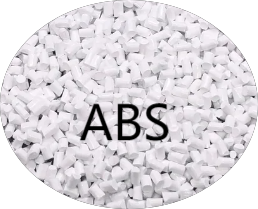
ABS plastic:
ABS plastic is commonly used in the manufacture of electric kettle shells because it has good heat resistance and processing performance.
It is widely used due to its excellent comprehensive performance and wide range of applications.
It is widely used in the manufacturing industries of machinery, electrics, textiles, automobiles, airplanes, and so on.
ABS plastic is used to make washing machines, air conditioners, refrigerators, fans, and other products.
Safety is an important consideration when choosing a plastic kettle. Some plastic materials, such as BPA, can leach into water at high temperatures, posing a potential health risk.
Therefore, choosing a kettle that is labeled “BPA-free” can avoid this potential hazard. In addition, make sure the kettle is made of food-grade materials that are designed to be safe for contact with food and beverages.
Plastic electric kettle
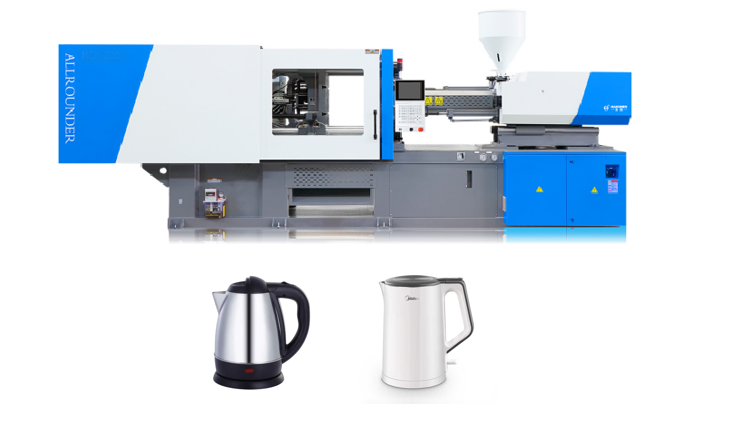 plastic electric kettle
Injection molding of plastic electric kettles is a common manufacturing process used to produce components such as shells and liners for plastic electric kettles. This process is carried out by heating plastic granules to a molten state, then injecting them into a mold cavity under high pressure, cooling and curing them to form a product of the desired shape.
Key Requirements for Plastic Electric Kettle Production
Material:
Plastic electric kettles are typically made from heat-resistant, food-grade plastics such as:
Polypropylene (PP): Common for kettle bodies due to its heat resistance and durability.
Polycarbonate (PC): Used for transparent or high-strength parts (ensure BPA-free for safety).
ABS (Acrylonitrile Butadiene Styrene): Used for handles or decorative parts.
Part Design:
Electric kettles consist of multiple components, such as:
Body: The main housing of the kettle.
Lid: Often includes a hinge or locking mechanism.
Handle: Ergonomically designed for ease of use.
Base: Houses the heating element and electrical components.
Each part may require a separate mold and injection molding process.
Precision and Surface Finish:
High-quality surface finishes are essential for aesthetic appeal.
Tight tolerances are required to ensure proper assembly and functionality.
Plastic teakettle
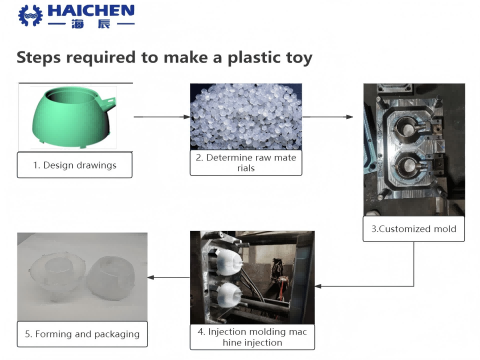 plastic toy manufacturing process
A plastic teakettle is a type of electric kettle made primarily from plastic materials, designed for boiling water quickly and conveniently. Here are some key points about plastic teakettles:
Common Plastic Materials
- Polypropylene (PP): This is a widely used plastic material for teakettles due to its heat resistance and durability. It can withstand high temperatures and is relatively safe for use in boiling water。
- Polycarbonate (PC): This material is strong and transparent, but it may contain bisphenol A (BPA), which is associated with hormone imbalances and other health issues。Many modern plastic kettles are now labeled as BPA-free to address these concerns。
Safety Concerns
- Chemical Leaching: When heated, plastic materials can potentially leach harmful chemicals such as BPA, phthalates, or other endocrine-disrupting compounds into the water。Even BPA-free plastics may contain similar compounds like BPS or BPF。
- Environmental Impact: Plastic kettles are not environmentally friendly as they contribute to plastic waste。
Alternatives to Plastic
- Stainless Steel: This is considered one of the safest materials for teakettles. It is inert, durable, and does not leach harmful chemicals even at high temperatures。
- Borosilicate Glass: This material is resistant to thermal shock and does not release harmful substances. It is a safe and transparent option for boiling water。
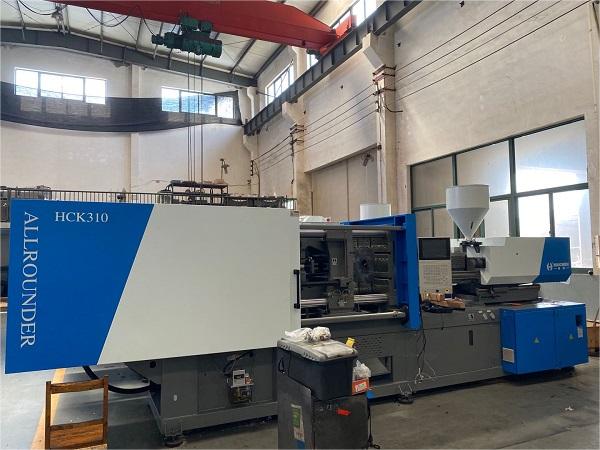
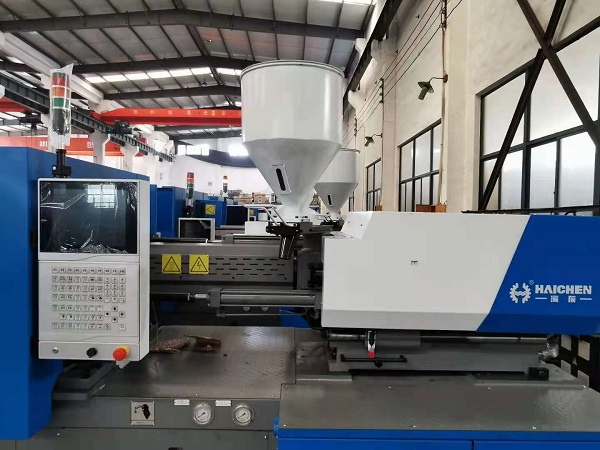
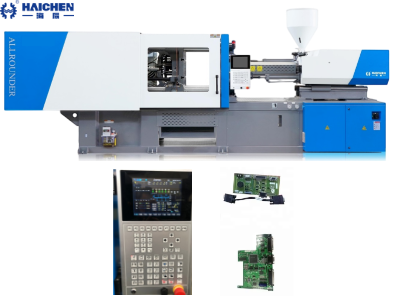
Haichen plastic injection molding machine for plastic kettles
Haichen Machinery has rich experience in producing plastic kettles. We can give you professional technical support. If there is any demand for plastic kettles injection molding machines, welcome to visit our website to learn the production information of different products. Welcome to consult us.