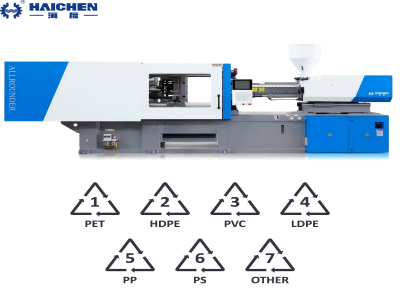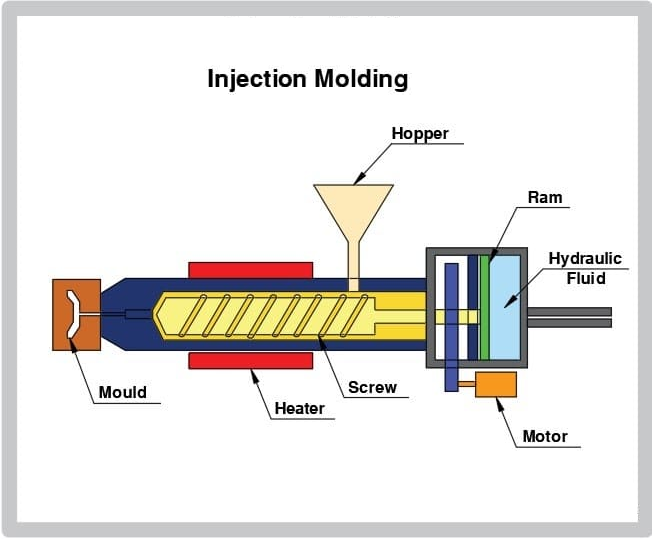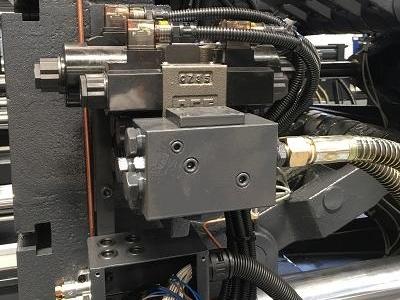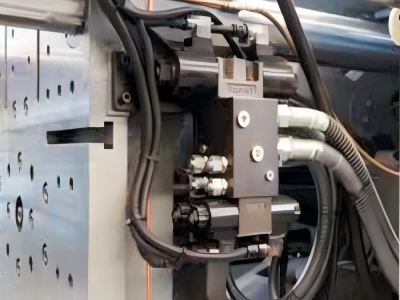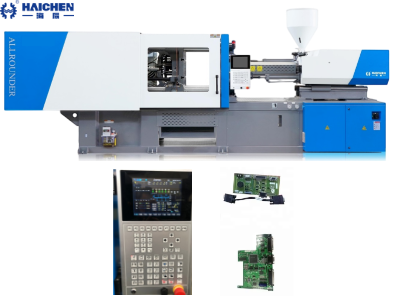
Injection moulding machine types, including hydraulic, electric, and hybrid moulding machine types. Each type offers unique advantages.
Injection molding is a widely used manufacturing process for producing plastic parts in large volumes. It involves injecting molten material into a mold cavity, allowing it to cool and solidify, and then ejecting the finished product. However, there are many types of injection molding machines. While injection molding machines come in various sizes and configurations, this article will focus specifically on small injection molding machines.
These machines are ideal for small-scale production, prototyping, and research and development purposes. Let’s delve into the 10 different injection molding machine types available today.
- Hydraulic Injection Molding Machines
- All Electric Injection Molding Machines
- Hybrid Injection Molding Machines
- Micro and Mini Injection Molding Machines
- Vertical injection molding machine
- Horizontal injection molding machine
- Angle injection molding machine
- Multi mode injection molding machine
- Combination injection molding machine
- Multi color injection molding machine
How many types of injection moulding machines are there?
A common industry question is: “How many types of injection moulding machines are there?” The answer depends on classification criteria. Broadly, types of injection moulding machine can be categorized into:
By Drive System (4 primary injection molding machine types):
- Hydraulic
- Electric
- Hybrid
- Micro/Mini
By Structure & Injection Method (key moulding machine types):
- Horizontal vs. vertical
- Two-platen vs. three-platen
- Reciprocating screw vs. plunger
This framework to classify moulding machines helps manufacturers select equipment for needs ranging from high-volume production (types of injection moulding) to precision micro-components. Whether evaluating what are the different types of moulding machine? or comparing types ofiniection molding machine understanding these categories ensures optimal investment.
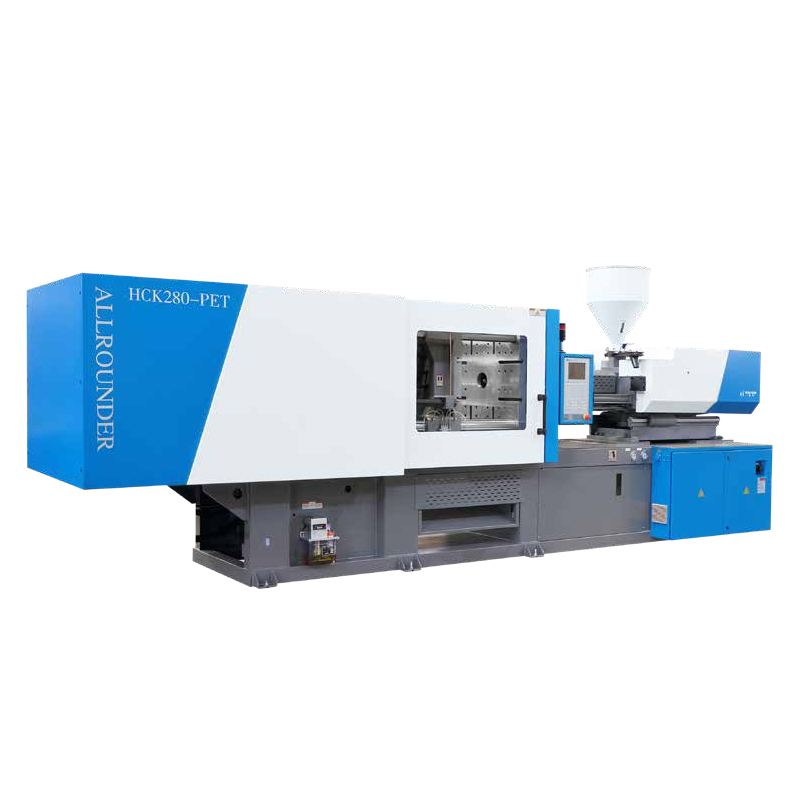
Hydraulic Injection Molding Machines
Hydraulic types of injection moulding machines are among the most common types used in the industry, including small-scale applications. These machines utilize hydraulic systems to generate the necessary pressure for injecting molten plastic into the mold cavity. Type of mouling machine-Hydraulic machines offers excellent control over the injection process, allowing for precise and consistent results. With their high clamping force capabilities, hydraulic machines are suitable for molding complex and large-sized parts. However, it’s important to note that they may be slower compared to other types, which can impact production efficiency.
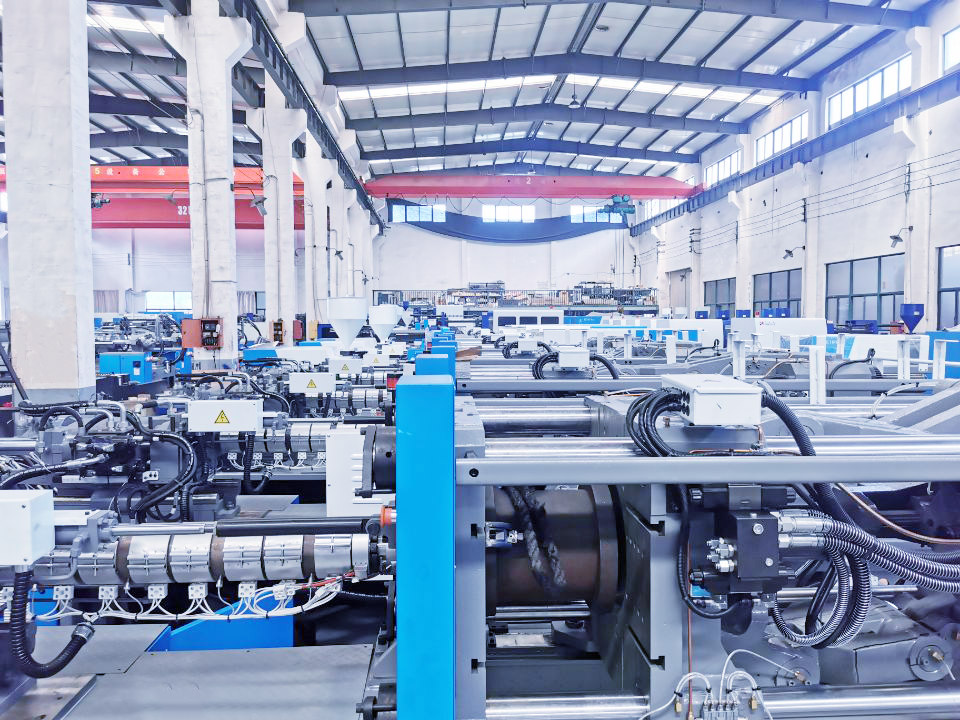
The types of moulding machine-hydraulic injection molding machines can be classified from multiple perspectives:
- According to the plasticization method: hydraulic injection molding machines can be divided into plunger type and screw type;,
- According to the molding method: it can be divided into hydraulic, mechanical, and hydraulic mechanical (connecting rod) types;
- According to the operation mode: injection molding machines are divided into automatic, semi-automatic, and manual.
All Electric Injection Molding Machines
All Electric types of injection moulding machines have gained popularity due to their energy efficiency and high precision. These types of injection moulding machines employ electric servo motors to drive various functions instead of relying on hydraulic power. The use of electric drives enables faster response times, improved repeatability, and reduced energy consumption. These types of injection moulding machines-Small electric machines are ideal for producing small to medium-sized parts that require high precision and fast cycle times. Additionally, they offer quieter operation and reduced maintenance compared to hydraulic machines. However, it’s worth noting that electric machines may have limitations when it comes to molding large or heavy parts due to their lower clamping force compared to hydraulic machines.
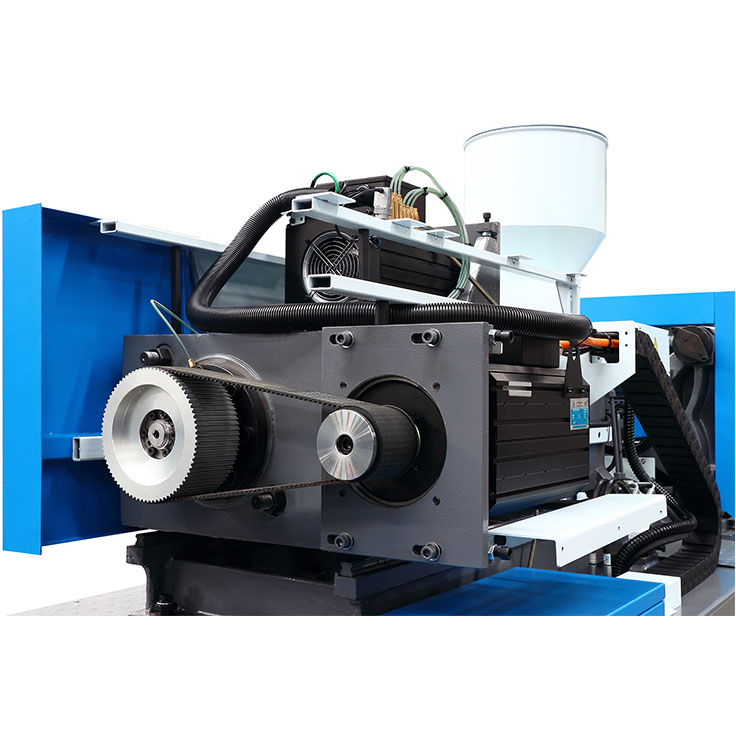
Hybrid Injection Molding Machines
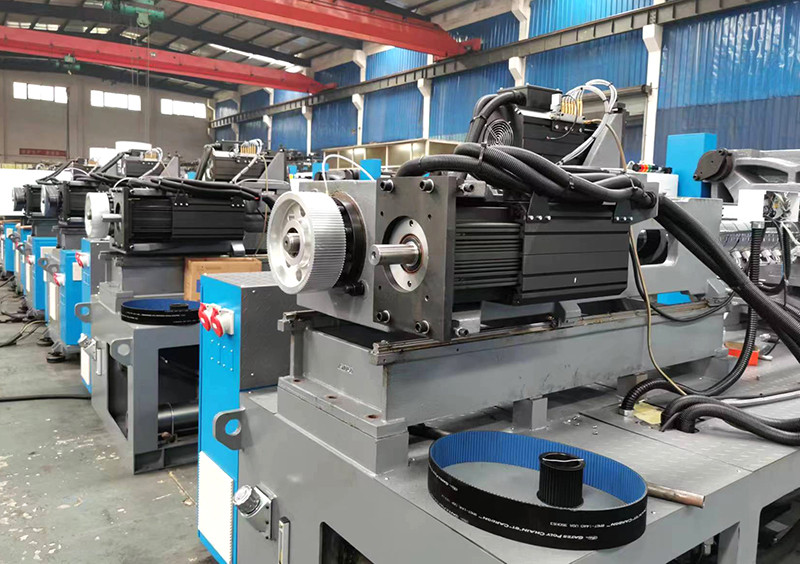
Hybrid types of injection moulding machines combine the best features of hydraulic and electric machines. These machines utilize a combination of hydraulic and electric drive systems to optimize performance and energy efficiency. Hybrid machines offer the precision and speed of electric machines while maintaining the high clamping force capabilities of hydraulic machines. This makes them versatile and suitable for a wide range of applications, including small-scale production. Hybrid machines are often favored when production requirements call for a balance between energy savings, performance, and flexibility.
Micro and Mini Injection Molding Machines
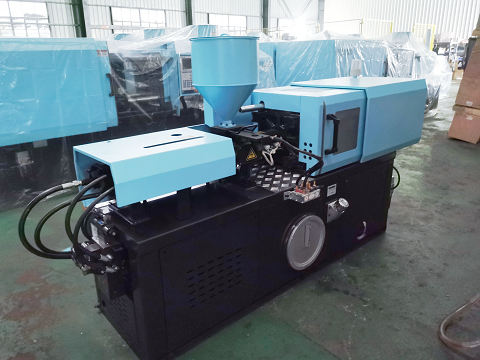
Micro and mini injection molding machines are specifically designed for producing small and intricate plastic parts. These compact machines offer high precision and repeatability, making them ideal for industries such as electronics, medical devices, and automotive, which require components with tight tolerances. Micro and mini machines are available in various configurations, including electric and hybrid drive systems, to achieve the necessary accuracy for molding miniature parts.
Application fields of small injection molding machines
The application fields of These types of injection moulding machines- small injection molding machines include the following main areas:
Electronic product manufacturing
Small injection molding machines play a key role in producing plastic components such as phone cases, charger cases, battery compartments, etc. These components typically require high-precision and high-efficiency injection molding processes.
Automotive parts
Small injection molding machines are widely used in the automotive industry to produce complex and customized plastic parts, such as instrument panels, door panels, steering wheel components, as well as bumpers, and body panels
Medical equipment
Micro injection molding machines are used to produce complex plastic components in medical devices, such as surgical tools and implants, and are highly favored for their biocompatibility and high-precision requirements
laboratory
The production volume of laboratory products is very small, so there is no need to consider production capacity. Therefore, the cost of small injection molding machines is very suitable for laboratory teaching.
3C products
Small injection molding machines play an important role in the production of computer, communication, and consumer electronics products.
From the information I searched, it can be seen that small injection molding machines have important application value in multiple manufacturing fields due to their high precision and efficiency.
Types of injection moulding
- Thermoplastic injection molding
- Elastomer injection molding
- Co-injection molding
- Micro-foam injection molding
- Two-component injection molding
- Exhaust injection molding
- Thin-wall molding
- Extrusion molding
Injection molding is a common plastic manufacturing process that is widely used in various industrial fields. Injection molding can be divided into many types according to different needs and material properties. Here are several major types of injection molding:
Thermoplastic injection molding
This is the most commonly used type of injection molding, using thermoplastic materials (such as polypropylene, nylon, etc.) that become more ductile when heated, and injecting the molten material into the mold under high pressure.
Elastomer injection molding
This type of injection molding is mainly used to produce plastic products with elasticity, such as rubber products.
Co-injection molding
Two or more different materials are injected into the cavity at the same time to produce multi-material parts.
Micro-foam injection molding
This is an innovative precision injection molding technology that fills the product through pore expansion and forms tiny bubbles during cooling, thereby reducing weight and improving the flatness and dimensional stability of the product.
Two-component injection molding
Using Openair-Plasma® technology to process surface activation, allowing previously incompatible materials to bond together, often used to combine soft-touch materials with hard materials.
Exhaust injection molding
Volatile substances generated during the polymerization-solidification process are discharged through a specific procedure to ensure the quality of the product.
Thin-wall molding
Suitable for manufacturing plastic parts with very thin walls, usually used for testing instruments, electronic equipment, containers, etc.
Extrusion molding
Although not injection molding in the traditional sense, it is also an important method of plastic molding, mainly used for the continuous production of fixed-shape products.
Classified by external structure
Vertical injection molding machine
The injection device and the locking device are on the same vertical centerline, and the mold opens and closes in the up-down direction.
Horizontal injection molding machine
The injection device and locking device are arranged in parallel, and the mold opens and closes on a horizontal plane.
Angle injection molding machine
The injection device and the locking device are arranged at a certain angle.
Multi mode injection molding machine
capable of injecting multiple molds simultaneously.
Combination injection molding machine
composed of multiple independent injection molding units.
Classification by the number and function of injection systems
According to the number and function of the injection system, moulding machine types can be divided into single-color injection molding machine and multi color injection molding machine.
Single-color injection molding machine
Single-color injection molding machine has only one injection system and produces plastic products of a single color or a single material.
Multi color injection molding machine
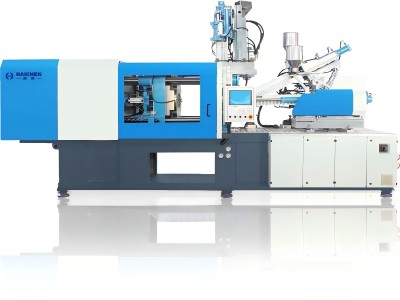
Multi color injection molding machine has two or more injection systems, each of which can independently inject plastic materials of different colors or different materials.
It can produce complex plastic products with multiple color levels and different material combinations to meet special product needs and market requirements.
Choosing the Right Type of Moulding Machine
With so many moulding machine types available, consider these factors:
- Production Volume: Hydraulic/hybrid machines suit large batches; electric excels in rapid prototyping.
- Energy Efficiency:Electric machines cut power costs by up to 60% versus hydraulic.
- Part Complexity: Multi-system machines handle intricate geometries.
At Haichen, we offer free consultations to help you navigate these options and identify the ideal
HAICHEN Injection molding machines offer a range of options for manufacturers, researchers, and entrepreneurs looking to produce plastic parts on a scale. Whether you need high clamping force, energy efficiency, precision, or a combination of these features, there is a suitable machine available. Hydraulic machines provide robustness and versatility, while electric machines offer energy savings and speed. Hybrid machines strike a balance between the two, and micro and mini machines cater specifically to the production of small, intricate components. Understanding the different types of injection moulding machines-small injection moulding machines will help you make an informed decision when selecting the most suitable machine for your specific requirements.