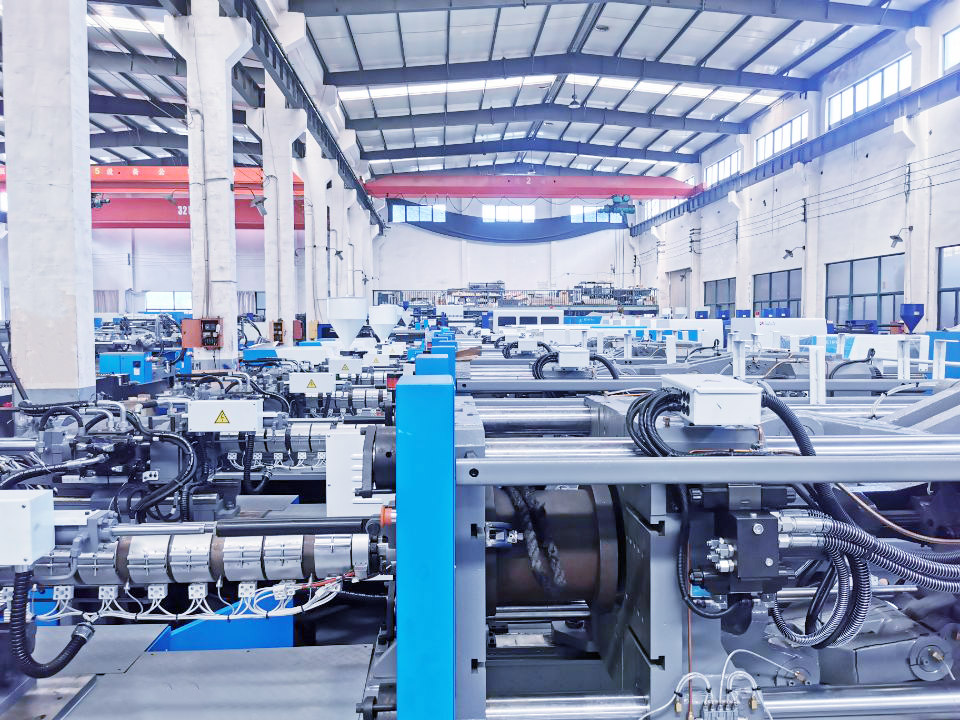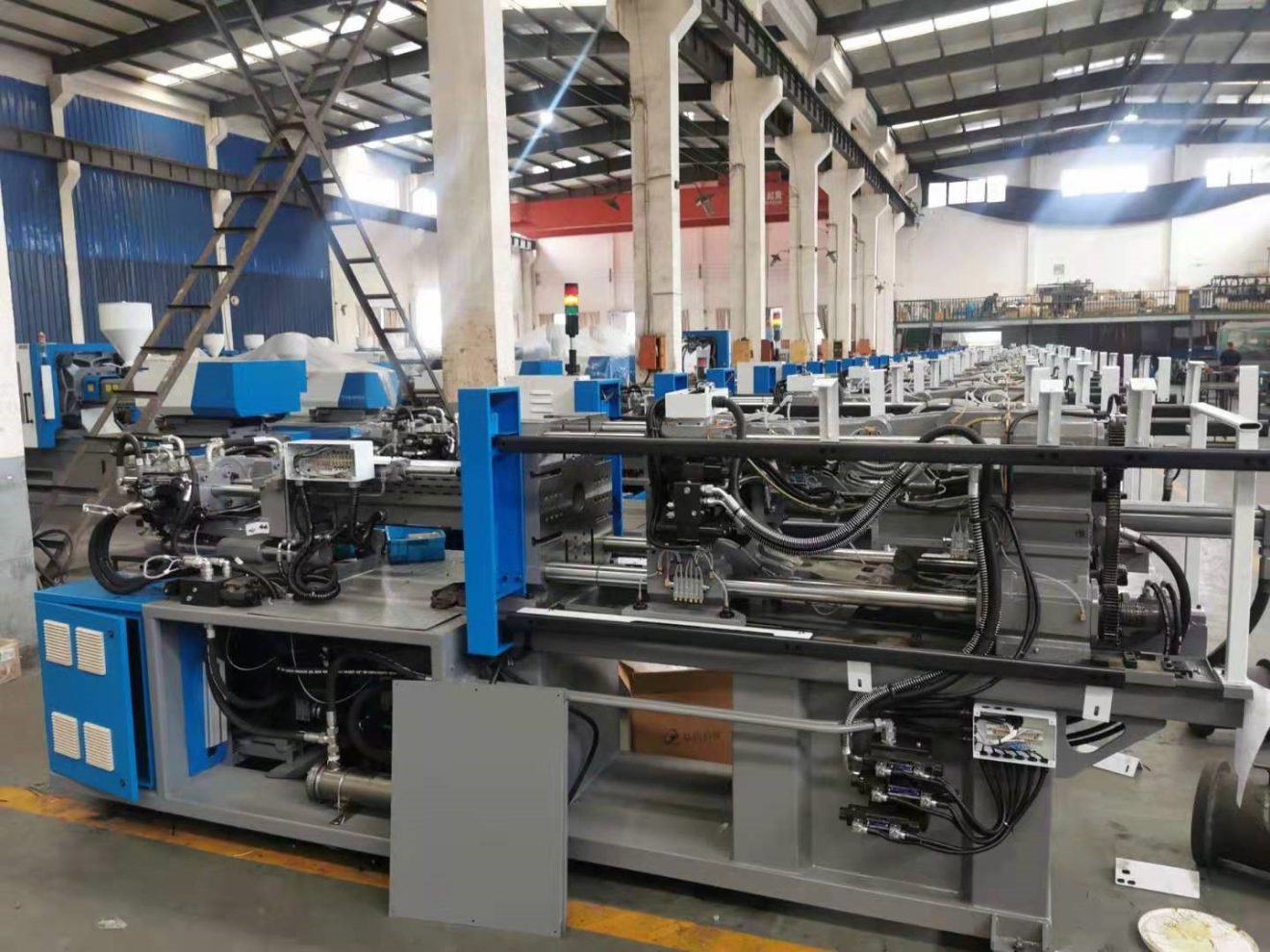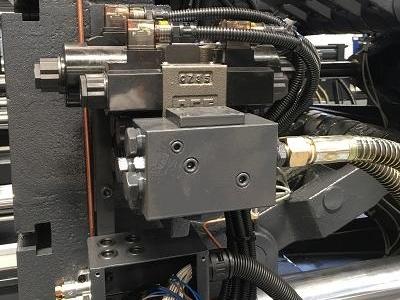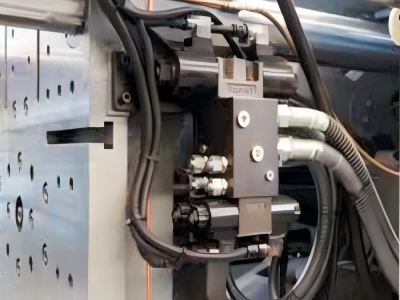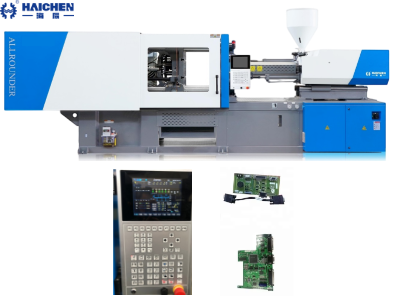
Programmable Logic Controller (PLC) of injection molding machines is the core control system of the injection molding machine.
PLC ensures the high precision of the injection molding process and the product quality by accurately controlling key process parameters. Such as temperature, pressure, injection speed, etc.
In this blog, we will analyse from PLC haredware and system composition to know what does it mainly consist of. Secondly, we will list Programmable Logic Controller (PLC) functions. Thirdly,
compared PLC with traditional controller. Thus you can clearly know injection molding machine PLC.
PLC hardware and system composition
Programmable Logic Controller (PLC) of injection molding machine it consisit of hardware and system, the details as below:
Core components
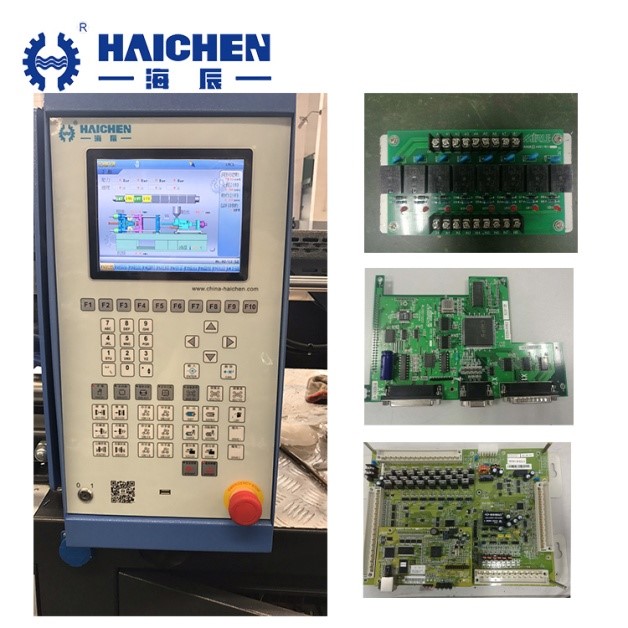
including processor, memory, power supply, I/O interface and communication module.
Input/output devices
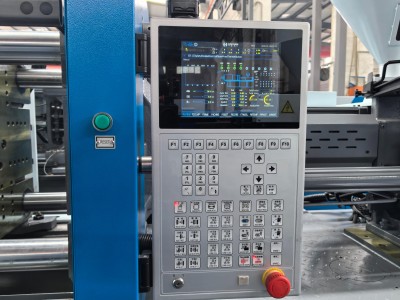
Input: control panel buttons (such as A-J buttons to set parameters), sensors (detect position/temperature/pressure).
Output: hydraulic valves (control mold clamping cylinders), servo motors (drive robot arm movement) and other actuators.
User interface
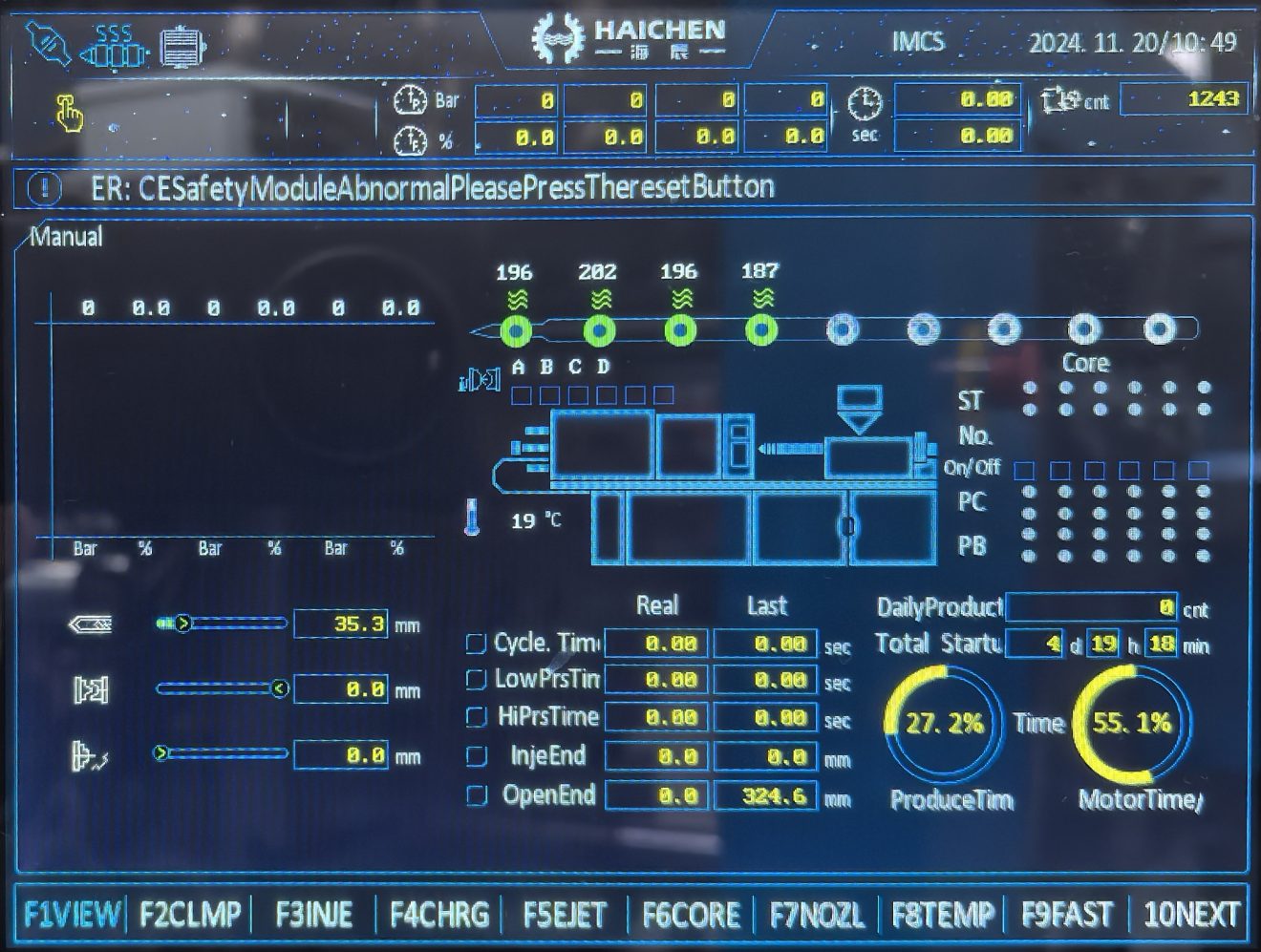
modern PLCs are equipped with touch screens, which display data in real time and support parameter adjustment, replacing traditional knobs/indicator lights.
Programmable Logic Controller (PLC) functions
PLC likes the “brain” of the injection molding machine. It controlls parameters such as temperature, pressure, and injection speed.
The efficiency and repeatability of PLC are crucial for the injection molding process. This indicates that the core function of PLC is to precisely control the entire production process
Core control functions
- Precise control of process parameters: PLC, as the “brain” of the injection molding machine, ensures production stability and product consistency by real-time monitoring and adjustment of key parameters (such as temperature, pressure, injection speed, mold closing time, ejection pressure, etc.).
- Multi-mode operation: The PLC system supports manual, semi-automatic, and fully automatic modes:
- Manual mode: The operator can set each step parameter (such as pressure, time) independently.
- Semi-automatic mode: Stop after a single cycle and need to be restarted manually.
- Fully automatic mode: Continuous operation according to the preset program without intervention.
- It is mentioned that these three modes are realized after the PLC transformation, which significantly improves flexibility.
- The PLC control system monitors the heating and cooling systems. It automatically adjusts to maintain the required temperature range. Thereby ensuring temperature stability during the injection molding process.
- The PLC can also accurately control the plastic injection volume, speed, and pressure to ensure the injection effect and product quality. These functions give PLC significant advantages in injection molding machine control. Such as high reliability, convenient programming, strong anti-interference ability, and easy maintenance.
Key control links
PLC covers the entire injection molding process, including:
Mold closing control
dynamic mold movement speed, position and mold closing time.
Injection stage
manage injection port movement, sealing and material pressure/speed.
Pressure holding stage
monitor mold pressure and cooling temperature, compensate for material shrinkage.
Point out that PLC can programmatically adjust the pressure holding strategy to reduce defects.
Ejection and mold opening: set ejection pressure/time to prevent product damage, and the mold opening speed requirement is low
PLC compared with traditional controller
We will analyze and compare PLC with traditional controller from the aspects of definition, flexibility, and functionality
Hardware structure and principle
- PLC: Based on microprocessors and integrated circuits, it uses digital electronic devices, including CPU, memory, I/O interface and other modules, and implements control logic through software programming. It uses “soft relays” and “soft contacts” internally, has no mechanical wear and has a long life.
- Traditional controllers: rely on physical components such as relays, contactors, fuses, etc., and realize logical control through hard wiring. Mechanical contacts are easy to wear, have a short life, and the wiring is complicated.
Flexibility
- PLC: Control logic can be adjusted by modifying the program without changing hardware or rewiring, and it is highly adaptable. It supports complex functions (such as step control, high-speed counting, data acquisition) and algorithm expansion.
- Traditional controller: Function changes require hardware replacement or rewiring, poor flexibility, and is only suitable for fixed and simple control tasks.
Cost-effectiveness
- Initial cost: Traditional controllers may be cheaper in simple scenarios, but PLCs have significant long-term advantages in complex systems.
- Long-term cost: PLCs are small in size (saving 20-50 times the space of the switchboard), easy to assemble, labor-saving and material-saving, and shorten the engineering cycle
- Low maintenance cost: PLCs support remote monitoring and self-diagnosis, and troubleshoot quickly; traditional system maintenance requires skilled technicians, which is time-consuming and labor-intensive
Traditional injection molding machines are mostly controlled by relays, which have problems such as complex circuits, high failure rates, and inconvenient maintenance. Programmable Logic Controller (PLC) of injection molding machine applications can effectively solve these problems.
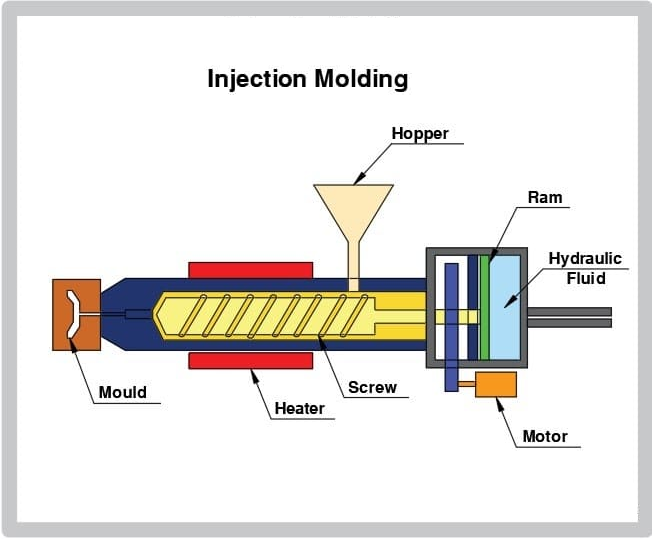
The control system of modern injection molding machines is usually matched with PLC and hydraulic systems to enable the machine actuator to complete the process in a predetermined order. This combination not only improves production efficiency but also enhances the intelligence level of the system.
PLC controller
Programmable Logic Controller application
The application of a programmable logic controller (PLC) is not limited to the program control of injection, mold closing, and injection table advance and retreat.
It also extends to closed-loop control of temperature control and pre-plastic metering processes. Various PLC manufacturers are developing special modules for injection molding machines, showing the broad prospects of PLC in the field of injection molding machine control.
We are Haichen Machinery, a Chinese manufacturer of plastic injection molding machines.
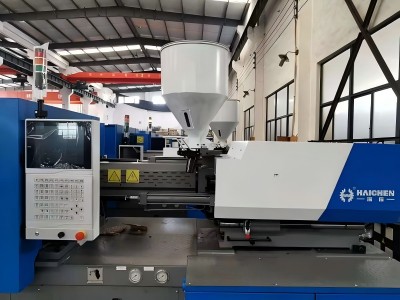
Programmable Logic Controller (PLC) of injection molding machines, we used with famous international or our domestic brands for selection. These ensure our small injection molding machine with highly precise injection and stable working performance.
Programmable Logic Controller (PLC) of injection molding machines applied to the control system, greatly improves the automation level. And it also improves the production efficiency of injection molding production.
Haichen injection molding machine
Haichen is one Chinese injection molding machine manufacturer. Our servo energy saving injection molding machines quality under CE safety standards certificated.
Haichen have rich experience of producing plastic products, with successfully cases for your reference. We can supply complete production line as per customer’s specific demand.
Consider the above. You can choose a suitable plastic injection molding machine and mold to ensure product’s quality and production efficiency.