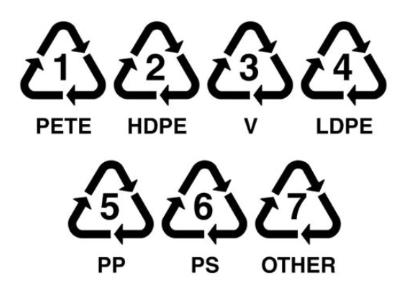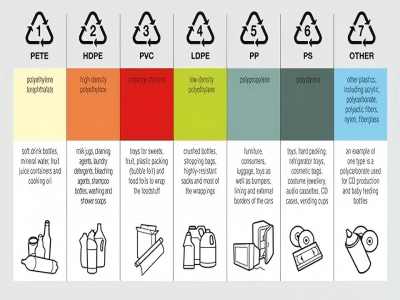
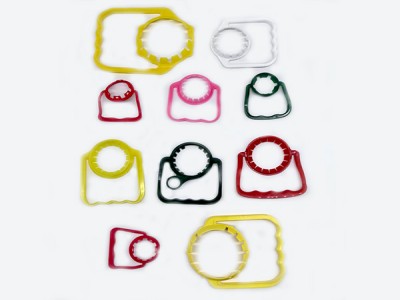
Bottle handle plastic raw materials typically include PE, PP, PVC, ABS, and PC, chosen for their strength, flexibility, and durability.
Handles on bottles need to be well designed for striking a perfect balance between looks and functionality.
Moreover, these handles are made from certain plastics that are strong, yet easy to manage and are not prone to damage from the environment.
A well made bottle handle goes a long way in ensuring the right plastic raw materials have been selected.
This article aims to highlight the common plastic raw materials and their respective properties used for making bottle handles.
Common Bottle handle plastic raw materials
- Polyethylene (PE)
- Polypropylene (PP)
- Polyvinyl Chloride (PVC)
- ABS Plastic
- Polycarbonate (PC)
Polyethylene (PE)
Polyethylene is a common choice for handle materials due to their low-temperature flexibility, good impact resistance, and light weight. Moreover, they provide good impact resistance which is ideal for handles on bottles that may be dropped or knocked.
Polypropylene (PP)
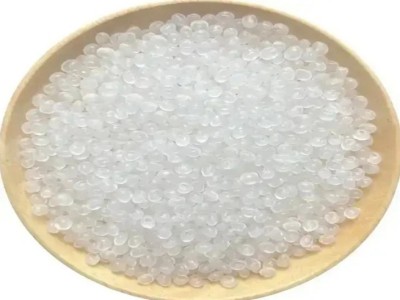
Due to its resistance to heat and chemical, we often use polypropylene for handles on containers. Polypropylene is famously use due to its ability to withstand higher temperatures or harsh cleaning agents.
Polyvinyl Chloride (PVC)
PVC is valued for its strength and durability attributes, thus is often use where handles are subjected to considerable wear and tear.
ABS Plastic
ABS (Acrylonitrile-Butadiene-Styrene) is one of the most liked plastic materials due to its impact resistance, strength, and toughness. For handles that are heavily abuse and need to resist deformation, ABS is very suitable.
Polycarbonate (PC)
For transparent plastic handles that need strength, we use polycarbonate due to its strength and clarity. We use PC where high transparency is require, for example, in decorative handles and clear containers.
The Role of Injection Molding in Bottle Handle Production
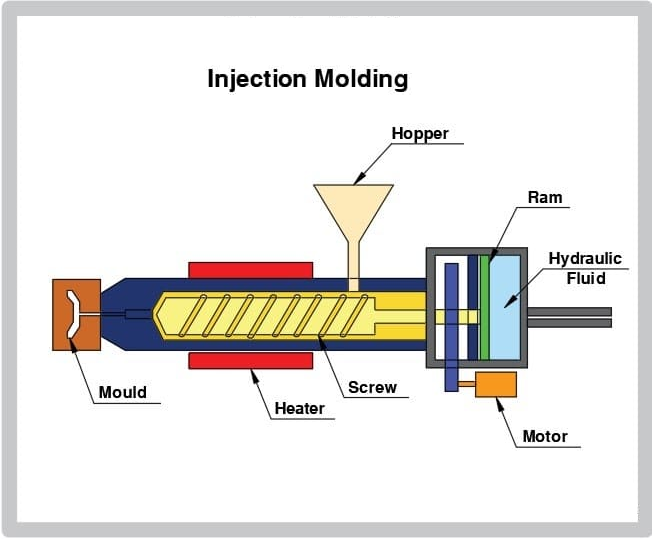
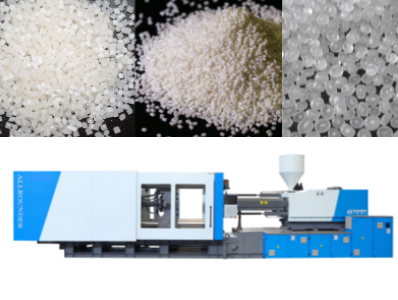
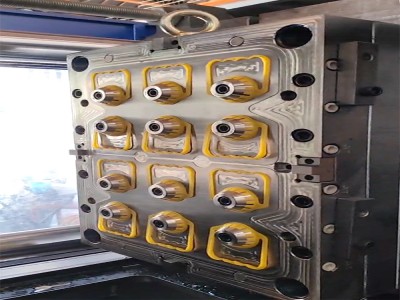
Most bottle handles are produced through injection molding. This method of plastic processing involves the melting of plastic raw materials and forcing them into a mold of the shape of the handle.
After the mold cools down, the handle is separate. This method is cost effective and yield high production efficiency. It is possible to create handles of complex geometrical shapes.
Core Material Requirements for Injection Molding
The following parameters must be optimize for the injection molding of bottle cap handles to match the material properties:
Flow Control
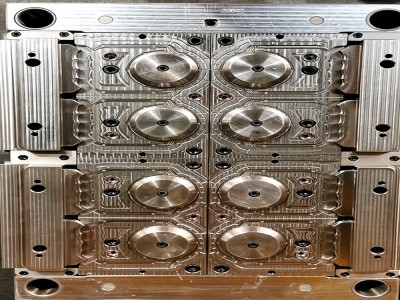
- PP has better flow than PE and is suitable for complex mold structures (such as multi-cavity molds).
- Adding lubricants (such as stearates) can improve the flow of PE and reduce flash.
Temperature and Pressure Parameters
| Material | Barrel Temperature (°C) | Injection Pressure (kg/cm²) | Mold Temperature (°C) |
| PP | 200-280 | 800-1200 | 40-80 |
| HDPE | 180-260 | 700-1000 | 50-70 |
| LDPE | 160-240 | 600-900 | 30-50 |
Key Points:
- PP requires higher injection pressure to overcome melt viscosity.
- PE cools slowly, requiring a longer hold time to prevent sink marks.
Shrinkage Compensation
- PP shrinkage is 1.0-2.5%, while PE shrinks 2-4%. Mold design should allow for expansion.
- Adding glass fiber (PP+GF) can reduce shrinkage to 0.5-1%.
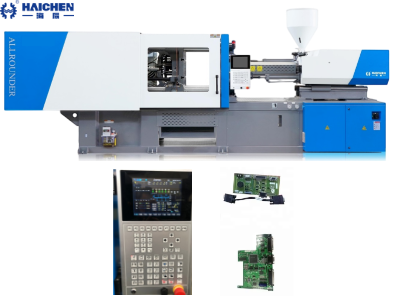
HAICHEN: Injection Molding Machine Manufacturer for Plastic Bottle Handles
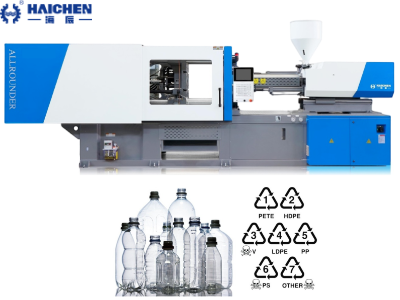
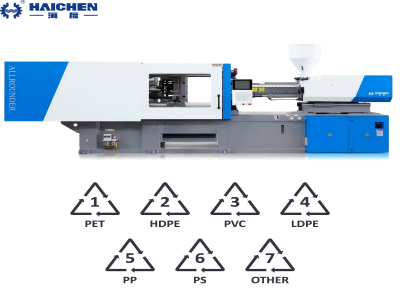
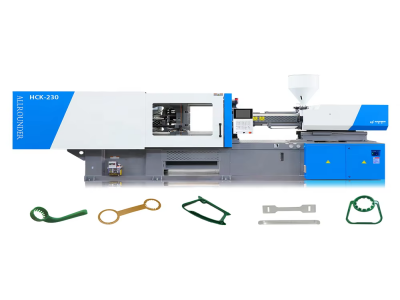
HAICHEN is one of the known manufacturers of machines for injection molding, particularly, for the production of plastic bottle handles.
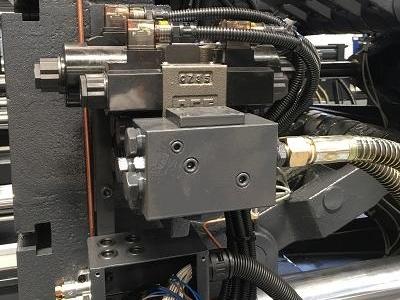
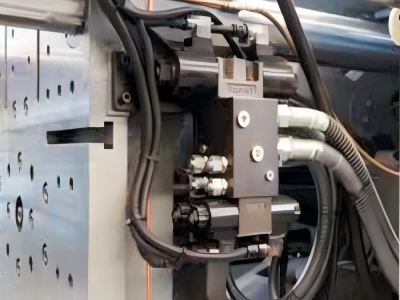
We design machines for precision and reliability such that every handle is produce consistently.
HAICHEN’s machines are known for their versatility in the types of plastic they can use for different types of bottle handle production.
With a commitment to innovation and quality, HAICHEN has become a trusted partner for manufacturers looking to produce high-quality plastic bottle handles.
The bottle handle plastic raw materials and the process of injection molding are critical to the production of durable and functional bottle handles.