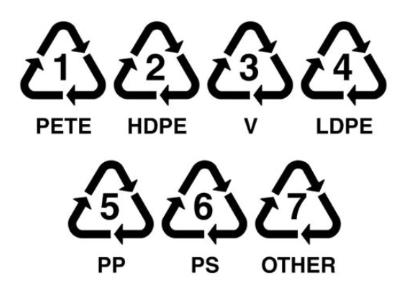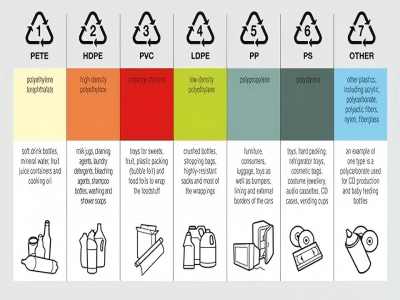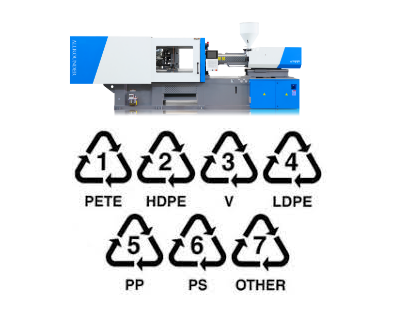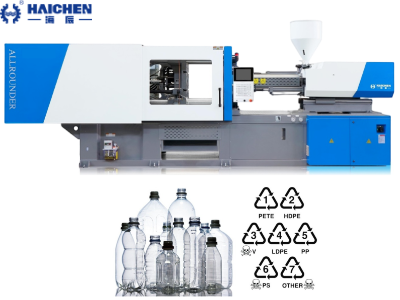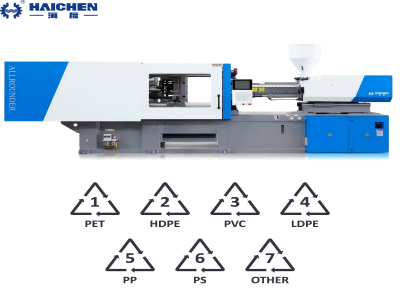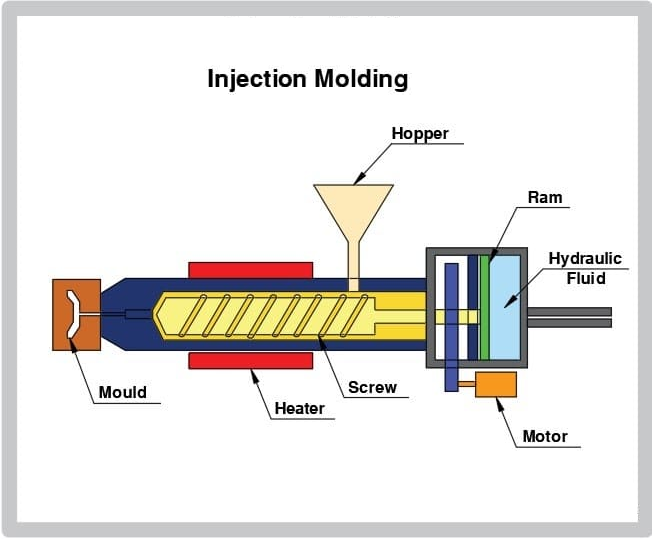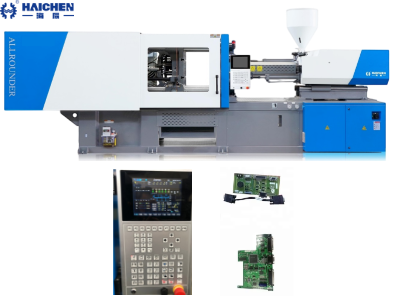
Different plastic types includes Polyethylene terephthalate (PET), High-density polyethylene (HDPE), Polyvinyl chloride (PVC) and so on.
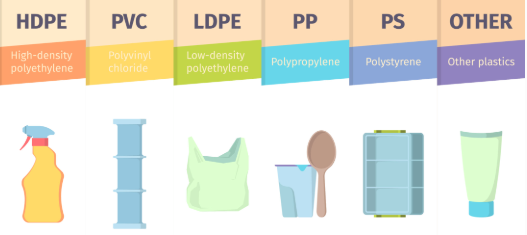
There are many types of plastic, including thermoplastics, thermosets, and engineering plastics. Some common types of plastic include polyethylene terephthalate (PET), high-density polyethylene (HDPE), and polypropylene (PP).
Plastic is a widely used synthetic or semi-synthetic organic polymer. That can be divided into many types based on its chemical structure and physical properties. Here are some of the main different types of plastics and their characteristics:
Polyethylene terephthalate (PET)
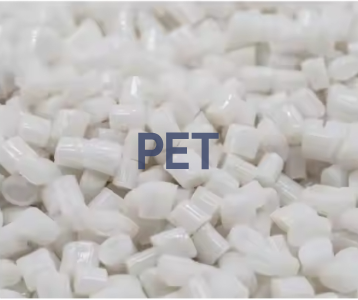
PET is one of the most common plastic material. It is lightweight, transparent and chemically resistant. In addtion, it often uses in food packaging (such as beverage bottles, food containers), fibers and ropes, etc.
Appearance
Typically transparent or translucent, can be dyed (e.g., green, amber), with a smooth surface.
Structure
Semi-crystalline thermoplastic, combining rigidity and toughness.
Key Properties
- Lightweight and high strength
- Excellent gas and moisture barrier (anti-oxidation)
- Acid and alkali resistance (but limited heat resistance, 60-85°C)
- Good abrasion resistance and dimensional stability
Main Application Areas
Packaging Industry (largest share)
- Beverage bottles (water, carbonated beverages, cooking oil)
- Food containers (salad dressing, condiment bottles, lunch boxes)
High-density polyethylene (HDPE)
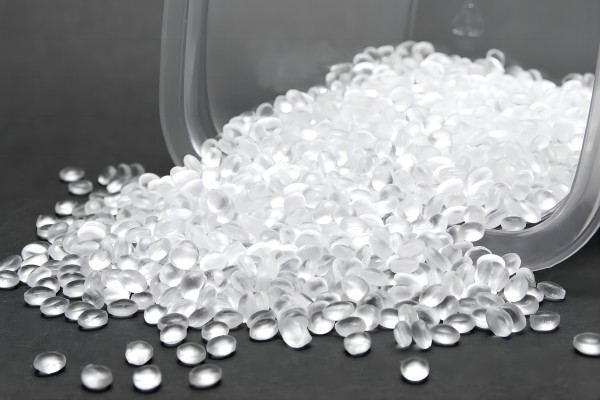
HDPE is a heat-resistant plastic material. It commonly uses to make beverage bottles, detergent bottles, toys, and milk containers. It does not contain phthalates or bisphenol A. Therefore, it considered safe.
Appearance
Typically milky white and translucent (called “Natural” in the industry), less transparent than LDPE.
Mechanical Properties
- High strength-to-density ratio, excellent abrasion and impact resistance.
- Resistant to environmental stress cracking, suitable for load-bearing applications (such as milk jugs).
Weather Resistance
- Withstands a wide temperature range (-40°C to 90°C), suitable for indoor and outdoor environments.
- Resistant to moisture, chemicals (acids, alkalis, oils), and solvents.
Main Applications
Packaging Materials
- Milk bottles, juice box liners, shampoo bottles, detergent containers, etc.
- Shopping bags, garbage bags (due to their excellent moisture resistance)
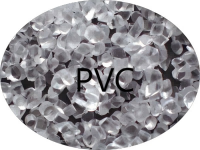
Polyvinyl chloride (PVC)
PVC is rigid and flexible. This widely uses in building materials, pipes, medical equipment, and food containers. However, due to the presence of harmful substances, such as heavy metals and dioxins. Its recycling and treatment require special attention.
Characteristics
Plasticizer-free, strong, durable, chemically and weather-resistant, with a high density (1.3–1.45 g/cm³).
Applications
- Construction: Pipes, window frames, doors, profiles, exterior wall panels.
- Industrial: Bank cards, packaging bottles, display boards.
- Other: Medical device housings, electrical insulation materials.
Low-density polyethylene (LDPE)
LDPE not only has good low-temperature performance. But also it often uses to make plastic bags, plastic films, furniture, etc.
Basic Definition and Classification
LDPE is a type of polyethylene (PE), alongside HDPE (high-density polyethylene) and LLDPE (linear low-density polyethylene). It is primarily distinguished by its molecular structure and density. Its density ranges from approximately 0.915–0.935 g/cm³ (lower than HDPE).
Physical and Chemical Properties
- Flexibility: LDPE is soft and elastic, and can be made into translucent or transparent films. It has high ductility but low tensile strength.
- Chemical Resistance: Resistant to alcohols, dilute acids, and dilute alkalis, but susceptible to corrosion by strong oxidants; it also possesses excellent electrical insulation.
- Breathability: Partially permeable to water vapor, oxygen, and carbon dioxide, making it suitable for packaging that requires respiration (such as agricultural products).
Main Applications
- Packaging Materials: Most commonly used in flexible packaging such as shopping bags, bread bags, plastic wrap, and garbage bags.
- Containers and Daily Necessities: Used in squeeze bottles (e.g., condiments and cosmetics), trays, and packaging foam.
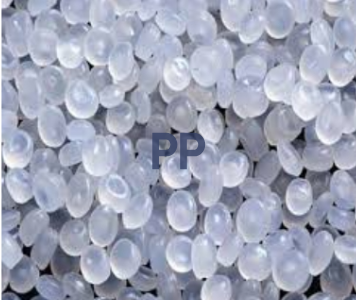
Polypropylene (PP)
PP has high heat resistance and chemical stability. And this is suitable for automotive parts, food containers, laboratory equipment, etc.
Physical Properties
- The lowest density among common plastics (lower than water), lightweight and highly rigid.
- Excellent Heat Resistance: Remains intact in boiling water at 100°C, making it suitable for microwave-safe containers.
- Poor Low-Temperature Toughness: Brittle at low temperatures, but this can be improved through copolymerization (e.g., PP-B).
Chemical Properties
- Non-toxic and odorless: Highly food-grade and safe, resistant to acids, alkalis, and organic solvents.
- Strong Chemical Stability: Excellent bacterial resistance, suitable for medical devices.
Applications
- Packaging (largest application):
Food packaging: films (excellent barrier properties), thin-walled containers (such as yogurt cups).
Sealing caps: utilizing its ability to withstand repeated opening and closing without deformation (such as bottle caps). - Automotive (second largest application):
Components such as battery cases and bumpers rely on its low cost and high mechanical strength.
Polystyrene (PS)
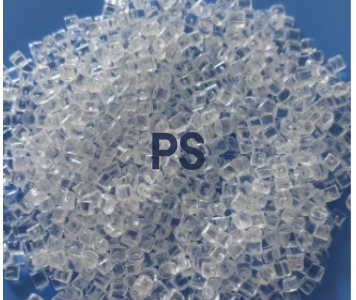
PS is divided into ordinary PS and expanded PS (EPS). The former is used to make disposable tableware and packaging materials, while the latter is used for building insulation materials.
Appearance
- Transparent, hard, and highly brittle
- it resembles glass and is often used in transparent containers (such as CD cases, tableware, and toy models).
- However, it easily oxidizes and turns yellow, making it unsuitable for recycling.
Key Features
- Advantages
Low cost, easy processing, good insulation, low-temperature resistance, suitable for injection molding (uniform shrinkage). - Disadvantages
Susceptible to oxidative degradation, difficult to recycle, and prone to yellowing.
Common Applications
Daily necessities: tableware, toothbrushes, hangers, rulers, etc.
Packaging: EPS, protective materials for electronic products
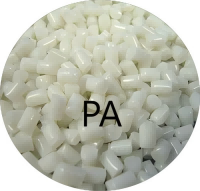
Other plastics include polycarbonate (PC), nylon (PA), polyamide (PA), polyurethane (PU), etc. These plastics are widely used in optical equipment, engineering materials and textiles due to their unique properties.
There are also some emerging types of plastics, such as bio-based plastics and degradable plastics, which are designed to reduce the impact on the environment.
There are many types of plastics, each with its own different types of plastic unique properties and uses. Therefore, understanding these classifications can help better choose the right materials and promote environmental protection and sustainable development.