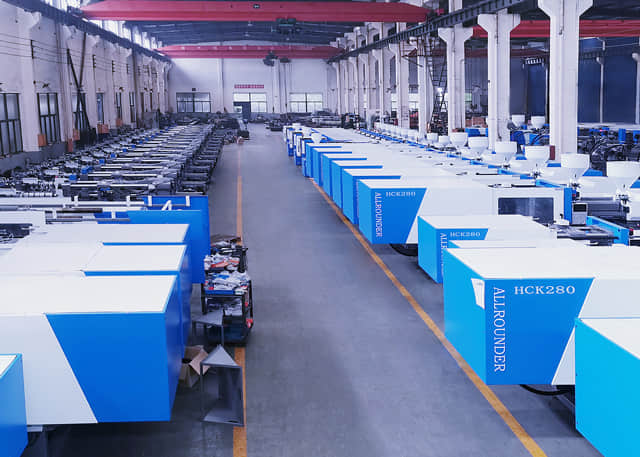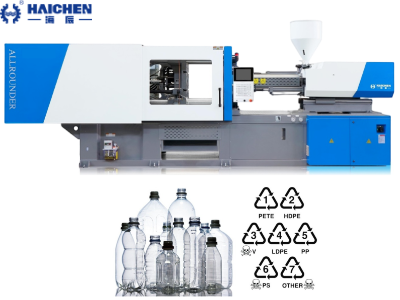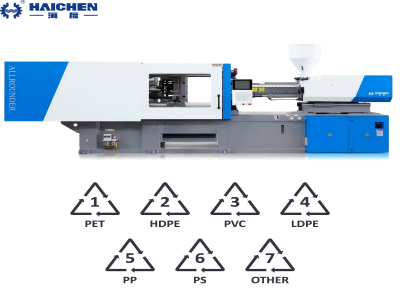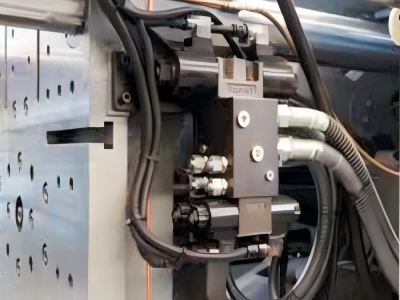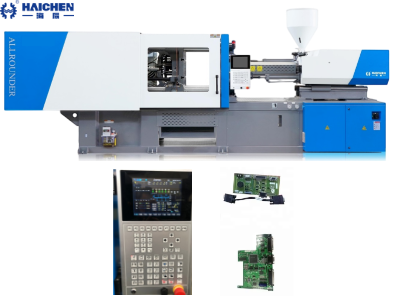
The process of manufacturing products using plastic injection moulding involves the melting of plastic pellets, injection of the molten material into a mold under high pressure, cooling it for solidification, and finally ejecting the finished product. This method is the most efficient because it enables the production of intricate designs and shapes of similar products at a consistent high level of quality.
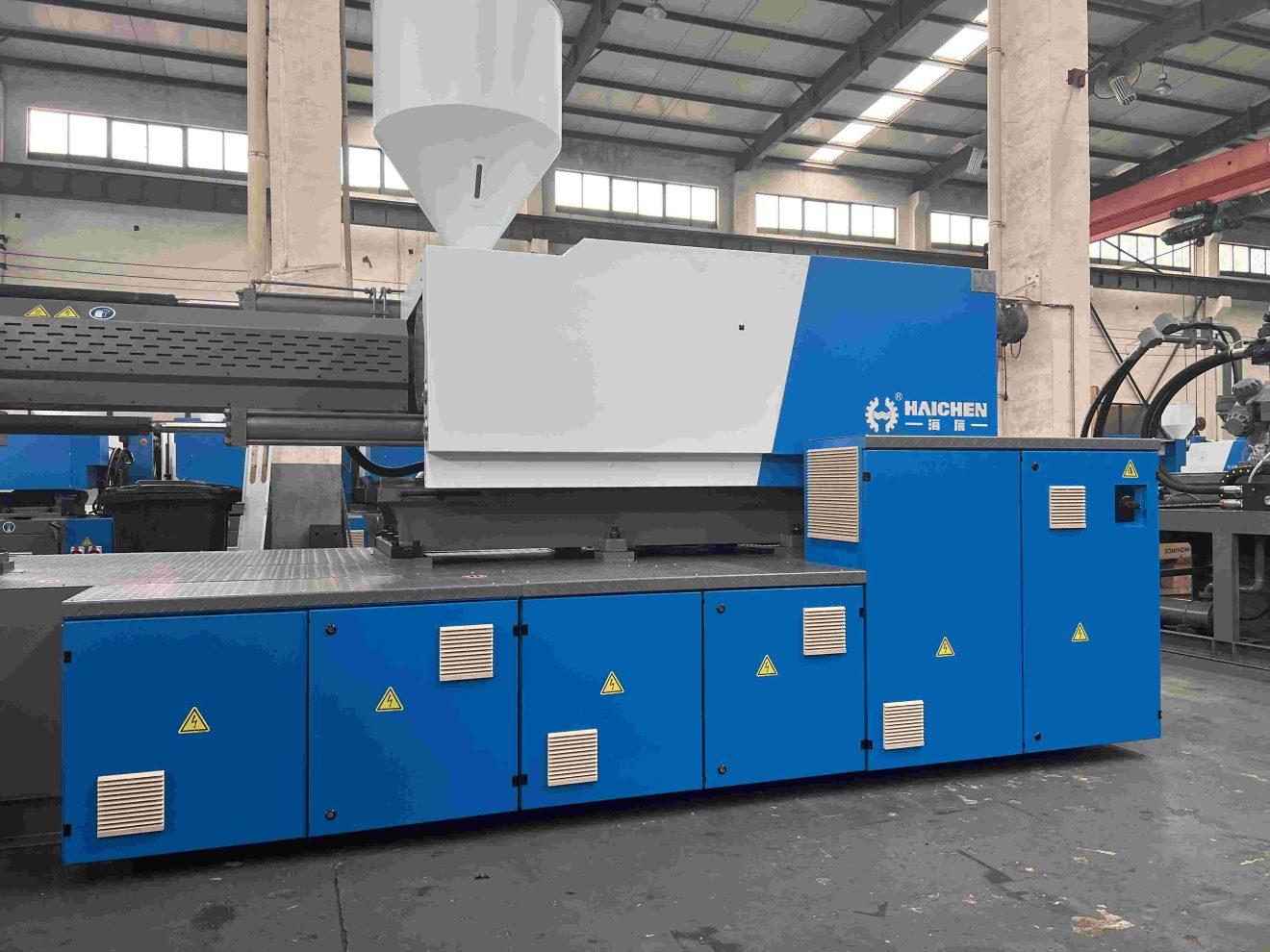
Because of the precision and efficiency offered by this method, it has proved to be extremely beneficial in the consumer electronics, automotive and packaging industries.
This article focuses on:
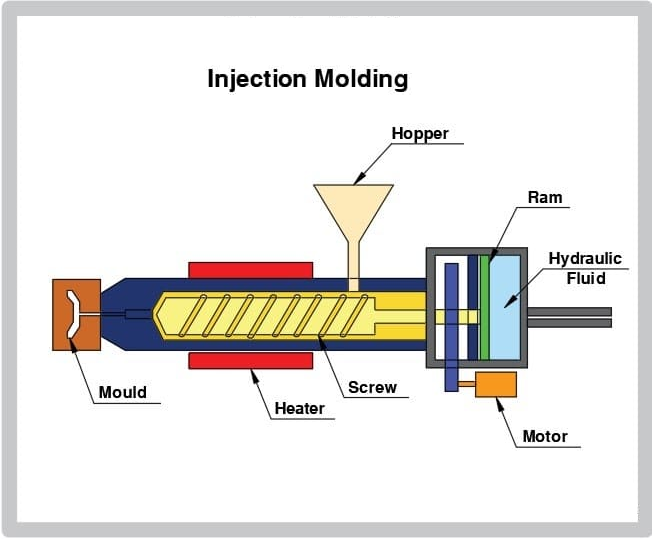
- Working principle: Discusses the processes from the melting of the material to the ejection of the end product, identifying the screw, barrel, and mold as crucial structures.
- Application areas: Shows how different industries utilize the economical and large scale production enabled by injection molding for tough parts.
- Future trends: Builds on innovations sought like AI controlled processes, energy saving equipment, and materials to shape the next generations manufacturing like biogradable materials.
With the aid of smart materials, automation has transformed the process plastic injection molding by making it adaptable for sustainable solutions in global supply chains.
Basic principles of plastic injection molding
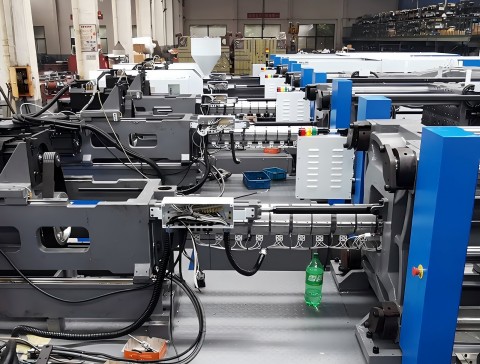
Everyone agrees that injection molding is a technique that is used the world over for producing great volumes of both simple and complex components like car parts, as well as sophisticated machinery parts and components, from various types of plastics like containers and other products.
- Choosing the Raw Material to be Used in Molding Plastics
- Preheating And Melting The Plastic Materials
- Injection Molding Machine Injection
- Filling of the Mold
- Cooling and Solidification
- Mold opening and Ejection
- Post-processing
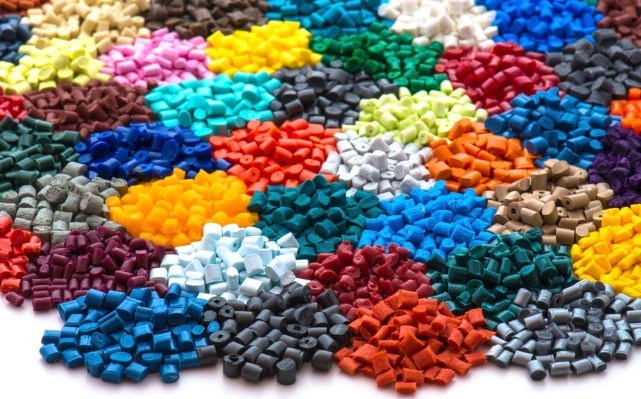
Choosing the Raw Material to be Used in Molding Plastics
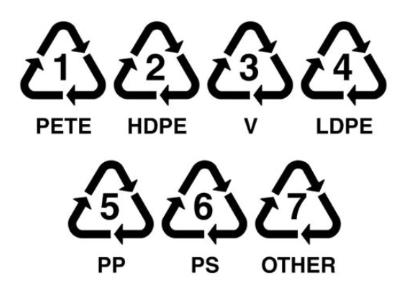
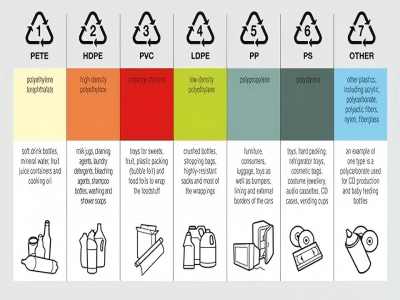
In conjunction with other modern strategies to achieve goals, frameworks of governing mechanistic aids attempts to solve these problems become a fundamental right yielding accompanies utilizes. In our case, the form we wish to work with is in the form of a material. For plastics, shaping materials include polystyrene (PS), polyethylene (PE), Polypropylene (PP), Polycarbonates (PC) as well as ABS plastics. These shaping materials come most often in the form of granules or powder.
Preheating And Melting The Plastic Materials
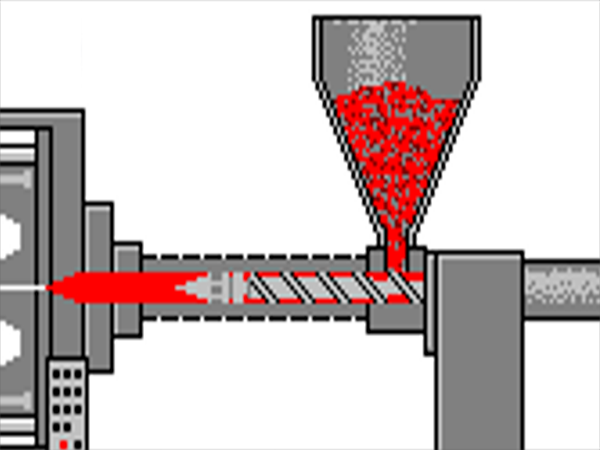
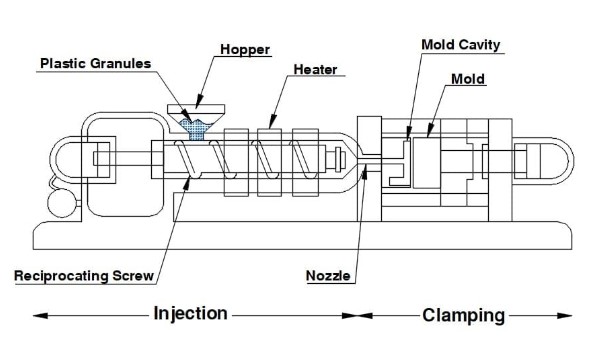
The injection molding machine fills the hopper with the requisite plastic materials. The screw is responsible for moving the plastic materials into the barrel. To achieve the required temperature, the heating element in the barrel having anionic flakes of plastic coupled with poly chain should be molten.
Injection Molding Machine Injection
Then, the screw is moven forward by the action of the injection cylinder and is fille with molten plastic, which is then injection with great force and speed into the closed mold. This stage of the process is known as the injection stage.
Filling of the Mold
In order to get the flowing and heated plastic part to achieve the desire configuration, it streams through the sprue and fills the mold cavity completely including all voids and spaces present in the mold.
Cooling and Solidification
Within the mold, where the injection molded section positione, the part gets cool down and solidified. The speed at which the core of the tool gets cool is hasten by the cooling system, which uses water channels built in the mold.
Mold opening and Ejection
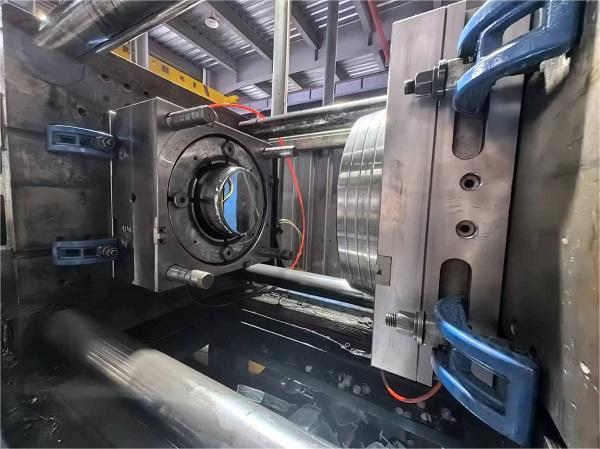
The mid-coup declamping step eutectic plastic part is completely cool down, the clamp casing gets detach and the device utilized for the mold ejector, injection mold, expels the work piece from the cavity split form.
Post-processing
The remaining parts of the injection molding, which gets separate, also referre to as rough semis need additional operations of at least one of the following. Removing bits of unnecessary parts, cutting, grinding, applying paint or thin layers of other metals on the surface. Assembly elements of the informal assembly which make use or mixed frame.
Difficulties Associated With Plastic Injection Molding
- Consistent Temperature Regulation
- Exotic Parts
- Processing Terms
- Pouring Pressure
- Cooling Steps
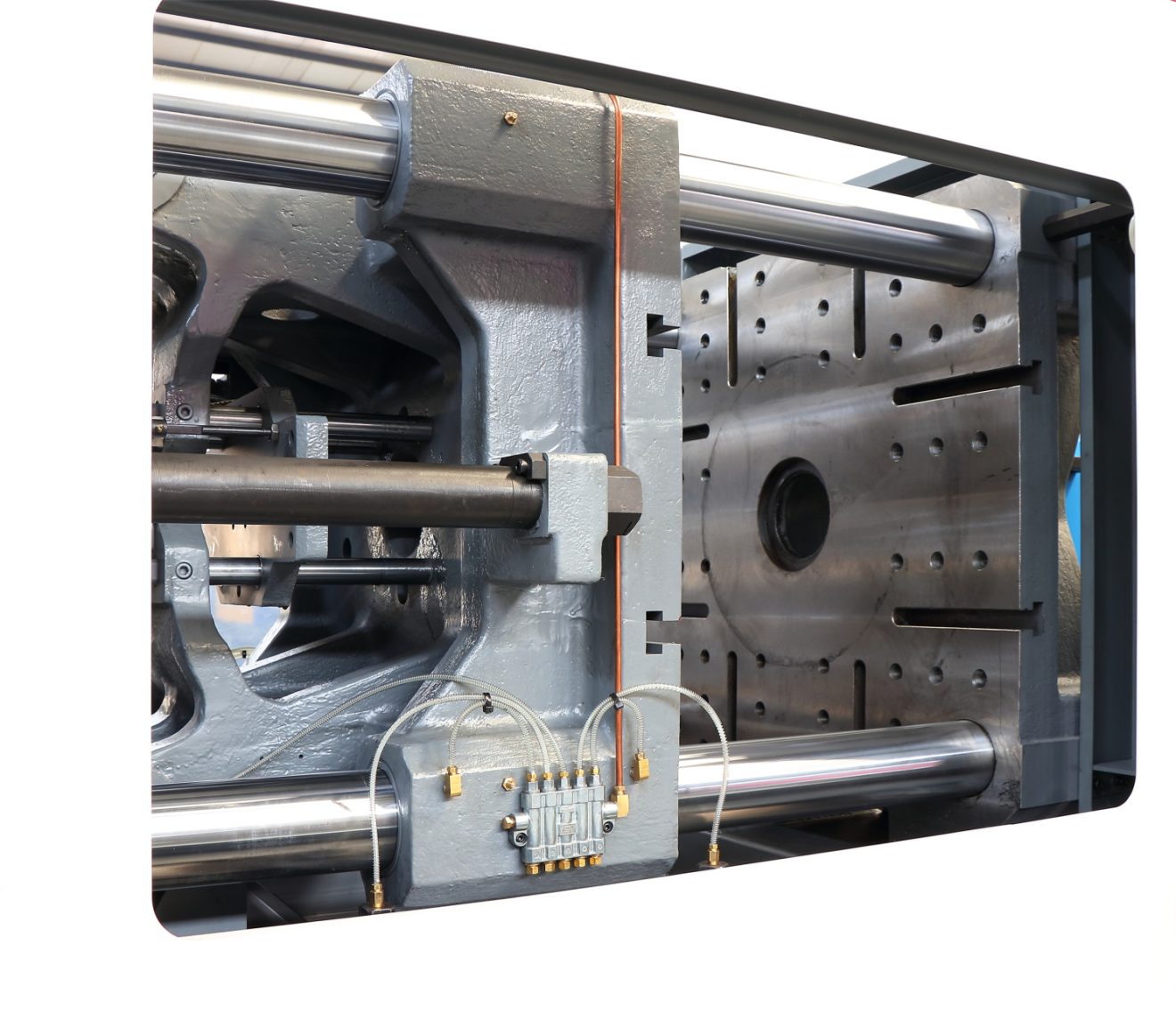
Consistent Temperature Regulation
Product quality and material degradation strictly rely on the melting and solidifying of raw materials within plastic molding systems.
Exotic Parts
Cost factors include mold maintenance and replacement, precision of contours, gaps, and draft angles.
Processing Terms
Drying and processing defines all bubbling, shrinkage, and warping flaws particle material may develop structure wise.
Pouring Pressure
Pulling speed and plastic inflow velocity must adjust to maintain mold filling while keeping internal stress diminishment as thorough as feasibly possible.
Cooling Steps
Length defining cooling steps intervals impact production efficiency, where excessively long cooldowns result in defromative flaws noticed within product shape.
With sustainability at the forefront of most modern transformational changes. The use of biodegradable plastics for Injection Molding increases the overall biodegradable sustainability while enhancing eco-friendly effectiveness. And automation provides sets of challenges towards enhancing procedure optimizing productivity in molds itself.
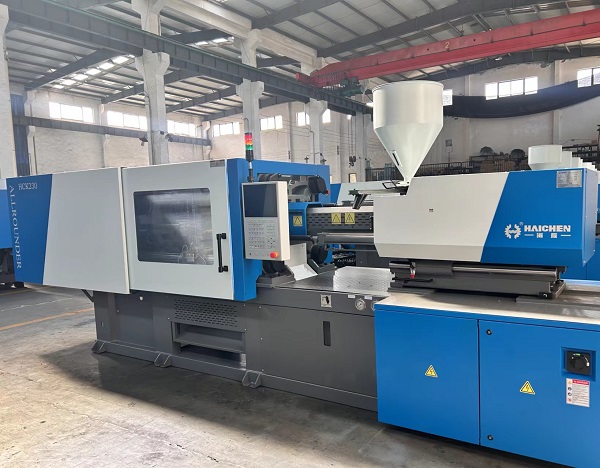
HAICHEN: Supporting the Plastic Injection Moulding Industry in Thailand
The plastic injection molding process is a powerful and flexible manufacturing technology that shapes our world every day. As technology continues to advance, injection molding will continue to advance the manufacturing industry. And meet modern society’s demand for innovation and efficiency.
ที่ HAICHEN เรามุ่งมั่นที่จะสนับสนุนอุตสาหกรรมการฉีดพลาสติกในประเทศไทย เครื่องฉีดพลาสติกขั้นสูงของเราได้รับการออกแบบมาเพื่อตอบสนองความต้องการเฉพาะของผู้ผลิตในประเทศไทย โดยให้ประสิทธิภาพสูง ความแม่นยำ และความน่าเชื่อถือ เรามอบบริการสนับสนุนที่ครอบคลุม รวมถึงการติดตั้งเครื่องจักร การฝึกอบรม และการบำรุงรักษา เพื่อให้แน่ใจว่าลูกค้าของเราจะได้รับผลลัพธ์ที่ดีที่สุด
If you are interested in plastic injection molding. Or are looking for solutions to improve production efficiency and product quality, please contact us.