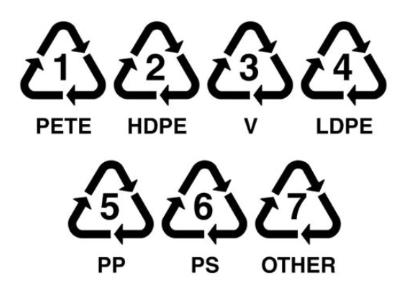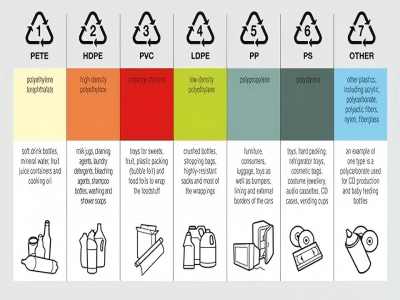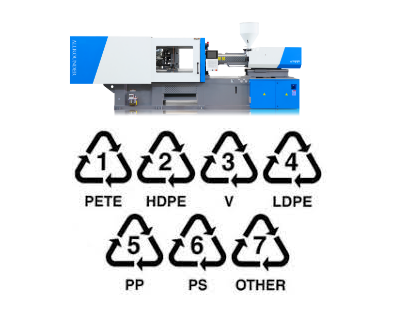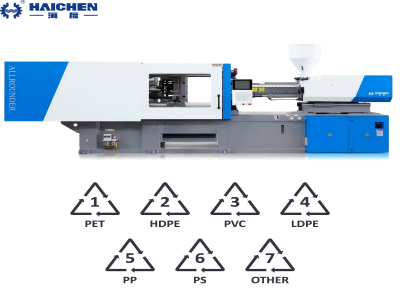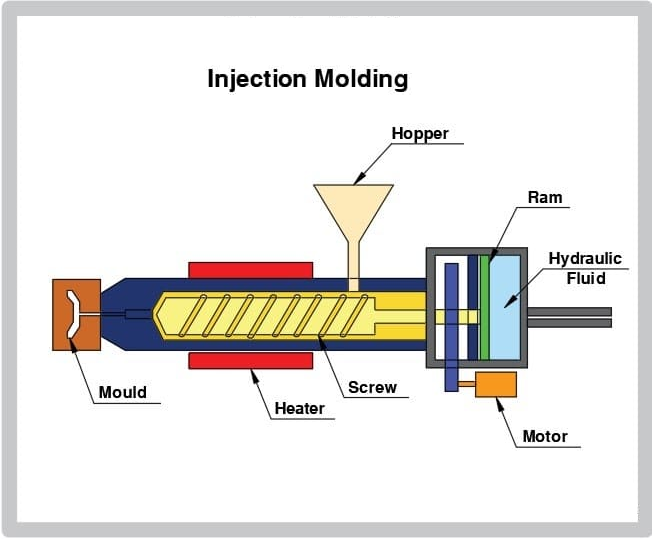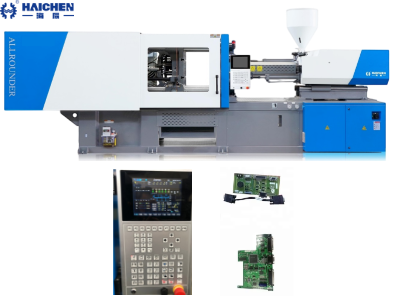
There are 10 top plastic injection molding raw materials used for injection molding machines.
| MostPET | PE | PVC | PP | PS |
| Polyethylene Terephthalate | Polyethylene | Polyvinyl Chloride | Polypropylene | Polystyrene |
| ABS | PA | HDPE | PC | PMMA |
| Acrylonitrile Butadiene Styrene | Polyamide | High Density Polyethylene | Polycarbonate | Polymethyl Methacrylate |
- PET (Polyethylene terephthalate)
- PE(Polyethylene)
- PVC (Polyvinyl chloride)
- PP (Polypropylene)
- PS(Polystyrene)
- ABS(Acrylonitrile butadiene styrene)
- PA(Polyamide)
- HDPE (High-density polyethylene)
- PC(Polycarbonate)
- PMMA(Acrylic acid)
During the injection molding process, such as barrel temperature, injection pressure, etc., need to be considered according to different plastic raw materials, and different process parameters to ensure product quality and performance.
Understanding the characteristics of these plastic raw materials helps to select suitable materials for injection molding to meet the needs of specific products.
These Top 10 Plastic Injection Molding Raw Materials are clearly defined and have main applications
| Plastic Photo | Plastic Name | Plastic Full Name | Definition | Main Applications | |
| PET | Polyethylene terephthalate | PET plastic raw materials is a polymer produced by the polycondensation reaction of terephthalic acid and ethylene glycol. | Packaging field Electronics Automotive Industry Home appliances Fibers and Textiles | |
| PE | Polyethylene | PE plastic raw materials, known as polyethylene, is a thermoplastic resin made from ethylene monomers through polymerization. | Film and packaging Containers and bottles Pipes Daily necessities Wires and cables Industrial products High-frequency insulation materials Automotive industry Construction and waterproofing materials | |
| PVC | Polyvinyl chloride | PVC plastic raw materials, namely polyvinyl chloride (Polyvinyl Chloride), is a thermoplastic synthetic resin | Construction Industry Industrial products Daily necessities and consumer goods Packaging materials Medical field Automotive industry Agriculture Electronic and electrical appliances | |
| PP | Polypropylene | PP plastic raw materials, also known as polypropylene, is a thermoplastic resin made from propylene polymer. | Packaging materials, Auto parts, Pipes, Medical equipment, Turnover boxes and pallets, Home appliances and toys, Engineering plastics, Environmental protection equipment | |
| PS | Polystyrene | Polystyrene (PS) plastic raw materials is a thermoplastic non-crystalline resin, raw materials are mainly coal and petroleum | Optical industry, Electronics and electrical appliances, Packaging materials, Automobile industry, Disposable products, Construction industry | |
ABS | Acrylonitrile butadiene styrene | ABS plastic raw materials is a high-molecular polymer made by copolymerizing three monomers: acrylonitrile (A), butadiene (B), and styrene (S). Its chemical name is acrylonitrile-butadiene-styrene copolymer (ABS for short). | Home appliances, Packaging industry, Furniture manufacturing Automobile manufacturing, Small household appliances Building materials, | ||
| PA | Polyamide | PA plastic raw materials, also known as polyamide, commonly known as nylon | Automobile manufacturing, Electrical and electronic industry, Mechanical manufacturing, Medical devices | |
| HDPE | High-density polyethylene | HDPE (High-density polyethylene) plastic raw materials is a linear synthetic resin made from the polymerization of ethylene monomers. | Gas transmission, water supply, sewage and agricultural irrigation Medical and industrial uses Agricultural film Construction and engineering Packaging materials Daily necessities and non-load-bearing components | |
PC | Polycarbonate | PC plastic raw materials, or polycarbonate, is a non-crystalline thermoplastic engineering plastic | Automotive industry Medical equipment Construction industry,Optical lighting Industrial machinery parts Packaging industry Aerospace | ||
| PMMA | Polymethyl Methacrylate | PMMA (polymethyl methacrylate) plastic raw materials is a high molecular polymer, commonly known as acrylic or organic glass | Optical products Architectural decoration Automotive industry Packaging industry Electronic products Other applications |
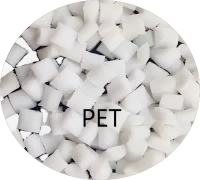
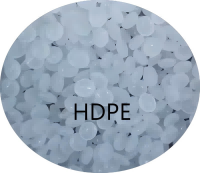
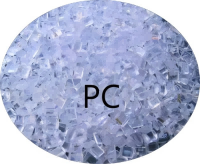
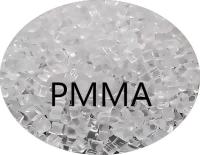
- PET (Polyethylene terephthalate)
- PVC (Polyvinyl chloride)
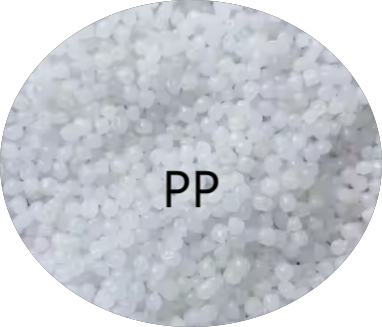
- PP (Polypropylene)
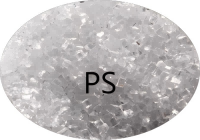
- PS(Polystyrene)
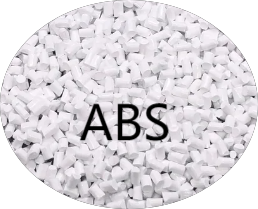
- ABS(Acrylonitrile-butadine-styrene)
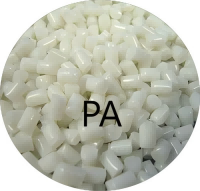
- PA(Polyamide)
- HDPE (high-density polyethylene)
- PC(Polycarbonate)
- PMMA(Acrylic acid)
PET (Polyethylene terephthalate)
The PET plastic raw materials is a polymer produced by the polycondensation reaction of terephthalic acid and ethylene glycol.
Most PET plastics can be produced not only from new plastic raw materials but also from recycled PET (rPET) by recycling waste materials. There are two main sources of raw rPET plastic raw materials: waste and scraps generated during the production process, and discarded PET packaging, such as PET plastic bottles. However, this type of raw material often contains pollutants and must be separated to remove pollutants and additives before it can be recycled.
PET (Polyethylene terephthalate) Main Applications:
Packaging field:
PET plastic raw materials are widely used in the packaging field, mainly used to make various beverage bottles, food containers, pharmaceutical packaging, etc.
Electronics:
PET plastic raw materials are widely used in the field of electronics and electrical appliances due to its excellent electrical insulation and mechanical properties.
Automotive Industry:
PET plastic raw materials are widely used in the automotive industry, PET plastics are used to make lamp holders, lampshades, relays, incandescent lamp holders, and other parts.
Home appliances:
PET plastic raw materials are also used in household appliances, such as soybean milk machine bases, electric iron shells, IH square pot coils, etc.
Fibers and Textiles:
Recycled PET plastic raw materials can be made into fibers and fabrics, such as underwear and T-shirts.
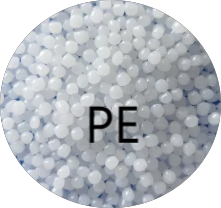
PE(Polyethylene)
PE plastic raw materials, also known as polyethylene, is a thermoplastic resin made from ethylene monomers through polymerization.
PE(Polyethylene) Main applications:
PE plastic raw materials are currently the most widely used. With the help of different modification methods, PE can be used in various aspects of daily life. Representative applications include barrels, films, paper cup linings, water pipes, and cable sheaths.
Film and packaging:
PE plastic raw materials are mainly used to make various types of films, such as commodity bags, grocery bags, food packaging bags, etc. In addition, it is also used to produce plastic wrap, agricultural film, etc.
Containers and bottles:
PE plastic raw materials are often used to make plastic containers and bottles, such as frozen food bags, yogurt containers, beverage bottles, etc.
Pipes:
PE plastic raw materials can be extruded to make various pipes, such as water supply pipes, fire protection pipes, etc.
Daily necessities:
PE plastic raw materials are widely used in the manufacture of daily necessities, such as basins, buckets, baskets, handbags, envelopes, etc.
Wires and cables:
PE plastic raw materials can be used to make the insulation layer of wires and cables.
Industrial products:
PE plastic raw materials are also widely used in the industrial field, such as woven fishing nets, cables, industrial filters, and civilian ropes.
High-frequency insulation materials:
Due to their excellent electrical insulation properties, PE plastic raw materials can be used as insulation materials for high-frequency equipment such as televisions and radars.
Automotive industry:
PE plastic raw materials are also used in the automotive industry, such as manufacturing fuel tanks, air ducts, seat decorative covers, etc.
Construction and waterproof materials:
PE foam plastic raw materials are widely used in building foundation engineering, energy-saving building walls, roof insulation, and basement and ground waterproof protection materials.
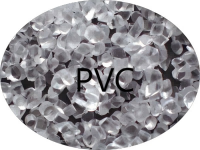
PVC (Polyvinyl chloride)
The PVC plastic raw materials, namely polyvinyl chloride (Polyvinyl Chloride), is a thermoplastic synthetic resin.
PVC (Polyvinyl chloride) Main applications:
Construction Industry:
PVC plastic raw materials are commonly used in the construction field to make window frames, door frames, piping systems, flooring materials, insulation materials, and wall panels. Other uses include roof waterproofing materials, and window and door building parts.
Industrial products:
PVC plastic raw materials are used to produce hard products such as wires and cables, pipes, and plates. It is also used in industrial equipment, such as anti-corrosion coating fabrics sheet surface coatings, and printing inks.
Daily necessities and consumer goods:
PVC plastic raw materials are used to make home decorations such as tablecloths, shower curtains, and blanket covers. It is also used in products such as children’s toys and stationery and is favored by parents for its environmental and safety characteristics.
PVC plastic raw materials are also used in modern furniture design, air conditioners, refrigerators, telephone systems, computers, power tools, power cords, garden hoses, clothing, luggage, vacuum cleaners, and credit card substrates.
Packaging materials:
PVC film is widely used in food packaging, shrink packaging, and blister packaging because its durability and flexibility are indispensable.
Medical field:
PVC plastic raw materials are used in the medical field to produce medical consumables such as infusion bags, blood bags, urine bags, catheters and disposable gloves.
Automotive industry:
In the automotive industry, PVC plastic raw materials are used for body side trims, windshield system components, interior parts (such as dashboards, and armrests), floor mats, wire coatings, and wear-resistant coatings.
Agriculture:
PVC plastic raw materials are used in water-saving irrigation systems and agricultural films and can replace traditional industrial plastic raw materials such as steel, cement, and wood.
Electronic and electrical appliances:
PVC plastic raw materials are used in the field of electronic and electrical appliances for the insulation layer of wires and cables and the protection of other electronic components
PP (Polypropylene)
The PP plastic raw materials, also known as polypropylene, is a thermoplastic resin made from propylene polymer.
PP (Polypropylene) Main applications:
PP plastic raw materials are also widely used in daily necessities such as packaging, toys, washbasins, buckets, hangers, cups, bottles, and engineering applications such as bumpers.
Packaging materials:
PP plastic raw materials are often used to make various packaging materials, such as food packaging boxes, plastic bags, bottle caps, bottles, etc. In addition, it is also used for cosmetic packaging bottles, lotion bottles, health care product bottles, and medicine bottles.
Auto parts:
PP plastic raw materials are widely used in automobile manufacturing, used to make body parts, dashboards, bumpers, etc. Modified PP materials are also widely used in flame retardant, reinforcement, and toughening of automotive electrical appliances.
Pipes:
PP pipes are mainly used in building hot and cold water and drinking water pipeline systems, heating systems, air conditioning systems, and telecommunications and electrical piping.
Medical equipment:
PP plastic raw materials are used to produce disposable sterile syringes and other medical devices.
Turnover boxes and pallets:
PP plastic raw materials are used to make large packaging and transportation supplies such as parts turnover boxes, food turnover boxes, beverage turnover boxes, and garbage bins.
Home appliances and toys:
PP injection molding plastic raw materials are mainly used in small home appliances, toys, washing machines, and children’s tableware.
Engineering plastics:
PP plastic raw materials can be used as TV and radio housings, electrical insulation materials anti-corrosion pipes, etc.
Environmental protection equipment:
PP sheets are often used in acid and alkali-resistant equipment, electroplating equipment, solar photovoltaic equipment, wastewater and waste gas emission equipment, etc.
PS(Polystyrene)
Polystyrene (PS) plastic raw materials are a thermoplastic non-crystalline resin, which is mainly synthesized from styrene monomers through free radical polymerization. Its raw materials are mainly coal and petroleum. Linear polystyrene can be produced through bulk polymerization, suspension polymerization, and emulsion polymerization.One of Top 10 Plastic Injection Molding Materials.
Polystyrene (PS) Main applications:
Optical industry:
PS plastic raw materials are often used to make optical glass and optical instruments because of their good light transmittance. In addition, it can also make transparent or brightly colored lampshades, lighting fixtures, etc.
Electronics and electrical appliances:
PS plastic raw materials are also widely used in the electronics and electrical industry, such as TV housings, mobile phone housings, etc.
Packaging materials:
PS foam plastic raw materials are widely used in shockproof packaging and thermal insulation materials because of their good shockproof and thermal insulation properties. These plastic raw materials are mainly used for electrical appliances, precision instruments, handicrafts, glass products, and ceramic products. In addition, PS is also commonly used in food-grade containers, such as yogurt cups, etc.
Automobile industry:
PS plastics can be used to make some external parts of automobiles, such as lampshades, as well as some mechanical parts.
Disposable products:
Because PS has high-temperature resistance, it is often used to make disposable containers that need to withstand boiling water temperatures, such as disposable foam lunch boxes.
Construction industry:
PS foam plastic raw materials are used as partition boards and roof sandwich materials in the construction industry and are favored for their good thermal insulation properties.
Chemical recycling:
PS plastic raw materials are one of the important objects in chemical recycling technology, especially the depolymerization technology developed by Agilyx can effectively process the plastic waste stream of single materials.
ABS(Acrylonitrile-butadine-styrene)
ABS plastic raw materials are a high-molecular polymer made by copolymerizing three monomers: acrylonitrile (A), butadiene (B), and styrene (S). Its chemical name is acrylonitrile-butadiene-styrene copolymer (ABS for short). One of Top 10 Plastic Injection Molding Materials.
ABS(Acrylonitrile-butadiene-styrene) Main applications:
Home appliances:
ABS plastic raw materials are widely used to make parts for home appliances such as washing machines, televisions, refrigerators, and air conditioners. For example, many home appliance shells are made of ABS material because of their good impact resistance and surface gloss.
Automobile manufacturing:
ABS plastic raw materials also play an important role. It is often used to produce parts such as car dashboards, interior trim panels, fenders, steering wheels, sound insulation panels, and bumpers. These parts need to have high strength and good impact resistance, and ABS plastics just meet these requirements.
Small household appliances:
ABS plastic raw materials are also widely used, such as the shells and internal structural parts of various small household appliances. Due to its easy processing and electroplating protection, ABS plastics have become one of the indispensable materials in the home appliance industry
Building materials:
ABS plastic raw materials are mainly used to produce pipes, sanitary ware, and decorative panels. These products take advantage of the chemical resistance and dimensional stability of ABS plastics, making them perform well in architectural environments
Packaging industry:
ABS plastic raw materials are used to make food and pharmaceutical packaging materials;
Furniture manufacturing:
ABS plastic raw materials can replace wood, providing high strength and a smooth surface.
PA(Polyamide)
PA plastic raw materials, also known as polyamide, commonly known as nylon, is a widely used engineering plastic and One of Top 10 Plastic Injection Molding Materials.
PA(Polyamide) Main applications:
Automobile manufacturing:
PA plastic raw materials can be used to manufacture fuel strainers, fuel filters, oil tanks, engine cylinder head covers, radiator water cylinders, and other parts.
Electrical and electronic industry:
PA plastic raw materials are widely used due to their excellent electrical insulation properties and mechanical strength. It is often used to manufacture products such as controller units, connectors, and household appliances. Due to its good molding processability and heat resistance, PA materials are also suitable for the housing and internal components of electronic equipment.
Mechanical manufacturing:
PA plastic raw materials are suitable for making general mechanical parts, wear-resistant parts, and transmission parts. It helps to achieve lightweight and cost reduction of industrial products.
Medical devices:
PA plastic raw materials are favored for their high mechanical strength and chemical resistance.
HDPE (high-density polyethylene)
(High-density polyethylene) is a linear synthetic resin made from the polymerization of ethylene monomers.As One of Top 10 Plastic Injection Molding Materials.
HDPE (High-density polyethylene) Main applications:
Gas transmission, water supply, sewage, and agricultural irrigation:
Due to its corrosion resistance and mechanical strength, HDPE is widely used in infrastructure construction such as gas pipelines, water supply pipes, and sewage pipes.
Packaging materials:
HDPE plastic raw materials are often used to make various types of plastic bottles, packaging barrels, and containers, such as food packaging, beverage bottles, laundry detergent bottles, etc. Uncolored bottles are translucent and have good barrier properties and hardness, which are very suitable for these purposes.
Daily necessities and non-load-bearing components:
HDP plastic raw materials can be used to produce low-end daily necessities such as shells, plastic boxes, turnover boxes, etc. In addition, it is also used to make ropes, woven bags, and fishing nets.
Medical and industrial uses:
HDPE plastic raw materials are used in the protective layer of wires and cables and the production of medical plastic bottles due to their excellent electrical insulation and water vapor resistance.
Agricultural film:
Film-grade HDPE has excellent temperature resistance and puncture resistance, so it is widely used in food packaging and agricultural film.
Construction and engineering:
HDPE plastic raw materials are used in the construction industry to produce piping systems and other structural components and are favored for their high durability and cost-effectiveness.
Environmental protection and recycling:
PC(Polycarbonate)
PC, or polycarbonate, is a non-crystalline thermoplastic engineering plastic. Its molecular chain contains carbonate groups, which can be divided into aliphatic, aromatic, alicyclic, and aliphatic-aromatic types according to the structure of the ester group.One of Top 10 Plastic Injection Molding Materials.
PC(Polycarbonate) Main applications:
Electronics and electrical appliances:
PC plastic raw materials are widely used in the manufacture of electronic product housings, buttons, display screens, and other parts due to their good insulation and high-temperature resistance.
Automotive industry:
PC plastic raw materials are often used in automotive interior parts such as lights, bumpers, door handles, dashboards, and other parts due to their high strength and toughness.
Medical equipment:
PC plastic raw materials are widely used in the field of medical devices such as dialyzers and artificial joints due to their non-toxicity and good biocompatibility.
Construction industry:
PC plastic raw materials are used in the construction industry to make inorganic glass and other building materials due to their high light transmittance and UV resistance.
Optical lighting:
PC plastic raw materials can be used to manufacture various optical equipment and lighting fixtures due to their high transparency.
Industrial machinery parts:
PC plastic raw materials can be used to manufacture mechanical parts such as gears, racks, worm gears, worms, and bearings, as well as shields and frames for some mechanical parts.
Packaging industry:
PC plastic raw materials are widely used in packaging materials due to their excellent physical properties and processing properties.
Aerospace:
PC plastic raw materials are also used in the aerospace field due to their excellent mechanical properties and resistance to environmental stress cracking.
PMMA(Acrylic acid)
PMMA (polymethyl methacrylate) is a high molecular polymer, commonly known as acrylic or organic glass
PMMA (polymethyl methacrylate) Main applications:
Optical products:
PMMA plastic raw materials are widely used to make various optical lenses and lenses, such as glasses, magnifying glasses, industrial lenses, TV front screens, etc. due to their excellent optical properties. In addition, it is also used to make optical fibers and fiber optic observers.
Architectural decoration:
PMMA plastic raw materials are widely used in architectural decoration, such as windows, doors, ceilings, wall decoration panels, indoor and outdoor lighting equipment, and signal display devices. Due to its good weather resistance and transparency, PMMA is often used to produce high-end decorations such as sculptures and furniture.
Automotive industry:
In the automotive field, PMMA plastic raw materials are mainly used to make control panels, dials, measuring instrument covers, and headlight covers. Its transparency and impact resistance make it an ideal material for car taillights and signal lights.
Packaging industry:
Due to its transparency and impact resistance, PMMA plastic raw materials are also commonly used in packaging materials for food, medicines, and cosmetics.
Electronic products:
PMMA plastic raw materials are used in electronic products including the manufacture of light boxes, signs, acrylic bathtubs, etc., and are also used in DVDs and light diffusers.
Other applications:
PMMA plastic raw materials can also be used to make daily necessities and large structural parts such as photo frames, table mats, aquariums, and aircraft windows. In addition, it is also used in the medical industry as a blood storage container.
Raw material for injection moulding
The choice of material depends on application requirements, performance needs, and production processes. Common materials include:
- Thermoplastics
- Thermosets
- Metal Materials (Metal Injection Moulding, MIM)
- Elastomers and Rubbers
- Specialty Materials and Composites
- Auxiliary Materials
Thermoplastics
Most widely used in injection moulding, supplied as pellets or powder. They can be melted and reshaped multiple times:
- ABS (Acrylonitrile Butadiene Styrene): Chemical resistance, low melting point. Used for electronics housings, toys, etc.
- Polypropylene (PP): Lightweight, chemical-resistant. Common in packaging and automotive parts.
- Polyethylene (HDPE/LDPE): High-density (HDPE) for pipes and containers; low-density (LDPE) for flexible packaging.
- Polycarbonate (PC): High transparency, impact-resistant. Used in lenses and electronics.
- Nylon (PA): High strength and wear resistance. Ideal for gears and mechanical parts.
- PVC (Polyvinyl Chloride): Rigid (insulation, pipes) or flexible (cables, hoses).
Thermosets
Irreversibly cured under heat, suited for high-temperature and high-strength applications:
- Phenolic Resins: Electrical insulation components.
- Epoxy Resins: High-performance composites and structural parts.
Metal Materials (Metal Injection Moulding, MIM)
Metal powders mixed with binders for specialized applications:
- Aluminum: Lightweight, corrosion-resistant. Used in automotive/aerospace parts.
- Maraging Steel: High strength and heat resistance. Common in precision tooling.
Elastomers and Rubbers
- Thermoplastic Rubber (TPR): Combines elasticity with processability. Used in shoe soles and seals.
- Silicone: Heat-resistant and biocompatible. Common in medical devices and seals.
Specialty Materials and Composites
- Fiber-Reinforced Composites (e.g., glass/carbon fiber): Enhanced mechanical properties.
- Bio-Based Materials (e.g., PLA): Eco-friendly alternatives for sustainable products.
Auxiliary Materials
- Mold Materials: Steel (e.g., maraging steel) for durability; aluminum for prototypes.
- Additives: Colorants, flame retardants, UV stabilizers.
Material Forms and Process Compatibility
- Granules: Standard for thermoplastics.
- Powder: Used in MIM.
- Feedstock: Pre-mixed metal/ceramic powders with binders.
Key Selection Criteria
- Performance: Strength, temperature resistance, transparency.
- Cost & Volume: Aluminum molds for prototypes; steel for mass production.
- Processing Parameters: E.g., PP and HDPE require similar injection pressure (7.5 MPa), but HDPE has longer cycle times.
In summary, injection moulding materials span from general-purpose plastics to advanced metals, with selection driven by technical and economic factors.</p><h2>Haichen injection molding machine used these 10 top plastic materials
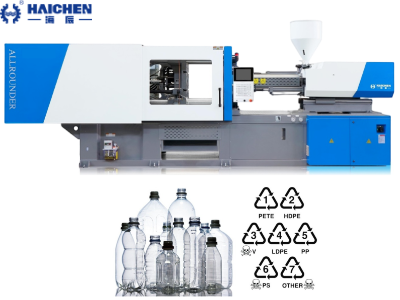
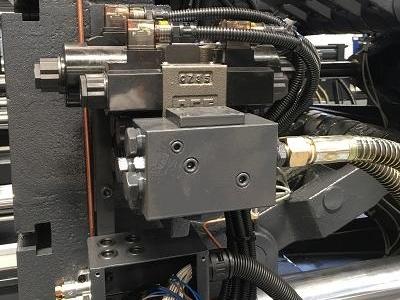
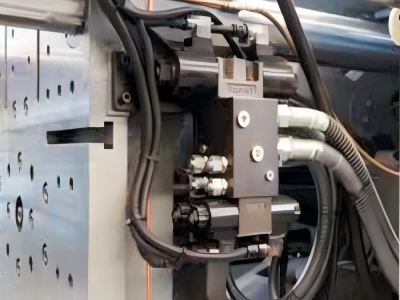
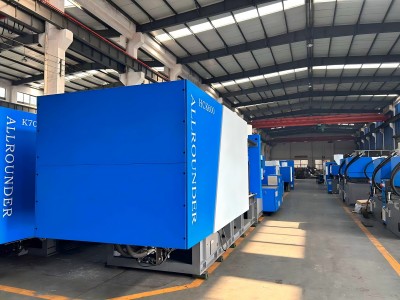
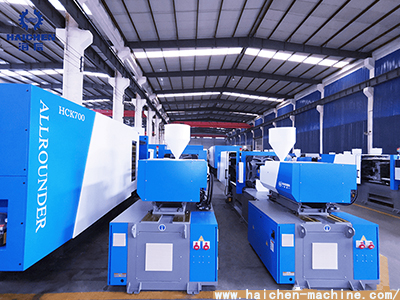
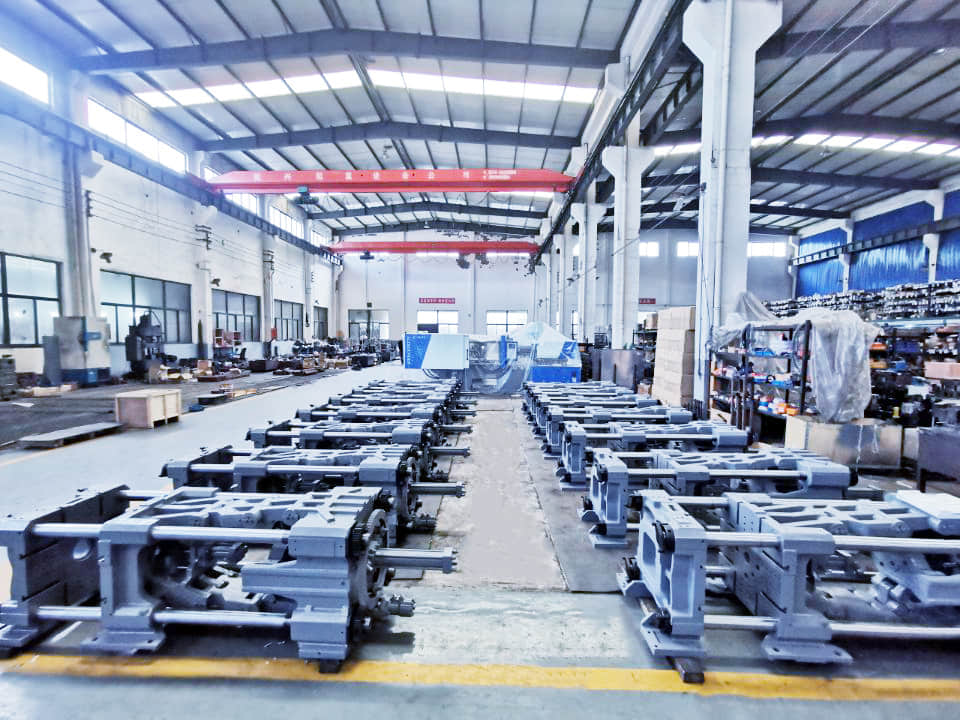
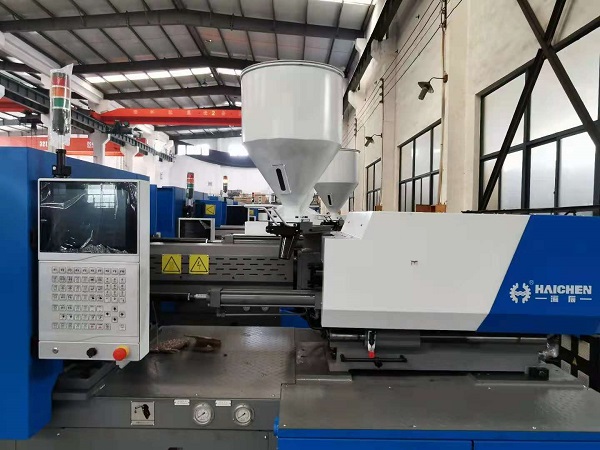
Haichen machinery produces highly precise injection molding machines with a clamping force ranging from 50T to 3000 T. The products have a highly rigid structure and are equipped with imported hydraulic and electrical elements.
Hiachen uses the above 10 top plastic raw materials and has PET injection molding machine, PVC injection molding machine, PP injection molding machine, and so on.
By the end
There are many types of plastic raw materials, each of which has its own unique properties and application areas. When choosing plastic raw materials, it is necessary to comprehensively consider factors such as the product’s use environment, performance characteristics, safety performance, appearance, and cost.