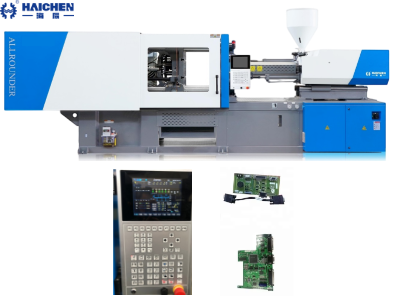
Haichen has been engaged in the plastic injection molding industry for more than 20 years and has rich experience in production design. The most important optimization design in special plastic injection molding equipment is the customized design and production of injection molding screw barrel, barrels and related kits. Below we mainly introduce the relevant knowledge of injection molding screws and barrels.
Design categories of injection molding screws and barrels
As we all know, there are many kinds of plastic raw materials in the plastic industry, with different performance characteristics. Plastics are divided into thermoplastics and thermosetting, and temperature control is also divided into strict and loose. Therefore, injection molding screws have both general plastic screws and barrels, and there are also many types of special injection molding screws (such as Haichen HPDE ABS silicone injection molding screws, PET preform injection molding screws, PVC/PPR pipe fittings injection molding screws, etc.).
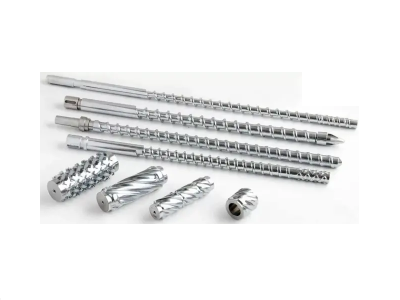
When choosing an injection molding machine, it is necessary to select the appropriate injection molding screw and barrel according to the plastic material to be processed in order to produce high-precision and high-consistency high-quality plastic products.
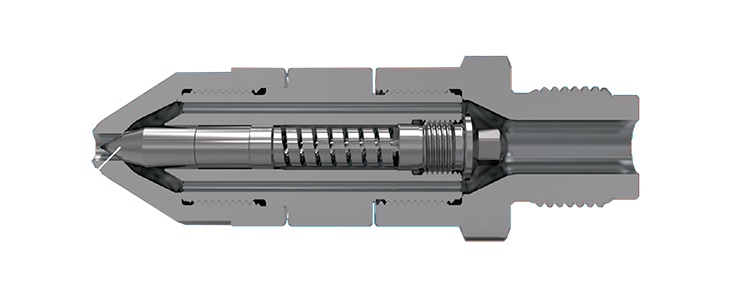
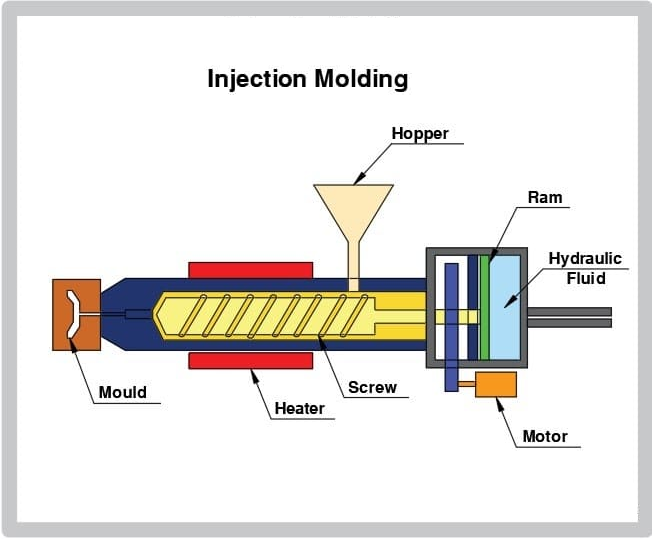
The screw, barrel, and tip are critical components of an injection molding machine’s plasticizing unit. They work together to melt, homogenize, and inject plastic into molds. Below is a detailed breakdown of their roles, types, and maintenance considerations:
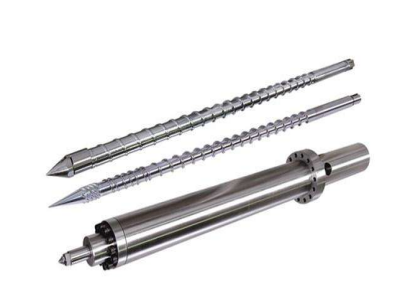
Injection molding units
- Screw
- Barrel
- Injection molding screw barrel Tip
- Injection molding screw barrel Material Compatibility
- Troubleshooting Common Issues
- Injection molding screw barrel Maintenance Best Practices
Screw
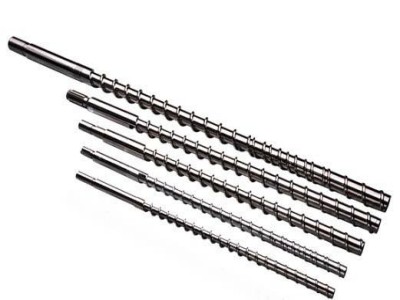
Function
- Plasticization: Rotates to convey, compress, and melt plastic pellets via shear heat and external heating.
- Injection: Acts as a plunger to push molten plastic into the mold.
Key Sections of a injection molding feed screws
- Feed Zone:
- Receives and transports pellets from the hopper.
- Shallow flight depth to prevent bridging.
- Compression Zone:
- Gradual reduction in flight depth compresses pellets, generating shear heat.
- Melts the plastic.
- Metering Zone:
- Consistent flight depth ensures uniform melt flow.
- Delivers molten plastic to the nozzle.
Screw Types
| Type | Best For | Features |
|---|---|---|
| General-Purpose | Most thermoplastics (ABS, PP, PS). | Balanced L/D ratio (20:1), moderate compression (2:1–3:1). |
| Vented (Two-Stage) | Hygroscopic resins (PC, Nylon, PET). | Devolatilizes moisture/gases via a vent port. Requires lower back pressure. |
| Barrier Screw | Sensitive materials (PVC, TPU). | Separates melted and unmelted plastic to prevent degradation. |
| High-Speed | Fast cycles (thin-walled parts). | Shorter L/D ratio (18:1), optimized for rapid plastication. |
Key Metrics
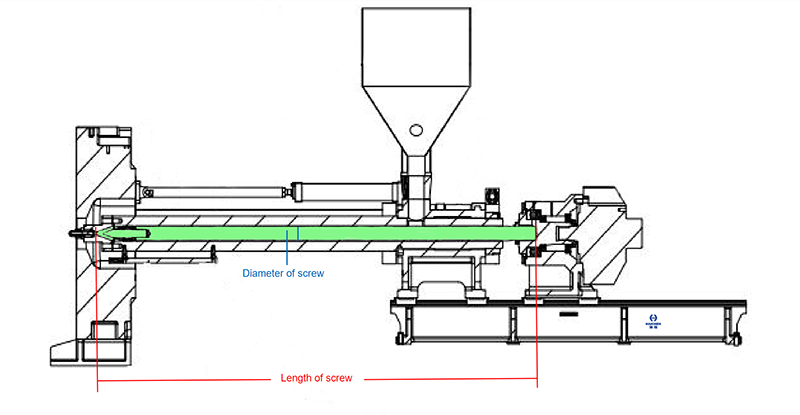
compression ratio injection molding screw
- L/D Ratio (Length/Diameter): Typically 20:1 for general use; higher ratios improve mixing.
- Compression Ratio:
- Crystalline plastics (PP, PE): 3:1–4:1.
- Amorphous plastics (ABS, PC): 2:1–2.5:1.
Barrel
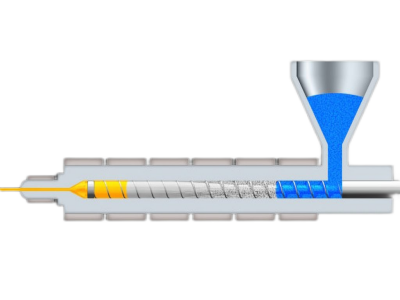
Function
- Houses the injection molding screw barrel and provides heating via bands.
- Withstands high pressure and abrasive materials.
Design & Materials
- Bimetallic Liners: Nitrided steel or tungsten carbide coatings for wear resistance.
- Heating Zones: 3–5 zones with PID-controlled heaters for precise temperature gradients.
Maintenance
- Wear Signs: Scoring, discoloration, or material buildup.
- Solutions:
- Regularly check for alignment with the screw.
- Replace liners if inner diameter tolerance exceeds 0.1–0.3 mm.
Injection molding screw barrel Tip (Check Valve)
Function
- Prevents backflow of molten plastic during injection.
- Ensures consistent shot volume and pressure.
Types
| Type | Best For | Features |
|---|---|---|
| Check Ring Tip | High-viscosity materials (PC, PEEK). | Sliding ring seals against backflow. Requires frequent inspection. |
| Ball Check Tip | Low-viscosity materials (PP, PE). | Simpler design; less prone to wear. |
| Open Tip | PVC, TPU (shear-sensitive). | No valve; relies on screw design to minimize backflow. |
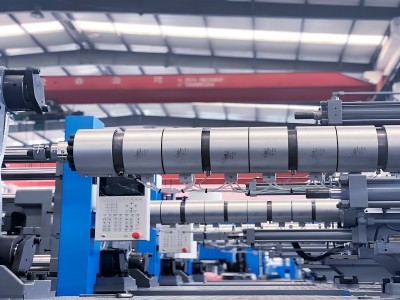
Wear & Replacement
- Signs of Failure: Inconsistent shot size, drooling, or black streaks.
- Lifespan: 50,000–200,000 cycles, depending on material abrasiveness.
Injection molding screw barrel Material Compatibility
| Material | Screw Type | Barrel Liner | Tip Type |
|---|---|---|---|
| Glass-Filled Nylon | Hardened steel screw. | Tungsten carbide. | Check ring tip. |
| PVC | Barrier screw. | Nitrided steel. | Open tip. |
| TPU | Low-compression screw. | Standard bimetallic. | Ball check tip. |
Troubleshooting Common Issues
| Issue | Cause | Solution |
|---|---|---|
| Material Degradation | Excessive shear heat. | Reduce screw speed; use a barrier screw. |
| Inconsistent Melt | Worn screw/barrel. | Replace worn components. |
| Backflow | Damaged check valve. | Replace screw tip or check ring. |
Injection molding screw barrel Maintenance Best Practices
- Regular Inspection: Check screw flight depth, barrel inner diameter, and tip wear.
- Cleaning: Purge with cleaning compounds (e.g., PurgX) after material changes.
- Alignment: Ensure screw and barrel are coaxial to prevent uneven wear.
Summary Table: Component Selection Guide
| Component | Key Features | Critical Metrics |
|---|---|---|
| Screw | L/D ratio, compression ratio, material-specific design. | Wear resistance, mixing efficiency. |
| Barrel | Bimetallic liner, heating zones, wear tolerance. | Inner diameter consistency, heat uniformity. |
| Tip | Check valve type, compatibility with material viscosity. | Sealing efficiency, wear life. |
Final Thoughts
The screw, barrel, and tip directly impact part quality, energy efficiency, and machine longevity. For abrasive or high-temperature materials, invest in hardened components. Partner with suppliers offering custom screw designs and barrel refurbishment to optimize performance. Always prioritize material compatibility and preventive maintenance to avoid costly downtime.
Designs and Functions of Injection Molding Machine Screw and Barrel
The screw and barrel are the core components of an injection molding machine, responsible for conveying, melting, mixing, and precisely injecting plastic. Below is a detailed breakdown of their designs and functions:
- Screw Design and Functions
- Barrel Design and Functions
- Critical Interaction Mechanisms
- Specialized Designs
Screw Design and Functions
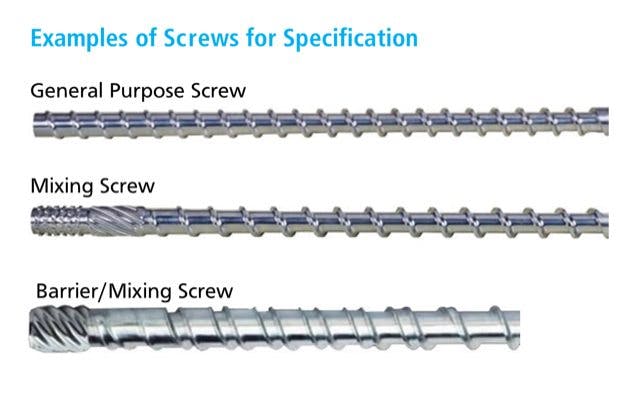
- Three-Zone Structure
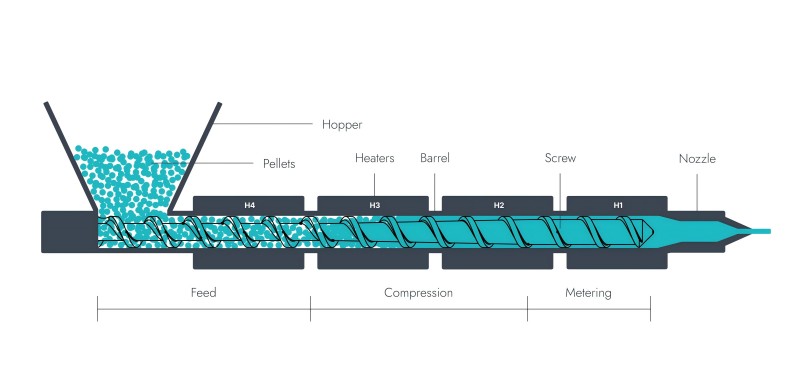
- Feed Section: Features deep screw channels to transport plastic pellets from the hopper to the transition section. Material is advanced via mechanical force from screw rotation.
- Transition (Compression) Section: Gradually shallower channels compress the material, generating shear heat and combining with external heating to melt the plastic.
- Metering Section: Uniform shallow channels homogenize melt temperature and viscosity, ensuring consistent shot volume for each injection cycle.
- Key Design Features
- Compression Ratio: Determined by the depth variation of screw channels. Higher ratios improve melting efficiency for high-viscosity or filled materials.
- Check Ring (Non-Return Valve): Prevents melt backflow during injection, ensuring pressure transfer to the mold cavity.
- Surface Treatments: Wear-resistant coatings (e.g., bimetallic alloys) for durability against abrasive materials like glass-fiber-reinforced plastics.
- Multifunctional Roles
The screw acts as a conveyor, melter, mixer, and pressure generator. Frictional heat from rotation and barrel heating work synergistically to control melt temperature. During reciprocation, the screw functions as a plunger to inject melt into the mold.
Barrel Design and Functions
- Heating and Temperature Control
- Divided into 3 heating zones (rear, middle, front) with independent temperature control to adapt to material-specific melting profiles.
- Thermocouples monitor temperature to ensure melt uniformity and avoid thermal degradation or cold spots.
- Structural Optimization
- Zoned Design: Aligns with screw zones (feed, transition, metering) to optimize material flow and heat transfer.
- Wear-Resistant Materials: Hardened steel or bimetallic liners (e.g., chrome-plated) enhance durability for abrasive plastics.
- Venting: Some barrels include venting zones to remove volatiles, minimizing defects like bubbles or voids.
- Synergistic Functions
- Works with the screw to form a sealed plasticizing system, ensuring stable melt delivery to the nozzle under high pressure.
- The nozzle (barrel-mold interface) is designed for minimal residue to prevent cold slug formation.
Critical Interaction Mechanisms
- Shear and Heat Transfer: Shear heat from screw rotation and barrel heating enable efficient melting.
- Pressure Control: Melt is stored during screw retraction and injected under high hydraulic pressure to fill the mold.
- Wear and Sealing: Precise screw-barrel clearance balances material transport efficiency and backflow prevention.
Specialized Designs
- Corrosive Materials: Screw-barrel pairs made of corrosion-resistant alloys (e.g., Hastelloy).
- Quick Color Change: Short-compression screws and open-barrel designs reduce material residue during color transitions.
The screw and barrel are engineered to work synergistically. Their geometry, materials, and thermal management systems ensure efficient conversion of solid pellets into homogeneous melt and enable high-precision injection molding.
Tips:
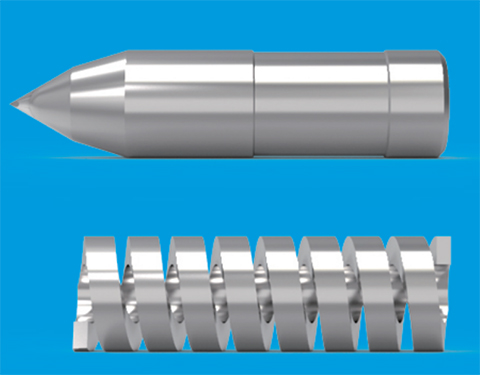
The surface hardness of the threaded part of the screw head does not need to be as high as that of the other parts.
Excessive hardness tends to cause thread stripping and reduce thread strength. Nitrogen protection should be applied before heat treatment, or the threads should be threaded after nitriding. The threaded portion should be deburred. It is better to have an R-shaped circular groove rather than cutting directly with a right-angle turning tool. This way the stresses are more evenly distributed, as many screw heads break at this position.
The overall surface of the three small parts of the screw head must be smooth.
Except for the assembly part, there should be no right angle or sharp angle anywhere that can be seen on the front side, and the transition should be rounded and smooth. The size of the rounded R depends on the situation, because dead ends such as right angles and sharp corners are easy to crack, not to mention the accumulation of material, so that the flow of raw materials is not smooth enough. When used for a long time, it is easy to develop black spots and yellowing. Three small pieces are the most likely to produce yellowing parts, many PC, PMMA and other products in the use of the process of yellowing, three small pieces of the anomaly, yellowing.
The activity gap between the left and right side of the gluing ring should be moderate.
According to the production of raw materials, the activity gap should be large or small. Many large thin-walled products injection point is not stable, is because of the glue ring left and right activities caused by the gap is too large. A lot of PMMA, PC raw materials in the production process, due to the glue ring left and right activity gap is too small, resulting in the glue is not smooth, there is a strange sound.
The design of the two end surfaces of the rubber ring is also particularly important.
Nowadays, many injection moulding machine manufacturers design the bonding surface of the gluing ring and the meson to be flat, with no slope. This has two disadvantages, one is flat contact, the second is no slant contact. If the bevelled surface is larger, the service life will be much shorter than the bevelled surface. Secondly, there is no bevelled surface, the combination of the meson and screw head will form a dead space, and the raw material will be prone to black spots and yellowing if it stays for a long time. This bevel is best for 30 degrees, 15 degrees is not big enough, easy to accumulate material. 45 degrees contact surface is big, not easy to accumulate material, but it is easy to push the rubber ring through when injecting glue.
What is the gap between barrel and screw?
The gap between the screw and barrel (commonly denoted as δ) is a critical parameter in extruder design, directly impacting production efficiency and product quality. Below is a detailed analysis:
- Definition and Standard Values
- Consequences of Excessive Gap
- Adjustment and Maintenance
- Injection molding screw barrel Design Considerations
Definition and Standard Values
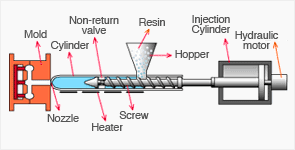
- Gap Definition: The radial distance between the injection molding screw barrel’s outer diameter (D) and the barrel’s inner diameter (D₁). While theoretical models often assume D ≈ D₁, practical designs require a small gap to accommodate operational tolerances and thermal expansion.
- Recommended Gap Range:
- Typically 0.003–0.005 times the screw diameter (δ = 0.003D–0.005D). Larger screws use smaller ratios, while smaller screws use larger ratios.
- Example: For a new screw with D = 5.08 cm, the ideal gap is 0.01016–0.01524 cm (approx. 1/1000 of D).
Consequences of Excessive Gap
- Unstable Melt Flow: Causes surface defects (e.g., transverse wrinkles) or dimensional inconsistencies in products.
- Increased Leakage Flow: Material backflows toward the feed zone, reducing extrusion output.
- Material Degradation Risk: Prolonged residence time in the barrel may lead to thermal decomposition of heat-sensitive materials (e.g., PVC), releasing corrosive gases (e.g., HCl).
- Accelerated Wear: Fillers (e.g., calcium carbonate, glass fibers) exacerbate wear on the screw and barrel, further enlarging the gap.
Adjustment and Maintenance
- Measurement Method: Mark reference points (e.g., “zero position”) on the screw and barrel. Push the screw with a copper rod and measure displacement to ensure the gap remains ~0.20 mm.
- Repair Standards: Replace or repair the injection molding screw barrel if the gap exceeds the maximum allowable value (e.g., 2/1000 of D). Common repair methods include:
- Spraying wear-resistant alloys on the screw.
- Boring the barrel and adding a hardened sleeve.
- Thermal Expansion Compensation: The feed section’s barrel is water-cooled, while the screw heats up via conduction. Designers must account for differential thermal expansion.
Injection molding screw barrel Design Considerations
- Material Properties: Heat-sensitive materials require smaller gaps to minimize residence time.
- Die Resistance: Higher resistance demands smaller gaps to maintain stable pressure.
- Processing Conditions: High-shear zones (e.g., screw tip and barrel wall) require tight gap control to avoid localized overheating or wear.
The screw-barrel gap must be optimized based on equipment specifications, material characteristics, and process conditions. Regular maintenance and measurement are critical to ensuring production efficiency and product quality.
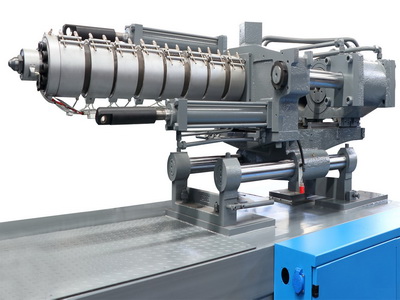
If you want to know more about the screw injection system of injection molding machines, please feel free to contact Haichen.