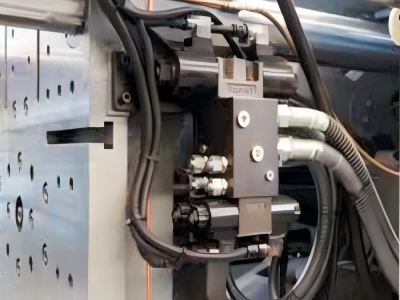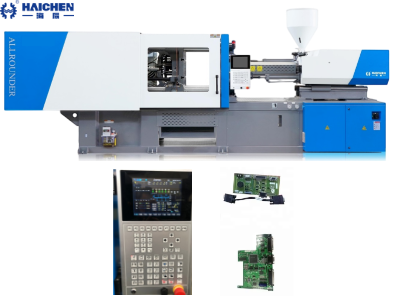
Clamping unit maintenance is crucial for injection molding machine. Regular checks and lubrication of the clamping system help prevent wear.
The injection molding machine’s clamping unit is particularly important as it enables closing the mold while keeping sufficiently high pressure during the injection so that the plastic melt solidifies homogeneously in all cavities. Proper maintenance and servicing of this unit is important for the efficiency and durability of the machine.
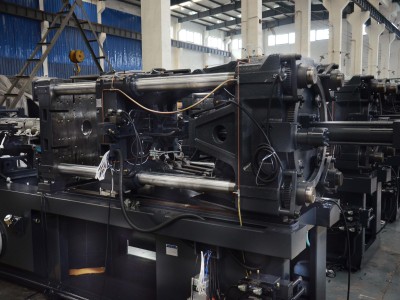
This article explains important issues concerning the maintenance of the clamping unit of an injection molding machine to improve performance and increase the operating time of the machine.
The Clamping System in Injection Molding Machines: Overview
The clamping system of an injection molding machine is one of its most important features as it keeps the mold closed during the mold injection cycle. The system must be capable of resisting tremendous pressure that the liquid polymer will inject into the mold cavity. There are several types of clamping systems popularly used in injection molding machines. Each with its own pros and cons and different fields of application.
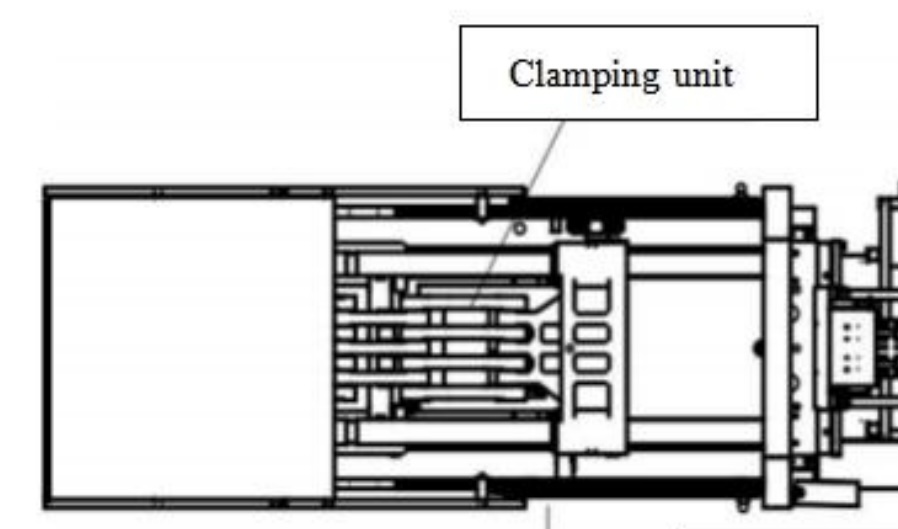
The clamping unit, a key part of this system. Plays a vital role in maintaining the precision and quality of the molded parts. It must be robust enough to handle the repetitive stress of the molding process while providing consistent clamping force. Regular maintenance of the clamping unit is essential to prevent issues such as mold misalignment. Which can lead to part defects or even machine damage.
Every operator should understand the types of clamping systems as well as the function of the clamping unit to maximize machine life and efficiency. Whether you are using a toggle or hydraulic powered clamping system, maintenance procedures should be followed.
How to Maintain the Clamping Unit of an Injection Molding Machine?
Cleaning and Inspection
The basic maintenance steps of the clamping unit, such as regular cleaning and inspection, are the most crucial. This means that all components are free of oil, dirt, and dust, and bears no excessive wear, cracks, or damage. A clean and properly maintained clamping unit is visually appealing and more efficient, thus reducing chances of failures.
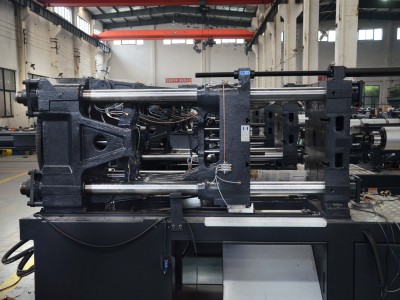
Lubrication of Clamping Units in Injection Molding Machines
As for every other machine part, proper lubrication of clamping unit is crucial for the bearing surfaces and moving parts to be free of excessive friction and wear. As per the manufacturer’s recommendations, the guide’s rails. And screws, as well as the gears and bearings, of the clamping unit require periodic lubrication. This increases the life of the components, boosting the efficiency of the catheter injection molding machine.
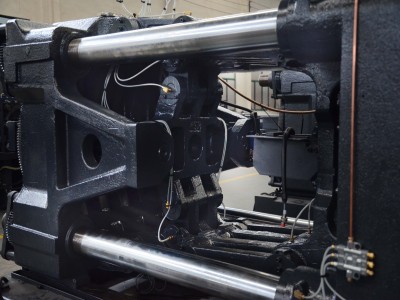
Check the fasteners
Excessively loose fittings may result in the clamping unit being structurally unsound and unsafe. Which is hazardous for the smooth and safe operation of the injection molding machine. Therefore, all fasteners which include bolts and nuts, should be checked regularly to ensure that they are tight. This step is critical for the safety and structural soundness of the clamping unit.
Hydraulic System Checks
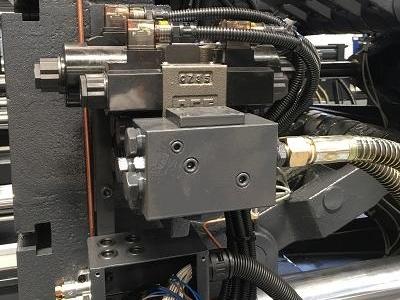
Part of the operation of the clamping unit is the hydraulic system. Make sure that the oil is checked regularly for level or contamination and that the pump. Valves and hoses are leak proof. This is very important for proper functioning of the clamping device. Proper maintenance of the hydraulic system means the clamping unit adds the correct value of pressure to the clamping step of the mold.
Mold Alignment and Condition
Alignment and condition of the mold has a direct relationship with quality of the molded parts. So it is mandatory to verify the mold is being installed properly and that there is equal distribution of the clamping force. Correctly aligned and undamaged molds allows for the clamping unit to operate properly therefore achieving consistency in product quality and quantity.
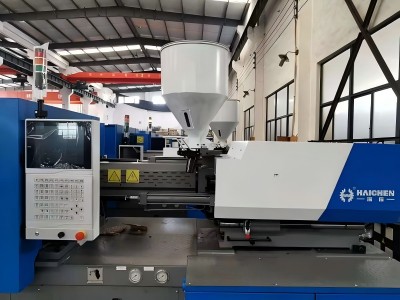
Adjustment and Calibration of Clamping Units in Injection Molding Machines
The former strategy involves adjustment of the clamping force. And control of the opening/closing speed depending on the sequence of operations. Setting calibration for trapping and releasing the molded tool at precise positions are essential for optimum efficiency and best quality outcome. Routine changes paired with tuning differa ccounts for different requirements of production runs for the numerous cycles.
Following these suggestions will achieve prolonged operational conditions and increased time efficiency for the machines therefore enhancing productivity.
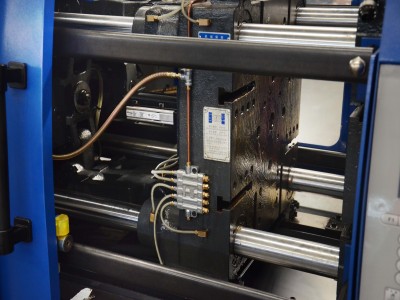
Importance of Clamping Unit Maintenance in Injection Molding Machines
Clamping unit is the heart of the clamping system in injection molding. As it handles mold closing as well as pressure application. Proper maintenance is needed to ensure smooth functioning of the clamping unit. So that breakages do not occur in conjunction with obstructions to high quality plastic parts. By concentrating on the tasks associated with the operations of the injection molding machines. Machine failings alongside production pauses can be controlled.
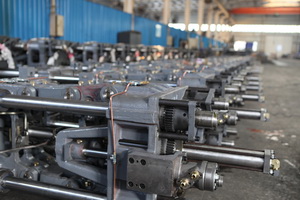
HAICHEN’s Expertise in Clamping Unit Maintenance
As a recognized manufacturer of injection molding machines. HAICHEN gives equal attention to the maintenance of clamping systems, due to it being essential in relative accuracy of mold placement. And repeatability of produced parts. Inspections done on closed-loop control systems are fitted with powerful clamping subsystems which a. were vetted for their accuracy and dependability b. possess minimal deflection under loading. This enduring dependability need stems from their designed purpose- HAICHEN clamping units were constructed for sustained harsh usage while maintaining tight tolerances in severe conditions.
HAICHEN machine users who observe periodic care instructions outlined by the company will reduce the number of clamping unit interventions needed without debilitating machine operations with degradation of serviceable conditions of the clamping unit. Enhancing the uninterrupted productivity of the system while improving the quality of output.