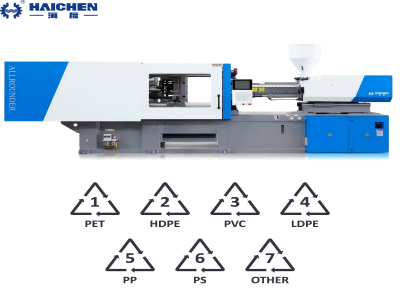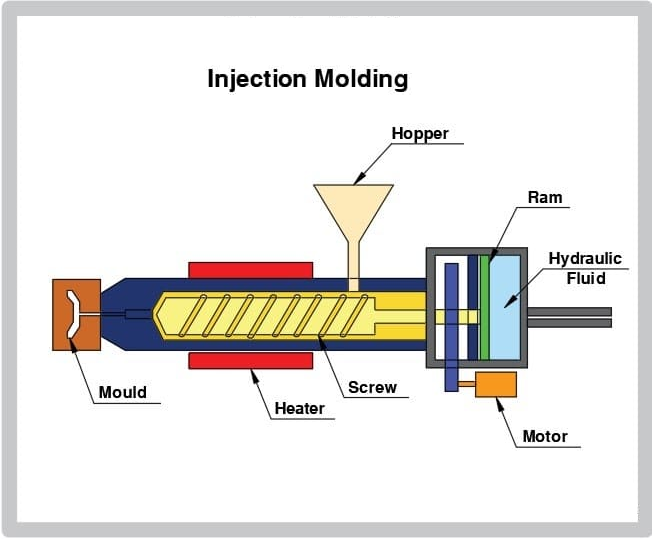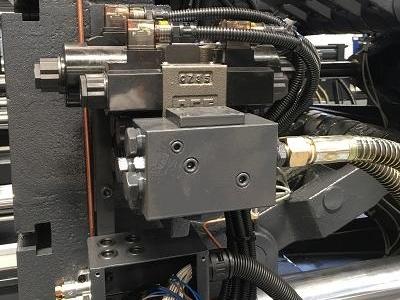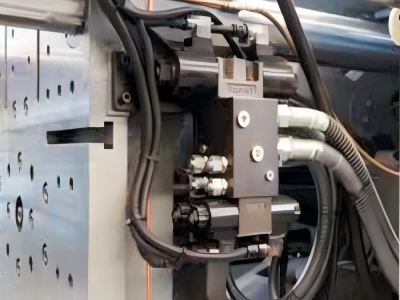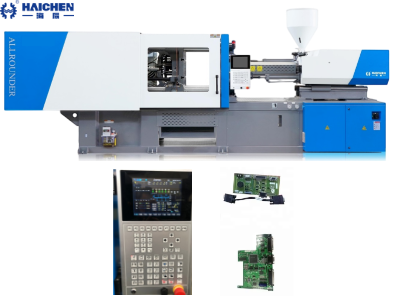
When selecting pressure regulators for injection molding machines, consider factors such as the required operating pressure range, flow rate, precision control, compatibility with the machine’s hydraulic system, and durability to ensure consistent performance and reliability.
Choosing a pressure regulator for an injection molding machine is important for continuous optimal performance and high production consistent quality.
Efficiency and reliability in operations demand precise pressure management during injection filling and molding cycles, as well as during the entire part manufacturing.
In the following, we outline the essential steps in selecting the pressure regulator for your injection molding machine.
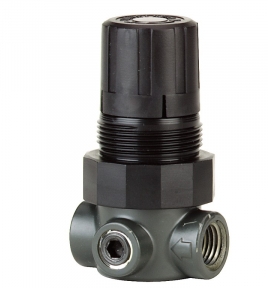
Understanding the Role of Pressure Regulators
In an injection molding machine, a pressure regulator has the function of controlling the hydraulic pressure in the closed system. Without properly regulating pressure, dynamic injection of plastic into molds cannot be maintained. Pressure regulators that work well prevent problems of inconsistent quality, machine damage, and part defects.
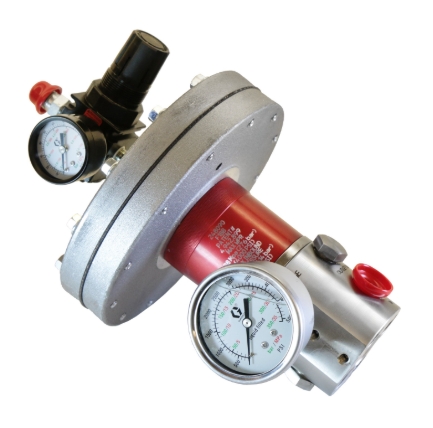
The core function of the pressure regulator in the injection molding machine
In an injection molding machine, the pressure regulator serves a distinct and vital purpose Proportional pressure control system is the primary control unit of the hydraulic or pneumatic system of the molding machine.
It safeguards the precision of the injection molding operation by pressure stabilization and control of the output pressure. Maintain pressure stability and control the cyclic fluctuations within.
Pressure stability and fluctuation control
- Reduce the output pressure from high input, which can be either a hydraulic pump station or an air source, to a constant low pressure of 0.1 to 0.3 MPa. Compensate for pressure fluctuations within ±10% and prevent pressure from causing defects such as short shots or flash.
- Maintain the cavity pressure within the range of 0.05 to 0.85MPa, during the pressure holding stage to compensate for the shrinkage of the material and reduce the deformation due to shrinkage.
Coordinated control of process stages
- Injection stage: Must be instantaneous. Adjust screw head pressure to a maximum of 220MPa. Avoid injurious pressure damage to mold and decomposition of material.
- Cooling stage: Appears as control of the volume flow of the cooling medium through pneumatic regulating valve. Control of the coolant flow stream to reduce the cycle time.
Safety protection function
- Integrated overload protection mechanism (such as pressure relief valve) automatically cuts off the fluid path when the pressure exceeds the limit to protect the mold and clamping mechanism.
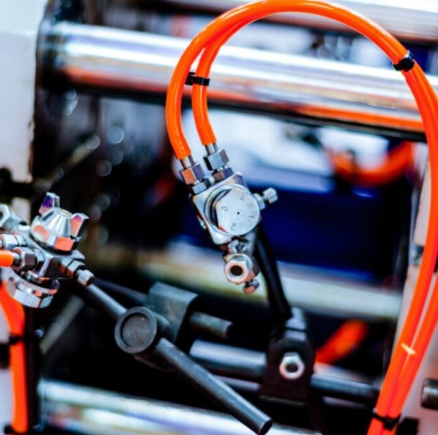
Key Considerations for Selecting Pressure Regulators
- Pressure Range
- Flow Rate
- Material and Durability
- Precision and Accuracy
- Compatibility with Injection Molding Machines
Pressure Range
Confirm that the pressure regulator is compatible with the pressure range required by your injection molding machine. Different machines might have different requirements for the pressure, therefore, it is essential to choose the one that is inline with the specifications of your machine.
Flow Rate
Another critical aspect is the flow rate of the hydraulic fluid. The pressure regulator must cope with the required flow rate without creating considerable pressure drops. This is crucial for the hydraulic system to function properly and for the system to work in an optimal manner.
Material and Durability
Select a pressure regulator which can withstand the rigors of the injection molding process and is made from high-quality durable materials. Materials like stainless steel which do not corrode or wear easily are ideal.
Precision and Accuracy
Make sure to look for pressure regulators which have high level control mechanisms. Having an accurate regulation of the pressure is critical in retaining quality and defect reduction. More sophisticated regulators often have a digital display and adjustable user settings for accurate control which are very useful.
Compatibility with Injection Molding Machines
Confirm that the pressure regulator is compatible with your model of an injection molding machine. Some machines may have specific needs or connections, therefore, it is crucial to verify the compatibility before the purchase.
Benefits of High – Quality Pressure Regulators
- Improved Part Quality
- Improved Efficiency of the Machine
- Lower Maintenance Expenses
- Improved Safety
Improved Part Quality
High – Quality Pressure Regulators maintains consistent pressure, which enhances the quality of the defect free plastic parts.
Improved Efficiency of the Machine
Proper regulation of the pressure improves the overall working efficiency of the injection molding machine, lowering the cycle times while increasing the production output.
Lower Maintenance Expenses
Reliably pressure regulators improve the frequency of maintenance and repairs which in turn helps save time and money.
Improved Safety
Accurate control of the pressure helps in the prevention of over-pressurization and possible machine damages which ensures adequate safety.
Maintenance cycle and operation
| Item | Cycle | Operation specification |
| Sealing test | Monthly | Check the interface with soapy water, leakage rate <0.1% |
| Filter cleaning | Quarterly | Dismantle and clean the filter (60μm accuracy), corrosive media shortened to every six months |
| Pressure calibration | Annually | Calibration is required when the error compared with the standard table is >5% |
| Seal replacement | 2 years | Fluororubber parts must be replaced (even if there is no visible aging) |
Selecting the right pressure regulators for your injection molding machines is critical for efficient production. By selecting the pressure range, flow rate, material, accuracy and even the regulator’s geometric configuration, durability, and compatibility you are ensured high precision control for your machines.