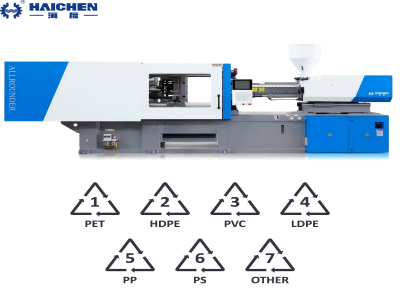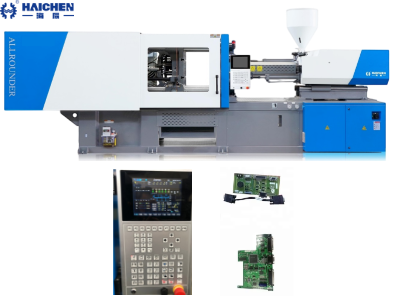
The Function of the Injection Unit includes Material Melting (plastic pellets heated to molten state), Material Mixing (homogenization via screw rotation), Injection into the Mold (high-pressure filling), Cooling and Solidification (controlled part formation), and Material Feeding and Metering (precise dosing).
The injection unit’s role entails melting the plastic material, then rigorously injecting it into the mold cavity of an injection molding machine with careful precision and consistency, making it clinically clean in every step.
The well-designed and efficient injection unit directly impacts the quality of production, making it of high value in the unit’s construction and implementation.
In this article, we will explore the key functions of the injection unit and its role in the injection molding process.
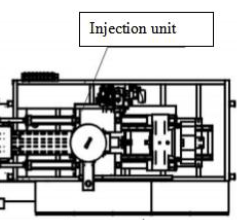
Function of the injection unit
The injection molding procedure incorporates four main phases: mixing the material, injecting them into the mold, cooling or solidifying them, as well as feeding the material. Each step is closely monitored to guarantee that the plastic components produced will have the same characteristics, will be of the same quality, and will have as few defects as possible.
- Material Melting
- Material Mixing
- Injection into the Mold
- Cooling and Solidification
- Material Feeding and Metering
Material Melting
One of the most significant aspects in this order of operations is the injection unit, which is responsible for heating the material and melting it to the required temperature. For the injection unit, the plastic to be processed is received in the form of pellets, which are then kept in the injection unit’s barrel. For optimal results, temperature during this procedure is very vital, as it needs to be monitore to avoid the material from being damaged. And to ensure that blending materials are inject.
Material Mixing
When the injection unit is able to heat, it becomes very easy to blend the material to ensure that they will all melt. Through the use of a reciprocating screw which is located in the barrel, the blending takes place as the screw turns. Effective blending assures that all the components will achieve the desired level of quality and uniformity in their mechanical properties and their visual characteristics.
Injection into the Mold
Looking at the procedure from step one, one can note that the injection unit uses the molten material and puts it in hexagons to be press into the desired shape. Close control is kept on the rate at which the junctions are filled. Monitoring of the pressure of the junction is crucial to avoid the construction of different defects.
Cooling and Solidification
After the mold cavity is filled, the injection unit aids in the cooling of the molten plastic. Through the injection unit’s cooling systems, the water-jacketed mold is able to cool the plastic uniformly. Adequate and uniform cooling helps in reducing the chances of defects. The water-jacketed molds also help in reducing cycle times and in increasing the overall productivity of the production.
Material Feeding and Metering
It is the injection unit that takes care of providing the correct volume of material to the mold. Effective measurement guarantees that the correct amount of plastic is injected in every cycle. Accurate measurement is important to maintain a consistent quality of parts and also to avoid the use of excess material.
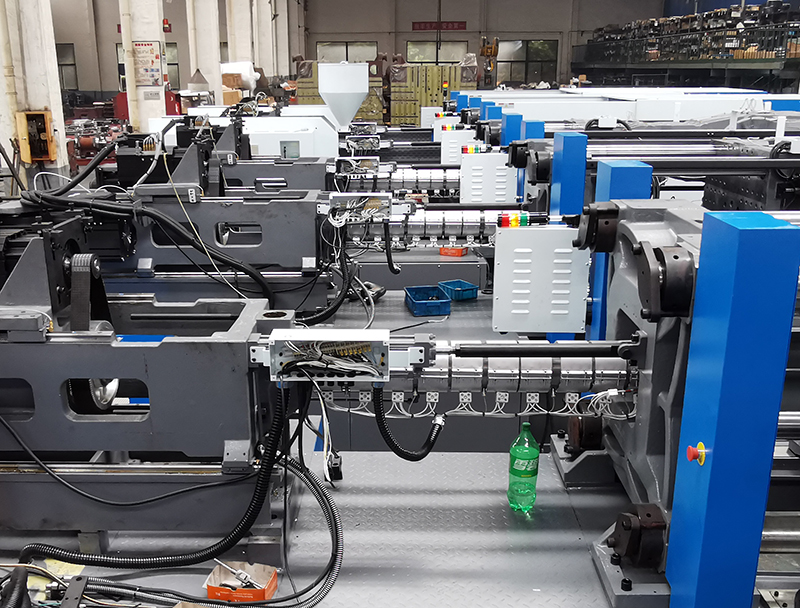
types of Injection Units
By Drive System
- Hydraulic: High pressure (2000+ bar) but lower energy efficiency
- Electric: Precise control (±0.1mm repeatability) with 40% energy savings
- Hybrid: Combines hydraulic power with electric metering
By Plasticizing Capacity
·Standard units: For general-purpose resins like PP/ABS
·High-performance units: For engineering plastics (e.g., PEEK with L/D 25:1 screws)
HAICHEN Note: Our HCK series offers modular units for quick changeovers between material types.
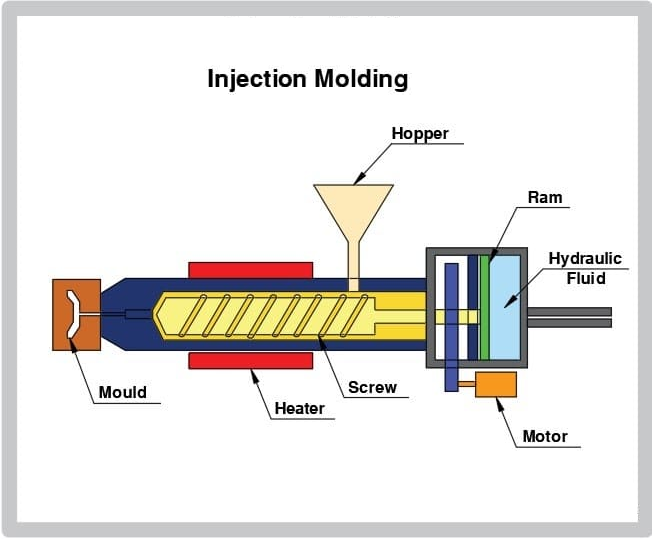
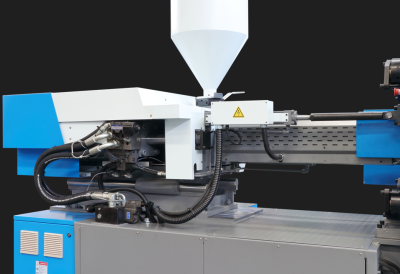
Injection Unit Main Components
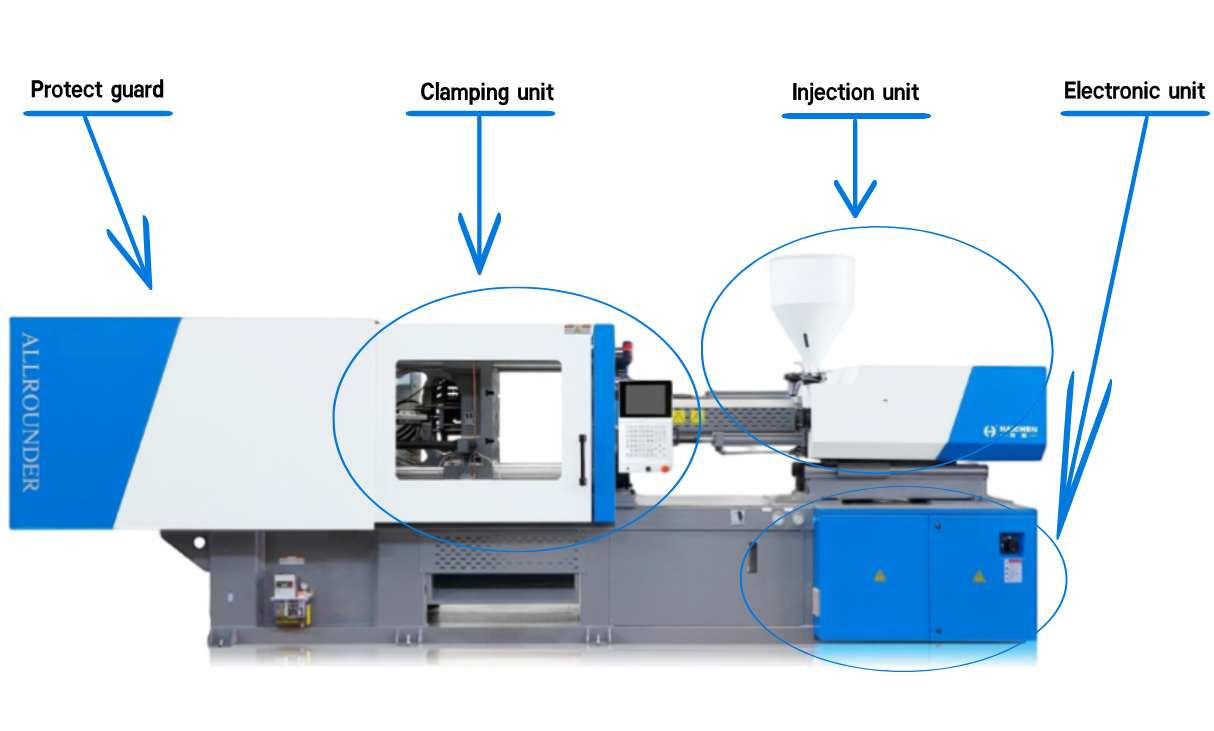
Using the injection unit’s function, the granule plastic is injected into the plastic injection ,molding mold after being mixed with colorant. The injection plastic machine’s control is the electronic unit that interfaces with the operator and is similar to the brain of the machine.
- Hydraulic Motor: Drives the injection process.
- Screw and Barrel Set: Work to melt and homogenize the plastic material.
- Heater Bands: Supplies heat to the barrel for melting the plastic.
- Thermocouple: Controls and monitors the temperature.
- Ring Plunger: Aids in the injection process
- Cooling System: Regulates the temperature to prevent overheating.
Common Injection Unit Defects & Solutions
- Screw Slippage → Worn flights → Replace with dual-hardness coated screws
- Metering Inaccuracy → Check non-return valve wear (annual replacement recommended)
- Material Degradation → Verify heater band calibration (±2°C tolerance)
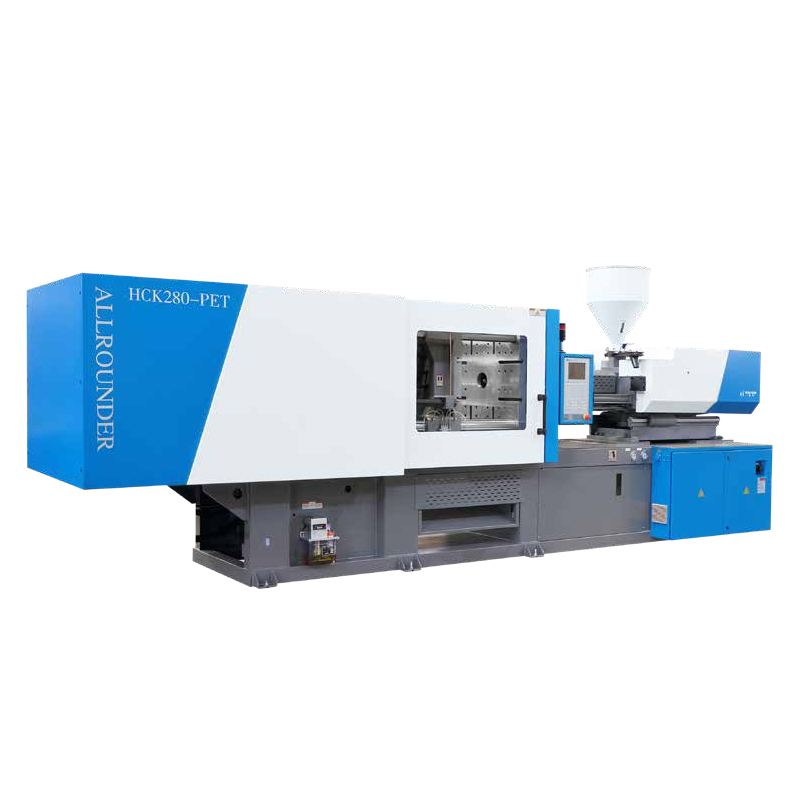
HAICHEN: Injection Molding Machine Manufacturer
HAICHEN is a leading manufacturer of injection molding machines, specializing in high-precision and high-efficiency equipment. Our injection units are designe to deliver top performance. Ensuring consistent part quality and efficient production.
Advanced Features of HAICHEN Injection Units
- Precision Control Systems:HAICHEN outfits its injection units with advanced control systems that enable precise temperature, pressure, and speed control. This ensures uniform melting and accurate injection of the material.
- High-Quality Components: Our injection units use high-quality components to ensure reliability and durability. This reduces downtime and maintenance costs, ensuring consistent production.
- Customizable Solutions: HAICHEN offers a range of customizable injection units to meet the specific needs of different manufacturers. Whether you require machines for small-scale production or large-volume manufacturing, we can provide the right solution for your needs.
- Energy Efficiency:Our injection units are designe to be energy-efficient, reducing operational costs for manufacturers. With features such as variable pump drives and optimized heating systems, HAICHEN machines help to lower energy consumption while maintaining high production standards.

The injection unit is a vital component of an injection molding machine, responsible for melting, mixing, and injecting plastic material into the mold. By understanding the functions of the injection unit and utilizing advanced equipment. Manufacturers can achieve high-quality parts with consistent properties and efficient production processes.