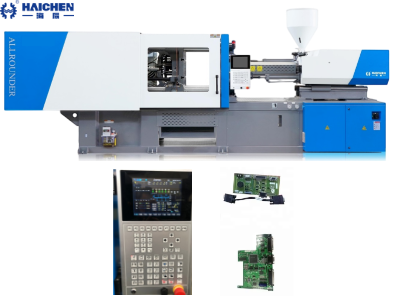
Factors Influencing Mold Temperature include material properties, injection speed and pressure, mold design, cooling system efficiency, cycle time, and ambient conditions.
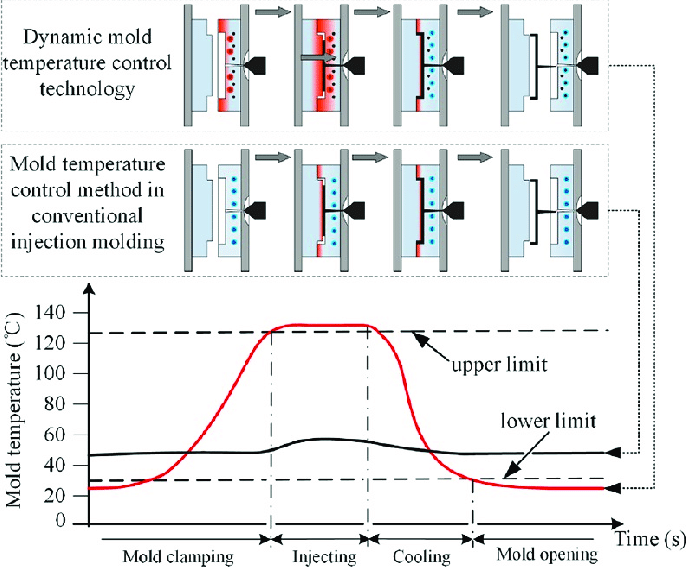
Mold temperature directly affects the production effect of injection molding.
It regulates the flow rate of plastic raw materials, determines the appearance and strength of the final product, and is related to the overall production efficiency.
To stably control product quality, it is necessary to deeply analyze the core factors affecting mold temperature.
This article will list the key parameters of temperature control from the perspective of actual production and give specific adjustment suggestions.
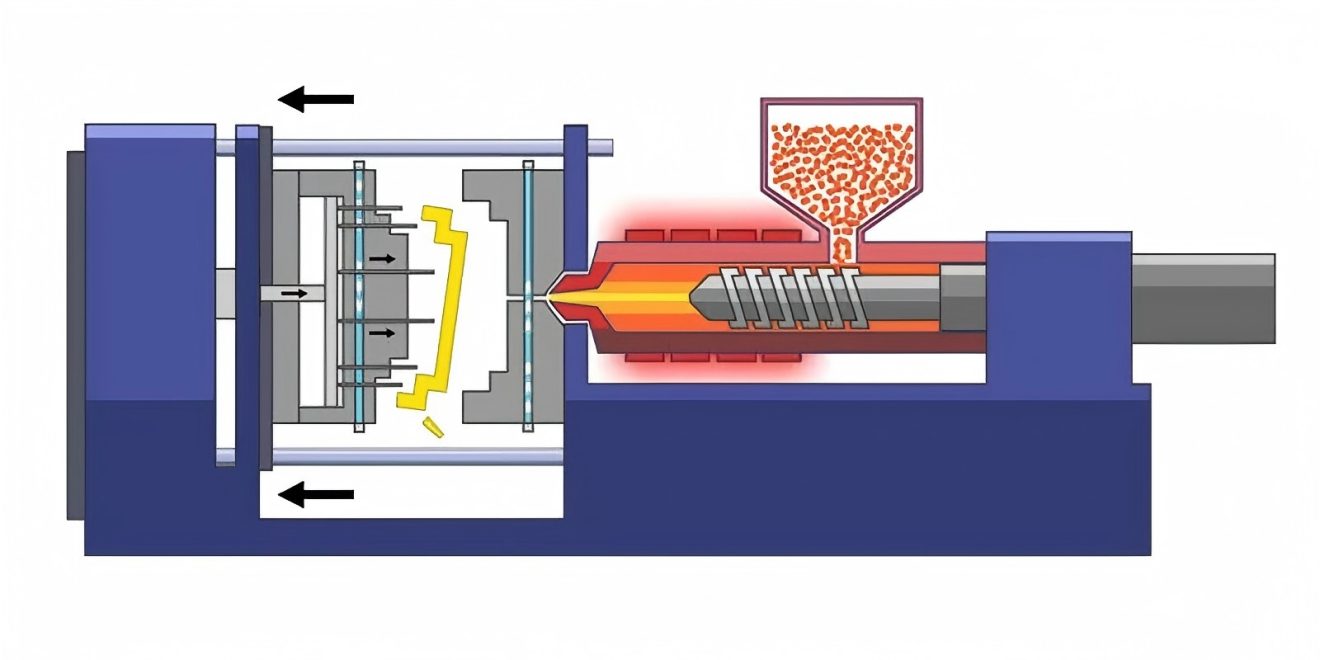
What is mold temperature? What does it do?
Mold temperature refers to the temperature of the mold cavity surface during the injection molding process. In simple terms, it is the temperature and distribution of various places inside the mold that contact the plastic (such as the cavity itself, the core, and around the cooling system).
This temperature is very important to the entire injection molding process and affects three main stages:
- Preheating stage: Before starting production, the mold needs to be heated to the appropriate temperature. If the mold is too cold, the molten plastic will solidify too quickly once it enters, resulting in under-injection (the plastic will not fill the mold) or defects on the plastic surface (cold material marks).
- Forming stage: During the period when the plastic is injected into the mold and begins to form, the mold temperature needs to be kept stable. This allows the plastic to maintain sufficient fluidity to smoothly fill every corner of the mold. And the crystallization process inside the plastic can proceed normally (this is critical to the performance of some plastics).
- Cooling stage: When the product is cooled and formed in the mold, it is very important to control the final temperature of the mold. The right cooling temperature can shorten the entire production cycle (improve efficiency) and reduce stress inside the product (prevent product deformation or cracking).
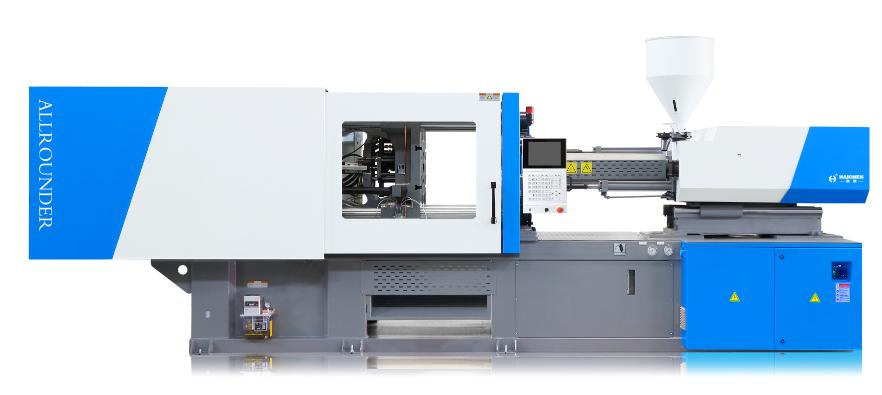
Factors Influencing Mold Temperature
During the injection molding process, the control of mold temperature needs to take into account the following practical factors:
Material properties
During the injection molding process, the characteristics of plastic raw materials directly affect the setting of mold temperature. Different types of plastics have different requirements for mold temperature due to their melting points and heat transfer capabilities. For example, commonly used materials such as polypropylene (PP) usually require controlling the mold temperature between 70~90 ℃ in practical operation. This not only allows the plastic to fully crystallize, but also reduces the problem of shrinkage deformation after molding. If the heat transfer ability of the plastic itself is strong (such as composite materials with added metal powder), heat can be dissipated from the mold faster, and in this case. The mold temperature can even be appropriately reduced to shorten the production cycle.
Injection speed and pressure
When we adjust the speed and pressure of plastic injection into the mold, the mold temperature will also change accordingly. If a higher injection speed is used, the flow time of the molten material in the mold is shortened. And the heat cannot be transferred to the mold steel in time, which will instead cause the mold temperature to decrease.
>But when the injection pressure is increased, the friction between plastic molecules intensifies. Which does generate more heat and cause the mold temperature to rise.
>On the other hand, if the injection speed is too slow and the plastic dissipates too much heat during the flow process. It may solidify before filling the mold cavity, which can easily cause product shortage. When the pressure is insufficient, the plastic cannot tightly adhere to the mold wall. And the heat transfer efficiency decreases, which will also affect the molding quality.
Mold cooling system design
The mold design itself is crucial to temperature control. A scientifically laid out cooling system can efficiently remove heat and ensure that the temperature in each area of the mold is uniform and stable. At the same time, the geometric characteristics of the cavity (such as size and contour) will directly affect the heat transfer path and retention degree – for example. Deep cavity structures are prone to forming local high temperature areas, while thin-walled areas dissipate heat faster.
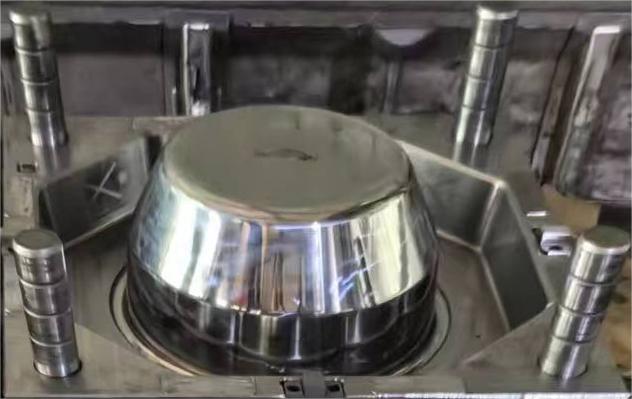
Cooling system
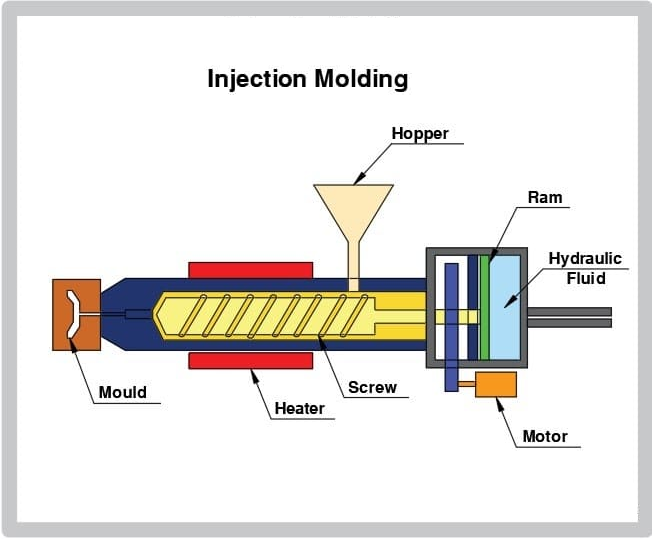
The cooling effect is directly related to the control of mold temperature. Usually we use water or oil to cool the mold. If the cooling pipe is designed reasonably and the coolant flows smoothly, the mold temperature can be stabilized within the required range. So the quality of the produced parts is more stable.
Production rhythm
The length of time required to inject a part will also change the mold temperature. If the time is too long, the mold is prone to heat accumulation; if the time is too short. It may not be able to cool down sufficiently. Therefore, it is particularly important to adjust the production rhythm so that the mold temperature can remain stable.
Ambient environment
Environmental factors such as workshop temperature and humidity will also interfere with mold temperature. For example, if the workshop is too hot, the mold temperature is easy to rise. If the workshop is too cold, additional heating may be required to maintain the target temperature.
HAICHEN: Injection Molding Machine Manufacturer
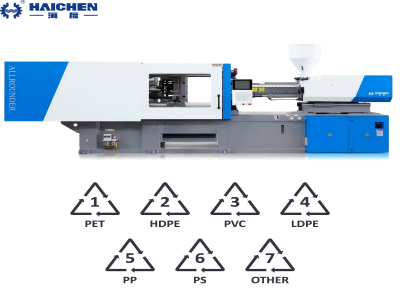
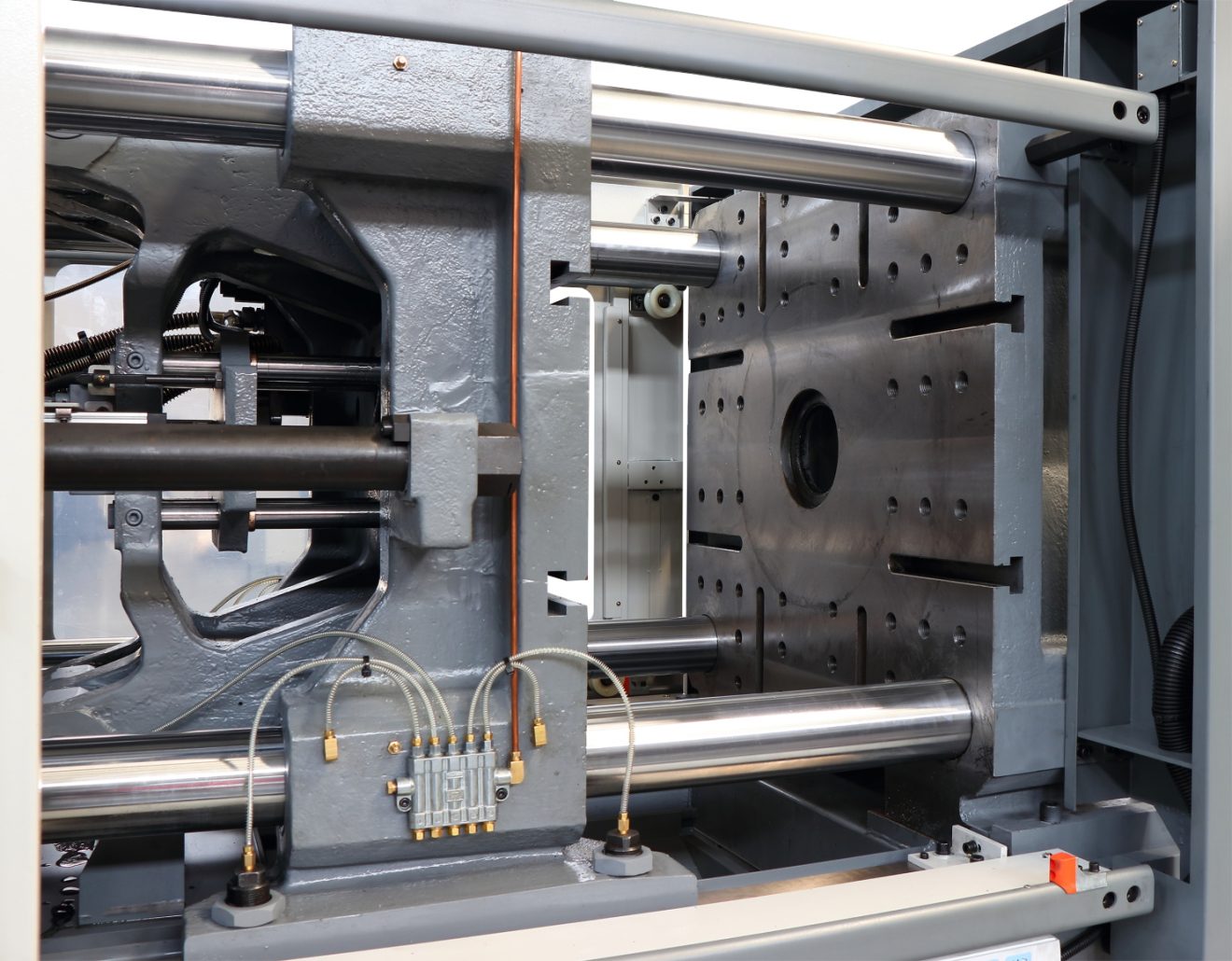
HAICHEN focuses on the R&D and manufacturing of injection molding machines. And has become the preferred brand in the industry with stable and durable equipment.
We provide a variety of models to meet different production needs. And are specially equipped with efficient cooling systems to improve production continuity.
After purchase, you will receive full support: 24-hour technical response, rapid supply of original spare parts. And operator training to ensure that the equipment remains in optimal operating condition.
Discussion on the Thai Market
According to industry forecasts, the size of Thailand’s injection molding market will reach US$13.2 billion in 2032. This growth directly drives companies’ demand for the introduction of intelligent equipment. Especially focusing on the actual benefits of equipment in improving process stability and reducing unit costs.
For example, in the packaging field, which accounts for 51.8% of Thailand’s plastics industry, companies urgently need to upgrade equipment to cope with increasingly stringent quality standards and delivery cycle requirements.
To produce high-quality injection molded products, it is critical to control the mold temperature. Factories need to focus on six aspects: the first is material properties, different plastics require different temperatures. The second is injection molding parameters, such as injection speed and pressure. Which will affect mold temperature rise; the third is mold design, especially whether the layout of the cooling water channel is reasonable. The fourth is the cooling system, to ensure that it can stably take away heat; the fifth is production rhythm. Too long or too short cycle time will affect temperature stability. The sixth is the workshop environment, room temperature changes will also interfere with mold temperature.
If all these links are done well, the mold temperature can be kept stable. The benefits of doing this are very practical: it can make product dimensions more accurate and the surface smoother, reduce scrap rates. And improve production efficiency at the same time.