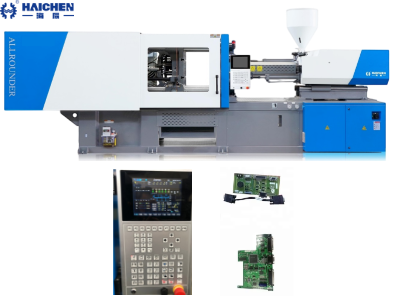
Ejector pins play a crucial role in the injection molding process. They are essential components of the ejector system, which is responsible for removing molded parts from the mold cavity.
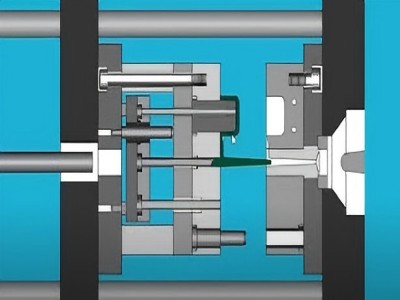
Types of Ejector Pins
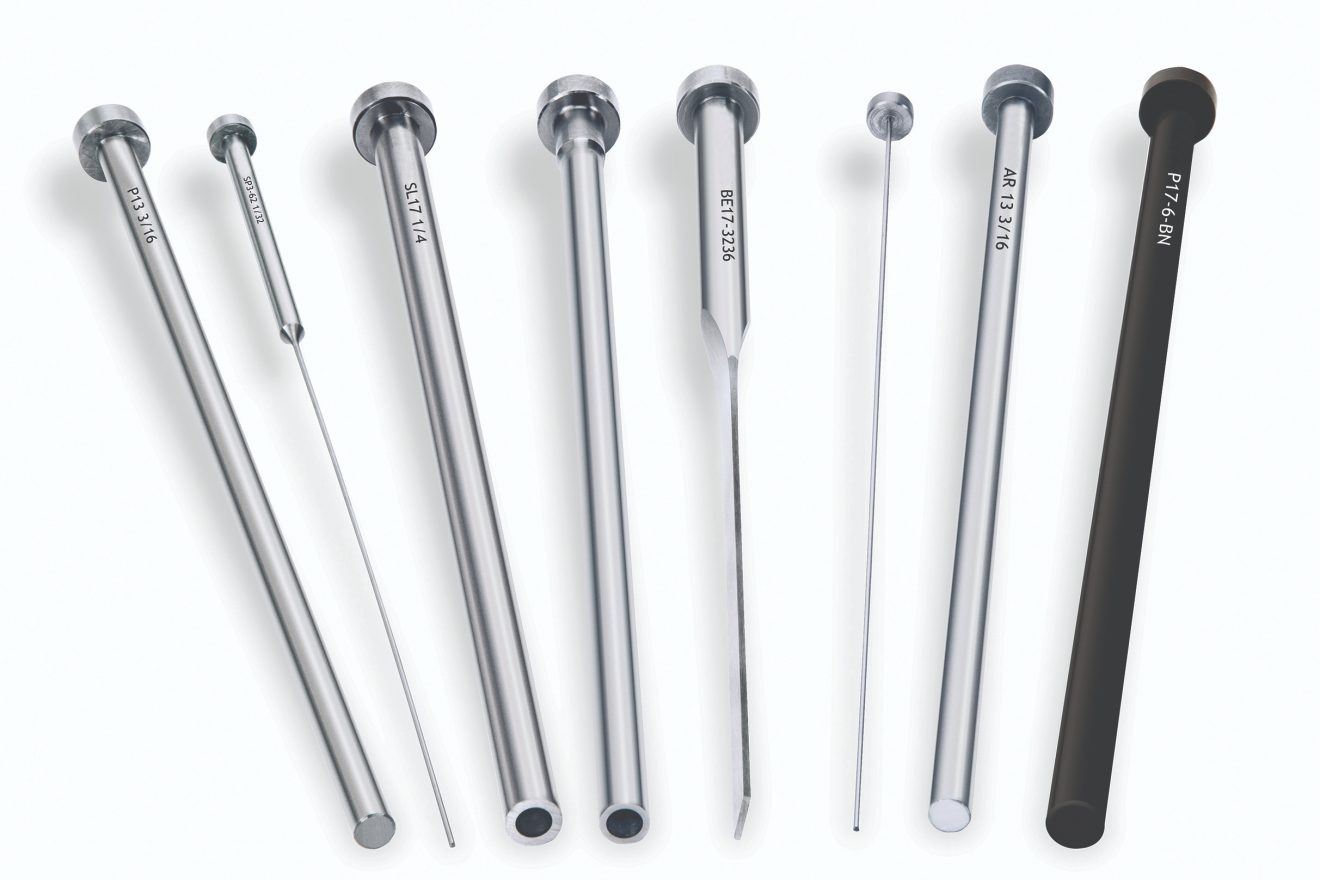
There are several types of ejector pins, each designed for specific applications:
Straight Ejector Pins: These are the simplest and most common type. They are cylindrical and suitable for ejecting parts with basic geometries.
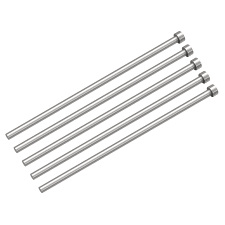
Shoulder Ejector Pins: These pins have a larger diameter at the shoulder and a smaller diameter at the tip. They are ideal for ejecting larger or more complex parts, as the shoulder helps prevent the pin from embedding into the part.
Blade Ejector Pins: These pins are flat and thin, making them suitable for ejecting small or thin-walled parts. Their design helps prevent deformation and is ideal for parts with narrow or deep cavities.
Two-Stage Ejector Pins: These pins have two different diameters, allowing for a more gradual ejection process. The pins help gently eject parts without causing damage.
Function of the mold release pin
The primary function of a release pin is to push the molded part out of the mold cavity by applying pressure, thereby preventing the part from sticking to the mold and causing production to stall or be damaged. Specifically, the role of the mold release needle includes:
Efficient mold release: The release pin quickly pushes the part out of the mold, avoiding stuck parts that can extend production time or increase production costs.
Protecting part quality: The proper design and use of release pins can reduce scratches or damage to the part surface and improve the quality of the finished product.
Extend mold life: By optimizing the design of the release pins, mold wear can be reduced and mold life can be extended.
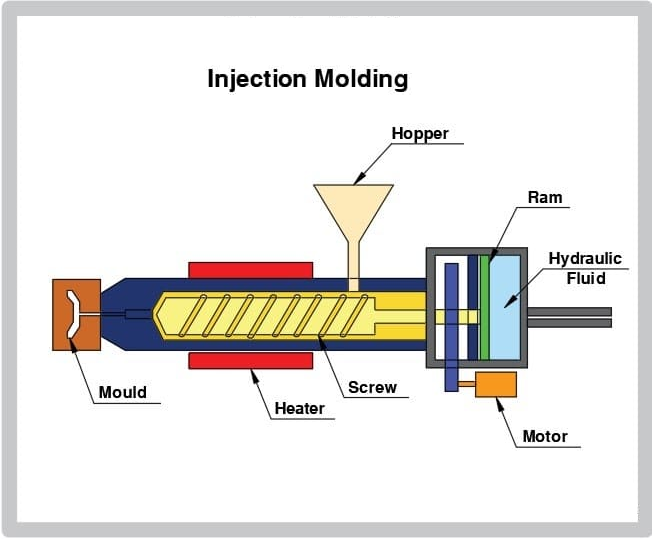
How Ejector Pins Work in Injection Molding
Mold Clamping & Injection:The mold closes, and molten plastic fills the cavity.
Cooling Phase:The plastic solidifies into the desired shape.
Ejection Stage:The ejector plate moves forward, driving the pins to push the part out of the mold.
Reset for Next Cycle: The pins retract, and the mold prepares for the next injection.
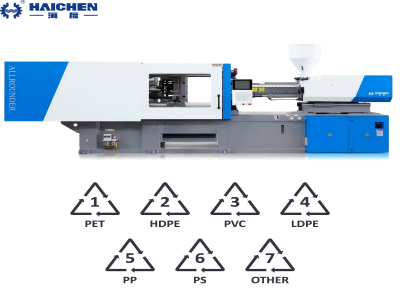
Injection molding machine Ejector Pins supplier: Haichen Machinery
Haichen Machinery is a known supplier of ejector pins and other components for injection molding machines. Ejector pins are critical in the molding process, helping to remove finished parts from the mold after cooling.
Why Choose Haichen Machinery for Ejector Pins?
High-Quality Materials
The ejector pins are typically made from durable materials like SKD61, H13, or carbide for wear resistance.
Precision Manufacturing
Ensures tight tolerances and smooth operation in molds.
Various Sizes & Customization
Offers standard and custom ejector pin sizes to fit different mold designs.
Competitive Pricing
Cost-effective solutions for high-volume production.
Reliable Supply
Consistent availability for maintenance and new mold setups.
If you’re looking for durable, high-performance ejector pins, we can provide more information.