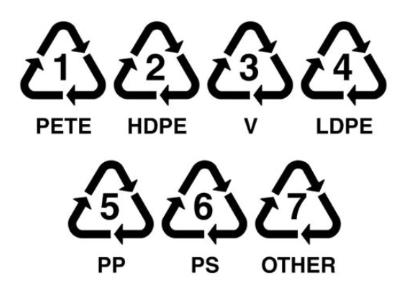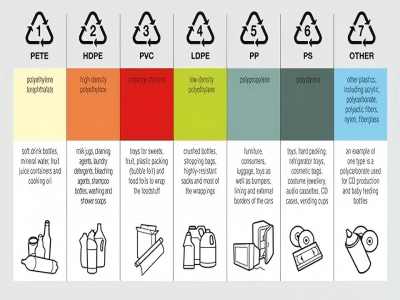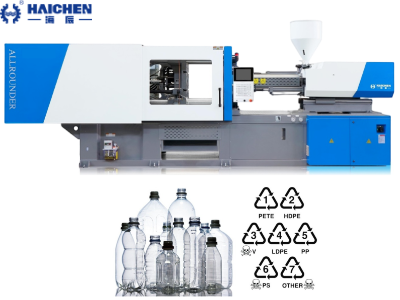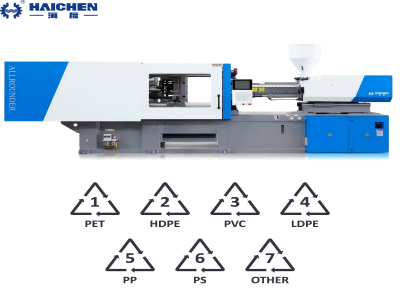
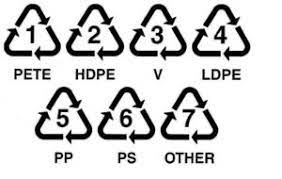
Number of bottle of the plastic product represent different material types:
- No. 3 (PVC)
- No. 6 (PS)
- No. 7 (others, such as PC)
And special attention should be paid to their use scenarios and restrictions.
Initially developed in 1988 by the Plastics Industry Association (SPI).
The digital identification system on plastic products utilizes a numeric code (1-7) to classify plastic materials, thereby promoting recycling and waste sorting.
This system, known as the Resin Identification Code (RIC), features a triangular logo with three arrows encircling a central number.
While also including an abbreviation of the polymer type (e.g., PET, HDPE).
China adopted a similar standard in 1996 and updated it to the “Marking of Plastic Products” (GB/T 16288-2008) in 2008.
Expanding the number of plastic materials to 140, but the common ones in life are still 1-7 categories.
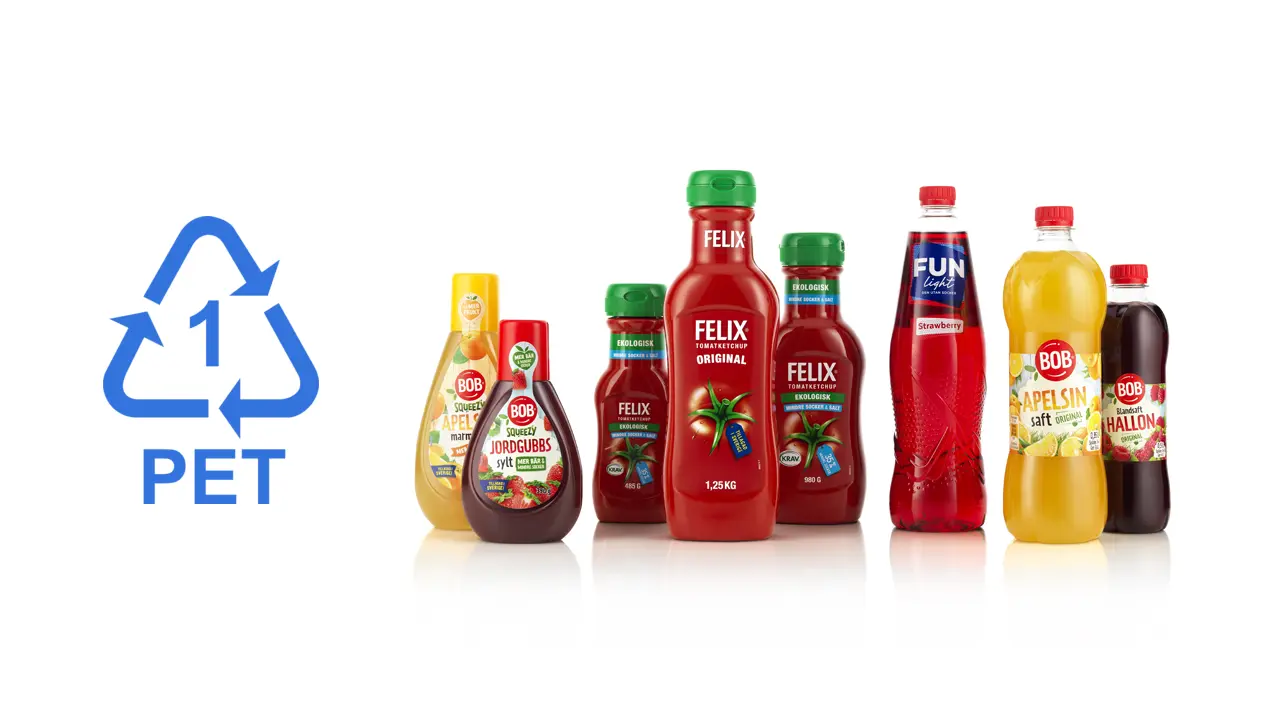
No. 1 (PET)
The most common beverage bottle materials, such as mineral water bottles, carbonated drink bottles, juice bottles, etc.
Secondly, it has a temperature resistance range of -20 °C to 65 °C, is not resistant to high temperatures.
And is easy to deform and release harmful substances (such as phthalates, antimony) above 70 °C.
However, reusing or filling hot water may migrate carcinogens and it is recommended to discard them after one-time use.
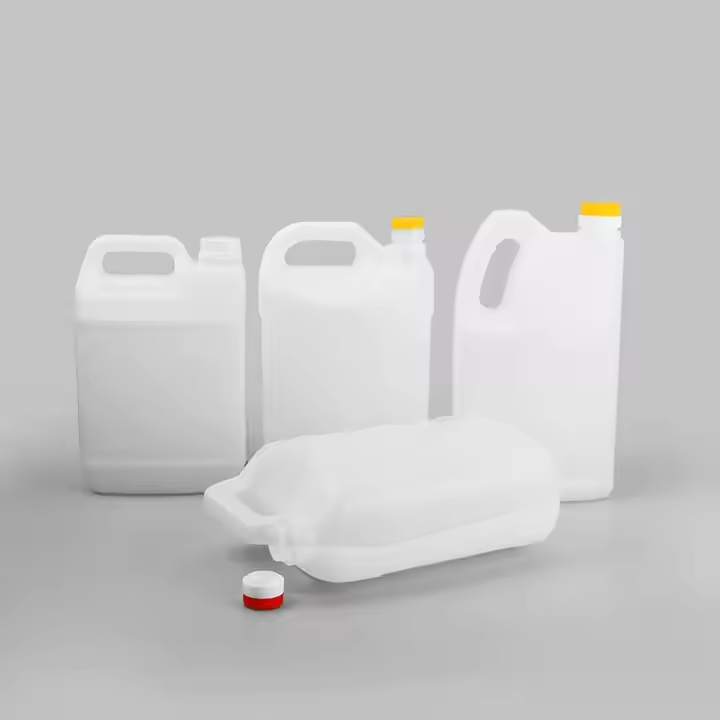
No. 2 (HDPE)
Materials for cleaning containers (e.g., detergent bottles), shopping bags, etc.
It can withstand high temperature up to 110°C, but it is easy to retain bacteria on the surface.
And it is not suitable for repeated food packaging.
No. 3 (PVC)
PVC is flexible due to the addition of plasticizers (e.g., phthalates) and stabilizers (e.g., lead, cadmium).
But these chemicals can migrate into food or beverages.
Phthalates may interfere with the hormonal system, with potential effects on child development, in particular.
PVC is prone to the release of vinyl chloride monomer (VCM) when exposed to high temperatures or grease.
And is classified as a Group 1 carcinogen by the International Agency for Research on Cancer (IARC).
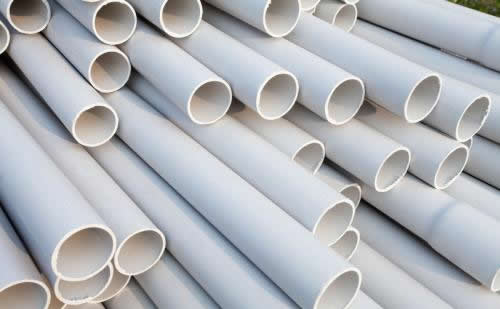
Pipes, raincoats, plastic films and other non-food packaging fields are prohibited from being used in food containers.
No. 4 (LDPE, low-density polyethylene)
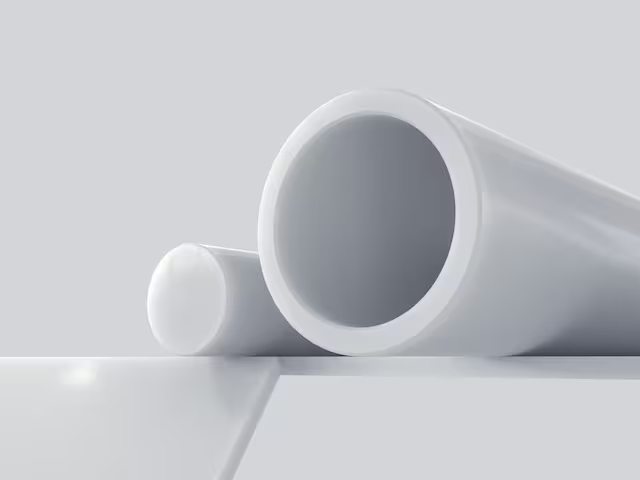
Plastic wrap, plastic bags.
It has poor heat resistance, and may release harmful substances at high temperatures.
So it is necessary to remove plastic wrap when heating food.
No.5 (PP, polypropylene)
The material of microwave oven lunch boxes and feeding bottles (non-PC material) is resistant to high temperatures up to 130°C.
And has high safety, making it an ideal choice for food containers.
No.6 (PS, polystyrene)
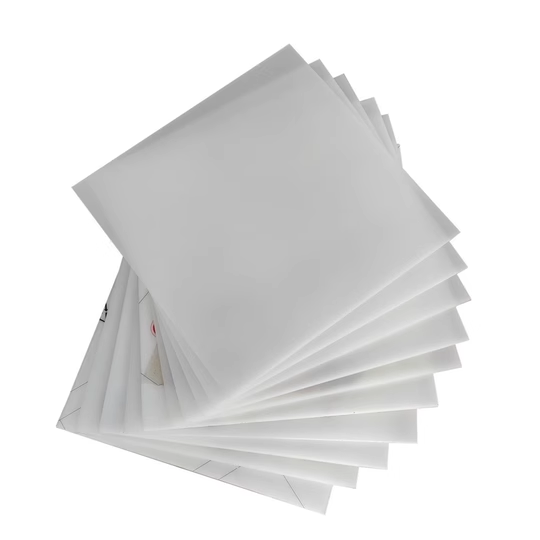
It is divided into two forms: foamed (EPS, such as foam lunch boxes) and rigid (such as disposable tableware).
Styrene may be released when exposed to hot or acidic foods, classified by IARC as a Group 2B probable carcinogen.
And long-term exposure may damage the nervous system.
It is difficult to degrade and produces toxic gases when incinerate.
Fast food boxes, disposable cups, not suitable for hot drinks or reuse.
No. 7 (other classes, such as PC, ABS, etc.)
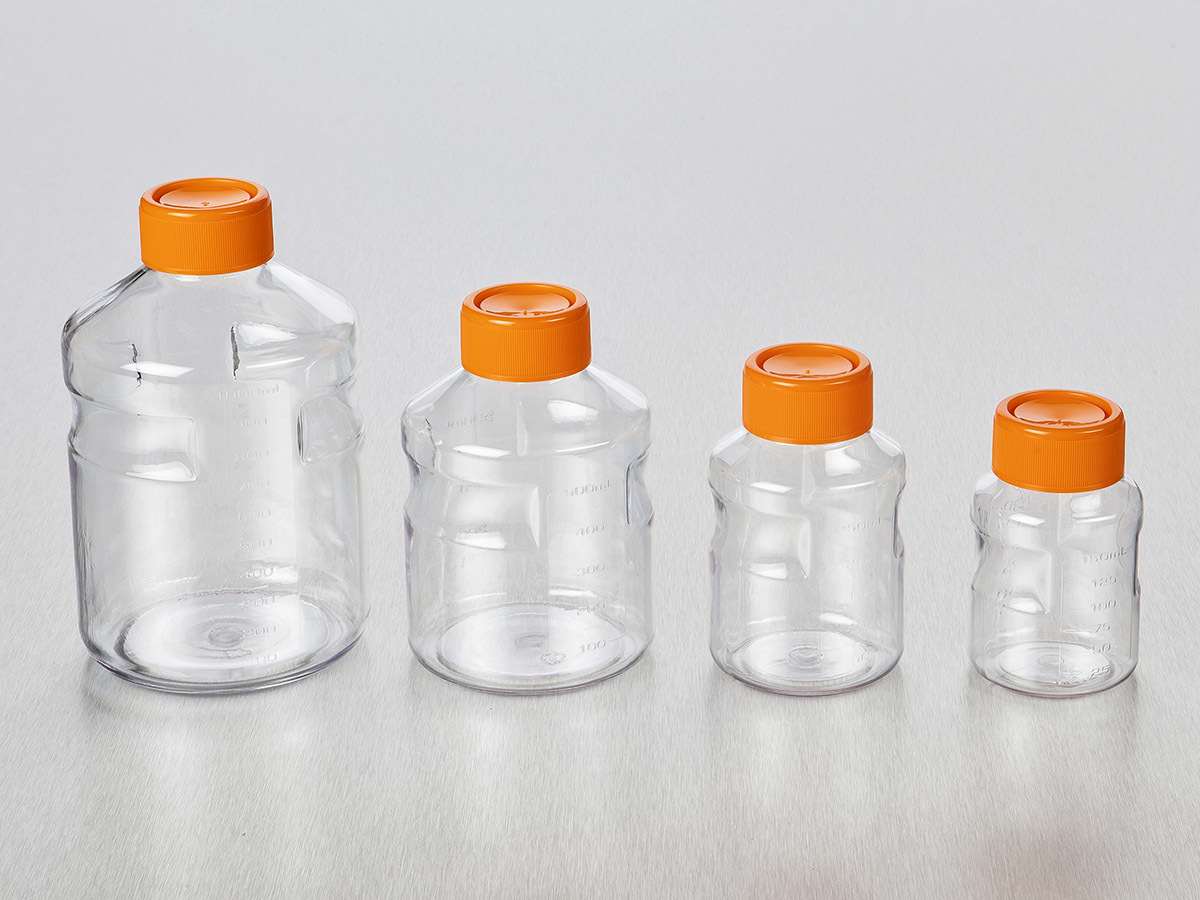
PC materials are prone to release BPA under high temperature or ultraviolet radiation.
Which may lead to endocrine disorders, reproductive system abnormalities, and even increase the risk of cancer.
Experts classify materials containing unclassified plastics or bioplastics (such as PLA) into a category that requires case-specific analysis.
However, they generally advise avoiding these materials in most consumer applications.
For instance, products like water bottles, space cups, and baby bottles — notably, manufacturers have replaced some traditional versions with safer alternatives like Tritan or PPSU — fall under this recommendation.
Relatively safe plastic numbers and restrictions on use
PET: suitable for cold drink bottles (such as mineral water), but should not be reused or filled with hot water, antimony may be released at high temperatures.
HDPE: Strong corrosion resistance, used in milk bottles and detergent bottles, but it is not easy to clean thoroughly and may breed bacteria.
PP: the only food-grade plastic that can be microwaved and heated, with high temperature resistance (120-140°C) and high safety.
LDPE: used for plastic wrap, but poor heat resistance (≤110°C), avoid direct contact with grease or hot food.
Plastics that cannot be used in beverage bottles due to food safety concerns
Number 3 (PVC)
Plasticizers and vinyl chloride monomers are harmful to humans, especially when exposed to high temperatures or greases.
China has strictly restricted its use in food packaging.
Number 7 (PC, polycarbonate)
Research indicates that bisphenol A (BPA), a chemical linked to reproductive abnormalities, obesity.
And various health risks, can migrate from plastic containers into beverages .
While China and the European Union have banned BPA in infant feeding bottles due to safety concerns, authorities have not completely prohibited its use in ordinary beverage containers.
Consumers, however, must carefully select products to minimize exposure .
Other types of plastics to be aware of
Number 1 (PET)
Although widely used in beverage bottles, it has poor heat resistance.
And repeated use or high temperature environments.
Such as exposure to the sun in the car can lead to the migration of harmful substances.
Number 6 (PS)
Suitable for short periods of cold beverages only, hot beverages or acidic liquids.
Such as orange juice) are prone to trigger the release of chemicals.