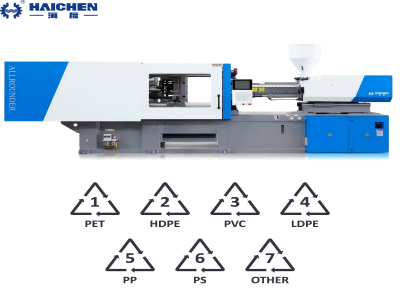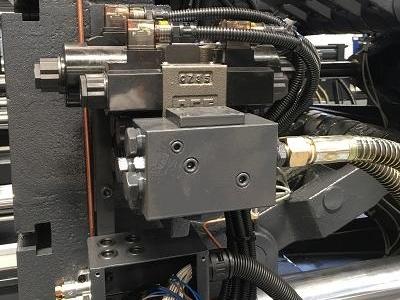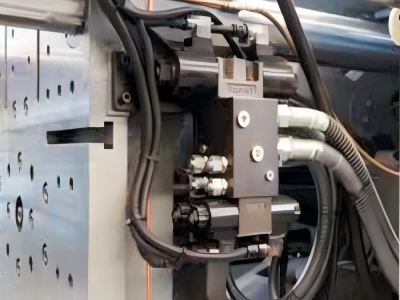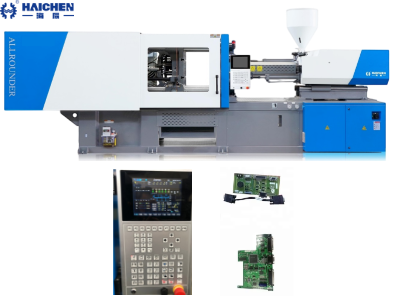
In injection molding, the types of heating systems used can vary, including electric, hydraulic, induction, and combined systems.
Injection molding is a complex manufacturing process that relies heavily on precise temperature control to ensure the quality and consistency of plastic parts.
The heating system in an injection molding machine plays a crucial role in melting the plastic material and maintaining the mold at the desired temperature.
Different types of heating systems are used to achieve these goals, each with its own advantages and applications.
In this article, we will explore the common heating systems used in injection molding and their benefits.
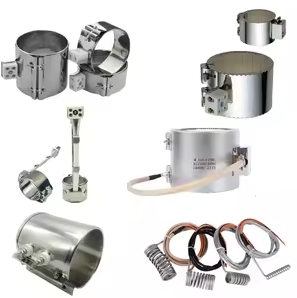
Types of Heating Systems in Injection Molding
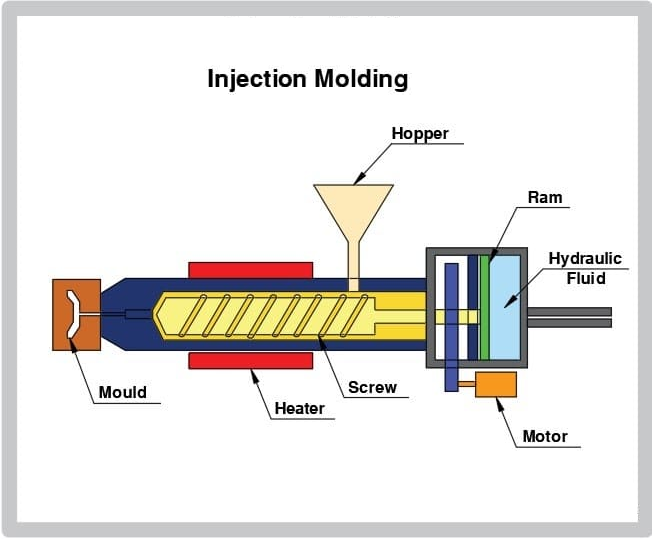
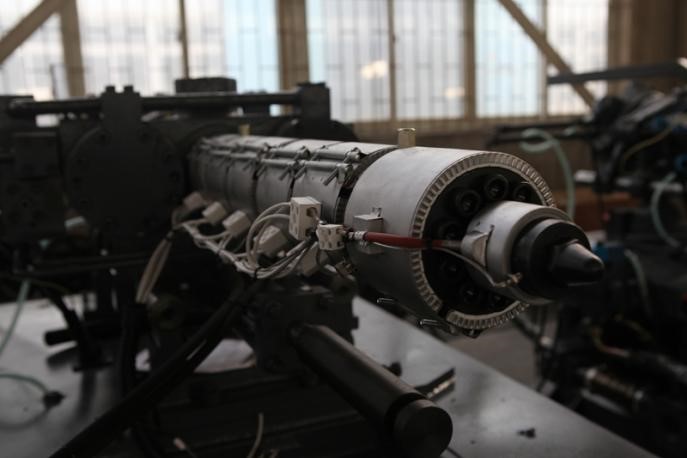
In an injection molding machine, the heating system directly affects the processing effect of plastic raw materials. It ensures that the plastic is fully melted and maintained in a flowing state by accurately controlling the temperature of the barrel (such as the heater) and the nozzle, so that the melt can smoothly fill the mold cavity and finally cool and shape into a qualified product.
Manufacturers have a deep understanding of the characteristics of different heating systems (such as internal/external heating flow channels, barrel segmented temperature control, etc.), and can optimize injection molding process parameters (such as plasticizing amount, mold temperature) in a targeted manner, significantly improving production efficiency and product quality.
- Electric Heating Systems
- Hydraulic Heating Systems
- Induction Heating Systems
- Combined Heating Systems
Electric Heating Systems
In injection molding machines, engineers most often choose electric heating systems. This type of system directly transfers heat through a heating ring wrapped around the outside of the barrel or an electric heating rod embedded in the mold to melt the plastic particles.
Its advantages are:
- High temperature control accuracy: The resistance wire can achieve a fluctuation range of ±1°C with the temperature control box, which is particularly suitable for temperature-sensitive engineering plastics such as PC and PMMA (for example, plastic particles usually melt at 180-210°C).
- Energy efficiency performance: Compared with traditional steam heating, electric heating reduces energy loss by about 30%. And does not require supporting boiler equipment.
- Maintenance points: The oxidation of the resistance wire needs to be checked regularly. If the insulation layer of the mica sheet is damaged, it may cause a short circuit. Expansion gaps need to be reserved during installation to prevent the electric heating rod from expanding due to heat and damaging the mold.
Hydraulic Heating Systems
This type of system uses a circulating pump to drive heat transfer oil or hot water to transfer heat. Although it is rarely used, it is indispensable in certain scenarios:
- Temperature uniformity advantage: Heat transfer oil can cover the complex flow channels of large molds and eliminate local temperature differences (for example, the temperature difference of automobile bumper molds can be controlled within ±2℃).
- Applicable scenarios: Suitable for injection molding lines that produce continuously for 24 hours. But it needs to be equipped with oil temperature machines, pipe insulation layers and other facilities.
Induction Heating Systems
These systems generate heat directly inside the plastic material through an electromagnetic field. They heat quickly and evenly, making them particularly suitable for applications that require efficient production.
In thin-wall injection molding (such as anti-scatter grids for medical X-ray detectors). Induction heating can also control wall thickness to less than 150 microns. While eliminating weld lines on the surface of the product, greatly improving appearance quality and mechanical strength.
Combined Heating Systems
Modern injection molding machines often integrate multiple heating methods to achieve synergistic advantages. For example, electric heating is used to achieve local precision temperature control (±1°C). While hydraulic heating is used to ensure uniform temperature distribution throughout the mold.
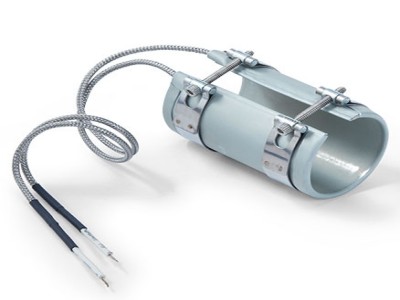
Types of heating systems
How Heating Systems Work in Injection Molding
During the injection molding process, operators need to accurately control the temperature of the plastic raw materials through the heating system. The system consists of a heater, a heating cylinder and a temperature controller. After the electric energy is converted into thermal energy by the heater. The heating cylinder evenly transfers the heat to the plastic particles, making them gradually melt into a flowable state. The molten plastic needs to maintain a specific temperature range during the injection stage (for example, PC/ABS materials are usually 230~280℃) to ensure that it fully fills every corner of the mold cavity.
After the injection is completed, the temperature controller continuously monitors. And adjusts the mold temperature (such as 60~90℃) to prevent the finished product from deforming due to uneven cooling. The key to this stage is:
- Segmented temperature control: a temperature gradient is formed from the rear of the barrel to the nozzle (240~245℃ at the rear → 245~255℃ in the middle → 255~260℃ at the front) to avoid local overheating and degradation;
- Mold constant temperature: stable within the range required by the material (such as 180~200℃). Shortening the cooling time and reducing shrinkage marks;
- Real-time feedback: Thermocouple sensors dynamically track temperature fluctuations and automatically compensate for deviations.
Temperature out of control will directly lead to product defects: insufficient melt temperature will cause cold material to be retained and form silver streaks. Too low mold temperature will cause warping, and too high temperature may produce burnt spots or bubbles. Therefore, engineers need to clean the surface of the heating cylinder, calibrate the thermostat. And adjust parameters according to the characteristics of different plastics (such as nylon needs to be pre-dried at 80°C for 4 hours). Which is crucial to ensure dimensional accuracy and yield.
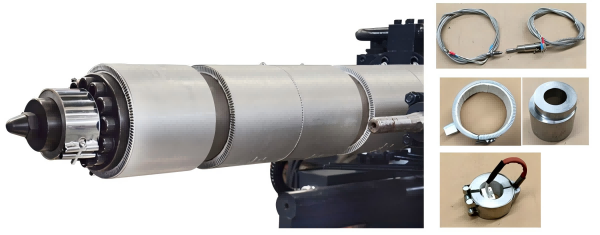
Choosing the Right Heating System
When choosing a heating system, you need to make a comprehensive judgment based on the type of plastic. Production scale, and specific process requirements.
For example, the difference in melting temperature of different materials. Whether the production line is continuous operation or small batch processing, all of these will affect the system selection.
The key points to consider are: whether the accuracy of temperature control meets the standard. Whether the energy consumption cost of long-term use is reasonable. And whether the frequency of equipment maintenance will affect the production progress.
Only by sorting out these factors can we find a truly suitable solution.
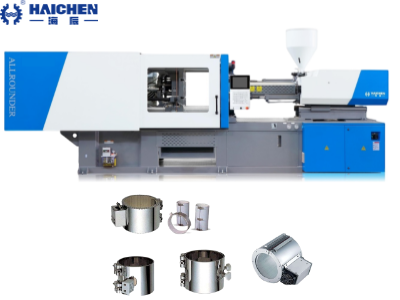
HAICHEN: Injection Molding Machine Manufacturer
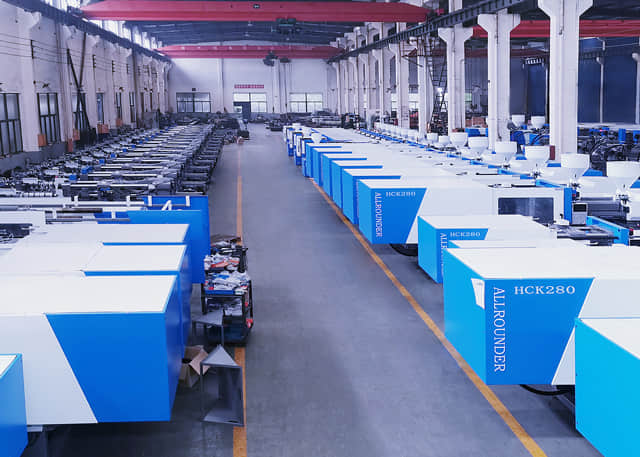
In the field of injection molding machines. HAICHEN has won industry recognition with its solid technical accumulation and reliable product quality. Since its establishment in 2005, we have focused on the research. And development of a full range of injection molding equipment with clamping force ranging from 30T to 3000T, including standard, servo energy-saving and precision special models to meet the production needs of factories of different sizes.
According to the actual production scenarios of customers. We provide a variety of heating system configuration options to ensure that the equipment can efficiently adapt to various raw materials and process requirements. What is more noteworthy is that our after-sales team provides technical response all year round – whether it is equipment commissioning guidance. Emergency allocation of spare parts, or operator skills training, we are committed to helping customers continuously improve production efficiency.
Discussion on the Thai Market
Thailand‘s manufacturing industry is undergoing significant changes, especially in the field of plastic parts production. More and more Thai factories are actively looking for injection molding equipment with stable performance and long-term production needs. Their biggest concern is how to keep production costs at a more affordable level while ensuring that the products reach export-grade quality. This demand is particularly prominent in core industries such as automotive parts, electronic products and packaging materials.
In actual production, choosing the right heating system will directly affect the injection molding effect and product quality. Operators need to first understand the working principles of different heating equipment. Such as how the heating cylinder melts the plastic raw materials and how the temperature controller maintains a stable temperature – so that they can select the most suitable equipment according to production needs.