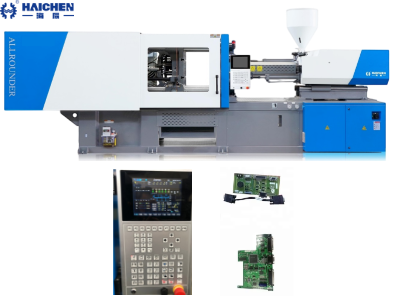
Commonly plastic injection molds material in using include steel, aluminium alloys and copper alloys.
These materials are widely used for their excellent mechanical properties and processing performance.
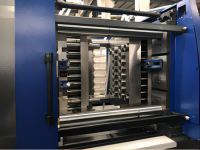
1.Steel plastic injection molds material:
Mould Steel is the material of choice for manufacturing large, complex molds with high strength, high hardness and good wear resistance.
Commonly used types of steel include P20, H13 and S7.
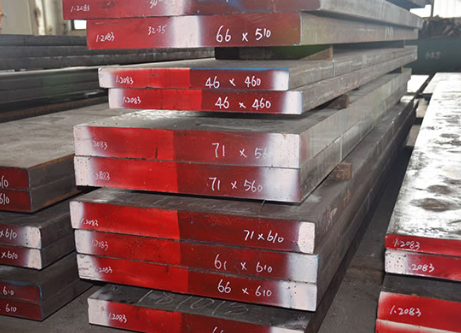
2.Aluminium Alloy plastic injection molds material:
Aluminium alloy because of its light weight, good thermal conductivity and excellent processing performance.
It is commonly using to make small or precision injection molds.
For example, 6061-T6 is a commonly used aluminium alloy material.
3.Copper alloy plastic injection molds material:
Copper alloys, especially silver-containing copper alloys (such as CuNiSiCr), has good thermal conductivity and wear resistance.
It is suitable for molds that require high thermal conductivity.
4.Plastics plastic injection molds material:
In some cases, plastics can also be used as mould materials .
Examples include epoxy resins and silicone rubber.
These materials are often used to make small or simple molds, or for rapid prototyping.
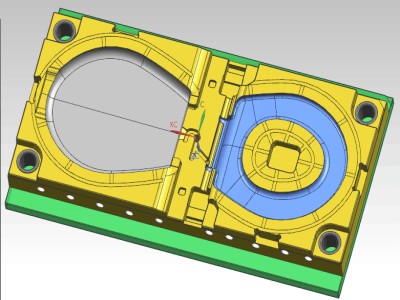
5.Composite materials:
Some studies have also proposed the use of glass-aluminate composites as a low-cost mould material for injection moulding.
This material is suitable for small batch production.
Plastic injection molds are usually manufactured using traditional metal materials such as steel, aluminium alloys and copper alloys.
However, plastics or composites are also used in specific cases to reduce costs or to meet special requirements.
Types of Injection Mould Steel Raw Materials
The types of injection mould steel raw materials have different quality levels.
It mainly consists of eight major categories:
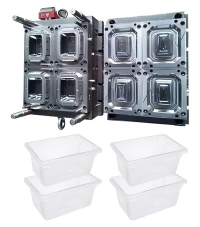
1.Carbon structural steel:
This type of steel is mainly composed of carbon and a small amount of other elements, usually using in the manufacture of simple molds. For example, 45# steel, T8 steel and so on.
2.Alloy structural steel:
Alloying elements (such as chromium, molybdenum, cobalt, etc.) are added on the basis of carbon structural steel.
Make it has better heat resistance, wear resistance and corrosion resistance, suitable for medium and large molds.
For example, P20, 718 steel, S136 steel and so on.
3.High-speed mould steel:
Containing a high proportion of tungsten, molybdenum, cobalt and other alloying elements, it has high hardness and wear resistance.
Suitable for the manufacture of high-speed cutting tools and molds.
For example, Cr12MoV, T10, etc.
4.Pre-hardened steel:
This kind of steel has been pre-hardened at the factory and can be used directly without further heat treatment.
Suitable for mass production, high precision requirements of the mould.
For example, 40CrMnMo, 35CrMo and so on.
5.Hot work mould steel:
Used in the manufacture of molds working under high temperature conditions, such as cold punching molds, hot forging molds and so on.
This type of steel usually has a high resistance to thermal cracking and wear resistance.
For example, H12, D64Cr5MoSiV1 and so on.
6.Cold work mould steel:
Suitable for cold working environment molds, with good wear resistance and impact resistance.
For example, Cr12, Cr12MoV and so on.
7.Stainless steel:
With excellent corrosion resistance, commonly used in molds that require corrosion resistance.
Such as food packaging or chemical products mould.
For example, S31603, S30403 and so on.
8.Special purpose steel:
Including some steel with specific functions.
Such as high wear-resistant steel (such as Cr12MoV), high toughness steel (such as X42CrNiMoV51).
The selection of injection mould steel needs to be decided according to the specific application requirements, including the working conditions of the mould, service life requirements and production batch and other factors.
Different types of steel in the hardness, wear resistance, corrosion resistance and other aspects have their own advantages, so the choice needs to be considered comprehensively.
Advantages of Aluminium Injection Mould Raw Material
Aluminium alloy injection mould raw materials have many advantages such as processability, thermal conductivity and cost-effectiveness.
The following are the main advantages of aluminium alloy injection mould raw materials:
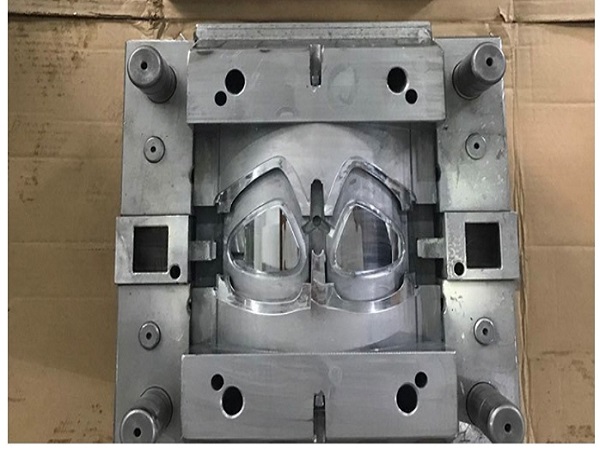
1.Cost-effectiveness:
The manufacturing cost of aluminium alloy molds is relatively low, especially compared with steel molds, its initial investment cost is lower.
It is suitable for small batch production or rapid prototype development.
The comprehensive cost-effectiveness of aluminium alloy molds is better than that of traditional mould steel, the weight per unit volume is only 1/3 of that of mould steel, and the material cost is lower.
2.Excellent processing performance:
Aluminium alloy has good processing performance, cutting speed is 40% faster than steel, which significantly shortens the processing cycle of mould.
This fast machining capability enables aluminium alloy molds to quickly produce complex shapes and shorten the development cycle.
3.Superior thermal conductivity:
The thermal conductivity of aluminium alloy is 4-5 times that of steel, which enables aluminium alloy molds to absorb heat more quickly during the moulding process. Reduced injection pressure improves filling efficiency and part dimensional stability.
Good thermal conductivity also reduces cooling time and improves productivity.
4.Light weight:
Aluminium molds are approximately 50% lighter than steel molds.
This not only reduces wear and tear on the equipment, but also reduces the difficulty of installation and handling, thus reducing production costs.
5.Easy to maintain and modify:
Aluminium alloy molds are easy to process and modify, and can be quickly adjusted when the design changes.
Suitable for small batch production and fast product replacement.
6.Good corrosion resistance:
The oxide film formed on the surface of aluminium alloy mould has good corrosion resistance, which can prolong the service life of the mould.
And keep the surface of the mould clean.
7.Improve product quality:
Aluminium alloy mould can produce high-quality products with smooth surface, high precision, and not easy to appear deformation and warping phenomenon.
8.Suitable for small batch production:
Aluminium alloy mould is particularly suitable for small batch production because of its fast manufacturing speed and low cost.
And can quickly complete the design verification and preliminary performance testing.
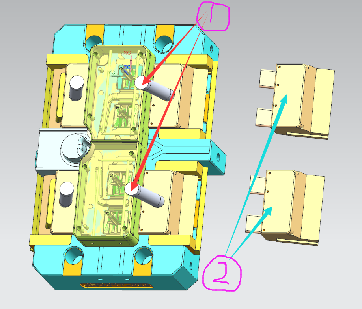
Aluminium alloy injection mould raw materials are widely used in mould manufacturing due to their cost-effectiveness, excellent machinability, outstanding thermal conductivity, light weight, ease of maintenance and modification, good corrosion resistance and suitability for small batch production.
These advantages make aluminium alloys an attractive choice of mould material.
Injection Molds Copper Alloy Raw Materials
Injection mould copper alloy raw materials are widely using.
It is mainly reflecting in its excellent thermal conductivity, wear resistance and mechanical properties.
The following are the specific applications of copper alloys in injection molds:
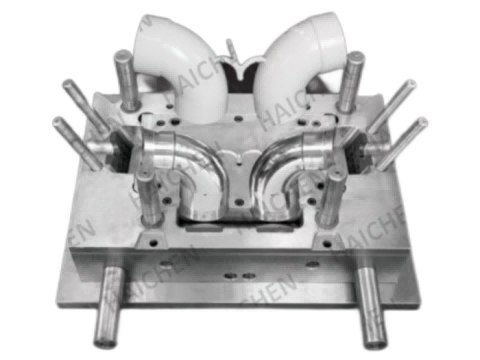
1.High thermal conductivity:
Copper alloys have extremely high thermal conductivity, which makes them able to dissipate heat quickly in injection molds.
This shortens the production cycle and improves productivity.
For example, AMPCOLOY 944 copper alloy is widely using in injection molds due to its excellent thermal conductivity.
Ensure rapid heat dissipation and long-term stable operation of the mould.
2.Wear resistance and mechanical properties:
The wear resistance and mechanical properties of copper alloys make them ideal materials for manufacturing high-speed injection molds.
For example, C1720 beryllium bronze is commonly used in injection molds that require wear and fatigue resistance due to its high strength and hardness.
In addition, TS copper alloys are also widely used in injection molds due to their high hardness and wear resistance.
3.Reduce moulding defects:
Copper alloy molds can effectively reduce defects in the moulding process, such as warping and deformation.
Aluminium bronze shows a more uniform cooling effect during the cooling process, thus reducing warpage and deformation.
4.Improve product quality:
As copper alloy molds have good thermal conductivity and mechanical properties, they are able to produce high quality products.
The use of copper alloy molds can significantly improve the precision and surface quality of products.

5.Environmental characteristics:
Some copper alloys such as AMPCOLOY 944 do not contain beryllium and meet the requirements of health and safety regulations as well.
Therefore, they are used in industries with strict requirements for environmental protection.
6.Replacement of traditional materials:
Copper alloy molds are gradually replacing traditional steel molds, especially where rapid cooling and efficient production are required.
Beryllium bronze has been used by many enterprises to replace traditional steel molds to improve production efficiency and reduce costs.
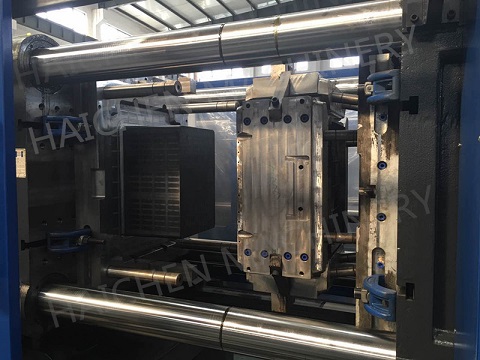
The application of copper alloys in injection molds not only improves production efficiency and product quality, but also receives more and more attention due to its environmental protection characteristics.
These advantages make copper alloys an important and indispensable material in the manufacture of injection molds.