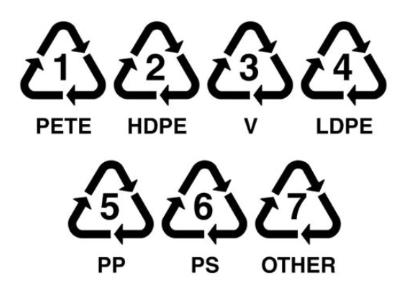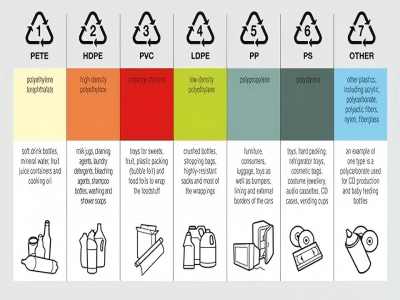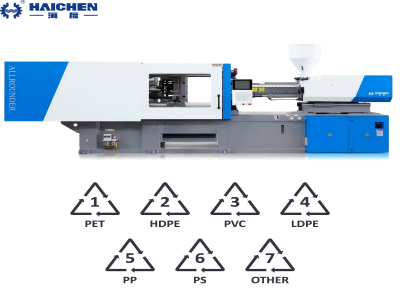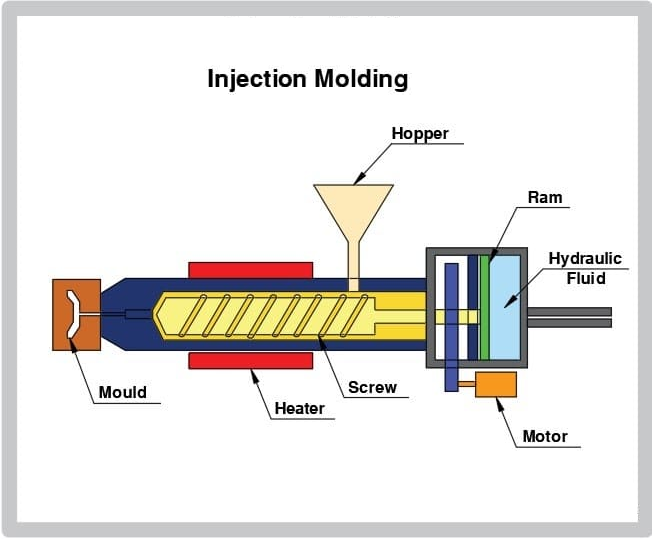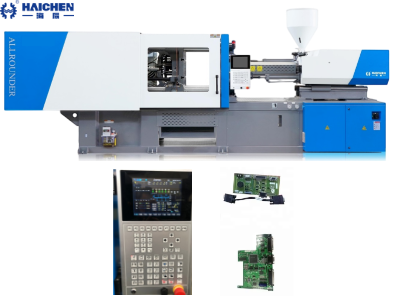
The length-to-diameter ratio (L/D) is the ratio of the length (L) to the outside diameter (D) of the injection moulding screw. Frankly speaking, L/D ratio in injection molding is a very important parameter for plastic injection moulding machines. Because it has a great influence on the melt performance of the injection moulding machine and the quality of the final moulded products. As a professional plastic moulding machine manufacturer, we would like to explain this in more detail to help our customers better understand plastic injection moulding machine screws.
Too high L/D ratio may lead to problems such as limited production, overheating of materials, etc. We suggest that different materials and products require different L/D ratios, for example, PVC may require a smaller ratio, while PET requires a larger ratio. Therefore, you need to choose the appropriate L/D ratio according to the specific plastic products you produce.
The length-to-diameter (L/D) ratio of the screw (the ratio of the screw’s effective length to its diameter) is a critical parameter in injection molding, directly influencing melt quality, production efficiency, and product performance.
Let us list more for you below
The practical industrial significance of the screw’s length-to-diameter ratio
A larger length-to-diameter ratio (L/D) can bring many benefits to the plastic injection molding process. You may ask, what factors affect the choice of L/D ratio? Is the larger the better? The answer is no. We should choose a plastic injection molding machine with a reasonable L/D ratio. Haichen standard plastic molding machines have 3 types of screws with similar L/D ratios to choose from: ABC. In addition, some special optimized models for different applications also provide a larger L/D ratio.
Although technical exchanges may seem a bit boring to outsiders, the essential industrial design content is what we must communicate with you, an experienced practitioner.
- Melting and Mixing Efficiency
- Production Efficiency and Energy Consumption
- Material Compatibility
- Process Parameter Optimization
- Design and Selection Considerations
Melting and Mixing Efficiency
Very familiar, right?
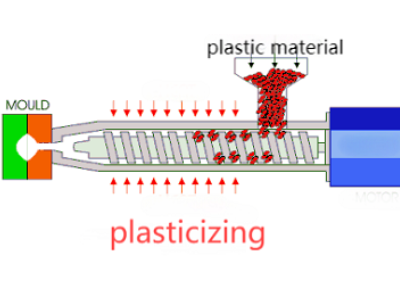
- Extended Residence Time: A higher L/D ratio (e.g., 20:1 to 26:1) increases the plastic’s residence time in the screw, allowing thorough melting and homogenization. For example, engineering plastics like PA6 and PA66 require an L/D ratio of 18:1 to 22:1 to ensure melt uniformity.
- Shear Heat Distribution: Longer screws generate shear heat more evenly, preventing localized overheating and material degradation. This is critical for heat-sensitive materials like PVC.
Production Efficiency and Energy Consumption
Saving energy consumption is always the factory manager’s top concern.
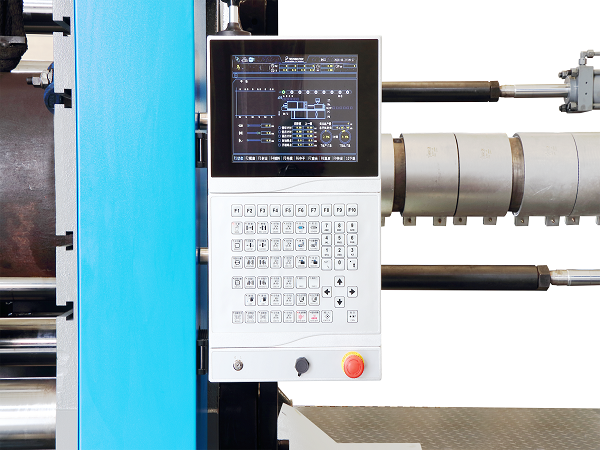
- Higher Output: A larger L/D ratio allows higher screw speeds, boosting output. For instance, increasing the L/D ratio from 20:1 to 24:1 improves mixing efficiency but requires balancing energy costs.
- Energy Limitations: Excessively high L/D ratios increase torque and energy consumption. Industry standards typically range from 16:1 to 20:1, though specialized applications (e.g., optical or medical parts) may use ratios up to 26:1.
Material Compatibility
Different materials need to be treated differently.
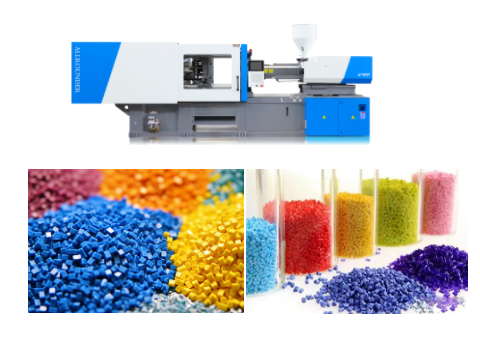
- Heat-Sensitive Materials: Materials prone to degradation (e.g., PVC) require shorter L/D ratios or non-threaded screw tips to reduce residence time.
- High-Precision Products: Applications demanding surface finish (e.g., cosmetic packaging) require L/D ratios above 24:1 to stabilize melt flow and ensure gloss.
Process Parameter Optimization
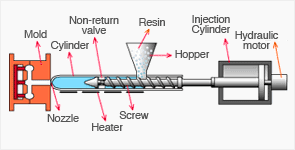
- Axial Temperature Control: High L/D ratios reduce axial melt temperature gradients, improving product consistency.
- Injection Stroke Matching: Optimization requires balancing the injection stroke and L/D ratio. For example, the S/L value (injection stroke divided by screw length) evaluates equipment performance, with lower S/L values indicating better quality.
Design and Selection Considerations
The entire production needs to be integrated with molds, equipment and power systems. right?
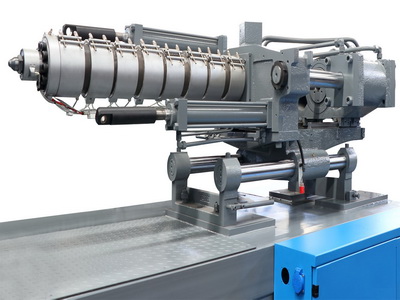
- Standard vs. Specialized Needs: Most injection molding machines use L/D ratios around 20:1, while extruder screws often require higher ratios (24:1 to 30:1) for continuous plasticization.
- Material-Specific Guidelines: Certain resins (e.g., crystalline engineering plastics) may require minimum L/D ratios (e.g., 26:1) to ensure proper plasticization, as recommended by material suppliers.
Haichen gave you the experience of introducing
The L/D ratio governs melting time, shear heat distribution, and mixing efficiency, directly impacting product quality and production costs. Selection must balance material properties (thermal stability, viscosity), product requirements (surface finish, strength), and energy constraints. For example:
- PET preform molding uses high L/D ratios for superior melt homogeneity.
- Standard PP products often use ratios around 20:1.
Manufacturers must tailor screw designs to specific applications, avoiding excessive L/D ratios that risk material degradation or unnecessary energy consumption.
Haichen Injection Molding Machine Screw L/D ratios
The screw length-to-diameter ratio (L/D ratio) of Haichen injection molding machines varies by model, typically ranging between 20:1 and 22:1, aligning with industry standards. Below is a detailed analysis:
- Model-Specific Data
- Industry Context & Technical Basis
- Model Selection Logic
- Practical Recommendations
Model-Specific Data
We honored to introduce several of our mature series.
- HCS360-HS Model: L/D ratio of 21:1 (screw diameter: 70 mm), optimized for multi-color injection molding.
- HCK700 Model: L/D ratio of 22:1 (screw diameter: 95 mm), designed for high-efficiency production of plastic chairs, emphasizing energy-saving performance.
- HCK230 Model: L/D ratio of 20:1 (screw diameter: 50 mm), tailored for small plastic utensils (e.g., spoons, forks) with rapid cycle times.
This demonstrates Haichen’s strategy of adjusting L/D ratios to match application requirements, where larger screw diameters tend to use higher ratios for enhanced plasticizing.
Industry Context & Technical Basis
The L/D ratio is critical for plasticizing performance. Industry guidelines indicate:
- Typical L/D ratios for injection screws range 18:1–24:1, with 20:1–22:1 being most common in China.
- Higher ratios (e.g., 22:1) improve material residence time and melting uniformity but increase manufacturing complexity and cost.
- Lower ratios (e.g., 18:1) prioritize shot weight over precision, suitable for low-viscosity materials.
Haichen’s designs follow this logic, balancing performance and cost through graded configurations (e.g., 22:1, 20:1, 18:1).
Model Selection Logic
Haichen adopts a “larger diameter, higher L/D ratio” principle:
- Large screws (e.g., 95 mm) use 22:1 to ensure thorough plasticizing of high-viscosity materials (e.g., PP/ABS for furniture).
- Small/medium screws (50–70 mm) use 20:1–21:1 to balance versatility and efficiency for general-purpose applications.
This aligns with the definition in the Chinese national standard GB/T 25157-2010 (“Effective working length-to-diameter ratio for injection screws”).
Practical Recommendations
- For engineering plastics (e.g., nylon, POM), prioritize 22:1 models to ensure material homogeneity.
- For high-volume, low-precision products (e.g., disposable items), 20:1 models suffice.
- Always match screw diameter and L/D ratio to material viscosity and part complexity.
By optimizing these parameters, Haichen achieves a balance between energy efficiency, production speed, and product quality.