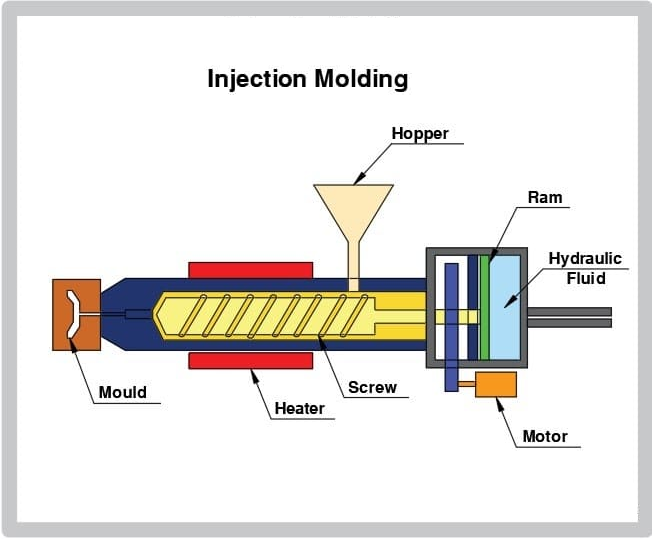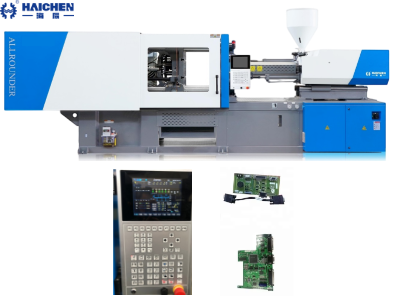
Injection pressure in an injection molding machine is the force applied by the machine’s screw or plunger to push molten plastic into the mold cavity.
What is the injection pressure in injection molding machine
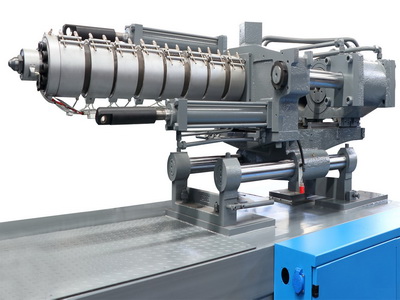
It is a crucial parameter in the injection molding process. It refers to the pressure exerted on the molten plastic by the screw or plunger during the injection stage to overcome the resistance of the melt flow and to ensure that the plastic can fill the mold cavity and compact the molding smoothly.
Typical injection pressure range
The typical pressure range in injection molding machines varies depending on the material and part design. Here are some general guidelines:
Common Range: It typically ranges from 35 MPa to 200 MPa (5,000 to 29,000 psi)
Material-Specific Ranges:
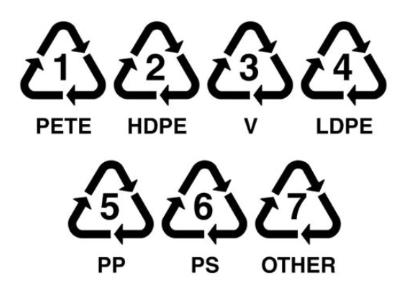
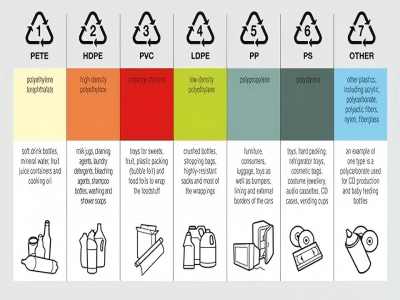
Polypropylene (PP): 41 to 124 MPa (6,000 to 18,000 psi) .
Polyethylene (PE): 41 to 124 MPa (6,000 to 18,000 psi) .
Acrylonitrile Butadiene Styrene (ABS): 55 to 124 MPa (8,000 to 18,000 psi) .
Polystyrene (PS): 41 to 103 MPa (6,000 to 15,000 psi) .
Polyvinyl Chloride (PVC): 55 to 110 MPa (8,000 to 16,000 psi) .
Polyethylene Terephthalate (PET): 62 to 110 MPa (9,000 to 16,000 psi) .
Key Factors Affecting Injection Pressure
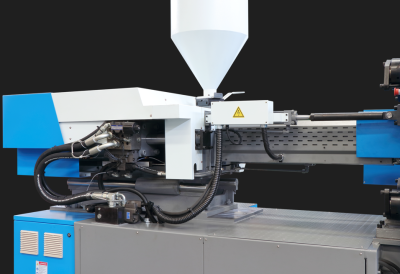
Injection pressure in injection molding is influenced by a variety of factors that interact to determine the optimal settings for producing high-quality parts. Here are the key factors affecting the pressure:
Material Properties
Viscosity: Higher viscosity materials require higher injection pressures to flow through the mold. For example, materials like polycarbonate (PC) and polyetherimide (PEI) are more viscous and need higher pressures compared to low-viscosity materials like polyethylene (PE).
Melting Temperature: Materials with higher melting temperatures may require higher pressures to maintain flow during the injection process.
Fillers and Additives: The presence of fillers (e.g., glass fibers, carbon fibers) can increase the viscosity and resistance to flow, necessitating higher injection pressures.
Part Design
Wall Thickness: Thicker sections require higher pressures to ensure complete filling. Thin-walled parts may need lower pressures to avoid excessive stress and warping.
Complexity: Parts with intricate geometries, multiple features, or long flow paths require higher injection pressures to ensure the material reaches all areas of the mold.
Flow Length: Longer flow paths from the gate to the farthest point in the mold require higher pressures to maintain flow velocity and prevent freezing of the material before filling is complete.
Mold Design
Gate Size and Type: Smaller gates create higher resistance to flow, requiring higher injection pressures. The type of gate (e.g., direct gate, edge gate, hot runner gate) also affects the pressure needed.
Runner System: The design of the runner system, including its length and cross-sectional area, impacts the flow resistance and thus the required injection pressure.
Venting: Poorly vented molds can trap air, creating resistance to flow and requiring higher injection pressures to overcome the trapped air pressure.
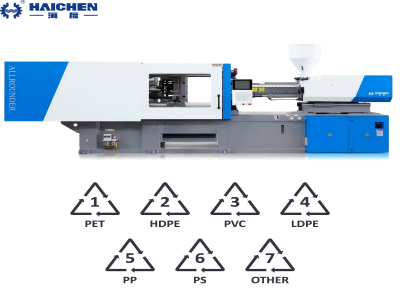
Haichen injection molding machine
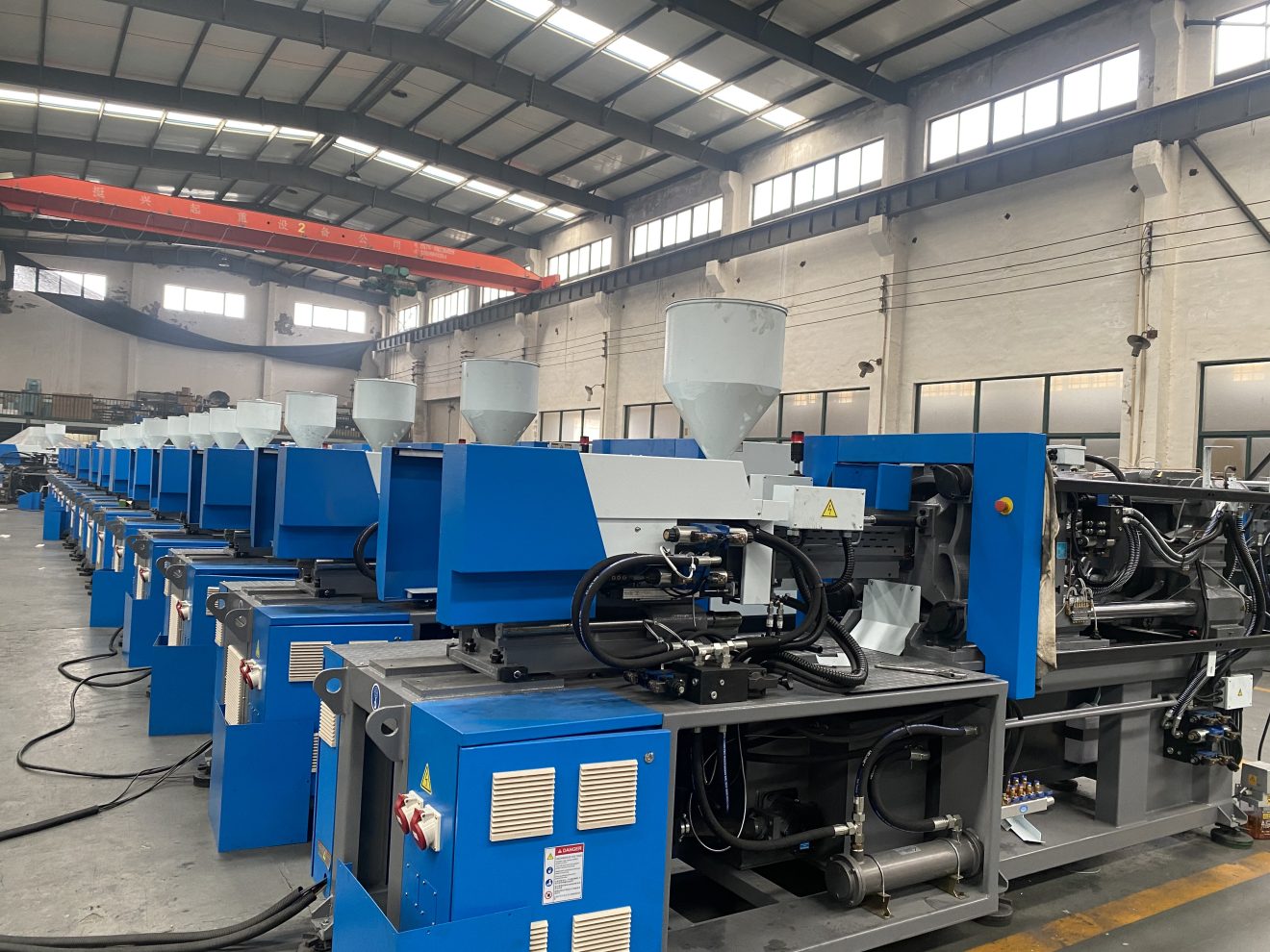
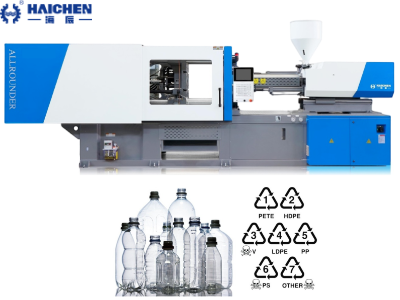
Haichen is known for producing a range of injection molding machines for various applications, including general plastics, engineering plastics, and special materials. The machines provide high injection pressure (1500–2200 bar), allowing them to handle: Thin-walled parts (e.g., packaging, electronic housings) and high-viscosity materials (e.g., PC, nylon, fiber-reinforced plastics). Pressure can precisely adjust in stages (injection, holding, back pressure) for optimal filling and packing.
If there is any demand for our machines, welcome to consult us.