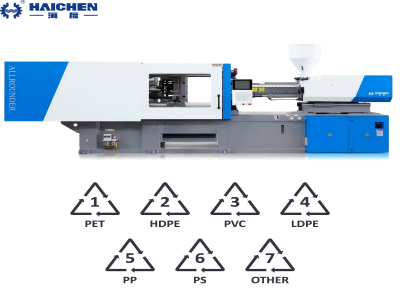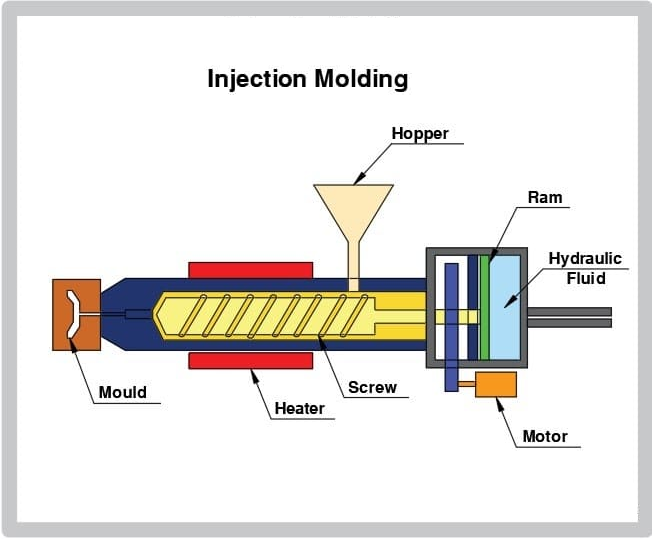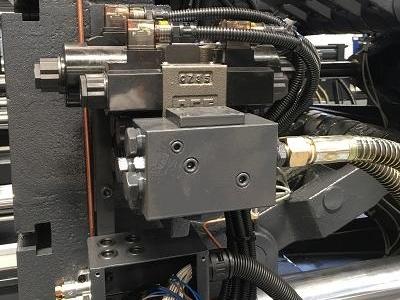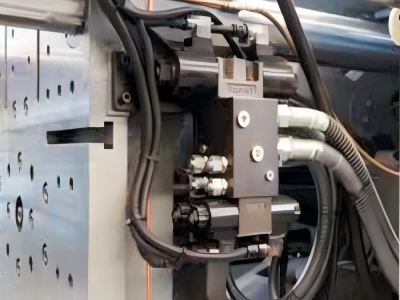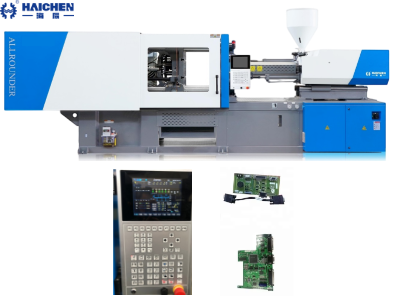
The function of a tie bar in injection molding is to provide structural support and maintain the alignment of the mold halves under the high clamping forces required to hold the mold closed during the injection process.
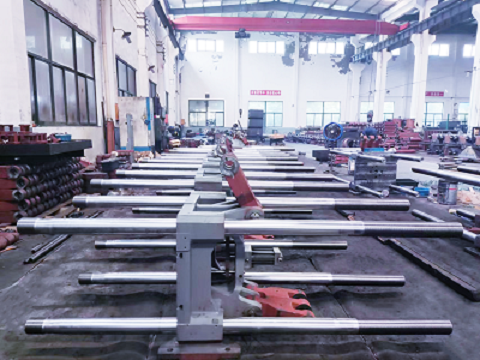
During the operation of the injection molding machine, the tie rods have an irreplaceable practical function. These four metal rods connect the front and rear templates into a rigid frame and guide the moving template to slide accurately.
They directly bear the periodic tension of the clamping system. This asymmetric cyclic stress makes the tie rods face the test of fatigue limit for a long time.
To ensure the stability of injection molding quality, the tie rods must have strict geometric accuracy, dimensional consistency and wear resistance.
Operators need to regularly check the preload state and surface damage of the tie rods – when the clamping force reaches 50kN, each tie rod with a diameter of 34mm will bear a tensile stress of about 8500N/cm².
This article will later analyze the functional realization principle of the tie rods and the key role of daily maintenance in ensuring the operating efficiency of the injection molding machine.

Importance of Tie Bar in Injection Molding
- Maintaining Mold positioning
- Providing Equipment Support
- Ensuring Consistent Clamping Force
- Facilitating Mold Opening and Closing
Maintaining Mold positioning
Tie rods are used to maintain the two halves of the mold in perfect alignment. During the injection molding operation, the mold cavity is filled with molten plastic under very high temperatures, and the mold is fixed through considerable pressure. Through tie rods, rigidity is applied with the oven, and thus, the plastic is evenly filled in the mold cavity. Defects would occur in the end processes if the tie rod function fails and mold shift is caused.
Providing Equipment Support
While the injection molding machine is working, tie rods maintain the complete structure of the equipment. They also help to distribute the enormous pressure during injection mold evenly to the whole frame. Such force distribution helps to avoid the case where one part be over strained. Components that are under excessive and constant pressure tend to be deformed or damaged. The ability of the injection molding machine to work non-stop and reliably is made possible through this feature, and thus its equipment’s working life is prolong.
Ensuring Consistent Clamping Force
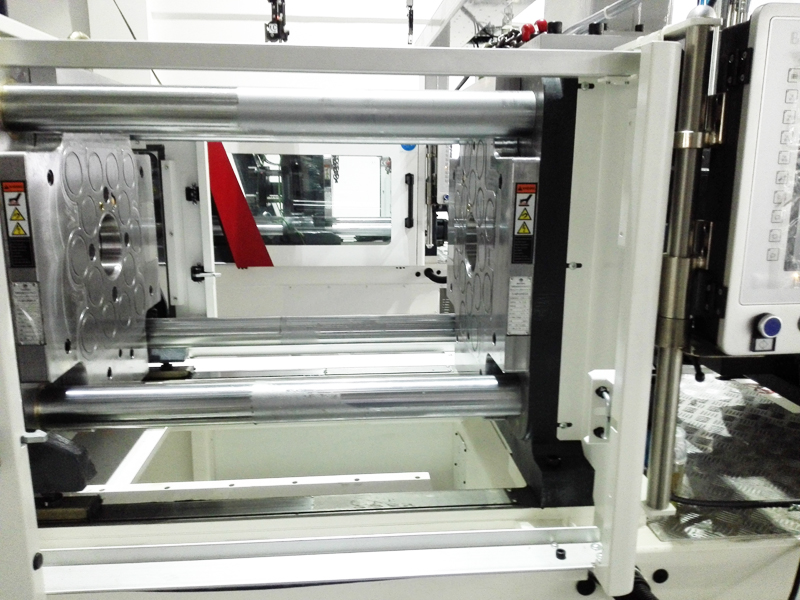
During the injection molding process, the clamping system of the equipment must firmly close the mold. Four tie rods run through the mold plates at both ends of the equipment. Their core task is to support the clamping structure through their own rigidity so that the clamping force is evenly transmitted to the entire mold.
The stability of this force directly determines whether the product is qualified – when the clamping force fluctuates, the molten plastic will overflow from the mold gap to form burrs, or cause incomplete filling of the cavity.
The operator can monitor the tension of the tie rods through a pressure gauge to ensure that each batch of products can achieve consistent dimensional accuracy and appearance requirements.
Facilitating Mold Opening and Closing
Another core function of the tie rod is to ensure the smooth operation of the mold opening and closing process. As a guiding structure for the mold movement, the tie rod ensures the stability of the mold movement by accurately controlling the opening and closing trajectory and position. This reliable operation mode not only maintains production efficiency, but also effectively avoids the risk of damage to the mold due to misalignment or collision during movement.
Tie Bar Spacing: A Critical Selection Criterion
Key considerations include:
| Machine Type | Spacing Impact | HAICHEN Recommendation |
| Small-Medium Machines | Smaller spacing (e.g., 400x400mm) | Ideal for connectors, medical parts |
| Large Machines | Larger spacing (e.g., 1200x1200mm+) | For automotive panels, bins |
| Vertical Machines | Height-critical spacing | Optimized for insert molding |
Manufacturing Techniques & Changes
- Innovations High-tensile alloys dominate the field of steel, in particular, 42CrMo and 40MnB. Also consider the emerging trend in lightweight alloys, like Aluminum composites, which help reduce inertia in high-speed machines.
- Surface Engineering: Hard chrome plating and chrome nitriding surface coatings are well known for their fatigue and wear resistant properties, HAICHEN more recently demonstrated that the application of surface coatings through cold extrusion can increase the fatigue strength of materials.
- HAICHEN-Led Innovations: and discusses advances such as the auto-disassembly tie bars which reduce the amount of ceiling height clearance required, and the servo-electric synchronous brake which improves the break systems stability from.
HAICHEN: Your Partner in Injection Molding Excellence
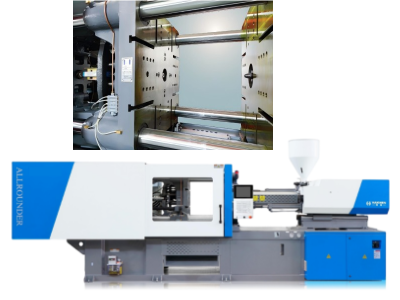
At HAICHEN, we deeply appreciate how each section of an injection molding machine. Including the tie rods, play a role in the stable operation of the equipment. Using our equipment helps you meet the goals of precise control with uniform clamping throughout the machine, smoother disengagement for mold opening and closing, and mold positioning accuracy.
Choosing HAICHEN ensures a machine that endures the test of time. It will maintain consistent product quality, uninterrupted operation throughout the day, and stable output with no fluctuations.
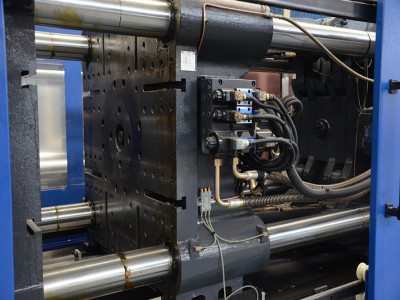
Versatile and vital for the success of molding procedures, tie bars in injection molding perform numerous roles. They secure proper alignment of the mold and supply consistent structural support while ensuring an unchanging clamping force. In the production of high-quality plastic parts, tie bars are an essential component.