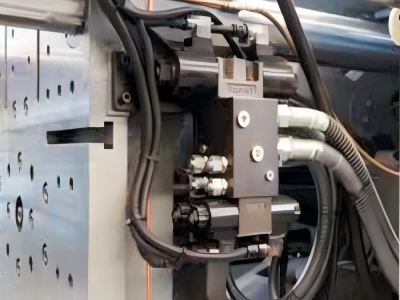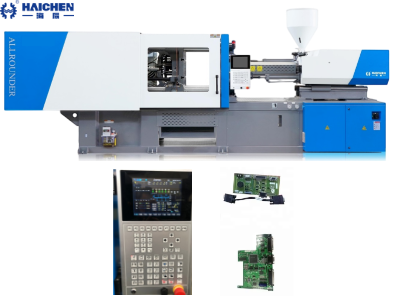
The clamping system of the injection molding machine is a key system that ensures the safe closure and maintenance of the mold during the injection molding process.
The injection molding machine clamping system is a system used to open and close the mold and apply sufficient clamping force.
During the injection molding process to prevent the mold from being pushed apart by the molten plastic.
Its main function is to ensure that the mold remains tightly closed under high pressure, thereby guaranteeing product quality and production safety.
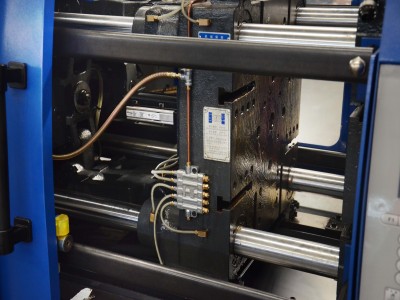
The position of the clamping system
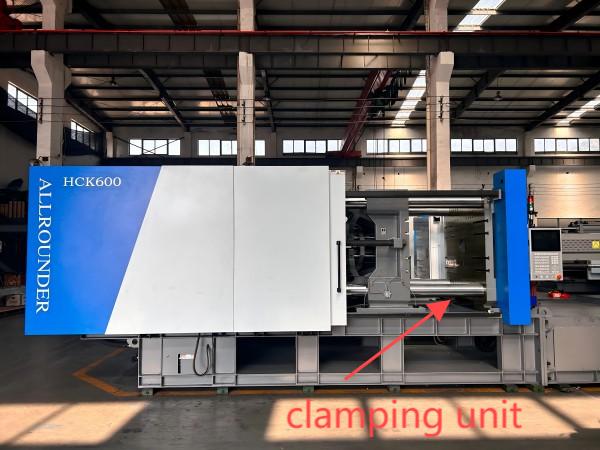
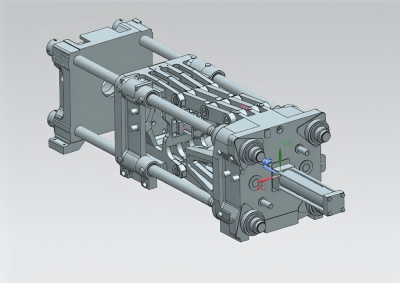
The clamping device is located in the clamping system of the injection molding machine and is relatively independent of the injection device but works in coordination.
Between the fixed template and the moving template:
The core components of the clamping device.
Such as pull rods and clamping cylinders) connect the fixed template (fixed side) and the moving template (moving side), forming a closed frame structure of the mold.
Hydraulic and mechanical combination area:
The clamping cylinder is usually installed behind the fixed or moving template.
It drives the moving template to move through hydraulic power, achieving the closing and locking of the mold.
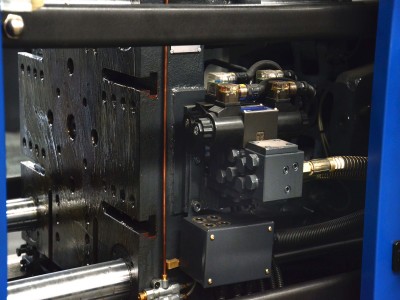
The main functions of the clamping system
Supporting the forming mold
During the opening and closing of the mold, the clamping system ensures an ideal process of movement speed change.
Avoiding strong vibrations during operation and preventing damage to the mold due to impact.
Provides sufficient clamping force
Reliably locks the die at melting pressure, preventing cracks from forming in the mold seam and ensuring product quality.
Cooling, opening, and removing the product
The clamping system plays a key role in the injection molding cycle, ensuring that the mold can be opened and removed smoothly after cooling.
Clamping systems typically use hydraulic or mechanical means to generate the required clamping force to keep the mold tightly closed during the injection process.
In addition, depending on the application, the clamping system can be designed in different designs,
such as the quick clamping system and Tie Bar Free technology, which are designed to simplify operation and maintenance.
Types of Clamping System of Injection Molding Machine
There are three main types of clamping systems for injection molding machines:
mechanical manual clamping system, hydraulic clamping system, and electromagnetic clamping system.
Mechanical manual clamping system
This system fixes the mold position by manual bayonet, which is suitable for smaller molds,
but the operation is more cumbersome and less efficient.
Hydraulic clamping system
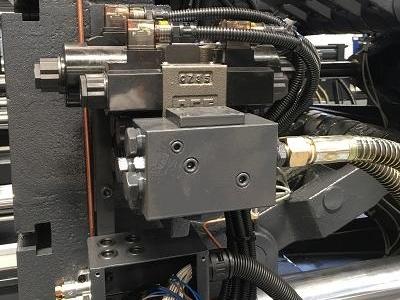
The hydraulic clamping system uses the hydraulic force generated by the hydraulic cylinder to lock and release the mold,
which has the characteristics of high clamping force and fast response and is suitable for most injection molding machines.
Electromagnetic clamping system
The electromagnetic clamping system uses electromagnetic force to lock the mold without the need to modify the mold or special backplate and is suitable for injection molding machines with medium clamping force requirements.
In addition, the performance of the clamping system has a direct impact on the quality and efficiency of the injection molding process.
For example, insufficient clamping force may cause the mold to deform during high-pressure injection.
While excessive clamping force may damage the mold.
Therefore, it is very important to set and monitor the clamping force properly.
The benefits of using a mold clamping system
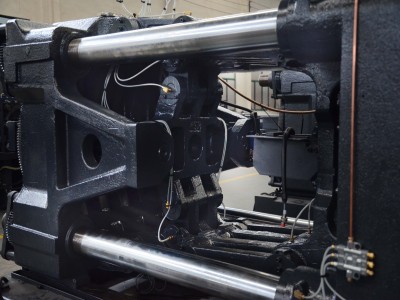
The mold clamping system has many advantages, such as increasing productivity, improving quality, reducing waste, saving the cost and time of mold replacement, and enhancing the safety of operators.
Improve productivity
One of the main advantages of using a mold clamping system is the significant improvement in production efficiency.
These systems support quick mold changing, which directly helps to reduce downtime between production batches.
Therefore, the production volume and overall efficiency have been significantly improved.
Quality improvement
The robust mold clamping system ensures that the mold is accurately and firmly positioned, thereby optimizing the quality of the final product.
This system applies uniform force to keep the mold tightly closed during the forming process and prevent the leakage of molten material.
This solid coordination reduces the risk of product defects, thereby reducing waste and improving product quality.
Safety
In any industrial environment, safety is of Paramount importance, and the mold clamping system plays a significant role in this regard.
A reliable clamping system eliminates the need for manual handling of heavy molds, thereby reducing the possibility of work-related injuries.
Furthermore, automated systems can be programmed to follow standardized procedures, thereby reducing the risk of human error.
Reduce operating costs
Another major advantage of the mold clamping system is that it can save costs.
These cost savings stem from multiple aspects, including: the reduction of defects leads to a decrease in material waste.
The production time is shortened, thereby reducing labor costs.
And the physical damage caused by improper operation is reduced, thereby extending the service life of the mold.
Haichen‘s Injection Molding Machine Clamping System
Energy saving and high efficiency
HCK series hydraulic servos achieve the goal of saving energy and improving production efficiency.
Compared to conventional servo machines,
this new injection molding machine is able to reduce the energy consumption of the entire machine by a lot.
High precision and stability
Haichen injection molding machine can ensure that the turntable is evenly stressed, prevent tilting.
Improve position accuracy, protect mold safety, and improve product quality and yield.
The clamping system of the injection molding machine ensures the stability of the mold during the molding process through the coordinated work of various mechanical and hydraulic components,
Thereby ensuring product quality and production efficiency.