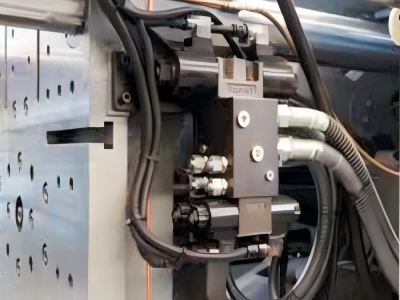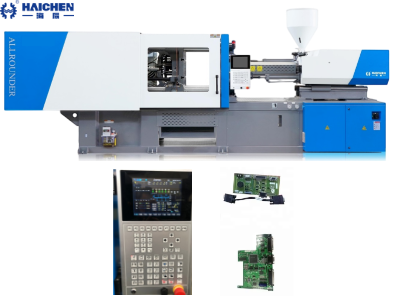
Mold temperature is a key parameter in injection moulding, which directly affects product quality, dimensional accuracy and production efficiency.In the calculation of big data in injection moulding processes, one-fifth of defective products in injection moulding are caused by errors in mould temperature control. Process monitoring and stable temperature control are necessary prerequisites for ensuring production process stability and product quality.
When setting the mold temperature more scientifically, injection molding manufacturers need to understand more about the raw materials of the product, the surface appearance and quality requirements of the finished product.
In fact, mold temperature control is to provide a stable temperature space for injection molding products. Therefore, due to the different temperatures of the external environment, the temperature of the mold needs to be balanced through internal heating and internal cooling.
Next, I will analyze the importance of mold temperature in detail, starting from the melting temperature of the injection molding material to the perfect molding result of the injection molding product.
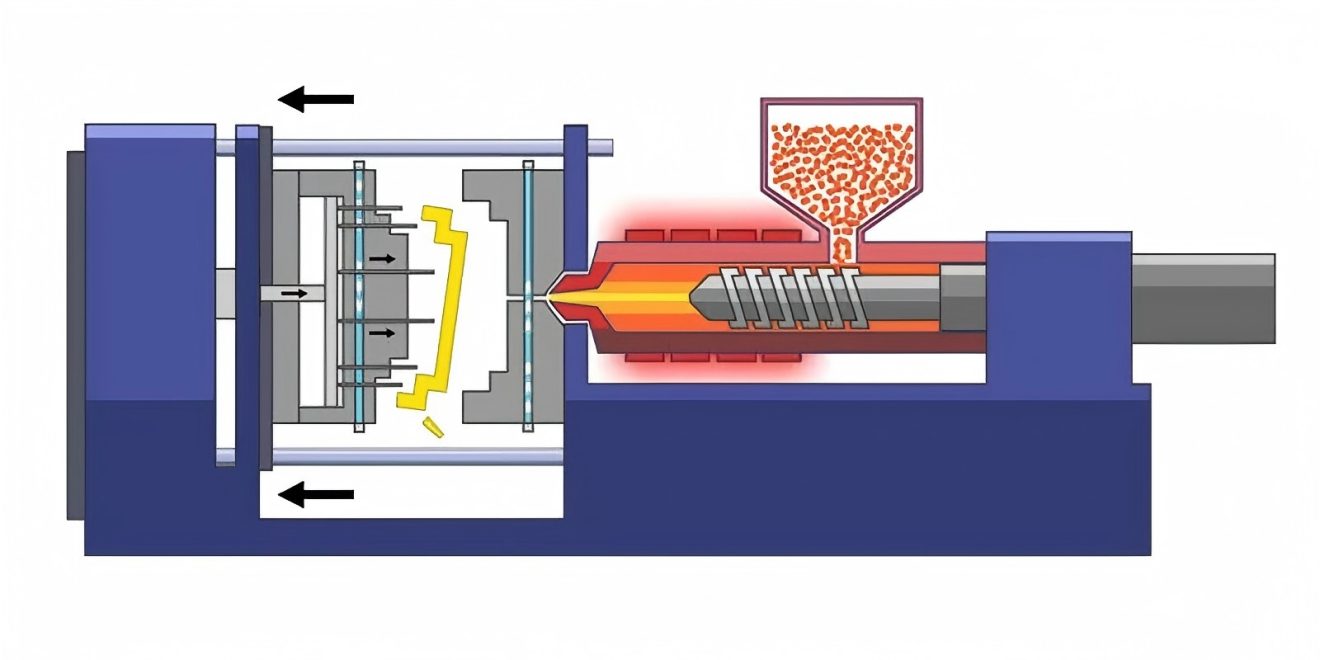
Fully understand the melting points of each injection molding material
The range of mould temperature varies for different materials. The following are the recommended mould temperatures for some common plastic materials:
- ABS (acrylonitrile-butadiene-styrene copolymer)
- PP (Polypropylene)
- POM (Polyoxymethylene)
- PC (Polycarbonate)
- PET (Polyethylene terephthalate)
- PA6/6 (Nylon 6/6)
- TPE (Thermoplastic Elastomer)
- PLA (Polylactic Acid)
- HDPE (High Density Polyethylene)
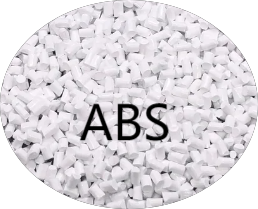
ABS (acrylonitrile-butadiene-styrene copolymer)
Mould temperature: 50-80°C .
ABS materials have lower mould temperatures and are usually used for thin-walled products or where higher fluidity is required.
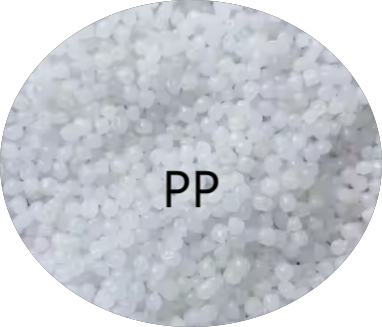
PP (Polypropylene)
Mould temperature: 40-80°C.
PP materials have a wide mould temperature range and are suitable for a variety of applications, but lower mould temperatures help to improve crystallinity and surface quality.
POM (Polyoxymethylene)
Mould temperature: 120-180°C .
POM materials require higher mould temperatures to ensure good flow while avoiding distortion.
PC (Polycarbonate)
Mould temperature: 70-120°C.
PC material has good dimensional stability and transparency and is suitable for products requiring high precision.
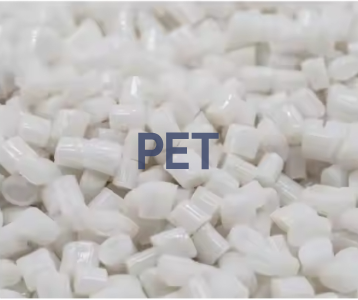
PET (Polyethylene terephthalate)
Mould temperature: 60-100°C.
PET material has a wide range of mould temperatures and is suitable for a wide range of thicknesses.
PA6/6 (Nylon 6/6)
Mould temperature: 70-120°C.
PA6/6 materials are typically used for high strength and abrasion resistant applications.
TPE (Thermoplastic Elastomer)
Mould temperature: 30-40°C.
TPE materials have lower mould temperatures and are mainly used to improve surface quality and reduce cycle times.
PLA (Polylactic Acid)
Mould temperature:Pla injection molding temperature 60-80°C.
PLA material has a lower mold temperature and is suitable for environmentally friendly plastic products.
HDPE (High Density Polyethylene)
Mould temperature: adjusted according to specific needs, but usually between 80-120°C .
HDPE materials require higher mould temperatures to ensure adequate filling and moulding.
Importance of mould temperature setting
- Flowability and crystallinity
- Cooling time and productivity
- Material properties
Flowability and crystallinity
The right mold temperature optimises the flow of the melt and reduces internal stresses and warpage.
It improves the dimensional accuracy and surface quality of the product.
Cooling time and productivity
Mould temperature directly affects the cooling time and thus the production cycle.
Lower mould temperature can shorten the cooling time and improve the production efficiency.
Material properties
High mould temperatures can lead to decomposition or degradation of the material.
Too low a temperature may result in insufficient melt fluidity, affecting moulding quality.
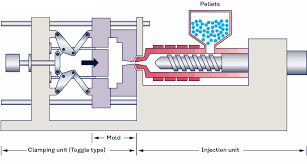
Considerations for practical application
- Uniform distribution
- Material characteristics
- Environmental factors
Uniform distribution
Ensure the temperature of each part of the mould is evenly distributed to avoid internal stress and uneven shrinkage of the product caused by temperature difference.
Material characteristics
Select the appropriate mould temperature according to the material properties and adjust it with the results of the trial mould.
Environmental factors
Environmental temperature will also affect the actual effect of mould temperature, so it needs to be considered comprehensively.
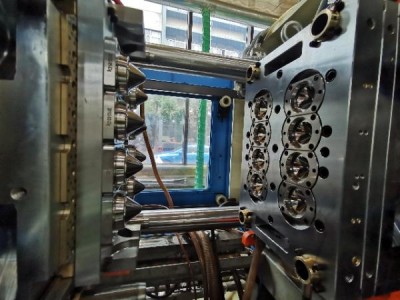
Therefore, mould temperature plays a vital role in injection moulding.
Reasonable setting of mould temperature can not only improve product quality, but also optimize production efficiency.
For different materials, the appropriate mould temperature range should be selected according to their characteristics and adjusted in combination with the actual production situation.
What is the best mold temperature?
The optimum mould temperature depends on the specific application scenario and material properties.
Below is a detailed analysis of the optimum mould temperature for different scenarios:
- Plastic injection moulding
- Metal die casting casting
- High-gloss, non-marking injection moulding
- Other applications
Plastic injection moulding
For engineering plastics, such as PP (polypropylene), the optimum mould temperature range is 20-80°C .
Higher mould temperatures help to improve filling properties, but increase cycle times.
For ABS materials, the optimum mould temperature is 85°C.
For precision injection moulding, the mould temperature usually needs to be kept uniform and constant.
This ensures product quality and surface finish.
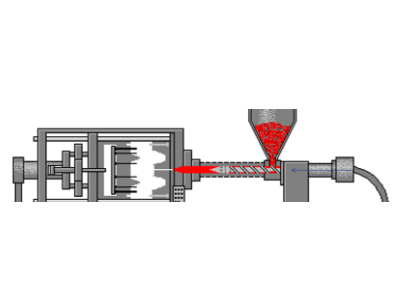
Metal die casting casting
For AlSi9Cu3 aluminium alloy die casting, mould temperature of 100 ° C, the alloy’s tissue uniformity reaches the best, the highest tensile strength.
For AlSiCu2Mg aluminium alloy, the best die casting mould temperature range is 120 to 180°C.
Mechanical and physical properties perform best in this range.
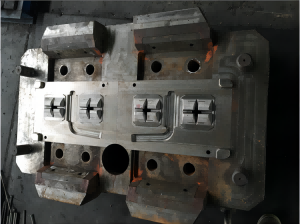
High-gloss, non-marking injection moulding
Equipment that uses steam to directly heat the mould cavities allows for precise temperature control, which improves the stability of the mould temperature.
Other applications
In some special cases, such as in the manufacture of PDMS (polydimethylsiloxane) microfluidic devices, the optimal heat treatment temperature is 65°C.
In wire drawing dies, the mould temperature usually needs to be adjusted to the specific process requirements to ensure product quality.
The optimum mould temperature therefore varies depending on the material and application scenario.
Example:
For plastic injection moulding, the optimum mold temperature is 20-80°C for PP and 85°C for ABS.
For metal casting, the optimum mould temperature is 100°C for AlSi9Cu3 aluminium alloy.
The optimum mould temperature for AlSiCu2Mg aluminium alloy is 120-180°C.
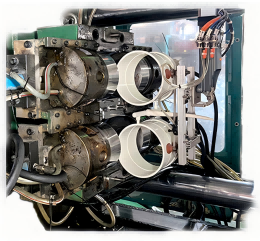
Therefore, in practice, the appropriate mould temperature should be selected according to the specific needs and optimized by combining the mould design, material properties and process requirements.
How to control injection mould temperature?
Controlling the temperature of the injection mould is a key step to improve product quality and productivity.
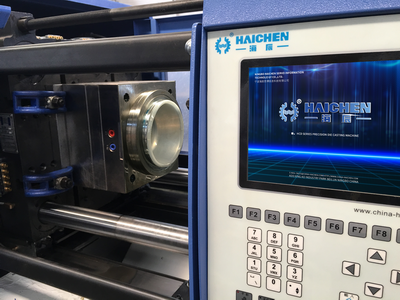
Haichen can offer several effective methods:
- Temperature control devices
- Cooling water circuit design
- Application of temperature sensors
- Heat transfer materials and insulation measures
- Temperature control strategy
- Dynamic temperature control
- Energy saving and automatic control
- Preheating and holding
- Special process applications
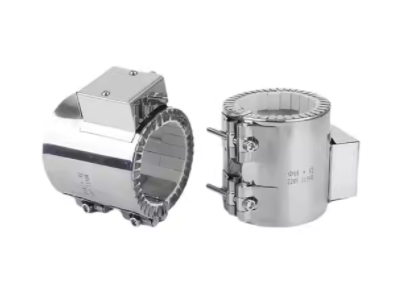
Temperature control devices
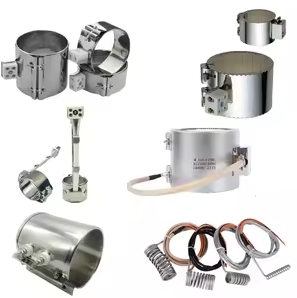
Use devices such as thermostats, chillers and heating rods to ensure that the mold temperature remains stable within the set range.
E-MOLD technology can be used to quickly heat the mould to 300°C by electric heat and quickly cool it to below 30°C within 30 seconds to achieve high glossy and non-marking injection effect.
Cooling water circuit design
Reasonable design of cooling water circuit, including the layout, position and sealing performance of cooling channels to ensure uniform mould temperature control injection moulding.
Use pulse cooling technology and CO2 gas cooling technology to further optimise the mould temperature control by adjusting the coolant flow rate or adopting low temperature gas as the cooling medium.
Application of temperature sensors
Temperature sensors are installed inside the mould to monitor and feed back plastic iniection molding temperature data in real time so that the controller can accurately adjust the mold temperature.
The temperature sensor should be placed in the position that plays a decisive role in product quality, such as the cavity surface.
Heat transfer materials and insulation measures
Install additional heat insulation boards on the mould panels to prevent heat loss.
Use high thermal conductive materials (e.g. beryllium copper) or heat pipe technology to transfer heat to the inside of the mould.
Temperature control strategy
Set the upper and lower limits of the mold temperature according to the characteristics of the plastic material to avoid product defects caused by too high or too low temperature.
For different types of plastics (e.g. ABS, PPS, etc.), the mould temperature is adjusted according to their crystallisation characteristics and fluidity requirements.
For example, ABS usually requires a mould temperature of 60-110°C, while PPS needs to reach 160°C or more.
Dynamic temperature control
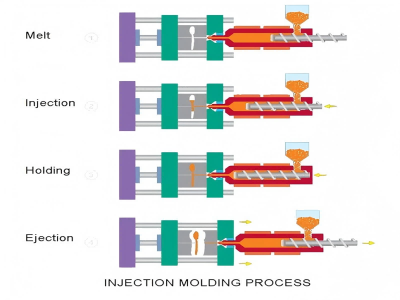
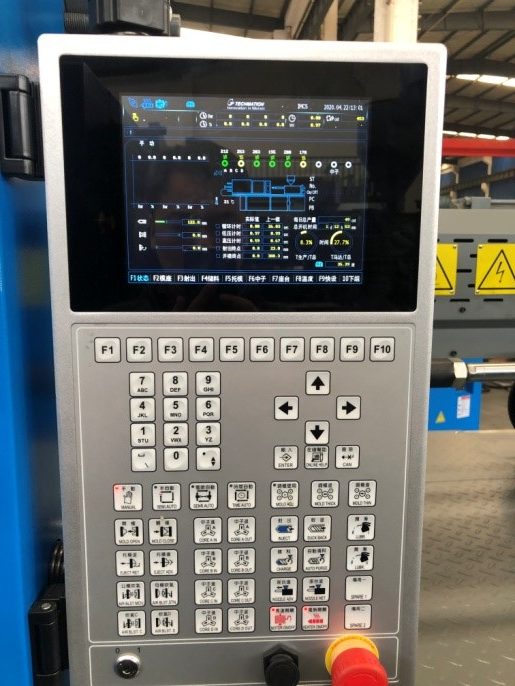
Dynamic temperature control is implemented to keep the mould temperature stable during the injection, holding and cooling stages respectively.
For example, increase the mould temperature during the injection phase and decrease the temperature during the cooling phase.
A combination of direct steam heating and dry air blowing can be used to achieve rapid heating and cooling of the mould surface.
Energy saving and automatic control
Upgrading the traditional plastic injection molding temperature control system to an intelligent control system with digital technology for automatic adjustment reduces manual intervention and improves energy efficiency.
Using flow meters and float-type measuring devices such as the e-fluo plus system to accurately measure and regulate the flow rate of cooling water.
Preheating and holding
Preheating the mould before production eliminates the temperature difference between the mould and the plastic, allowing the plastic to better adapt to the mould temperature.
For large or complex moulds, insulation is carried out between production to maintain the stability of the mould temperature.
Special process applications
For high-gloss or thin-wall injection moulding, we use rapid hot/cold conversion technology, which alternately introduces steam and cold water into the mould to bring about rapid changes in mould temperature.
In the production of fibre-added products, increase the mould temperature appropriately to improve the surface quality.
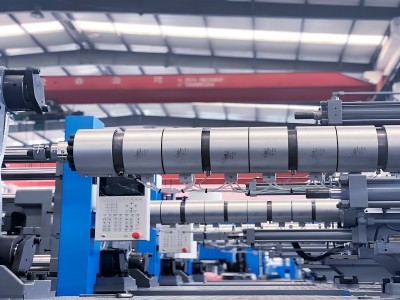
There are various ways to control the mould temperature control injection moulding and it is necessary to choose the appropriate solution according to the specific process requirements.
For example, steam heating and dry air blow moulding techniques are using to produce products with high gloss requirements.
Higher mould temperatures and rapid cooling techniques are for the produce thin-walled injection moulded products.
In addition, the reasonable design of cooling water circuit, the use of temperature sensors and intelligent control system is also an important means to improve the accuracy of mould temperature control.
By the end
Haichen offers a full range of temperature control systems for injection moulds.
This includes a full range of cooling water auxiliary machinery, rapid hot and cold cycle technology, and heat exchange systems inside the mould.
We are able to meet the needs of different industries and processes, and help customers to improve product quality and production efficiency.
Please feel free to contact us for more details.