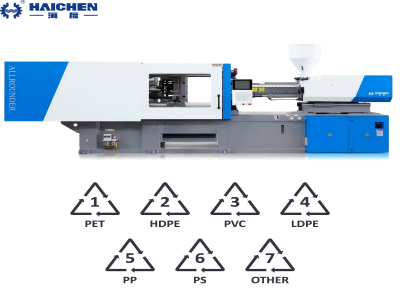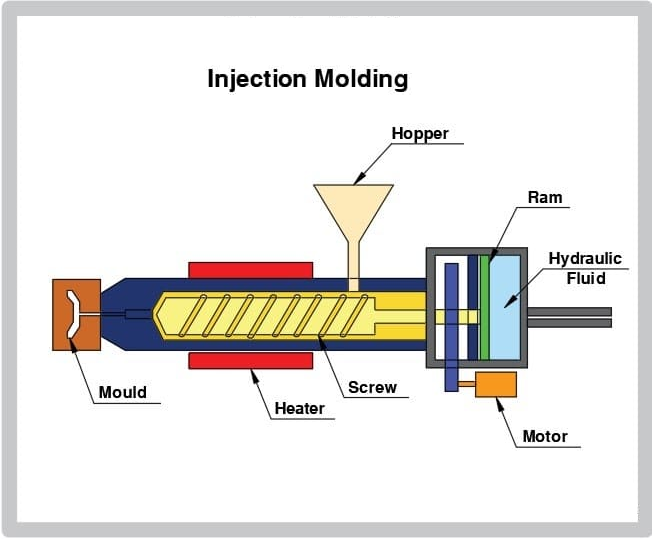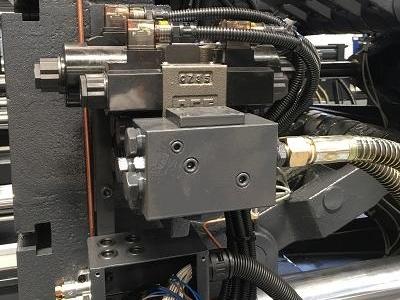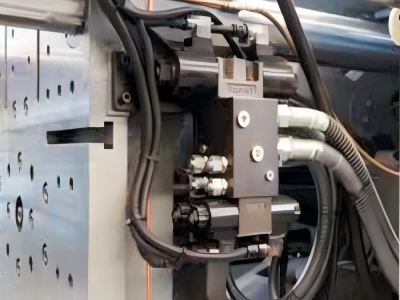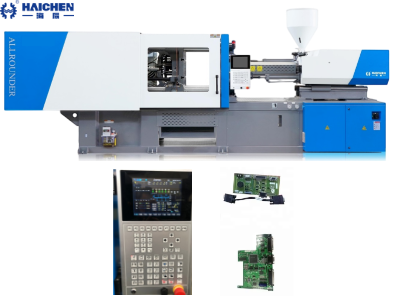
An injection cylinder in injection molding is a key component that uses hydraulic or electric power to drive the plunger or screw, forcing molten plastic into the mold cavity to form the desired part.
You may not know that injection molding is actually the manufacturing method behind many plastic products – from simple daily necessities to precision industrial parts.
In this process, the injection cylinder (also called injection cylinder) plays a key role: it is responsible for pushing the molten plastic material into the mold.
Next, let’s take a look at the specific functions of the injection cylinder and how important it is to the entire injection molding process.
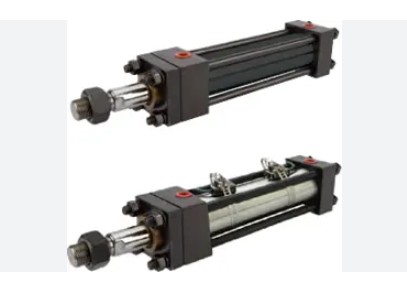
Definition of Injection Cylinder
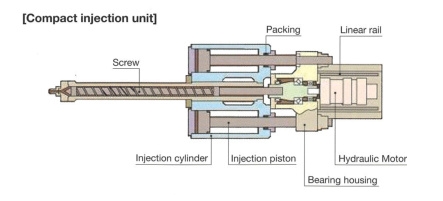
The injection cylinder is the core component of the injection molding machine. Its main function is to push the molten plastic into the mold cavity under high pressure. This component has a plunger or screw inside, which moves forward when working, pressing the plastic from the nozzle into the mold.
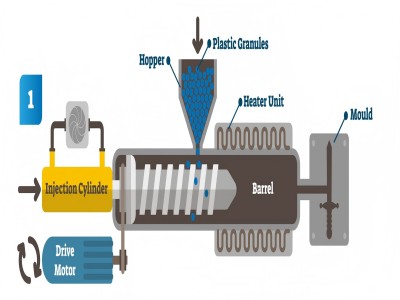
Function of Injection Cylinder
The core task of the injection cylinder is to precisely regulate the flow of molten plastic. The operator uses it to control the pressure and speed of the plastic when it is injected into the mold. This fine control capability is the key to the production process – only by ensuring a stable injection molding process can we continuously produce parts with accurate dimensions and flawless surfaces.
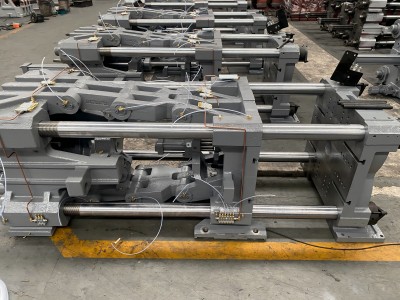
Core structure and components of injection cylinder
A typical injection cylinder includes the following key components:
| Component | Function | Manufacturing requirements |
| Cylinder body | Withstands high-pressure hydraulic oil (>150MPa), usually welded by high-strength alloy steel | Pressure-resistant and explosion-proof design, surface hardening treatment |
| Injection piston | Converts hydraulic energy into mechanical thrust and directly connects to the screw | Low friction coefficient materials (such as chrome-plated alloy steel) |
| Sealing system | Prevents hydraulic oil leakage and maintains pressure stability | High temperature resistant sealing ring (such as polytetrafluoroethylene) |
| Drive rod/spline shaft | Transmits the rotary motion of the hydraulic motor to the screw (pre-plasticization stage) | Torsional rigidity design to avoid motion interference |
| Bearings and copper sleeves | Reduce piston motion friction and ensure | linear accuracy (±0.01mm) Self-lubricating bearings, anti-bite design |
The key impact of the injection cylinder on product quality
The parameter setting of the injection cylinder plays a decisive role in the quality of the final product. If several key parameters are set improperly, they will directly lead to specific product defects. Operators need to pay special attention to the relationship between them:
Injection pressure
- When the pressure is insufficient, the molten plastic may not be able to completely fill the mold cavity, resulting in product shortage (short shot) or obvious weld marks.
- On the contrary, if the pressure is set too high, the plastic may be squeezed into the gap of the mold parting surface to form flash (burrs), or cause excessive stress inside the plastic, which will eventually make the product easy to crack.
Back pressure control
- If the back pressure is too low, it will make it difficult for the air or volatile gas mixed in the molten plastic to be discharged, and eventually bubbles will be formed inside the product. At the same time, it will also make the density of the melt uneven, affecting the overall density of the product.
- But it is not good to set the back pressure too high, which will significantly increase the resistance of the screw rotation, causing the plastic to be too hot due to frictional heat generation. Long-term action will cause the plastic molecular chain to break (degrade) and deteriorate the material properties.
Piston (screw) speed
- If the injection speed is too slow, the molten plastic will cool too quickly when flowing through the complex structure or narrow area of the mold, leaving flow marks (flow marks) on the surface of the product or forming cold blocks that are not fully melted.
- If the speed is too fast, the melt will generate local high temperature due to intense friction in the narrow channel, resulting in burnt spots (scorch marks) on the surface or even inside the plastic. At the same time, the violent flow state may also cause turbulence, affecting the smooth filling of the plastic.

Choosing the Right Injection Cylinder
When selecting an injection cylinder, consider the following factors:
- Machine Capacity: Ensure the cylinder matches the injection molding machine’s capacity.
- Material Requirements:Choose a cylinder that can handle the specific plastic materials you are using.
- Application Needs: Consider the specific requirements of your application, such as injection speed and pressure.
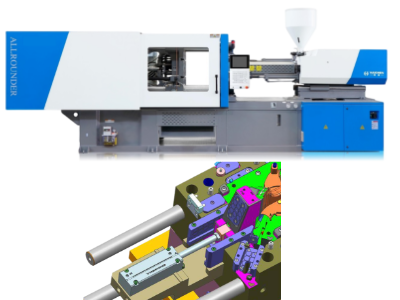
HAICHEN: Your Partner in Injection Molding Excellence
At Haichen, we specialize in manufacturing high-quality injection molding machines, with stable and reliable injection cylinders at the core.
With sophisticated control technology and optimized operating processes, our equipment ensures that every part you produce meets strict specifications.
Whether you are starting a new project or need to upgrade the equipment of an existing production line, Haichen can provide you with practical solutions to meet your specific production needs.
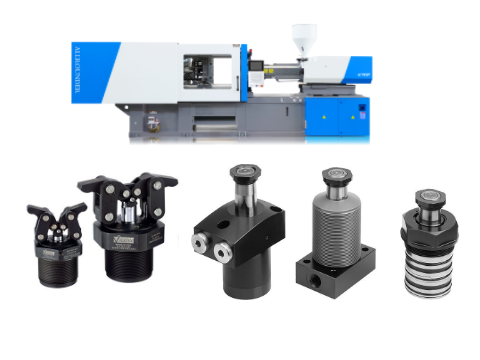
In order to make good products and ensure efficiency in injection molding production, we must first understand what the injection cylinder does. Choosing the right model and doing routine maintenance are particularly critical – they are directly related to whether the machine can work stably and with fewer problems.