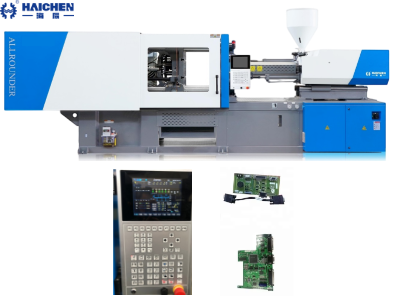
Injection mould material selecting factors mainly includes production requirements, cost factor, mechanical properties and others.
Selecting injection mold materials is a multi-factor decision-making process that needs to be weighed according to specific application scenarios, product requirements, cost budgets, and process conditions. By properly selecting materials, the performance of the mold can be significantly improved, the mold life can be extended, and the quality of the final product can be ensured.
There are many factors to consider when choosing injection mold materials, which directly affect the performance, durability of the mold, and the quality of the final product. The following are the main factors to consider when choosing injection mold materials:
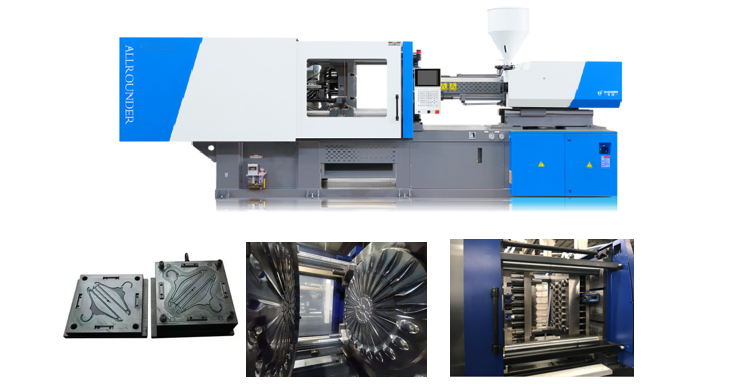
Injection mould material selecting factors: Production requirements
This is the primary consideration in selecting mold materials. Different products have different requirements for mold materials. For example, high wear resistance and corrosion resistance are common requirements in mass production.
Product performance requirements
Production requirements are first reflected in the functions and performance of the product itself. Different product application scenarios have different requirements for material performance.
For example, some products need to have high strength, high wear resistance, good chemical stability or high temperature resistance. Therefore, when selecting materials, it is necessary to determine the appropriate materials based on the product’s use environment and functional requirements.
Production scale and stability
The scale of production determines the range of material selection and supply stability. For large-scale production, companies usually choose materials that are in stable supply, reasonably priced, and easy to obtain. At the same time, the consistency of material production batches is also very important to ensure the consistency of product quality.
For example, some high-performance materials may have excellent performance, but their supply is unstable or their prices fluctuate greatly, and may not be suitable for large-scale production.
Surface quality and appearance requirements
For some products with high surface quality requirements, the selection of materials must take into account their surface treatment performance.
For example, some materials can form a smooth surface after injection molding, while other materials may require additional surface treatment processes (such as painting, electroplating, etc.) to achieve the desired appearance effect.
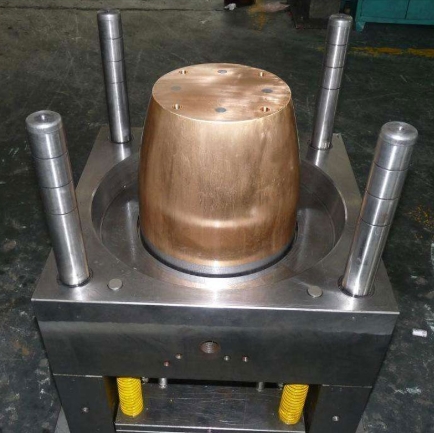
Injection mould material selecting factors: Cost factor
Under the premise of meeting production requirements, low-cost materials should be selected as much as possible to reduce production costs and extend the service life of the mold.
Material type and cost
- Ordinary plastics vs. engineering plastics:
Common ordinary plastics (such as polypropylene, polyethylene, polystyrene) have lower costs, while high-performance engineering plastics (such as liquid crystal polymers, polysulfones, polyphenylene sulfide) have significantly higher costs due to high processing temperatures and increased material complexity. - Balance between material performance and cost:
Material selection must take into account both performance requirements (such as strength, heat resistance, chemical stability) and cost. For example, although polyvinyl chloride (PVC) has low cost and excellent performance, it is difficult to process, which may indirectly increase costs.
Material processing characteristics
- Processing temperature and mold cost:
High-temperature materials (such as polysulfone) require mold steels that are more resistant to high temperatures (such as hardened steel), which increases mold costs.
- Influence of mold design:
Cold runner molds (require additional materials) are more expensive than runnerless molds, and mass production can reduce unit costs through economies of scale.
Production quantity and material cost
Advantages of mass production
Mass production can reduce unit material cost through purchase discounts, but small batch production may increase costs due to material waste or customization requirements.
Material recycling and sustainability
Environmentally friendly material costs:
Recyclable or biodegradable materials (such as PLA) may be higher than traditional materials due to technical limitations or certification costs, but long-term sustainability may reduce maintenance costs.
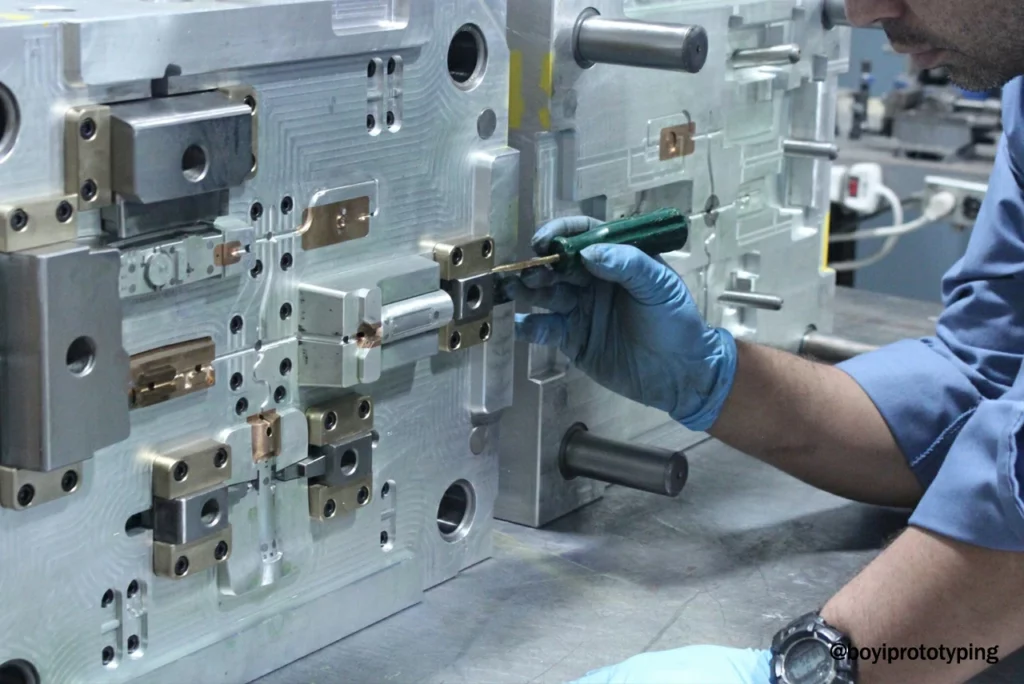
Injection mould material selecting factors: Mechanical properties
The mould material must have sufficient strength, hardness and toughness to withstand the high temperature, high pressure and wear during the injection molding process. In addition, the thermal conductivity and corrosion resistance of the material are also important considerations.
Tensile Strength and Flexural Modulus
- Tensile Strength reflects the ability of a material to resist tensile damage and is a basic parameter for evaluating the material’s load-bearing capacity. For example, polycarbonate (PC) is often used in structural parts that require high strength due to its high tensile strength.
- Flexural Modulus measures the rigidity of a material under bending loads and directly affects the dimensional stability of the product. It is pointed out that by analyzing the flexural modulus, product design can be optimized and failure under mechanical stress can be prevented.
Impact Strength and Toughness
- Impact Strength is a key indicator for evaluating the impact resistance of materials, especially in dynamic load environments. Polypropylene (PP) is widely used in automotive parts due to its high impact strength.
- Toughness reflects the ability of a material to absorb energy, such as polyurethane (PU) and thermoplastic elastomer (TPE) are used in parts that require flexibility due to their excellent elastic properties.
Hardness and Abrasion Resistance
- Hardness directly affects the material’s ability to resist scratches and pressure. It is mentioned that the materials used in medical equipment must have high hardness to withstand complex operating environments.
- Abrasion resistance is crucial for long-term use scenarios. For example, parts with frequent contact in injection molds need to be made of highly wear-resistant materials.
Thermal properties
Mold materials need to have good thermal conductivity to quickly cool the molded parts during the injection molding process, thereby improving production efficiency.
Temperature range and thermal stability
- Working temperature range: The material must meet the highest and lowest temperature requirements of the product in the use environment. For example, if the product works at 50°C for a long time and is accompanied by heat dissipation requirements, PC or glass-filled PC is better due to its high heat deformation temperature (HDT) and thermal conductivity.
- Heat deformation temperature (HDT): The heat resistance of the material under load directly affects the dimensional stability of the product. For example, the HDT of PC can reach 135°C, while ABS is only 85°C, which is suitable for different temperature control scenarios.
- Decomposition temperature: Whether the material will decompose at high temperature needs to be determined by DSC (differential scanning calorimetry). For example, the decomposition temperature of polyamide (nylon) is about 400°C, which is suitable for high temperature applications.
Thermophysical properties
- Specific heat capacity: the amount of heat required to heat a unit mass of material. Crystalline polymers (such as polycarbonate) have higher specific heat capacity and require more energy to melt, which affects processing energy consumption.
- Thermal conductivity: the ability of a material to conduct heat, which affects mold cooling efficiency. For example, the thermal conductivity of metal molds (such as steel) is significantly higher than that of plastics, but the cost is higher.
Processing temperature and process compatibility
- Melting point (Tm): The temperature at which the material changes from solid to liquid, which needs to match the heating system of the injection molding machine.
- Melt index (MFI): Reflects the fluidity of the material and affects the ability to fill the mold.
Processing performance
The processing performance of the mold material (such as machinability and thermal stability) is also very important because it affects the manufacturing quality and production cycle of the mold.
Material Flowability
- Criticality: The flowability of a material directly affects its ability to fill complex mold cavities. Materials with poor flowability may result in underfilling, bubbles, or surface defects.
- Influencing factors: The molecular weight of the material, additives (such as glass fiber), and processing temperature all affect flowability. For example, high molecular weight materials have poor flowability, while low molecular weight materials (such as LDPE) have good flowability.
Shrinkage and Dimensional Stability
- Criticality: Material cooling and shrinkage during injection molding can cause warping, dimensional deviation and other problems. The shrinkage rate needs to match the mold design to ensure the accuracy of the finished product.
- Influencing factors: Material type (such as PP, ABS), mold temperature, cooling time and holding pressure will affect the shrinkage rate. For example, materials with high melting temperatures (such as POM) have higher shrinkage rates, which need to be compensated by optimizing process parameters.
Thermal Stability and Processing Temperature
- Criticality: The material must remain stable within the processing temperature range to avoid thermal decomposition or performance degradation. For example, materials processed at high temperatures (such as polyamide) require high-temperature resistant molds.
- Influencing factors: The material’s glass transition temperature (Tg) and melting point (Tm) determine its processing temperature window. Too high a melt temperature may cause material degradation, while too low a melt temperature may not fully fill the mold.
Production volume and cycle time
The selection of mold materials should also take into account the expected production volume and cycle time. High production volume usually requires mold materials with higher durability and stability.
Mold complexity and material durability
High production volume usually requires more complex mold design (such as multi-cavity molds, automated systems), and the mold material needs to have high wear resistance, high temperature resistance and long life. For example, high-production molds may use high-strength alloy steel (such as H13, SKD61) to extend mold life.
Material fluidity and filling efficiency
High production volume requires materials to have good fluidity to ensure fast mold filling and reduce scrap rate. For example, materials such as nylon (PA66) and polypropylene (PP) are often used in high-volume production due to their excellent fluidity and thermal stability.
By comprehensively considering the above factors, the mold material that best suits a specific injection molding project can be selected. That can ensure a balance between product quality, production efficiency, and cost-effectiveness.