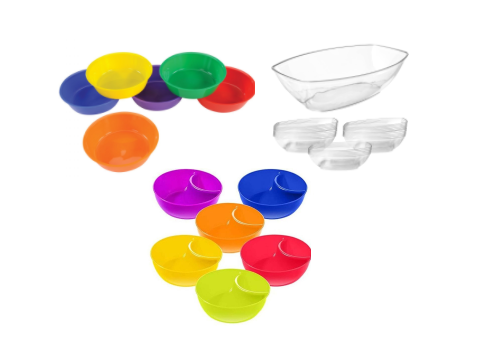
Types of plastic bowls can be classified as follows:
- Material Classification
- Classification of use
- Design classification
- Other Features
Plastic Bowls, a container made of plastic, is used for holding and eating food.
They are usually lightweight, durable and easy to clean, and can be made into various shapes, sizes and designs to meet different usage requirements.
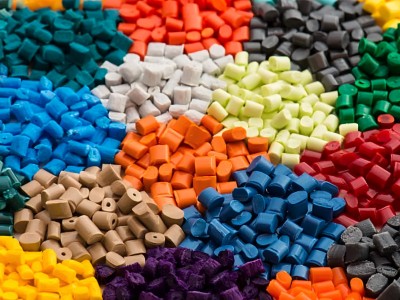
Types of plastic bowls——Material Classification
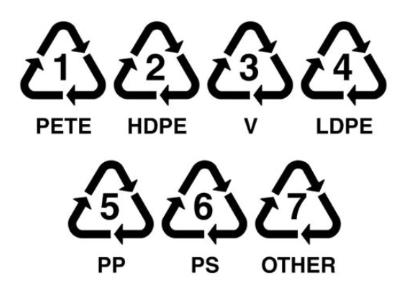
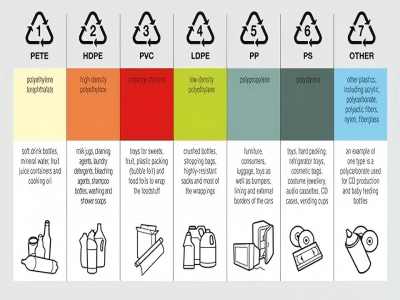
- PP plastic bowls
- PS plastic bowls
- PE plastic bowls
- Other materials
PP plastic bowls
This material is heat-resistant, suitable for microwave heating, and is often used to make reusable plastic bowls.
PS plastic bowls
Transparent, low-cost, but brittle, often used in single-use plastic bowls.
PE plastic bowls
It has good waterproofness and flexibility, and is often used in disposable dining bowls.
Other materials
Such as PET, ABS, EVA, etc., these materials also have different applications.
Types of plastic bowls——Classification of use
- Disposable plastic bowls
- Reusable plastic bowls
- Special function bowls
Disposable plastic bowls
Usually made of polystyrene or polyethylene, suitable for fast catering industries such as takeaway and fast food.
Reusable plastic bowls
Mostly made of polypropylene, durable and environmentally friendly, suitable for home use.
Special function bowls
Such as anti-scalding bowls, children’s special bowls, etc., focusing on safety and practicality.
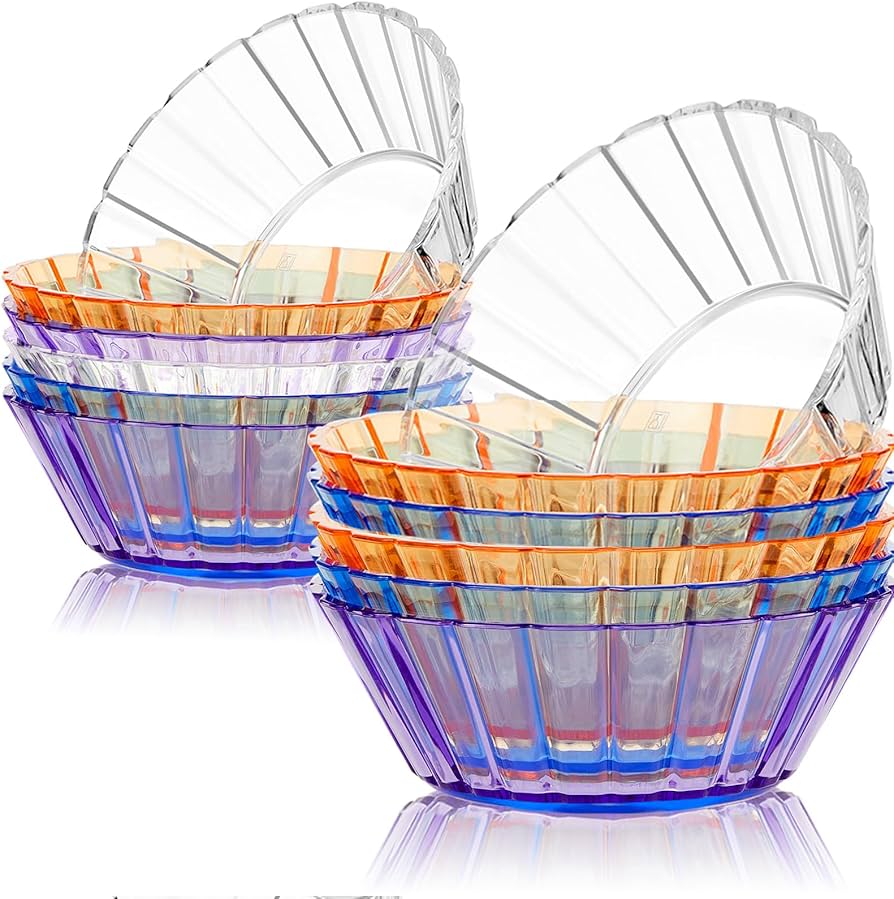
Types of plastic bowls——Design classification
- Round bowls
- Square bowls
- Creative design bowls
Round bowls
Including ordinary round bowls, bowls with lids, beveled bowls, etc.
Square bowls
Such as square thick-bottomed large bowls, square PP Pagoda, etc.
Creative design bowls
Such as rotating handbags, 360-degree rotating balance bowls, creative rock pattern bowls, etc.
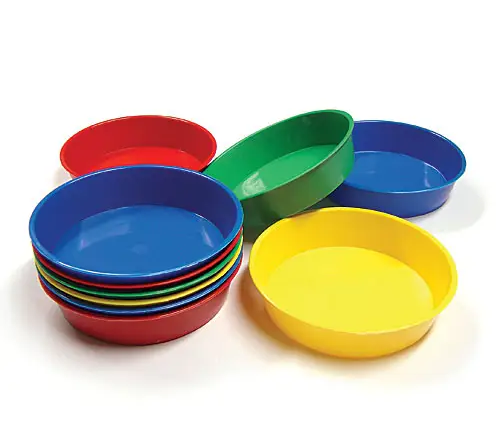
Types of plastic bowls——Other Features
- Thickened design
- Anti-drop and anti-scalding
- Eco-friendly materials
- TRITAN
- Silicone
Thickened design
Increases durability and weight capacity.
Anti-drop and anti-scalding
improve the safety of use.
Eco-friendly materials
Such as biodegradable plastics, to reduce the impact on the environment.
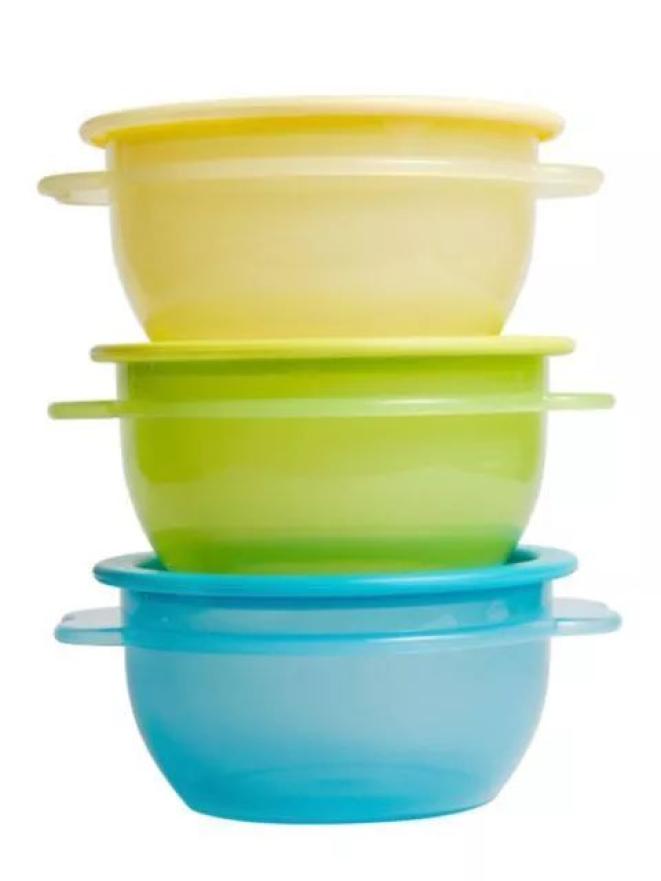
TRITAN
The plastic bowl made of TRITAN can withstand boiling water up to 109°C without releasing toxic substances and does not contain BPA, which is harmless to humans.
Silicone
The baby silicone bowl is made of food-grade silicone material.
Which is non-toxic and harmless, environmentally friendly and green.
Resistant to high temperature and low temperature, resistant to fall and friction, soft and has good heat insulation effect.
The silicone bowl does not volatilize toxic substances or emit odors at high temperatures.
And is safe for boiling water disinfection and microwave heating.
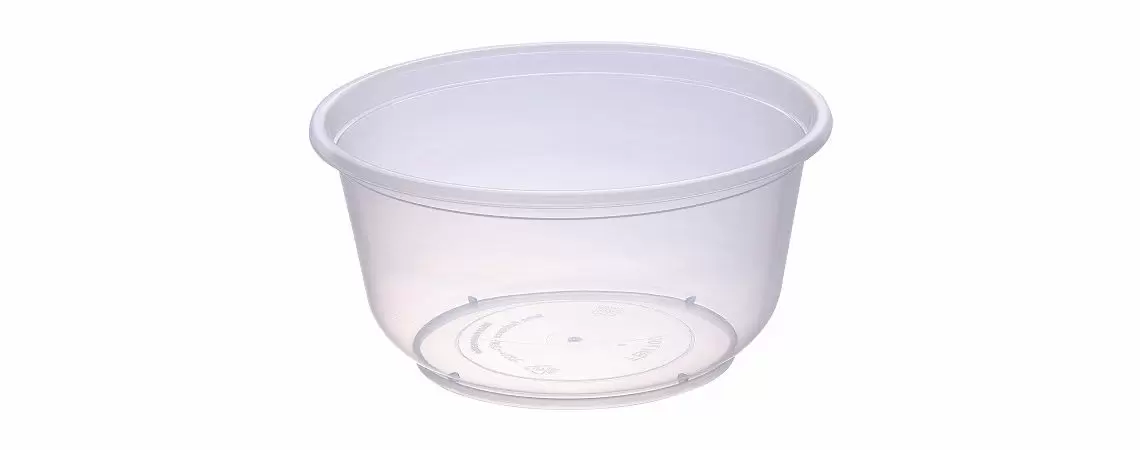
The environmental friendliness of plastic bowls
- Material selection
- Disposable and reusable
- Environmental impact
Material selection
The environmental friendliness of plastic bowls is closely related to their materials.
Common plastics such as polypropylene (PP) and polyethylene (PE) have good recyclability.
While materials like polystyrene (PS) may release harmful substances at high temperatures, such as bisphenol A (BPA).
In addition, in recent years, some biodegradable plastic bowls have emerged in the market.
These materials can decompose relatively quickly in the natural environment, which helps to reduce the burden on the ecology.
Disposable and reusable
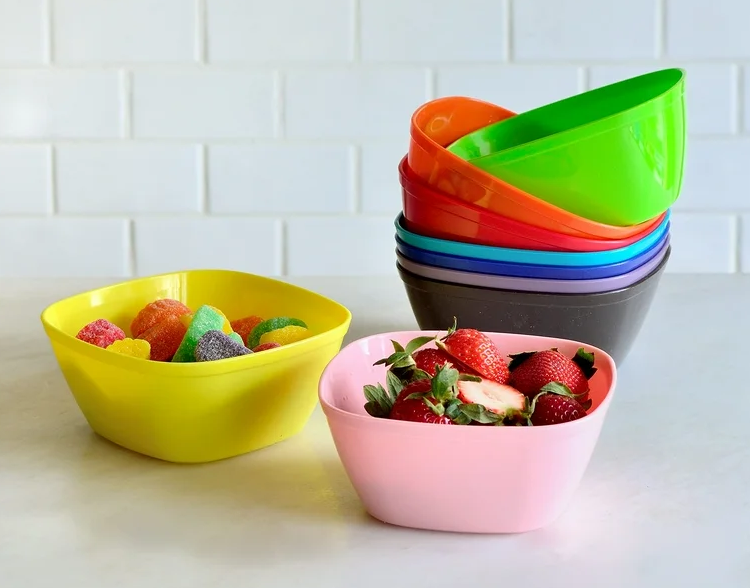
The use of disposable plastic bowls increases the generation of plastic waste.
While reusable alternatives (such as glass, stainless steel, bamboo, etc.) can significantly reduce long-term plastic waste.
Therefore, reducing the use of disposable plastic bowls and choosing reusable containers are important strategies for environmental protection.
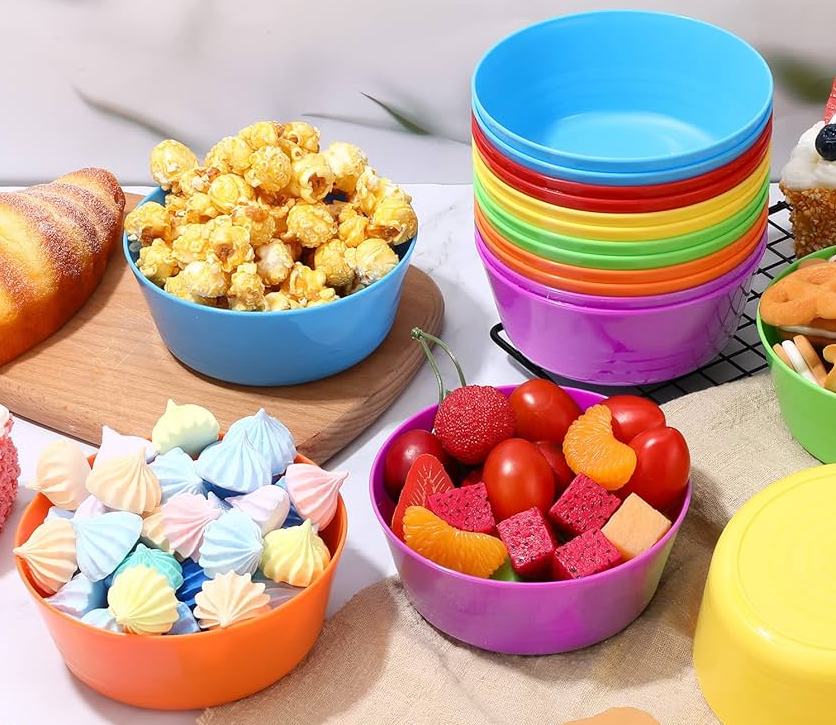
Environmental impact
The production of plastic bowls consumes a large amount of energy and resources and is non-biodegradable.
They can remain in landfills for hundreds of years, causing environmental pollution and harm to wild animals.
Therefore, reducing the use of plastic bowls and choosing environmentally friendly alternatives are the keys to minimizing environmental impact.
How to choose a plastic bowl
- Material
- Size
- Shape
- Style
- Functionality
Material
When choosing a plastic bowl, the first factor to consider is the material.
Not all plastic bowls are the same.
The materials used will affect their durability, service life and safety.
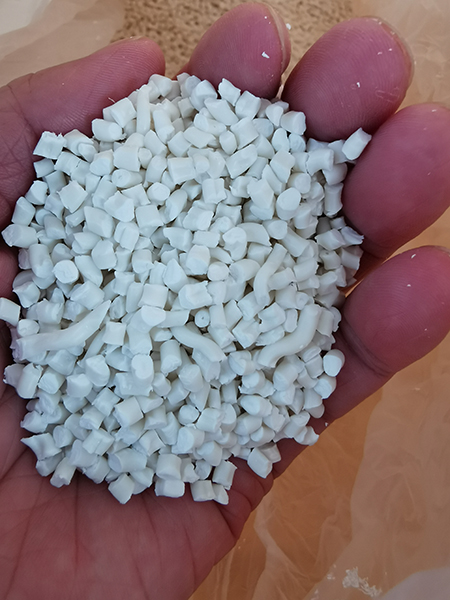
PP is the most commonly used material for food-grade plastic bowls because it is lightweight, durable, heat-resistant and resistant to chemical corrosion.
PC is a stronger and harder plastic, but it is also more expensive and more difficult to recycle.
Melamine is a kind of plastic resin, which is often used to make decorative and colored bowls, but it is not suitable for holding hot food.
When choosing plastic bowls, be sure to select materials that meet food safety standards and can withstand the intended use.
Be sure to check the manufacturer’s label to ensure that the disposable plastic bowl you are considering purchasing can be safely used to hold food.
Size
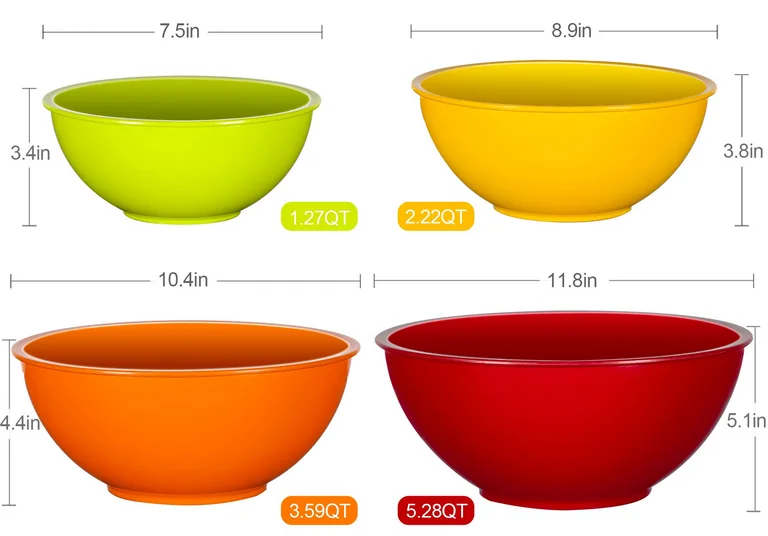
The second factor to consider when choosing a plastic bowl is the size.
The size range of plastic bowls is very wide, from small snack bowls to large mixing bowls.
Please consider the purpose of the plastic bowl to determine the appropriate size.
If you use a bowl to hold snacks or sauces, a small or medium-sized bowl might be more suitable.
However, if a large amount of food is to be held, a larger bowl may need to be chosen.
It is also crucial to consider the available storage space for plastic bowls.
If the storage space is limited, choosing a set of nested bowls can maximize the utilization of the storage space.
Shape
The shape of a plastic bowl can also affect its function.
Common shapes include circles, ellipses, squares and rectangles.
Round bowls are very suitable for stirring and holding liquids, and they are not easy to spill.
Oval bowls are very suitable for holding longer tableware, such as fruits and vegetables.
Rectangular and square bowls are most suitable for holding casserole dishes, baked goods and other foods.
Style
The style of plastic bowls will affect their aesthetic appeal and the matching effect with existing tableware.
Plastic bowls come in a wide variety of styles, ranging from simple and practical to decorative colors.
Functionality
Finally, consider the functionality of the plastic bowl.
Some plastic bowls come with LIDS and are perfect for storing leftover food in the refrigerator or transporting tableware to gatherings and events.
Some plastic bowls have built-in filters or measuring cups and are very suitable for cooking.
When choosing a plastic bowl, please consider the most important functions related to your intended use.
If you plan to store or transport in a bowl, please look for a bowl with a safety lid.
If you plan to stir the ingredients in a bowl, please consider a bowl with an anti-slip base or a pouring port.