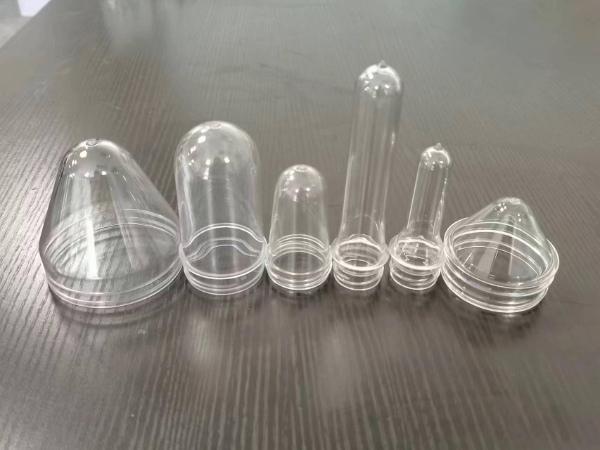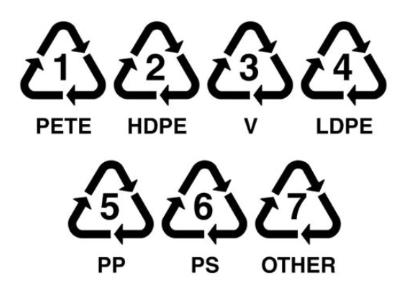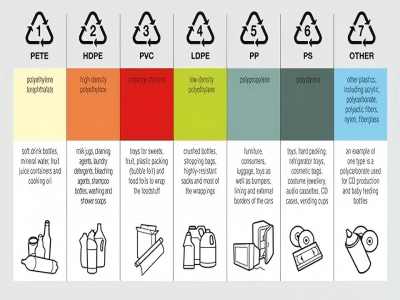
Types of PET preforms can be classified according to different criteria, mainly including:
- Material
- Specification
- Use
- Color
- Production process
As a key preform in the production of plastic bottles and containers, preforms come in a variety of sizes and shapes.
Therefore, preform types are generally categorized based on their thread structures and materials.
As different threads and materials influence the bottle’s application and packaging performance.
What is a PET Preform?
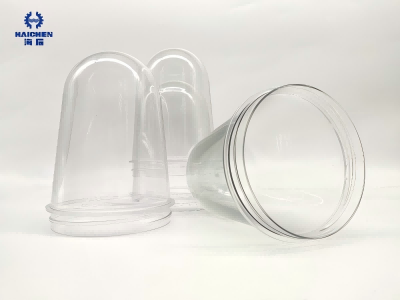
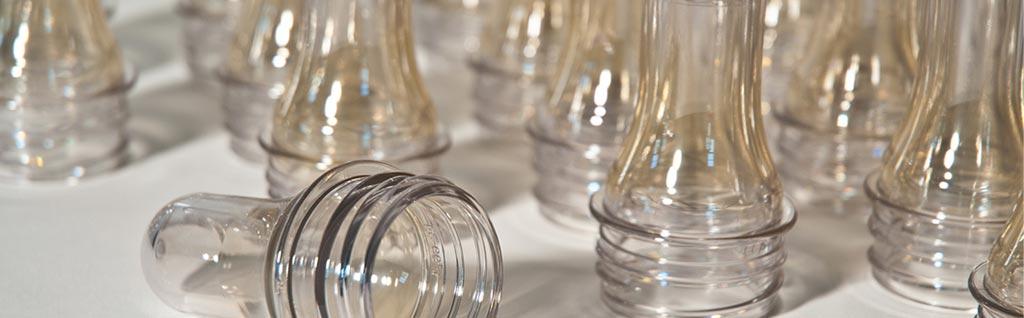
In the context of the packaging industry, a pet preform refers to a small.
Tube-like structure intermediate product made of PET (Polyethylene Terephthalate) plastic.
It serves as the initial stage in the production process of plastic bottles and containers.
Resembling a test tube with a threaded neck finish, the preform can then undergo blow molding.
Which easily transforms it into a final bottle or container.
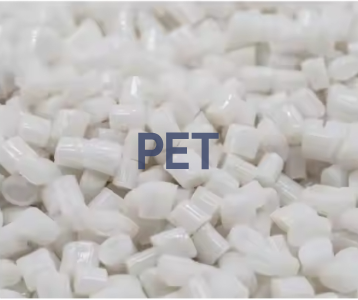
Types of PET preforms–Preforms material
PET (polyethylene terephthalate) is the most common preform material.
Which has the characteristics of good transparency, high strength.
Then,non-toxic and environmental protection, and is widely used in mineral water bottles, beverage bottles, etc.
Types of PET preforms–Preforms specification
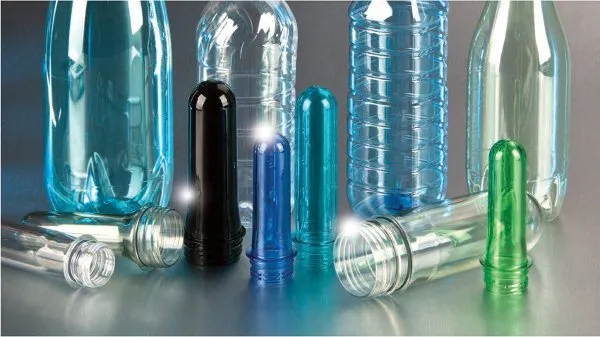
The specifications of the preform usually include parameters such as caliber, weight and mouth.
For example, common specifications include 3025, 28, 32, and 39.
Different calibers and weights are suitable for different bottle types.
Such as mineral water bottles, carbonated drink bottles, cosmetic bottles, etc.
Some PET preforms have special features.
Such as anti-counterfeiting labels, recyclable labels, etc.
Which can be achieved by the color coding or special design of the preforms.
Types of PET preforms–Use
PET preforms can be used for a variety of purposes, including beverage bottles.
Mineral water bottles, cosmetic bottles, daily chemical bottles, food grade bottles, etc.
Special-purpose preforms also include car carafes, oil jugs, tea bottles, etc.
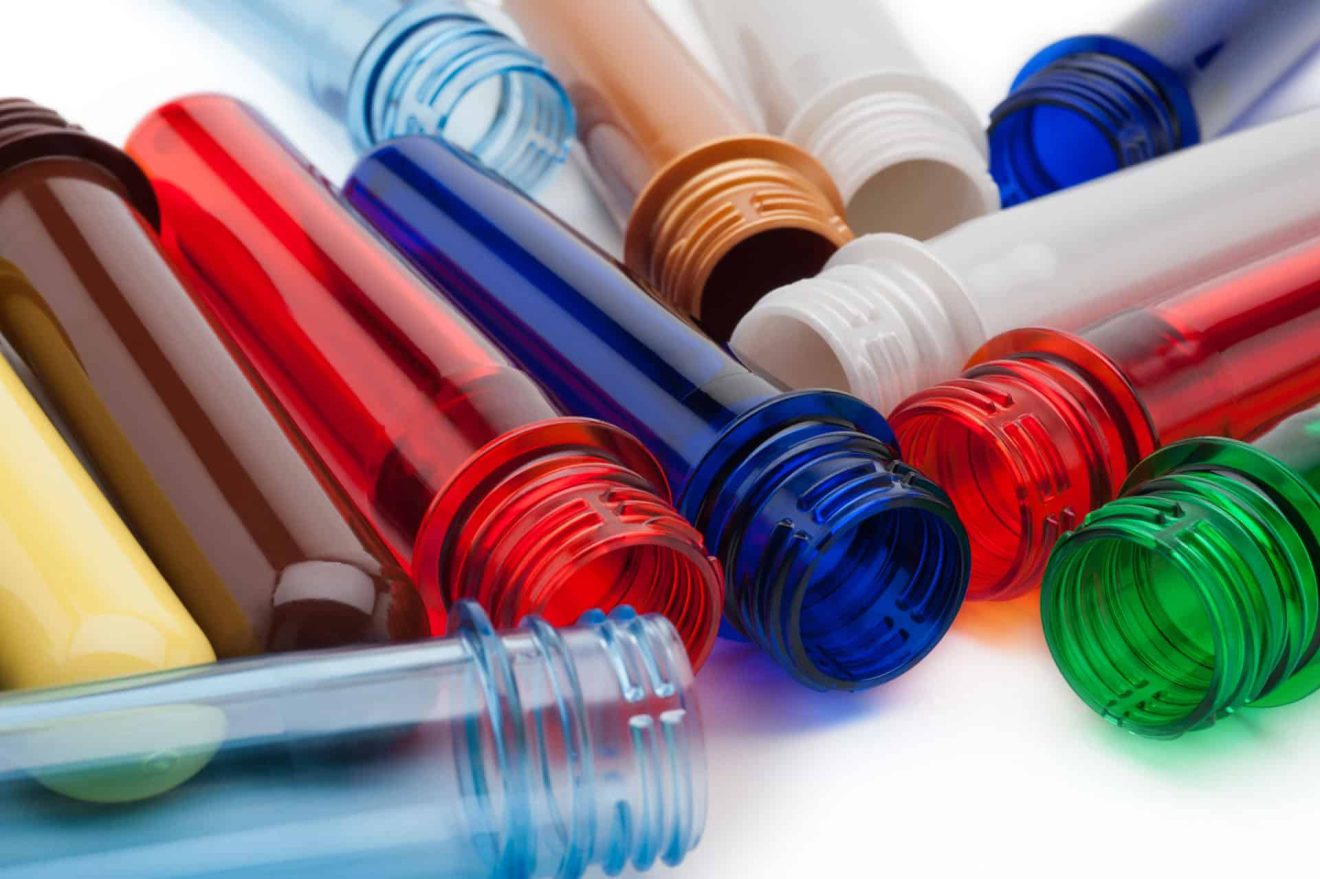
Types of PET preforms–Color
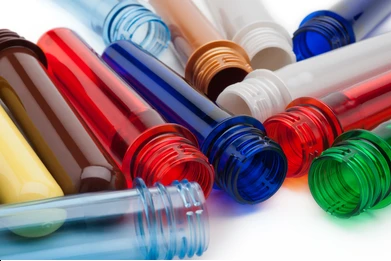
PET preforms can be transparent or colored, such as blue, green, brown, etc.
Types of PET preforms–Production process
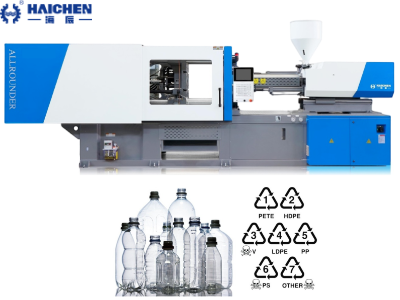
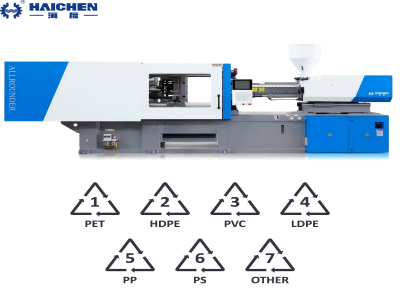
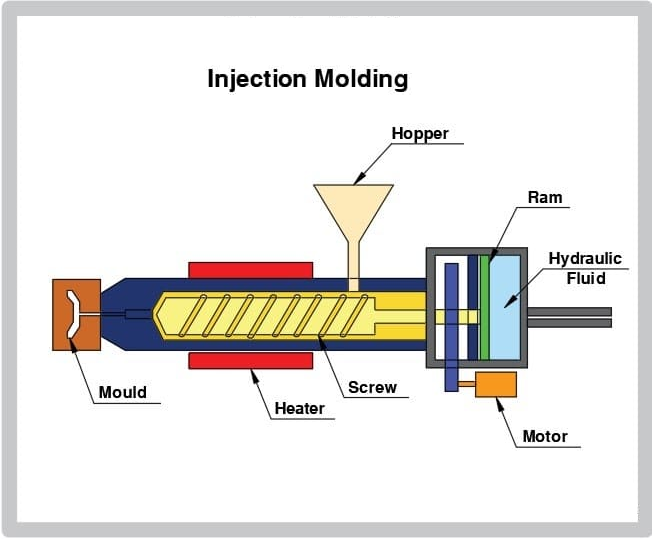
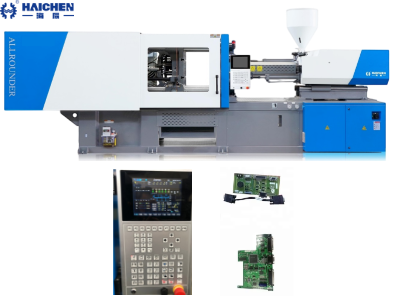
The production of PET preforms is usually divided into two steps: injection molding and blow molding.
Injection molding forms preforms, which are then processed into final plastic bottles by blow molding.
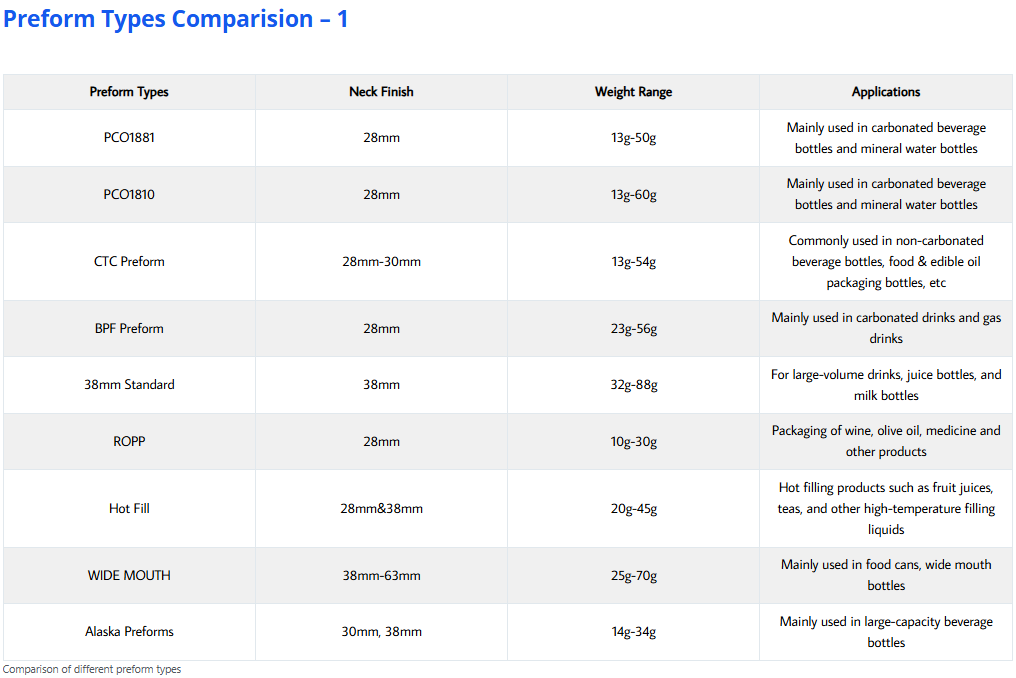
PCO Preforms
Manufacturers primarily produce PET bottles for packaging carbonated soft drinks, juices, and milk-based beverages.
Furthermore, the preform neck typically measures 28mm in diameter with a weight range spanning 12 to 54 grams.
CTC Preforms
Usually made for packaging cooking oil and soy sauce.
These preforms can be used to make PET bottles that can hold one liter of cooking oil.
The neck diameter is 29mm.
Alaska Preforms
Commonly used to make PET bottles for drinking water.
Standard neck diameters for Alaskan preforms are 26 to 28 mm.
They can be used to make pet containers that can hold 2 liters of drinking water.
ROPP Preforms
Manufacturing PET bottles for pharmaceutical applications.
Their neck diameter is 28MM.
ROPP bottles have roll-on caps that can be applied automatically on the assembly line.
PET Preforms
The types of preforms can be classified according to different criteria, mainly including material, specification, use and color.
- Preforms material
- Application
Preforms material
polyethylene terephthalate
This is the most common preform material.
Which has the characteristics of non-toxic, environmental protection, high strength and good transparency,.
And is widely used in mineral water bottles, beverage bottles, cosmetic bottles, etc.
Application
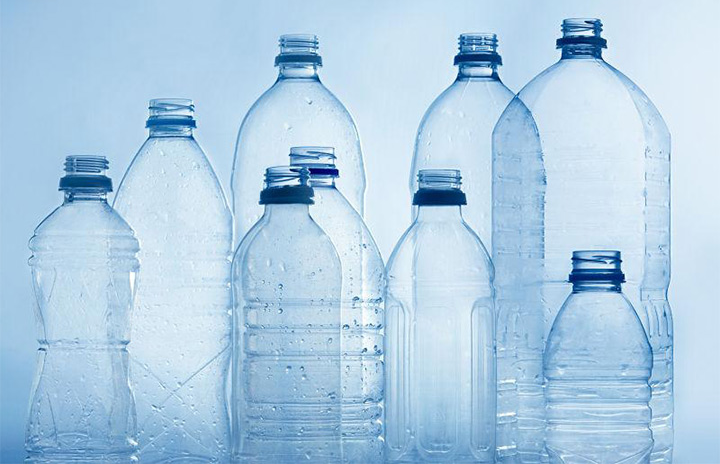
Water embryo: used to make mineral water bottles.
Beverage embryo: used to make various beverage bottles.
Oil embryo: used to make edible oil bottles.
Cosmetic embryos: used to make cosmetic bottles.
Food packaging preforms: used for food packaging.
Haichen services
It’s important to choose a vendor with good customer support and technical service.
They can provide preform customization services to help solve problems in production and ensure product quality.