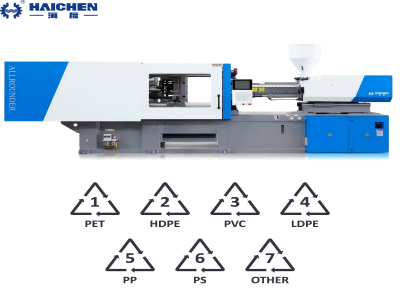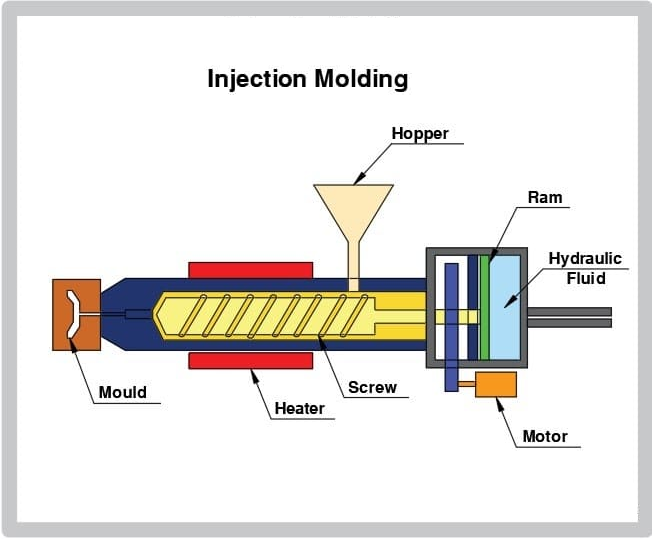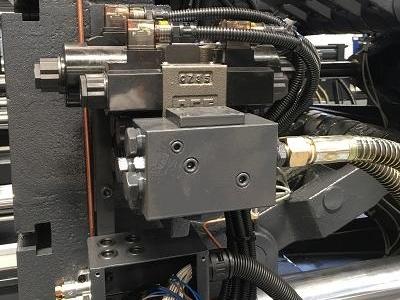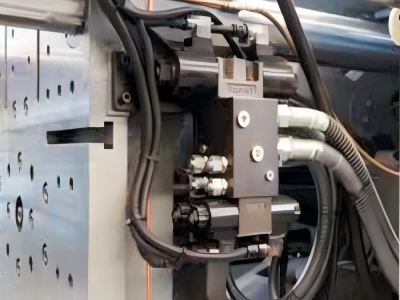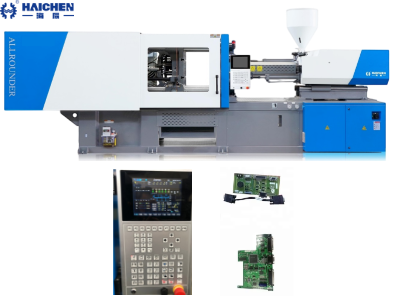
Types of hydraulic oil are mineral oil-based hydraulic oil, synthetic hydraulic oil, biodegradable hydraulic oil, and anti-wear hydraulic oil.
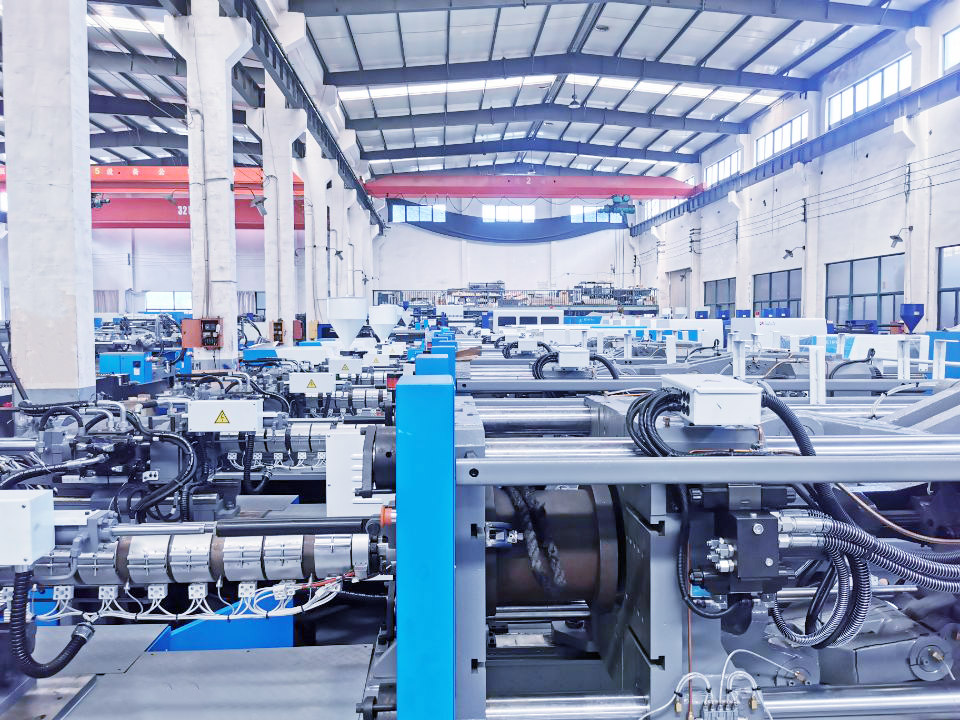
We commonly use injection molding machines in the production of plastic products. Their hydraulic systems require the use of appropriate hydraulic oil to ensure normal operation and performance.
There are many types of hydraulic oil, and choosing the right hydraulic oil is crucial to the maintenance and performance of injection molding machines.
When selecting hydraulic oil, it is necessary to consider the working conditions of the injection molding machine, as well as the performance indicators of the hydraulic oil such as viscosity, oxidation resistance, thermal stability, and flame resistance.
At the same time, it is also necessary to refer to the recommendations of the injection molding machine manufacturer and the specifications of the hydraulic oil.
Types of hydraulic oil as follows
- Mineral oil-based hydraulic oil
- Synthetic hydraulic oil
- Biodegradable hydraulic oil
- Anti-wear hydraulic oil
| Types of Hydraulic Oil for injection molding machine | |
| Types of Hydraulic Oil | Photo |
| Mineral oil-based hydraulic oil |  |
| Synthetic hydraulic oil |  |
| Biodegradable hydraulic oil |  |
| Anti-wear hydraulic oil | 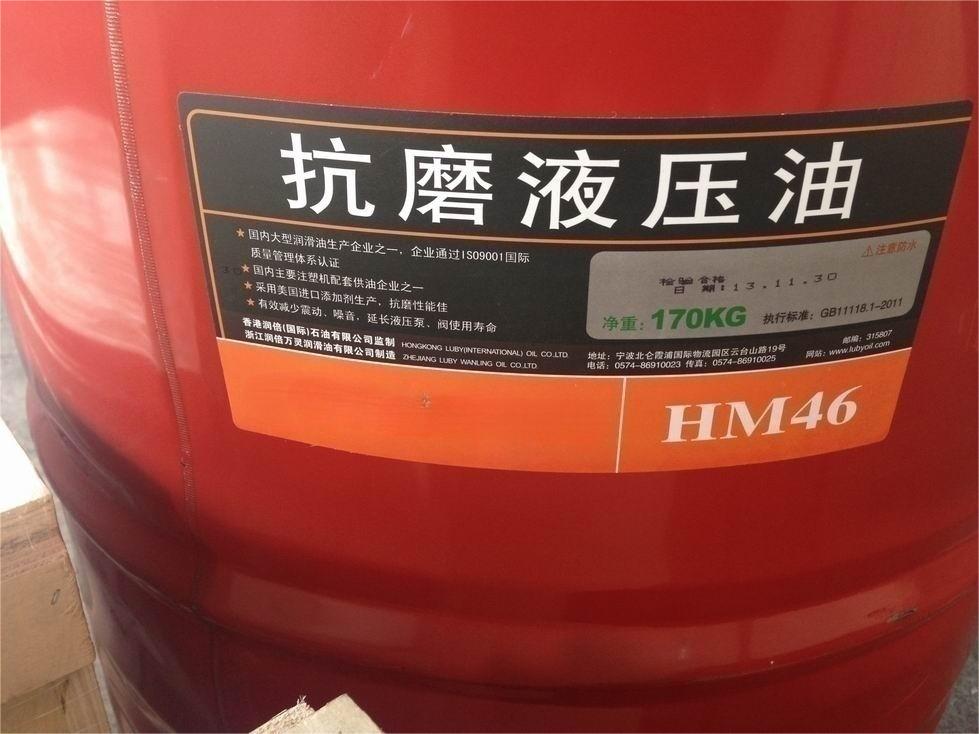 |
Mineral-Based Hydraulic Oils
Definition and composition
Mineral oil-based hydraulic oil is made from petroleum crude oil after dewaxing and refining, and then blended with additives. The main components are a mixture of aliphatic hydrocarbons and aromatic hydrocarbons, supplemented with antioxidants, anti-wear agents (such as organic phosphates), rust inhibitors (fatty acids) and defoamers (silicone oils). It is low-cost and accounts for more than 90% of the global hydraulic oil market share.
Core characteristics
- Viscosity characteristics:
- The working viscosity range is usually 16–100 cSt (centistokes), and the best is 16–36 cSt.
- Following the SAE or ISO viscosity grading standards (such as ISO VG 32/46/68), single-grade oil (SAE 10W) and multi-grade oil (SAE 5W30) are adapted to different temperature environments.
- Performance advantages and disadvantages:
- Advantages: excellent lubricity, low corrosiveness, and high chemical stability.
- Disadvantages: poor fire resistance (low flash point), poor biodegradability (high environmental toxicity); high temperature is easy to oxidize to form sludge, which needs to be replaced frequently.
Application scenarios of injection molding machines
- Applicable scenarios: General-purpose injection molding machine hydraulic systems, especially economical equipment (such as HM100 anti-wear hydraulic oil widely used in hydraulic presses and injection molding machines).
- Limitations: Zinc-containing formulas (ZDDP additives) are not suitable for systems containing silver/copper components and may cause corrosion
Synthetic Hydraulic Oils
Definition and composition
Synthetic hydraulic oils offer superior performance compared to mineral-based oils. They provide better thermal stability and oxidation resistance. Types include:
- Polyalphaolefin (PAO)oils are excellent for high-temperature and low-temperature environments.
- Ester-based (POE)oils are known for their biodegradability and fire-resistant properties.
- Phosphate ester (PAG)oils are highly resistant to fire and suitable for high-pressure systems.
Core characteristics
- Adaptability to extreme environments:
- Viscosity-temperature stability (high VI index), oxidation resistance and thermal stability are significantly better than mineral oil.
- A wide range of applicable temperatures (-40℃ to 150℃), reducing system efficiency losses caused by temperature fluctuations.
- Comprehensive performance advantages:
- Wear resistance is improved by more than 50%, extending equipment life;
- Strong shear stability and excellent oil film retention under high pressure.
Injection molding machine application scenarios
- High-performance scenarios:
Precision injection molding machines (such as servo motor drive systems) require response speed and stability;
High temperature environments (such as near the mold) to avoid oil oxidation. - Cost considerations: The price is about twice that of mineral oil, but the overall maintenance cost is reduced by extending the oil change cycle (reduced by 30–50%).
Environmentally Friendly Hydraulic Oils
With increasing environmental concerns, biodegradable hydraulic oils have gained attention. We derive these oils from natural sources like vegetable oils and design them to minimize environmental impact. They are particularly useful in applications where there is a risk of oil leakage into the environment.
Definition and composition
Environmentally friendly hydraulic oil based on renewable resources (vegetable oil or synthetic ester), with low ecotoxicity (WGK=0) and biodegradability>90% (such as CEC-L-33-A-93 standard). Common types include HEES (synthetic ester) and HETG (vegetable oil).
Core characteristics
- Environmental performance:
- 21-day biodegradation rate>96% (CEC-L-33-T-82 test), completely decomposed in soil/water;
- Comply with environmental standards such as EPA VGP, VDMA 24’569.
- Technical performance:
- High viscosity index (VI>180), low pour point (-32℃), adaptable to wide temperature environment;
- Wear resistance is close to mineral oil, but the oxidation stability of vegetable oil-based oil is poor.
Application scenarios of injection molding machines
- Mandatory environmental protection scenarios:
- Injection molding equipment in the food/pharmaceutical industry (non-toxic requirements);
- Outdoor or ecologically sensitive areas (such as mobile equipment with high leakage risk).
- Performance limitations:
- Ester-based oil has a high friction coefficient under high loads, which may affect system efficiency;
- When replacing, the system must be thoroughly cleaned to avoid mineral oil residues that cause precipitation.
Specialized Hydraulic Oils
Specialized hydraulic oils cater to specific needs in injection molding machines:
- Low pour point oils are designing for cold environments, ensuring the hydraulic system functions effectively in low temperatures.
- High viscosity index oils maintain a stable viscosity across a wide temperature range, suitable for machines operating in varying temperature conditions.
- Ashless hydraulic oils are using in systems where the presence of zinc and phosphorus additives could cause catalytic reactions with certain materials.
Definition and composition
High-efficiency anti-wear agents (such as ZDDP or ashless sulfur-phosphorus compounds) are added to mineral oil or synthetic oil, specially designed for high-pressure systems. It is divided into two categories:
- Zinc-based (ash type): excellent anti-wear properties, suitable for vane pump systems;
- Ashless type: compatible with silver/copper parts, used in precision hydraulic systems.
Core characteristics
- Anti-wear mechanism:
- Additives form a protective film on the metal surface to reduce friction and wear (such as FZG gear test ≥10);
- The life of high-pressure pumps can be extended to 3 times that of ordinary oils.
- System compatibility:
- The sealing material (such as nitrile rubber) must be strictly matched to avoid swelling failure;
- The viscosity selection (such as AW 46/68) must be based on the operating temperature and pump type.
Application scenarios of injection molding machines
- Essential for high-pressure systems:
- Large two-platen injection molding machines (system pressure>20MPa);
- High-frequency circulation equipment (such as electric injection molding machines) to reduce pump wear.
- Selection warning:
- Mixing oils of different brands may cause chemical reactions and cause filter element clogging.
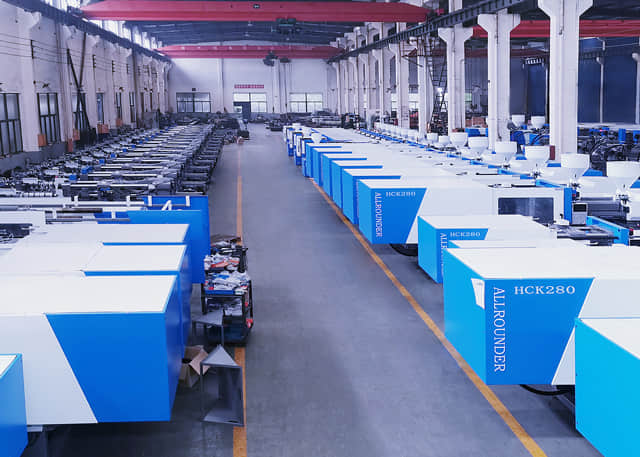
Selecting the right type of hydraulic oil for injection molding machines is crucial for optimal performance and longevity. Our Haichen Machiery always chooses Anti-wear hydraulic oil.
By understanding the different types of hydraulic oil, operators can make informed decisions that enhance the efficiency and reliability of their injection molding processes.