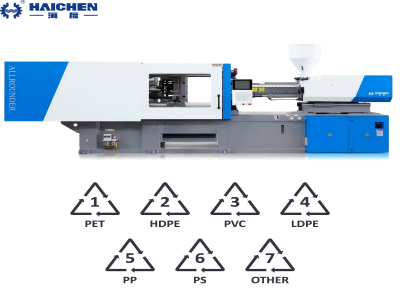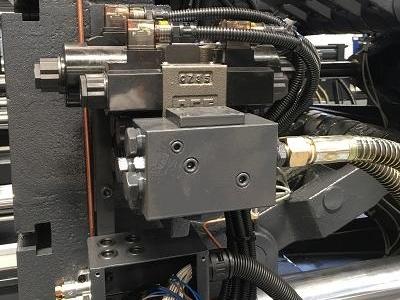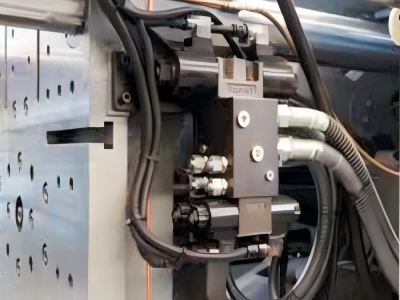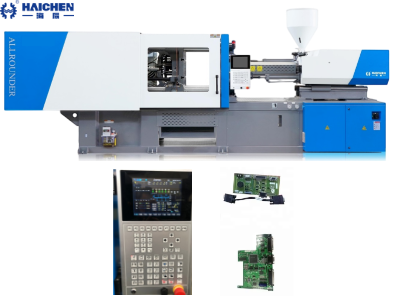
Automotive injection moulding solutions have extremely high requirements: high-quality manufactured parts, maximum availability of production equipment and stable processes.Haichen’s Car lampshade injection molding machines offers a complete solution: from machines to automation systems and peripheral equipment, to the services and consulting provided by our experts.
When it comes to choosing the right automotive injection moulding solution, we are your strong partner, offering you a one-stop solution for the production of automotive lighting.
Car lampshade injection molding machines have various types, such as inverted two-color hot injection molding machines, runner slant core extraction injection molding machines, and so on.
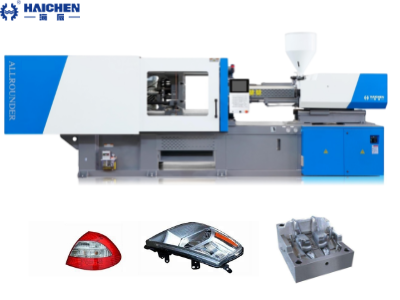
Each type has its specific design and function.
Various common car lampshade injection molding machines
Below are a few common types of automotive lampshade injection molding machines:
- Inverted two-colour injection molding machine
- Hot runner slant core injection molding machine
- Cooling Fin Insert Injection Molding Machine
- Moldflow and UG based injection molding process optimisation
- Multi-layer plastic injection molding (Co-injection molding)
- Two-colour injection molding machine with automatic de-threading structure
Inverted two-colour injection molding machine:
This type of injection molding machine can produce automotive headlamp housings with a two-colour effect.
It usually adopts an inverted molding scheme, whereby the white and black parts are injected through the first injection mould and the second injection mould respectively.
This is to achieve a two-colour effect.
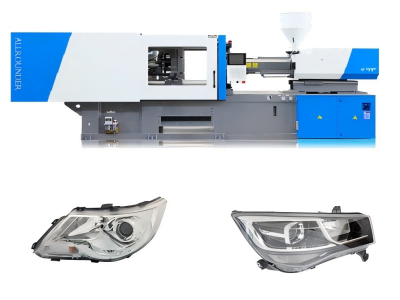
Hot runner slant core injection molding machine:
This type of injection molding machine is designed for the production of complex automotive lamp shades, such as lamp bases with special structures.
It combines a hot runner system with a slant core extraction mechanism to achieve efficient production and reduce molding defects.
Cooling Fin Insert Injection Molding Machine:
This equipment is particularly suitable for lamp shades that require cooling fins to be embedded during the injection molding process.
It uses a three-position vertical rotary table and an injection molding machine with high injection speeds to increase production efficiency.
Moldflow and UG based injection molding process optimisation:
Injection molding process parameters such as gate position and number are optimised by simulation analysis using Moldflow software to improve problems such as uneven wall thickness.
Multi-layer plastic injection molding (Co-injection molding) :
This method allows two or more types of resin to be injected into the same mould at the same time.
It is suitable for producing thick-walled products such as automotive headlight lenses.
This process can significantly reduce cycle times and costs.
Two-colour injection molding machine with automatic de-threading structure:
This design of injection molding machine is using to produce two-colour injection moulded parts with automatic de-threading function.
It improves productivity and reduces labour costs.
Each of these types of injection molding machines has its own characteristics and scope of application.
And the appropriate equipment and technical solutions can be selected according to specific product needs and technical requirements.
Plastic car lampshade injection molding machine workflow
The workflow of a plastic headlight injection molding machine usually includes several steps from raw material preparation to post price processing.
The following main steps:
- Plastic car lampshade raw material preparation
- Plastic melting
- Plastic headlight injection stage
- Cooling and curing of plastic headlights
- Mould opening and demolding
Plastic car lampshade raw material preparation:
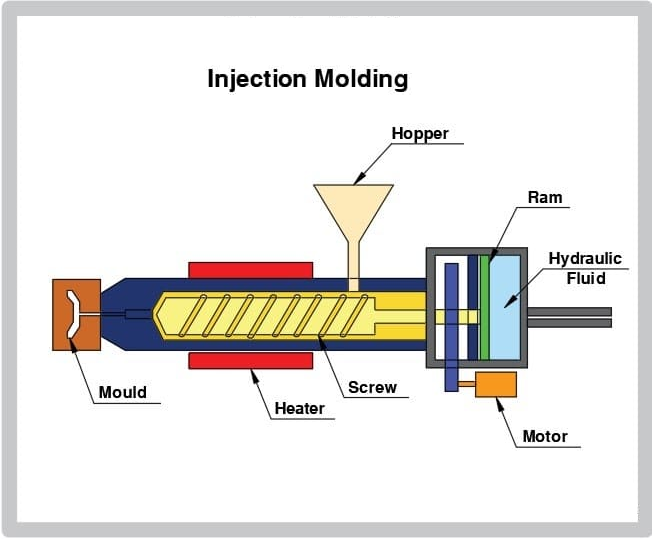
Firstly, put the plastic raw materials into the injection molding machine hopper.
These raw materials are usually granular plastics which are softened by heating and compression for subsequent processing.
Plastic melting:
In the heating zone of the car lampshade injection molding machines.
The machine will heat the plastic granules to a temperature where they are completely melting into a liquid state.
This process is usually use a hydraulic pump to run.
Which ensures that heating the plastic is evenly and achieves the proper fluidity.
Plastic headlight injection stage:
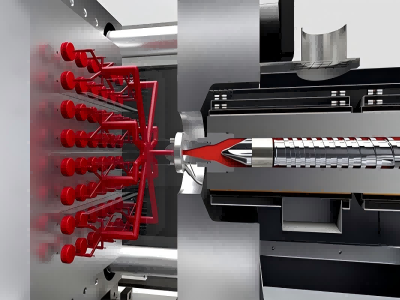
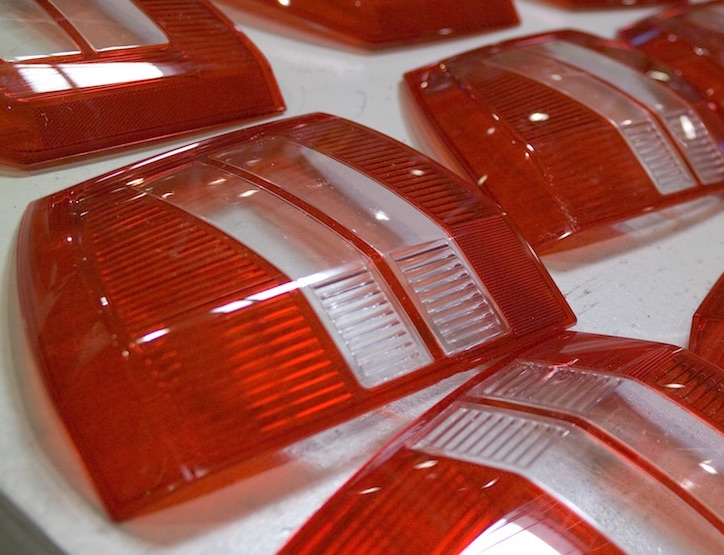
The melted plastic enters the plastic headlight mould cavity through the injection device.
The injection unit consists of a screw and a mould. The screw rotates and pushes the plastic into the mould to form the product shape under high pressure.
Cooling and curing of plastic headlights:
The plastic cures in the mould cavity and forms the shape of the headlight.
This process takes some time to ensure that the plastic cools completely and retains its shape.
Mould opening and demolding:
When the plastic form finish, the mould opens and a robot or other device removes the formed plastic headlight from the mould.
If the mould is properly designed, automated demolding can be achieved to increase productivity.
Post-processing: The removed product may require further processing, such as trimming, cleaning or painting, to meet the quality requirements of the final product.
The control system of the plastic car lamp injection molding machine is crucial in the whole workflow.
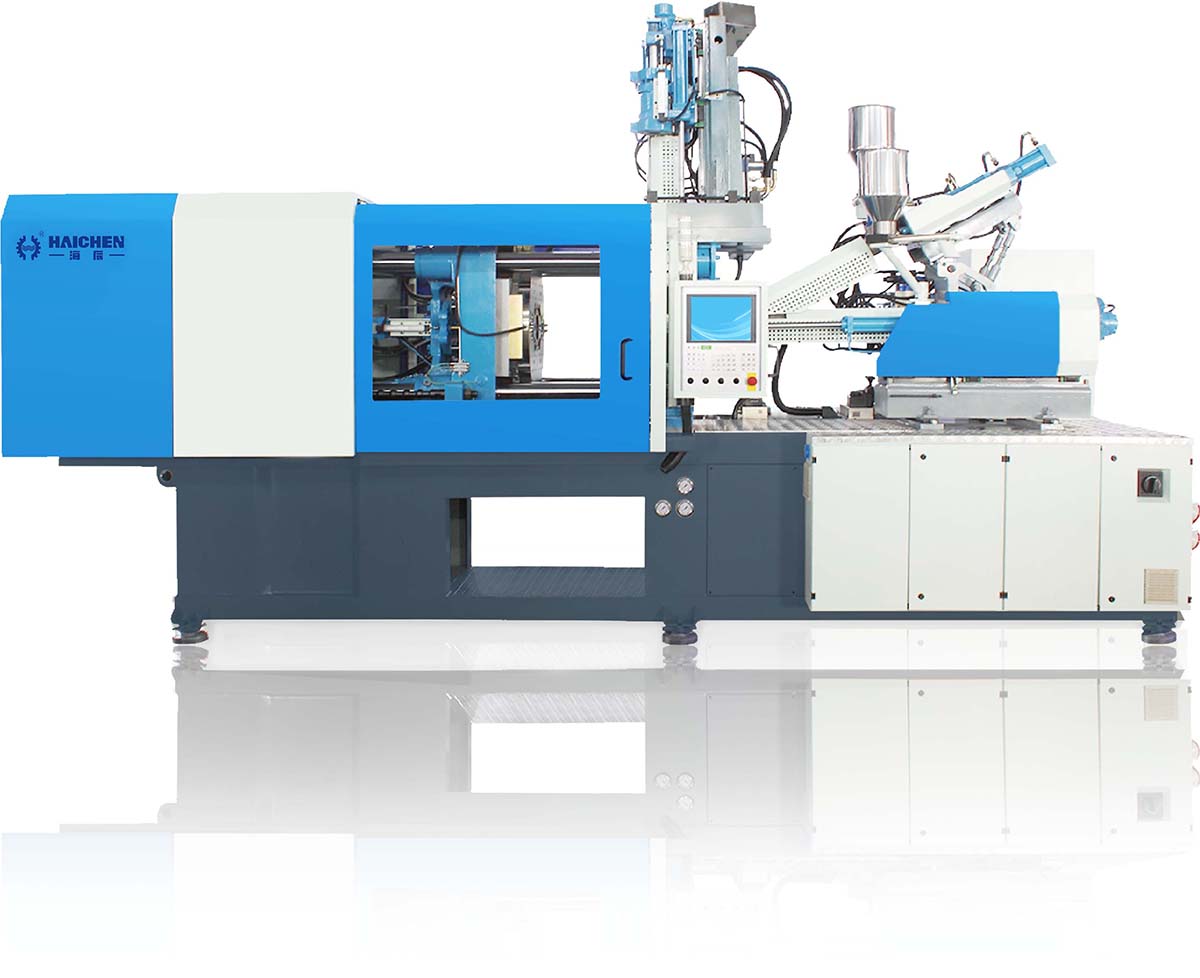
Modern Haichen plastic car lampshade injection molding machines usually use PLC (Programmable Logic Controller) or more advanced control systems to achieve precise control.
This includes temperature control, pressure control and time control to ensure product quality and productivity.
Haichen car lampshade plastic injection progress
Haichen’s plastic injection molding technology for automotive lampshades involves several aspects of research and application.
We, Haichen, provide total production solutions:
- Injection molding process design and analysis
- Automotive lampshade mould design and manufacturing
- Material selection and performance optimisation
- Multi-colour injection molding and two-colour lampshade
- Other related technologies
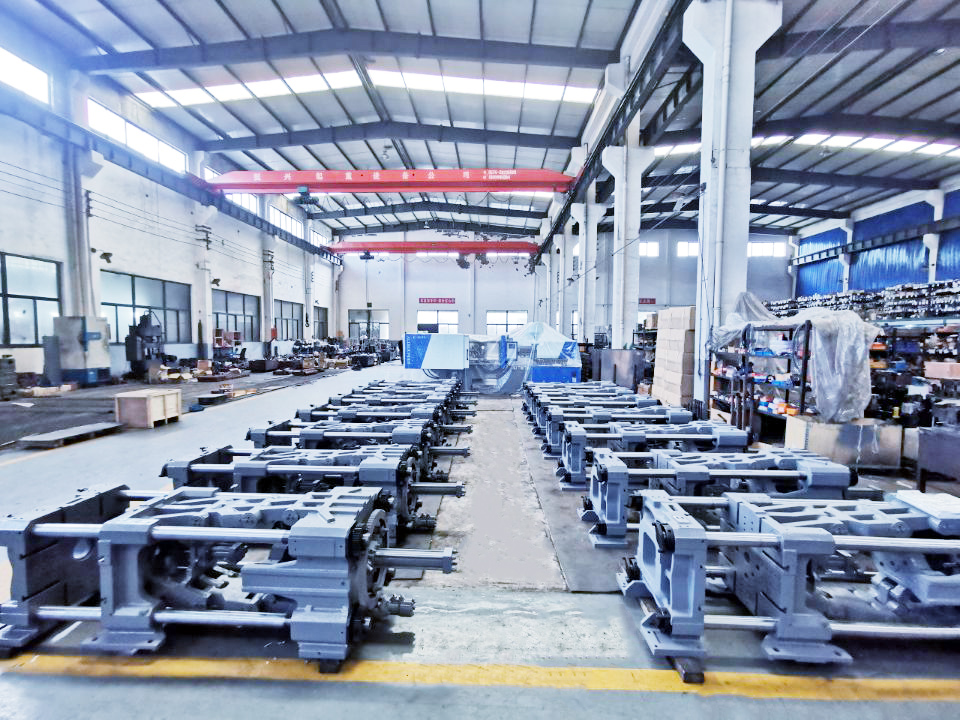
Injection molding process design and analysis:
Using Moldflow software to analyse the injection molding process solution for automotive lampshade.
It can determine the best molding process conditions and predict the possible problems in the molding process.
Through these analyses,we design the mould design to improve the quality of plastic part forming.
Haichen usually combines CAE simulation analysis during the design process to determine the optimum gate locations and process parameters.
This includes the prediction of melt flow, cooling process and warpage deformation to optimise the mould structure and molding process.
Automotive lampshade mould design and manufacturing:
The design of automotive lampshade moulds needs to consider the complex structure and working environment of the lampshade.
Some lampshade may need a combination of dynamic model core to complete the complex shaping of the inner hole, while simplifying the mould structure.
For large precision injection moulds, such as rear headlamp housings, Haichen will incorporate measures such as demolding slopes, chamfering patterns and reinforcement bars in the design.
In order to solve the sticky mould problem, and improve the temperature control system to improve the dimensional accuracy of plastic parts.
Material selection and performance optimisation:
Lampshades usually use transparent or translucent thermoplastic resins as the base material, add rare earth elements to achieve the luminous effect.
Certain lampshade materials add 10-30% by weight of luminescent pigments, which have a particle size of 120-300 microns.
Haichen’s car lampshade injection molding machine ensure the quality and performance of the moulded parts by precisely controlling parameters such as temperature, pressure and injection time.
In addition Haichen optimises parameters such as mould temperature, melt temperature, injection time and holding pressure to reduce warpage and deformation.
Multi-colour injection molding and two-colour lampshade:
As the demand for high performance and quality in automotive lampshades increases, two-colour or multi-colour injection molding techniques are widely using in lampshade manufacturing.
A multi-objective optimization study based on the BP-NSGA Ⅱ algorithm can achieve the optimization of the injection molding process parameters for two-color penetration lamps.
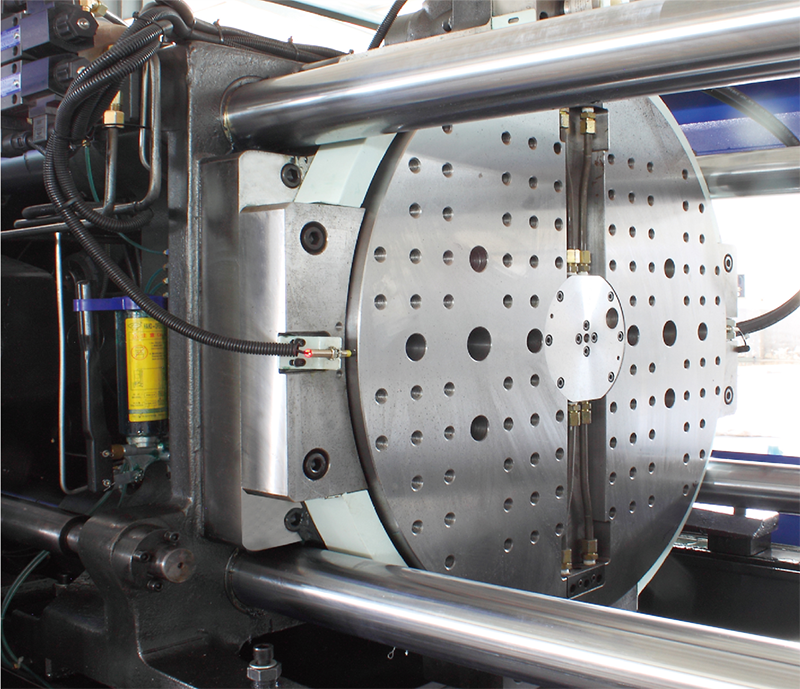
In the design of two-colour injection moulds, Haichen adopts a two-colour hot runner system to shorten the molding cycle time.
And improves the production efficiency by technical means such as sub-injection nozzle.
Other related technologies:
In some cases, the lampshade may also require additional functional treatments, such as automatic coating of reflective layers and protective films, to improve reflectivity and durability.
For some special-purpose lampshades, such as signal lamps or light guides.
Their design and manufacture may also involve specific process requirements and material selection.
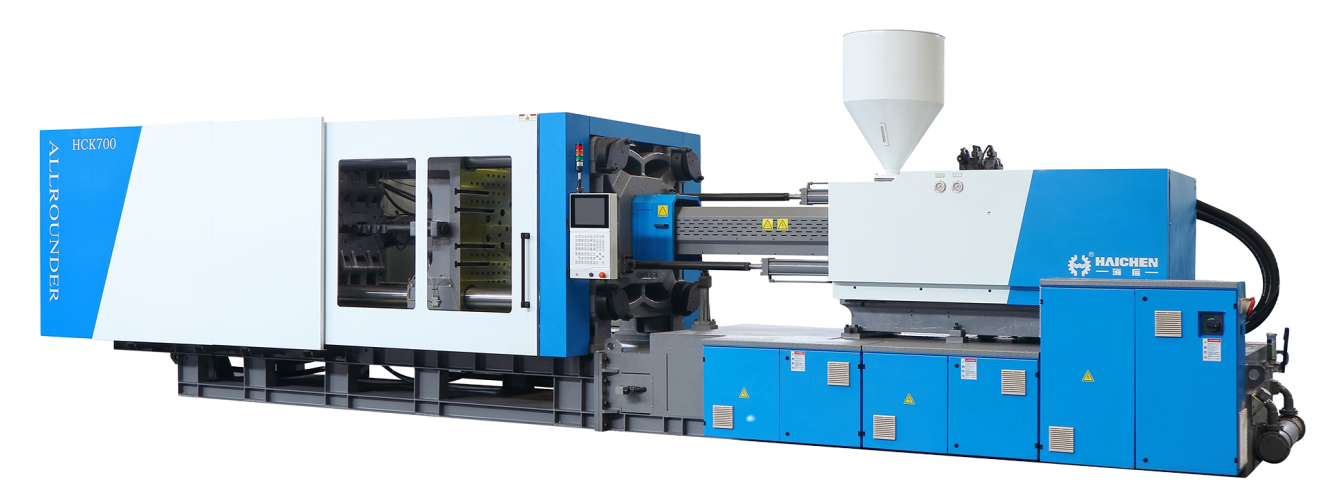
Plastic injection molding machine molding of automotive lamp shades is a complex and diverse field.
It involves many aspects such as mould design, material selection, process optimisation and functional handling.
Haichen offers you a one-stop solution for your plastic car lampshade production needs through a combination of advanced design and process.