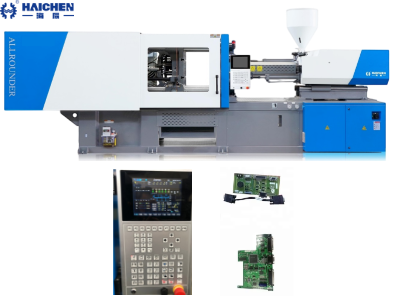
Tie bar design and engineering in injection molding focus on optimizing structural integrity, precision, and durability to ensure consistent part quality and machine reliability, while also facilitating efficient mold opening and closing operations.
As basic parts of an injection molding machine, Tie bars serve as essential components of an injection molding machine as they give basic support and precise alignment during injection filling.
Proper engineering and designing of the tie bars is essential for sustaining the machine’s structural stability, dependability, and overall functionality.
Efficiency and quality of the parts made by the machine is maximized by addressing the machine’s proper material, thermal expansion, and load distribution.
In this article, we discuss the engineering and designing of tie bars used in injection molding.

The core functions and structural principles of tie-bar injection molding machines
The tie bar is the core load-bearing component of the injection molding machine’s mold clamping system. It consists of four high-strength steel columns arranged in parallel, connecting the front mold plate, the moving mold plate and the rear mold plate to form a closed force frame. Its core functions include:
- Force transmission and rigidity guarantee: Bear the tensile load of the clamping force to prevent the mold from overflowing under the high melt pressure (usually 30-150MPa).
- Guide reference: Provide a precise linear guide for the moving mold plate to ensure that the parallelism of the opening and closing mold movement is ≤0.05mm/1000mm.
- Mold size limitation: The tie bar spacing (Space Between Tie Bars) directly determines the maximum width and height of the installable mold. For example, when the mold projection area exceeds the tie bar spacing, it needs to be rotated or the machine model needs to be changed.
Design parameter correlation:
- The rod diameter must satisfy the strength formula: σ = F_clamp / (0.785×Z×D²) ≤ [σ] ([σ] is the allowable stress, Z=4 rods).
- The material is 45 steel, quenched and tempered + chrome-plated, hardness ≥HRC45, roughness Ra≤0.8μm.
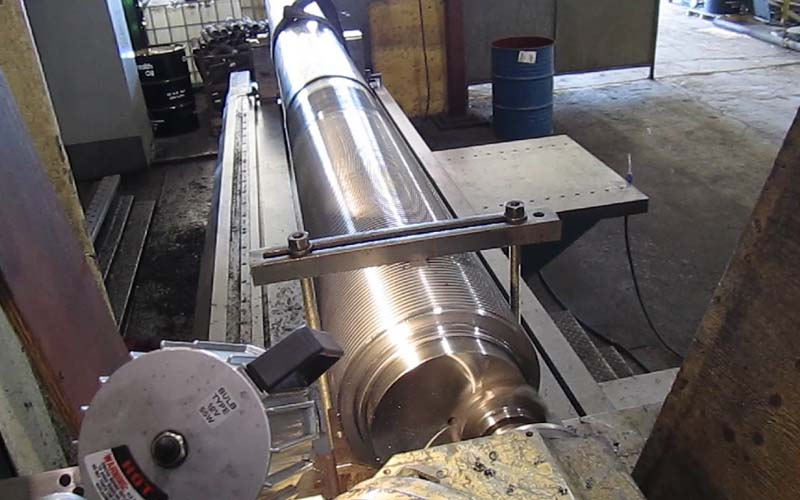
Importance of Tie Bar Design
- Structural Support
- Precision Alignment
Structural Support
During the operation of the injection molding machine, tie rods play an indispensable supporting role. They ensure that the mold position is stable and not deformed by resisting the high pressure generated during the injection process, which is crucial for the production of high-quality parts.
Precision Alignment
Accurate alignment is the core of ensuring the consistency of part quality. The rigid frame formed by the tie rods can firmly fix the upper and lower parts of the mold to avoid the risk of misalignment. If the tie rods are installed with deviations, problems such as part flash, incomplete injection molding or dimensional errors may occur. For this reason, HAICHEN injection molding machines specially use precision-machined tie rod structures to ensure production stability from a hardware level.
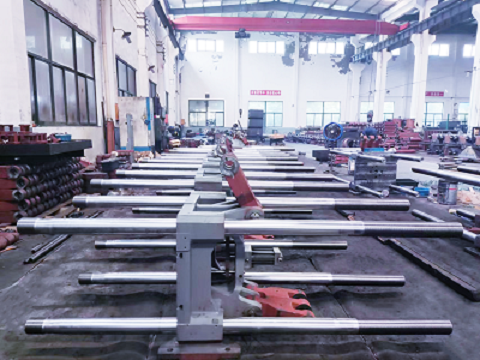
Key Design Considerations
- Material Selection
- Size and Configuration
- Load Distribution
Material Selection
The tie bars must be forged from a material which is both tough and resilient to endure the absolute pressure encountered during the injection molding process. And so, high strength steel or alloys are a good choice. Tie bars are critical components for reliable and long lasting injection molding. And so, during their production, HAICHEN ensures only top grade materials are used.
Size and Configuration
Inject molding machines come in different sizes which means they have different capacities, and as a result have different requirements for tie bars. More robust machines are thus provided with extra tie bars to increase their support. To cater to various types of machines, HAICHEN provides different configurations and sizes of tie bars.
Load Distribution
In the case of tie bars, proper load distribution is critical to prevent uneven load which might cause deformation or failure. Exerted forces during the injection process can be great and so, HAICHEN’s design engineers plan the load distribution with a great deal of precision to ensure the tie bars are more than capable of handling the forces.

Engineering for Optimal Performance
- Finite Element Analysis (FEA)
- Customization
Finite Element Analysis (FEA)
HAICHEN employs sophisticated FEA software to analyze and simulate stress and strain on the tie bars during the injection process. This enables the optimization of the design to ensure maximum strength. And minimal deflection, achieving consistency in performance and part quality.
Customization
HAICHEN recognizes that every injection molding application is different. Which is why we provide customized tie bar solutions to satisfy different requirements. No matter whether you need tie bars for a new machine designed. Or replacements for another machine, our engineers will provide you with the accurate solution.
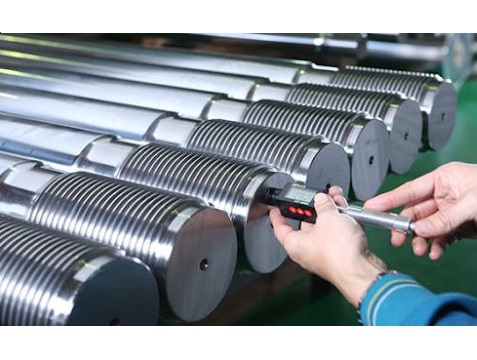
Differentiated design for application scenarios
| Field | Key points of tie rod design | HAICHEN solution example |
| Auto parts | Large tonnage clamping (>1000T) + High rigidity tie rod | Two-platen structure (even distribution of clamping force) |
| Electronic components | Small tie rod spacing (<400mm) + Electric drive | Full motor type (shooting speed ≥350mm/s) |
| Medical products | No lubrication point design + Corrosion-resistant coating (S136 steel) | Tie rod-free type (cleanliness first) |
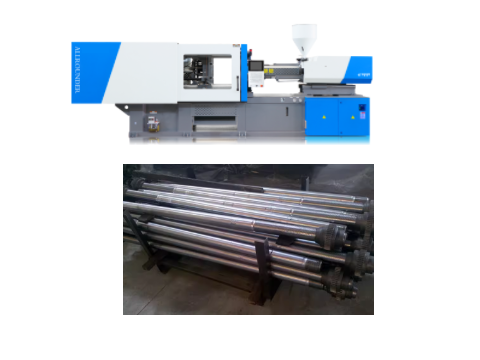
HAICHEN: Your Partner in Injection Molding Excellence
HAICHEN has specialized in the manufacturing of injection molding machines and the precision engineering of tie bars. Our machines are built for reliability, efficiency, and high production. With HAICHEN, you can rest assured knowing we have the right solution whether you are starting a new project or upgrading your existing equipment.
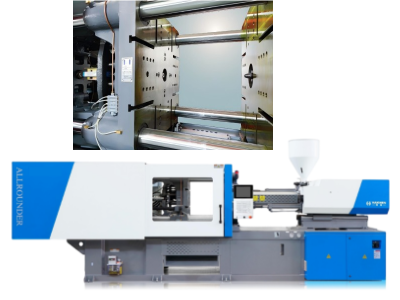
Optimization of the materials used, along with their size and configuration. As well as engineering techniques used impacts the stability and consistency of production enable and in turn, effective and accurate tie bar controllable.