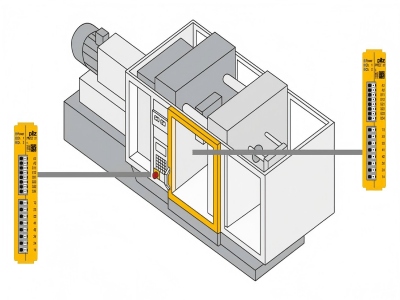
Smart hydraulic monitoring systems in injection molding leverage advanced sensors, IoT connectivity, and data analytics to optimize performance, reduce downtime, and improve energy efficiency. Here’s a breakdown of their key features, benefits, and implementation.
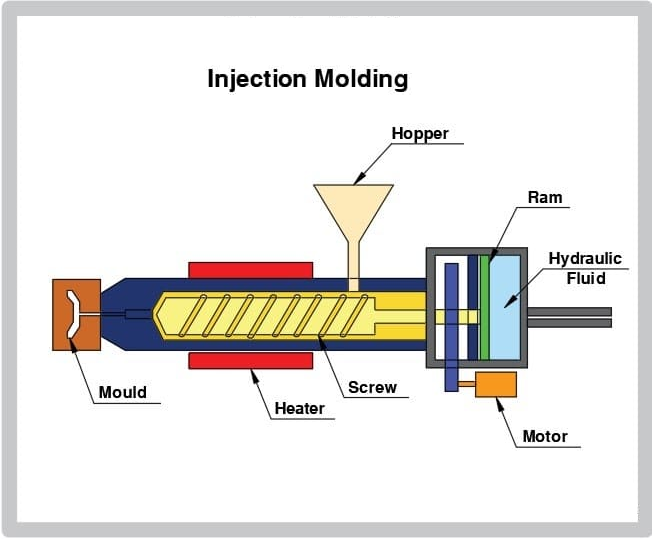
Hydraulic monitoring systems on injection molding: The pressure sensor monitors the pressure value of the hydraulic oil system of the injection molding machine in real time, and provides closed-loop control feedback signals (such as pressure, flow, etc.) for the stable operation of the hydraulic system to ensure the injection molding accuracy.
The application of intelligent hydraulic monitoring systems in injection molding is one of the important directions of injection molding technology development in recent years. These systems significantly improve the efficiency, quality and reliability of the injection molding process by integrating advanced sensors, real-time data acquisition and analysis technology, and intelligent control algorithms.
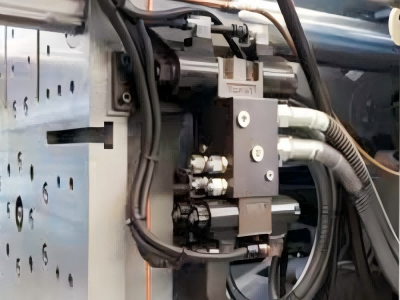
Sensors and Data Acquisition
- Smart hydraulic monitoring systems rely on a variety of sensors to monitor key parameters in the injection molding process in real time, including pressure, temperature, speed, and position.
- For example, PT100 series sensors, which can withstand cyclic pressure, are used to measure the injection and clamping pressures of the injection molding machine, thereby providing information on the stability of the injection system. Additionally, sensors can detect changes in pressure and temperature inside the mold, helping to achieve precise control of the production process.
Sensor Types and Functions of Smart hydraulic monitoring systems
Cavity Pressure Sensors
Directly installed in the mold, these sensors provide key data during the injection process (such as peak pressure and holding pressure curves). They are core sensors for monitoring injection quality. These data can be used to optimize process parameters, reduce scrap, and detect defects (such as flash and underfill) in real time.
Temperature Sensors
Monitor in-mold resin temperature, mold surface temperature, and coolant temperature to ensure material fluidity and cooling efficiency, preventing product deformation (such as warping and sink marks) caused by temperature fluctuations.
Hydraulic Pressure Sensors
Integrated into the hydraulic circuit, these sensors monitor injection and holding pressures in real time, providing feedback for closed-loop control and ensuring stable operation of the hydraulic system.
Flow Sensors
Track melt flow rate, optimize material usage, and prevent uneven filling.
Vibration Sensors (Accelerometers)
Used for predictive maintenance, detecting abnormal mold vibration and preventing mechanical failure.
Position Sensors
Monitor mold opening and screw position to ensure precision.
Real-Time Monitoring and Data Analysis
- Modern injection molding machines are equipped with real-time monitoring capabilities. It can record and analyze key variables in the injection molding process. For example, through integrated sensors and data acquisition systems, the pressure in the hydraulic circuit can be monitored in real time and transmitted to the central control system for analysis.
- This real-time data transmission not only enhances production transparency but also allows for rapid response to parameter deviations. Moreover, some systems use big data technology to analyze production data to identify potential anomalies and optimize the production process.
Hydraulic System Monitoring
Pressure sensors monitor the injection molding machine’s hydraulic circuit pressure in real time, providing feedback to the closed-loop control system to ensure stable hydraulic system operation. For example, continuous monitoring of circuit pressure using a pressure transmitter can instantly detect abnormal fluctuations.
Mold-embedded sensors
Mold-embedded sensors (such as pressure and temperature sensors) continuously collect key parameters (temperature, pressure, cycle time, etc.) during the injection process and transmit this data in real time to a cloud platform via IoT devices.
AI-driven analysis
AI algorithms analyze real-time data (such as mold temperature, material viscosity, and pressure changes) and automatically adjust parameters to reduce defects.
Optimizing Quality and Efficiency
Using cavity pressure sensor data to determine the optimal process window and reduce scrap rates.
The hybrid injection molding machine automatically optimizes machine settings to shorten cycle times by analyzing temperature, pressure, and other indicators in real time.
Energy Management and Environmental Protection
- Smart hydraulic monitoring systems also focus on energy management. For example, some injection molding machines use a combination of variable displacement pumps and enhanced pumps in intelligent pump systems. It can reduce energy consumption while maintaining high precision.
- Moreover, by intercepting power peaks and evenly distributing energy demand, these systems can maintain a stable energy consumption level throughout the entire cycle.
Real-time Energy Consumption Monitoring and Optimization
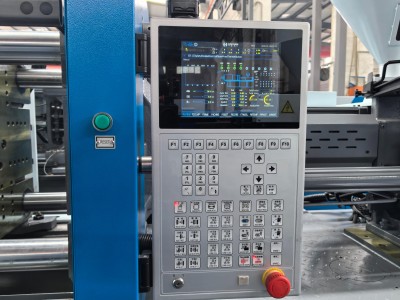
The system’s ecograph function displays current and previous cycle energy consumption data in real time, helping operators compare and analyze energy efficiency differences.
The hydraulic system accounts for 75-80% of the total energy consumption of the machine. The intelligent variable frequency drive can accurately match the flow demand, saving more than 40% of the energy
Intelligent Control Algorithm
Sensors monitor parameters like temperature and pressure in real time, and algorithms dynamically adjust process parameters (such as injection speed and hold time) to ensure only necessary energy is consumed.
Optimizing the nozzle structure can reduce melt flow resistance and directly reduce energy consumption in the plasticizing stage
Remote Monitoring and Maintenance
- Some smart hydraulic monitoring systems support remote monitoring functions, allowing operators to view production status and equipment parameters in real time via the Internet.
- This remote monitoring capability not only improves production efficiency but also reduces the need for on-site maintenance.
Sensor Deployment
Sensors are deployed in the hydraulic circuit (such as pressure sensors), inside the mold, and in key locations on the injection molding machine to collect real-time data such as pressure, flow, and temperature. Data is transmitted to a cloud platform or local server via the Internet of Things (IoT).
Smart MOLD
This cloud-based software platform supports real-time data monitoring, maintenance reminders, downtime tracking, and other functions. It is compatible with equipment from multiple brands and supports data access from injection molding machines.
System Advantages of Smart hydraulic monitoring systems
Improve Product Quality:
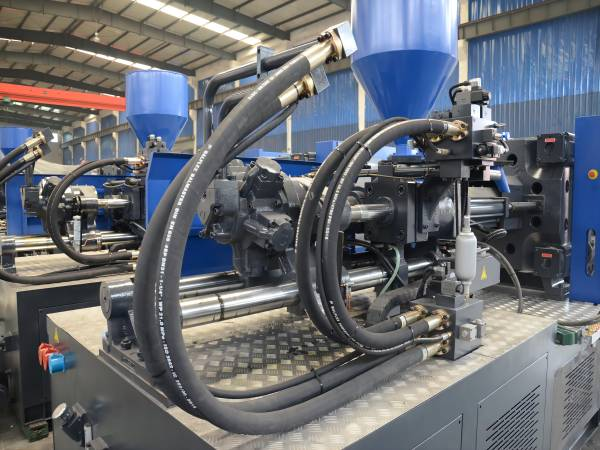
By monitoring hydraulic parameters in real time, the system ensures the stability of the injection molding process, reduces product defects caused by hydraulic system fluctuations, and enhances the consistency of product quality.
Increase Production Efficiency:
The system precisely controls the hydraulic system to reduce production interruptions caused by hydraulic issues and optimizes the production process to shorten the molding cycle.
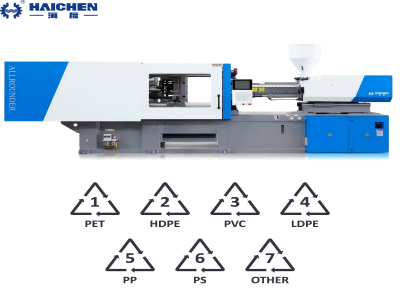
Injection molding machine supplier: Haichen Machinery
Haichen’s hydraulic IMMs can be retrofitted with smart monitoring solutions. Key considerations:
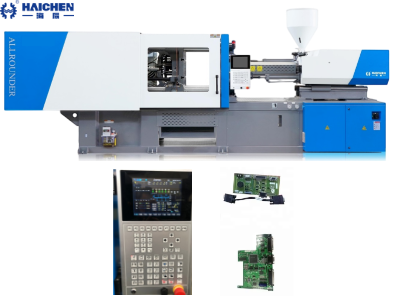
PLC Interface: Haichen machines typically use Siemens or Mitsubishi PLCs, which support IoT integration.
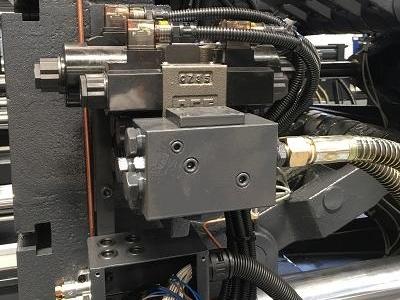
Hydraulic Components: Pumps, valves, and cylinders can be equipped with pressure, temperature, and flow sensors.
If there is any demand, welcome to consult us.