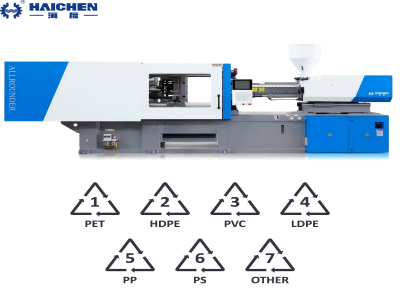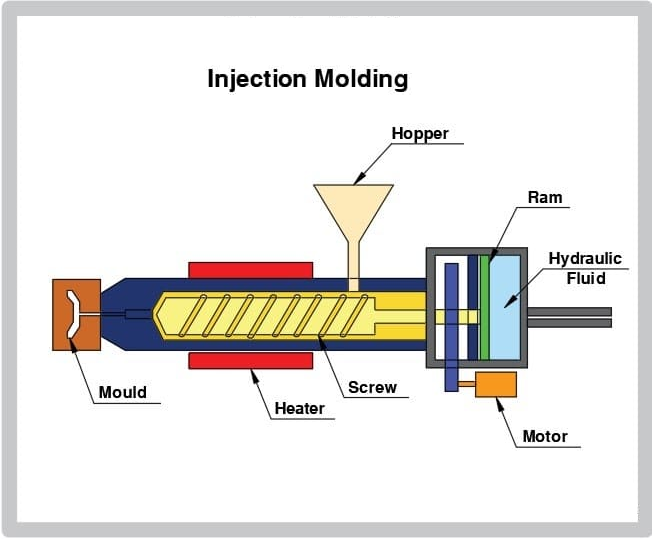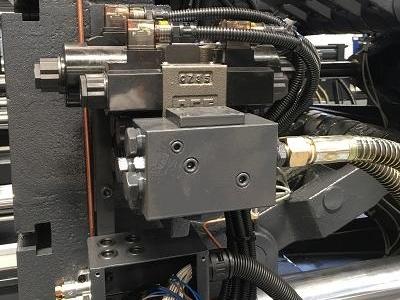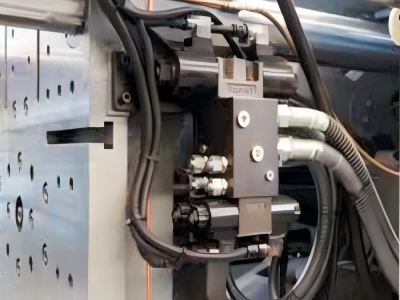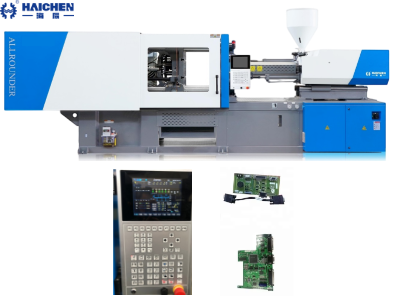
Role of hydraulic oil is similar to the blood system of machine, main functions include power transmission, lubrication,contamination control.

Hydraulic fluids play a vital role in injection molding machines.
It not only for power transmission and lubrication, but also for cooling, sealing, and contamination control.
Therefore, choosing the right hydraulic fluid and carrying out proper maintenance are key factors in ensuring the efficient operation of injection molding machines.
Three key roles of hydraulic oil in injection molding machines
As many mechanical industries require power transmission and smooth operation, each subtle step requires hydraulic oil to help operate.
Then the injection molding machine is similar to many industrial equipment.
- Power transmission:
- Lubrication
- Contamination Control
Power transmission:
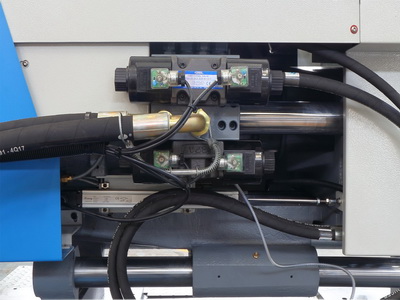
Hydraulic oil is the core medium of the hydraulic system of the injection molding machine
Which transmits mechanical energy through the pressure of the liquid to drive the various parts of the machine to work.
The incompressible nature of the hydraulic fluid in the system allows it to efficiently transmit pressure, ensuring precise control and operation during the injection molding process.
Lubrication:
Hydraulic oil plays a lubricating role in the injection moulding machine, reduces the friction and wear between moving parts, and prolongs the service life of the equipment.
Good lubrication prevents mechanical failure and improves system reliability and efficiency.
Contamination Control:
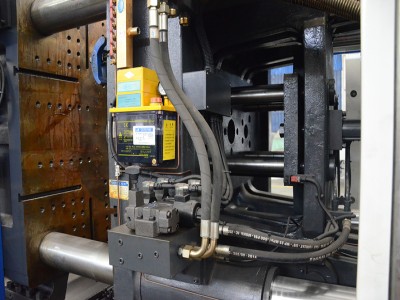
Hydraulic fluids also act as seals to prevent external contaminants from entering the system。
While capturing and suspending contaminants in the system and removing them through filters, thus protecting the integrity of the system.
How does hydraulic oil deliver power
The power delivery process of the hydraulic oil of the injection molding machine is mainly realized through the hydraulic system.
Which includes power components, control components, and execution components.
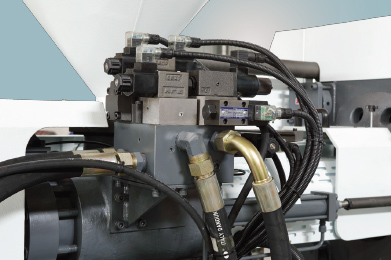
Specifically, hydraulic oil as a working medium, through the following steps to complete the power delivery:
- Power conversion
- Pressure transfer
- Execution of action
- Feedback control
- Circulation circuit
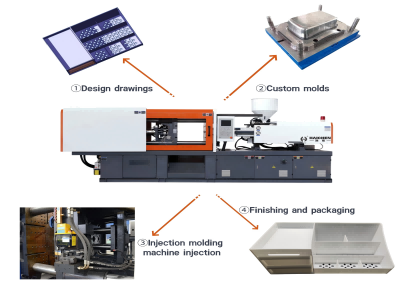
Power conversion:
Hydraulic pumps (usually motor-driven oil pumps) will be converted into mechanical energy hydraulic oil pressure energy.
This process converts the rotary motion of the motor into the pressure energy of the hydraulic fluid.
Pressure transfer:
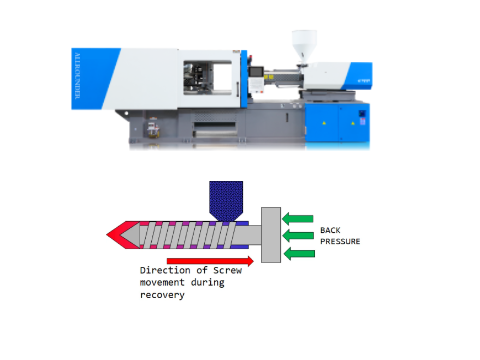
Hydraulic fluid flows in high-pressure lines, regulating pressure and flow through control valves (such as pressure, flow, and directional valves)
These ensure that the hydraulic fluid is delivered to the actuator.
Execution of action:
The hydraulic fluid reaches the actuating element, and the pressure energy is converted into mechanical energy to drive the load for linear or rotary motion.
Feedback control:
They are usually equippingd with feedback devices to monitor and regulate the output of the actuators (e.g., displacement, speed, force, etc.).
Theses parts to ensure precise control and stable operation of the system.
Circulation circuit:
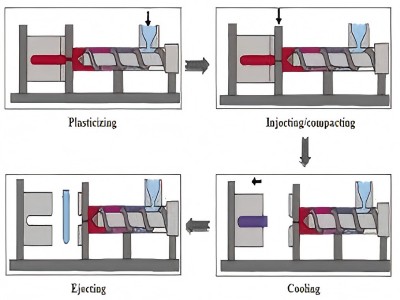
After completing the action, the hydraulic oil returns to the tank through the return pipeline, forming a closed loop system to ensure the continuous operation of the hydraulic system.
The advantage of the hydraulic system of injection molding machine lies in its powerful force output and speed adjustment range.
Which can meet the needs of different processes such as injection, injection, cooling, mould opening, etc., and has high working stability and reliability.
However, the system also presents challenges such as high energy consumption, high noise levels, and high maintenance costs.
What kind of hydraulic oil is normally used?
Injection moulding machines generally use anti-wear hydraulic oils, especially No. 46 or No. 68 anti-wear hydraulic oils.
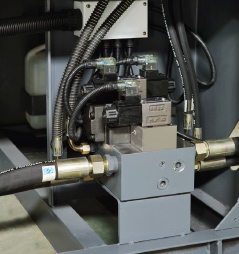
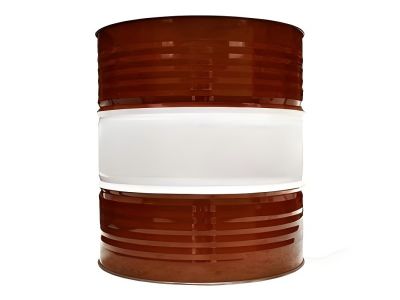
These hydraulic oils have good anti-wear, anti-rust, and anti-oxidation properties, which can reduce friction, improve efficiency, and protect the hydraulic system of the injection molding machine under high-pressure and high-temperature working environment.
injection molding machines usually use No. 46 or No. 68 anti-wear hydraulic oil, and select the appropriate viscosity and performance according to the specific working conditions, in order to ensure the efficient and stable operation of the injection molding machine.