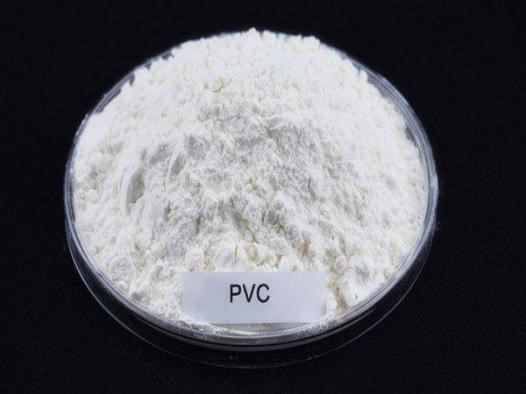
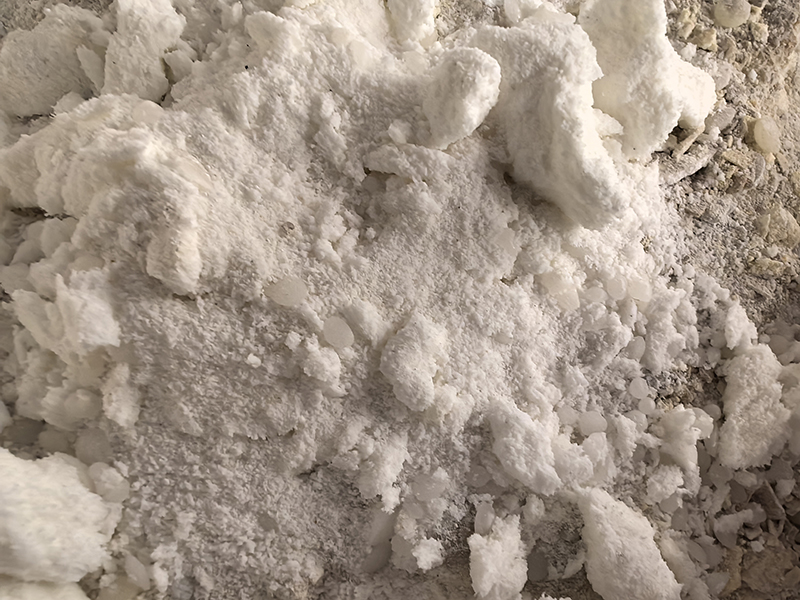
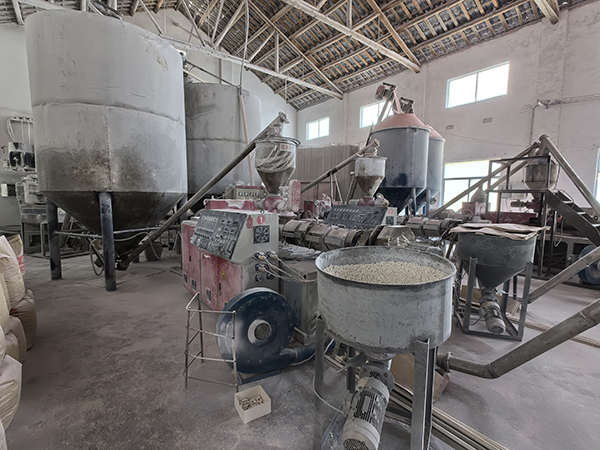
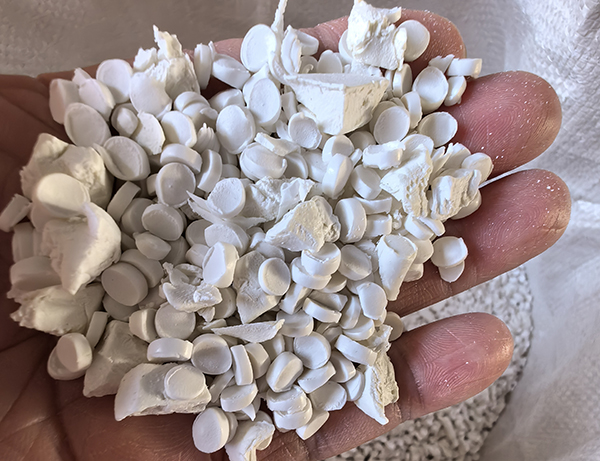
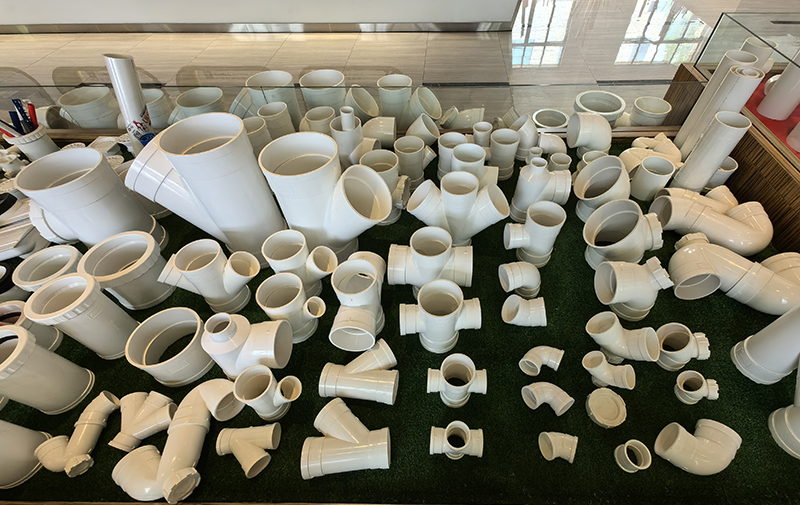
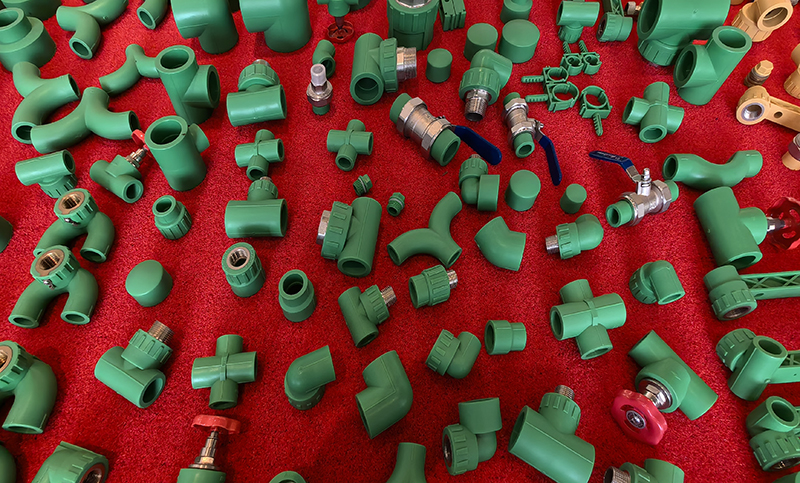
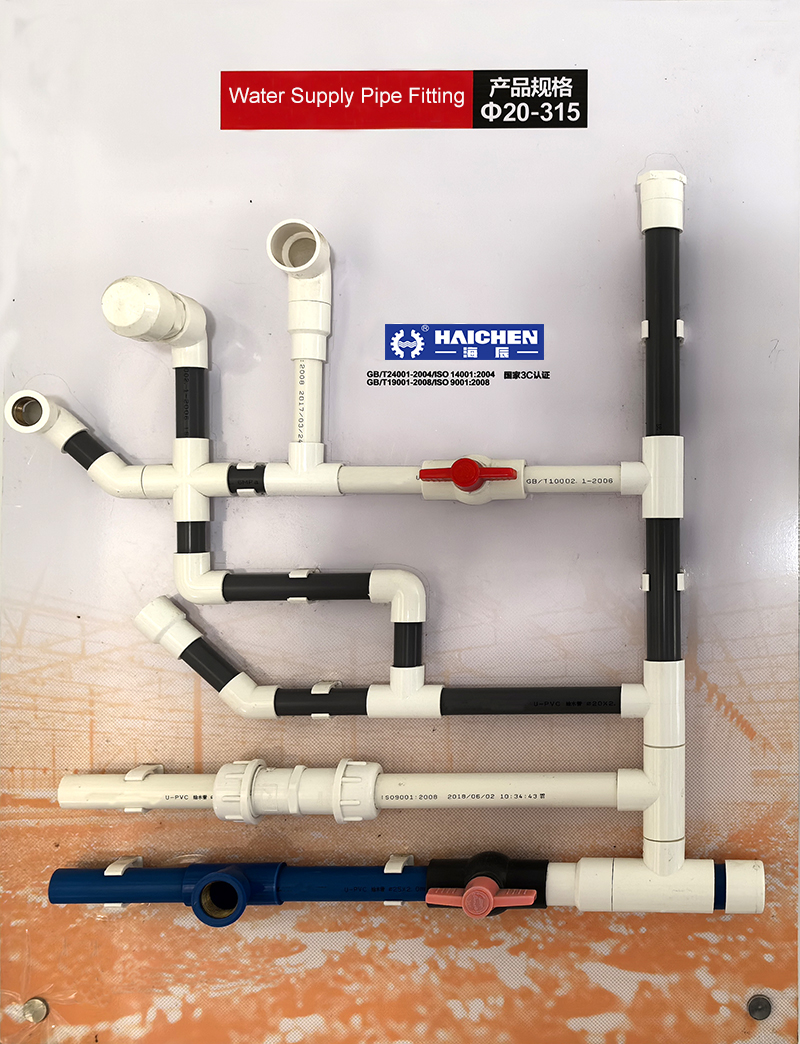
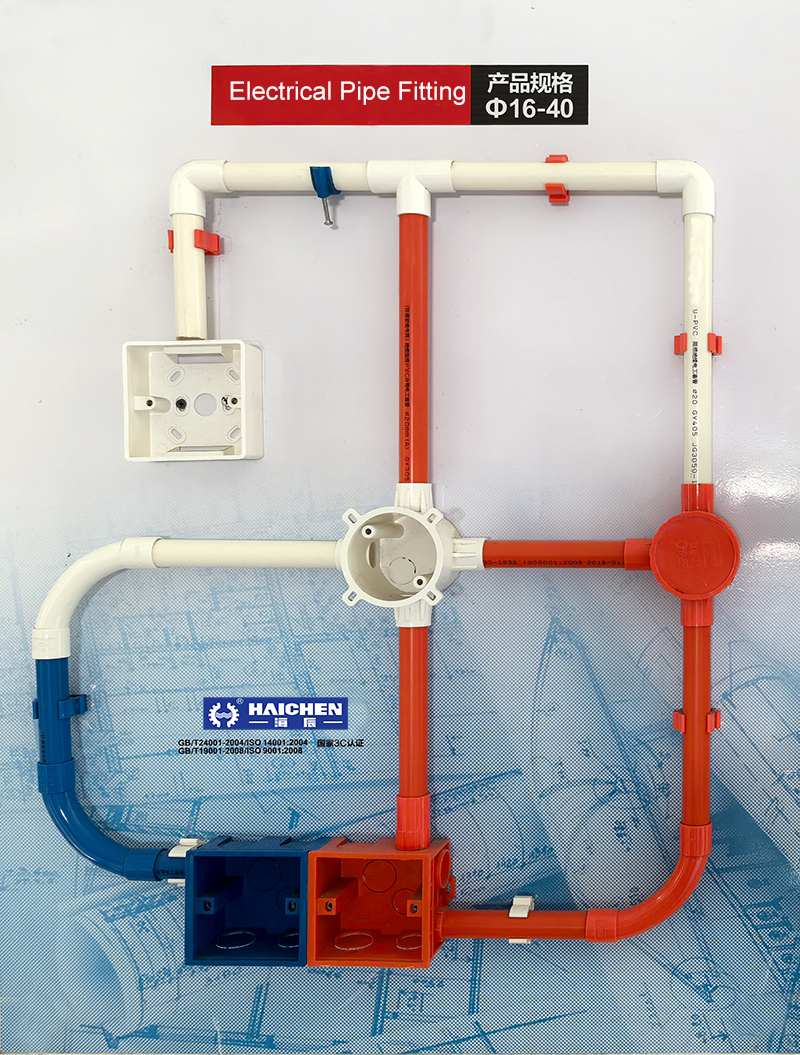
There are two forms of PVC (polyvinyl chloride): rigid polyvinyl chloride and flexible polyvinyl chloride. Sometimes we also name it “soft PVC” and “hard PVC”.What’s the difference between a flexible and rigid PVC?
1. The content of plasticizers different
Flexible PVC with added plasticizers is relatively softer and has the characteristic of being “rubber”. For example: garden hoses, medical blood bags.
However, rigid PVC compounds hardly add plasticizers, which maintains the hardness of PVC.
2. Different physical properties
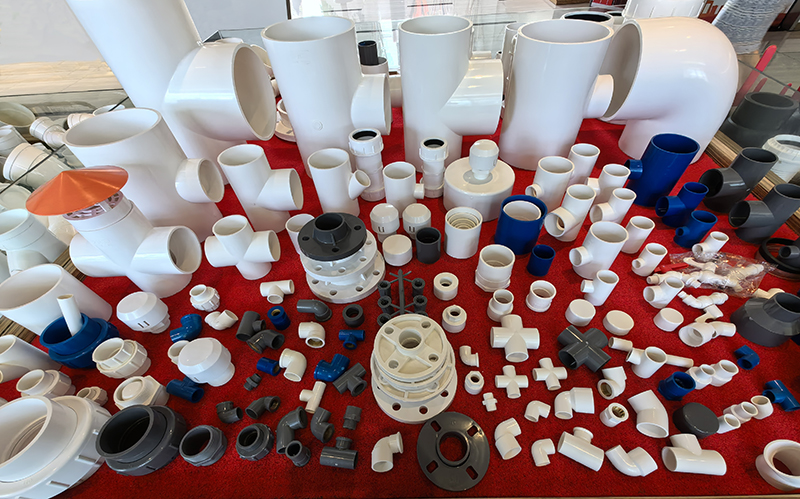
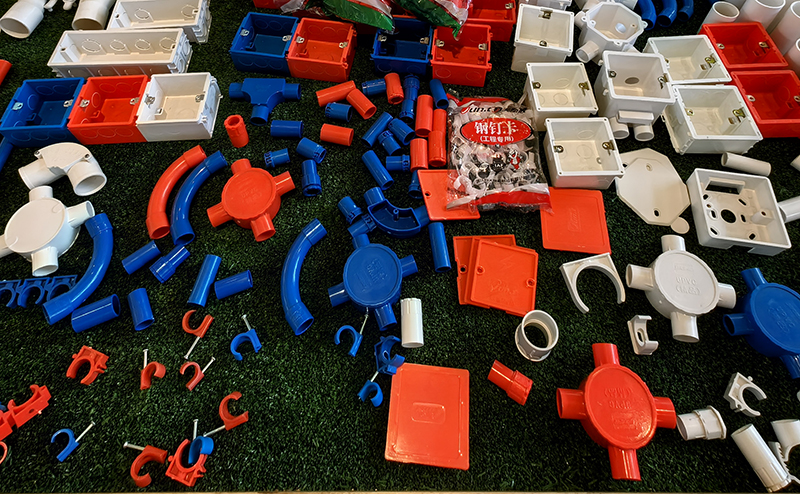
Hard PVC compounds are usually denser and harder, making them sturdy and durable; Flexible PVC compounds are flexible, making their applications more diverse.
Advantages and disadvantages: Hard PVC may be stronger and more durable, while flexible PVC can be made into materials that are resistant to chemical and liquid damage.
3. Different uses
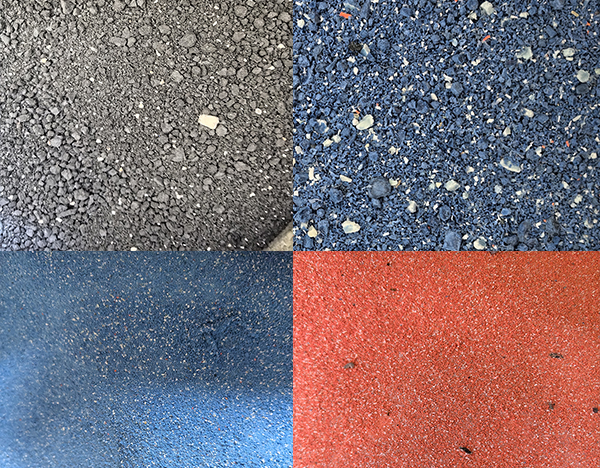
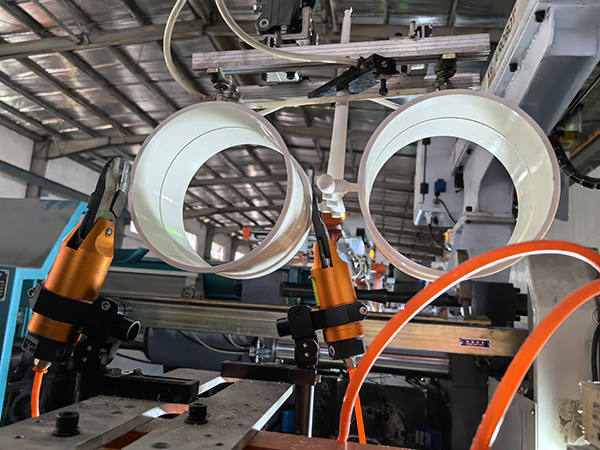
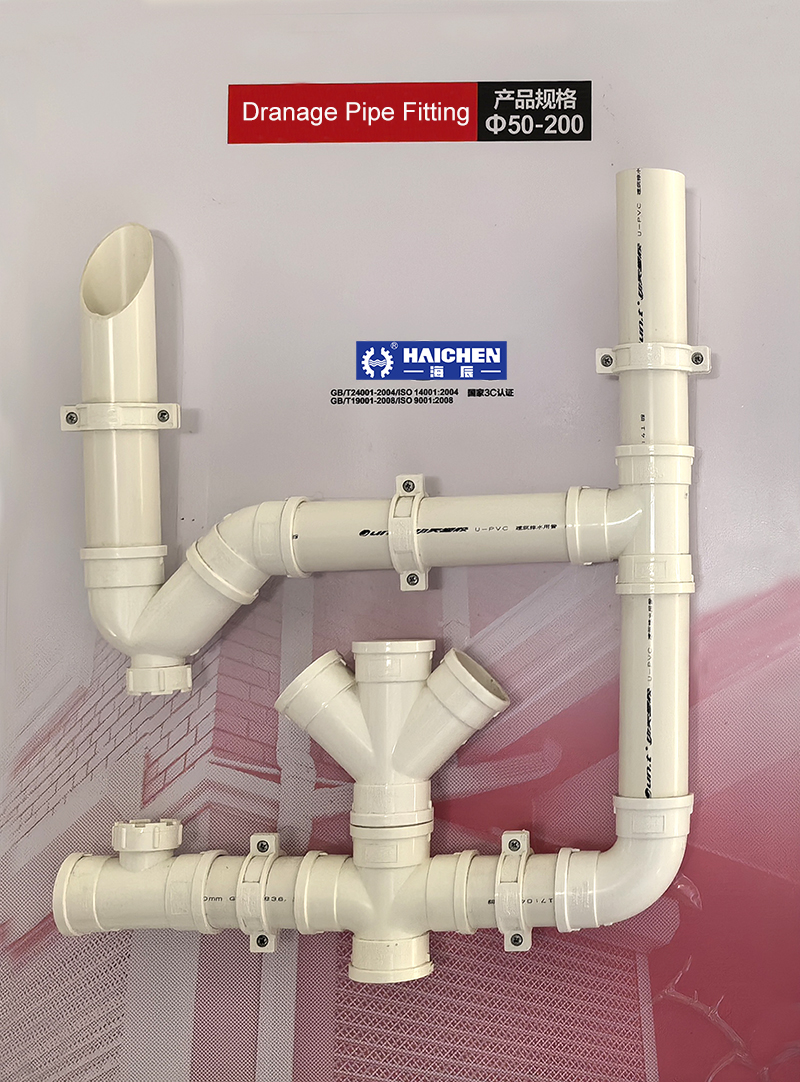
Rigid PVC is more suitable for external protective purposes, such as wall cladding, eaves, and drainage pipes. Flexible compounds can provide different applications, such as being used as materials for manufacturing medical blood bags, rubber boots, and even summer beverage coasters.
PVC performance: high impact strength, low tensile strength, easy to form, low temperature resistance, low stiffness, low chemical resistance, etc.
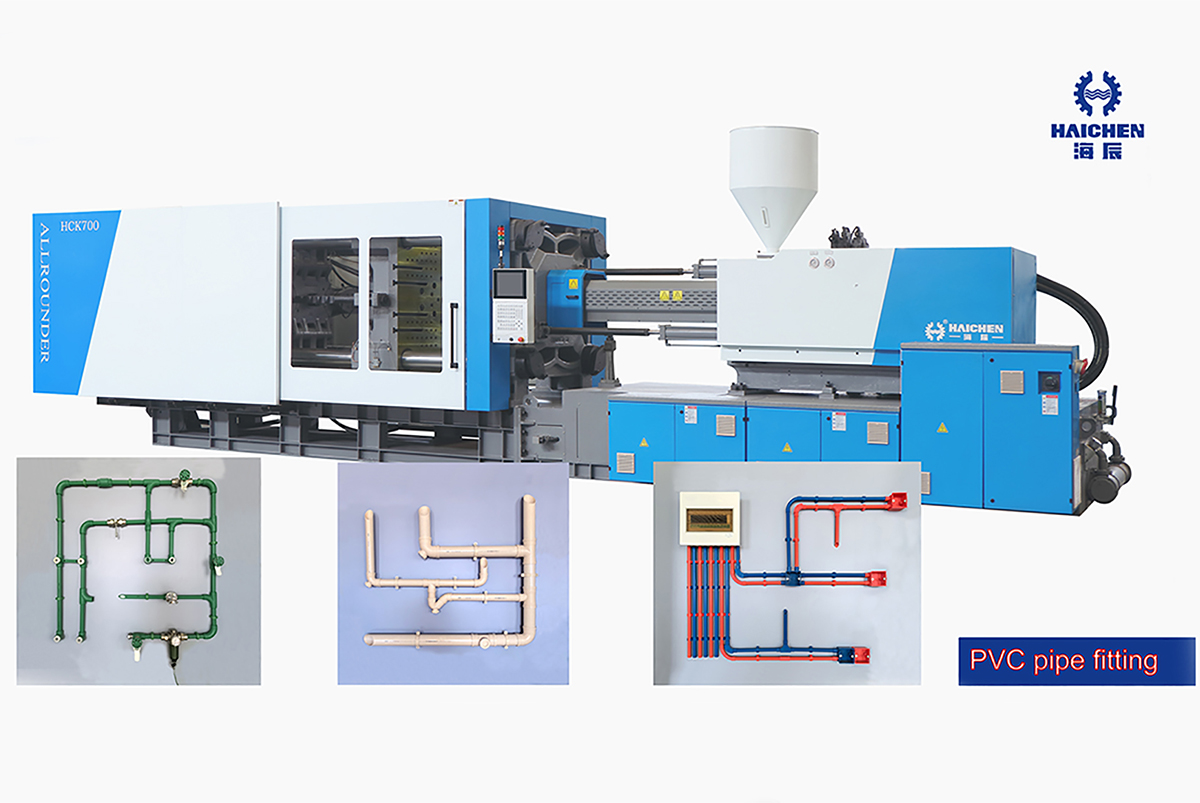
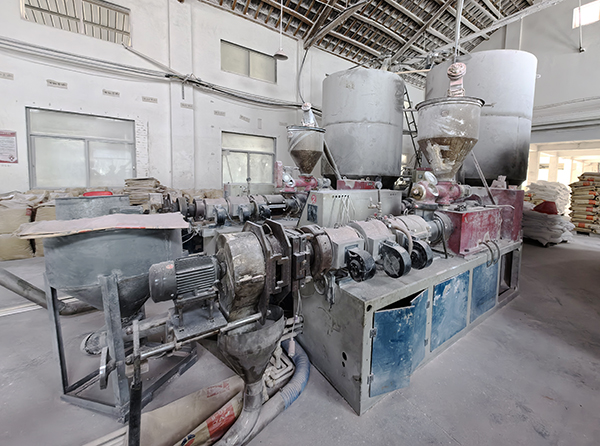
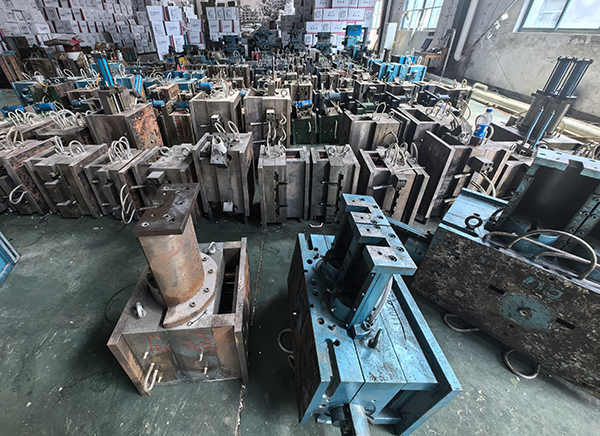
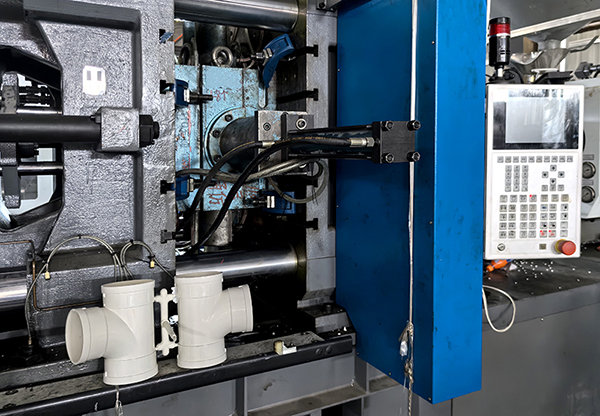
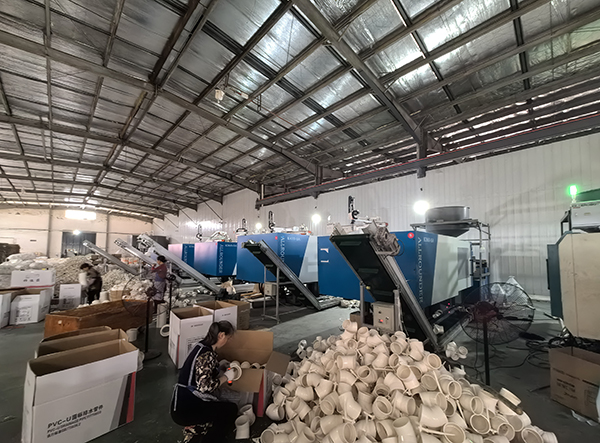
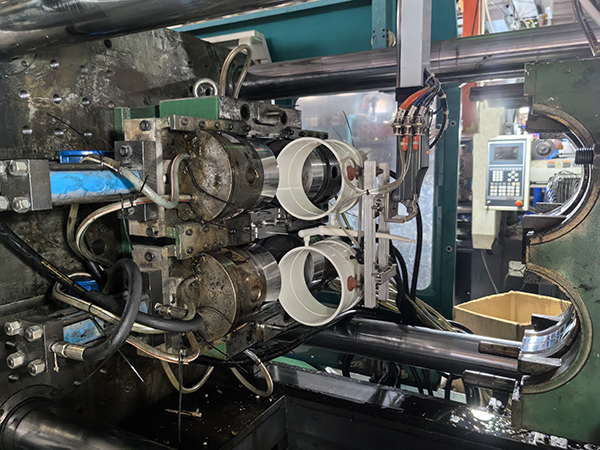
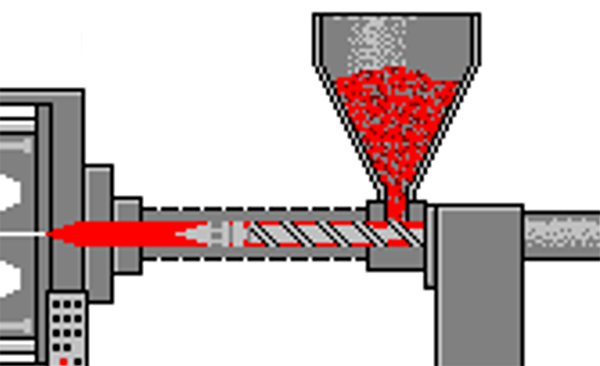
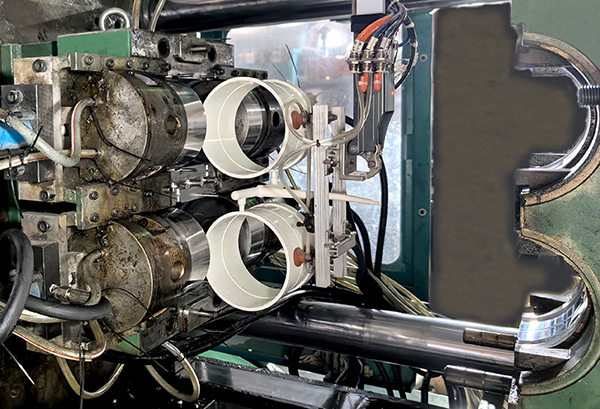
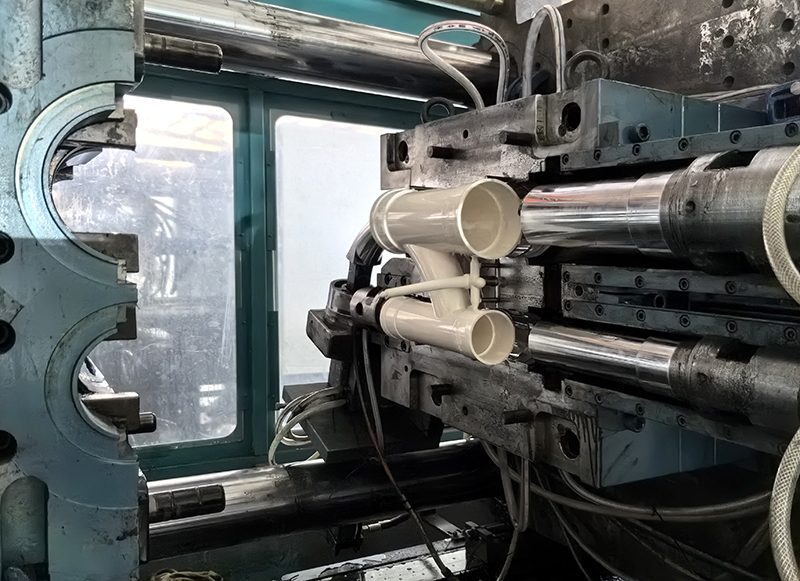
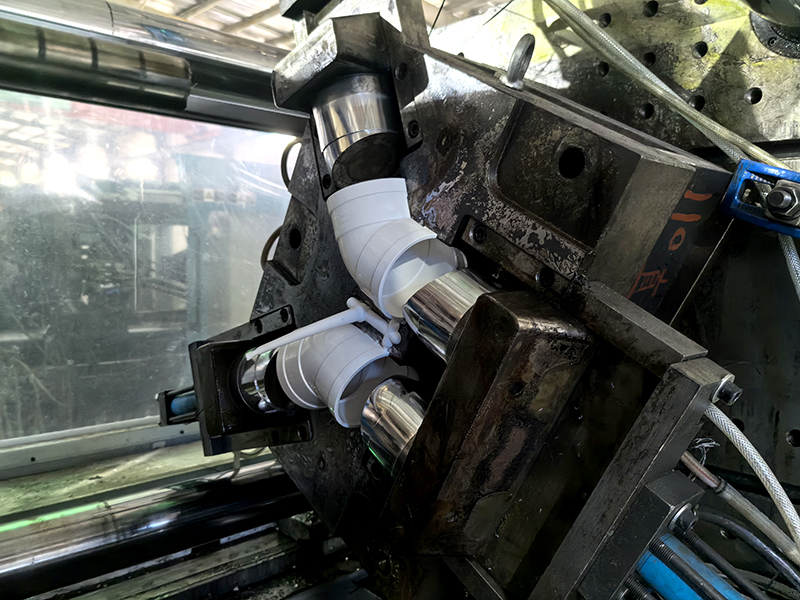
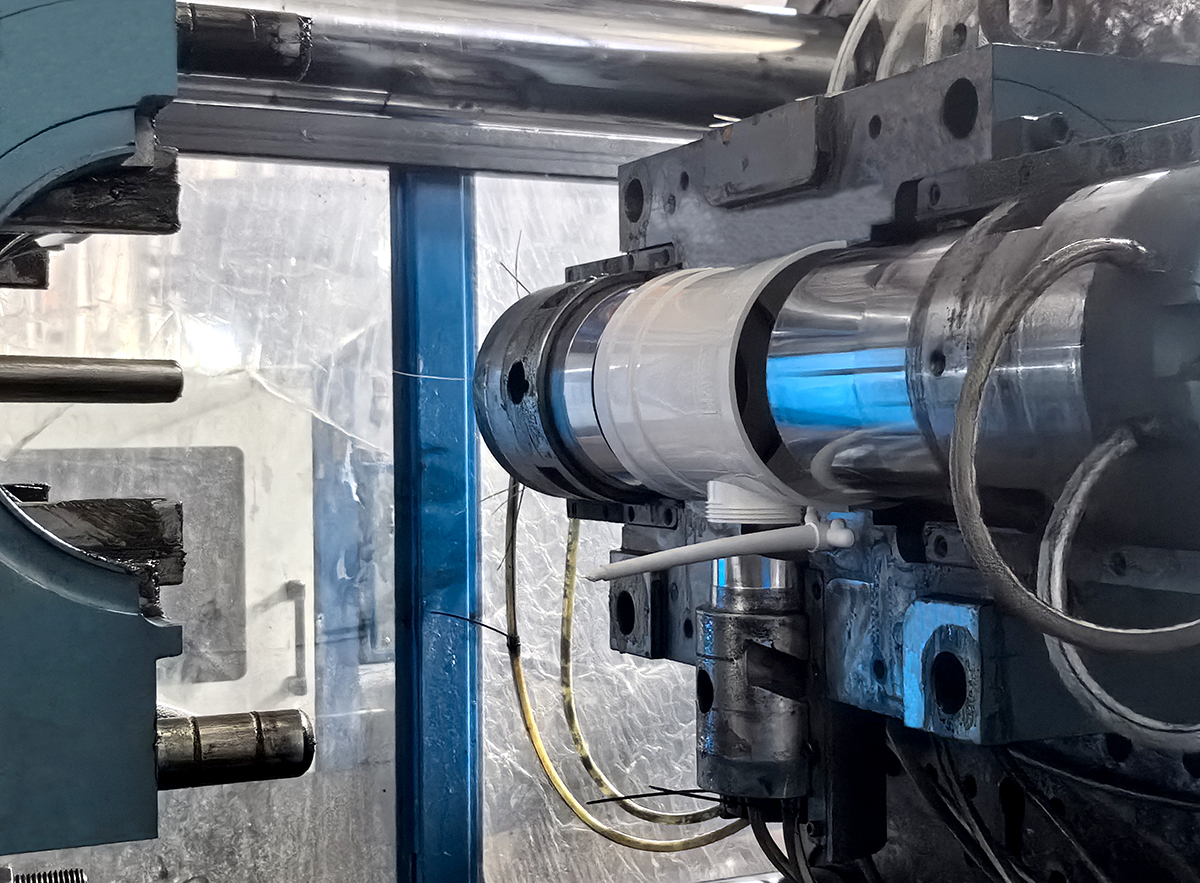
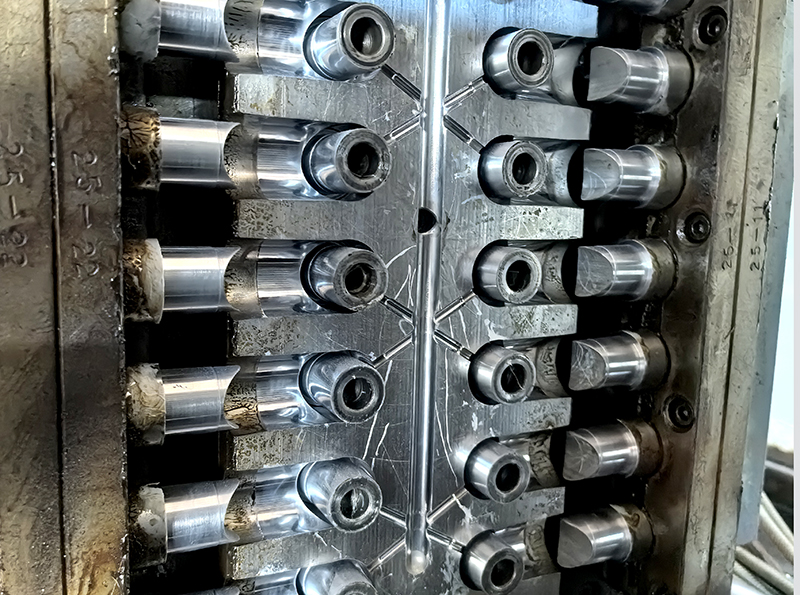
Moreover, injection molded PVC has the following advantages: economic, easy to recycle, and therefore environmentally friendly.
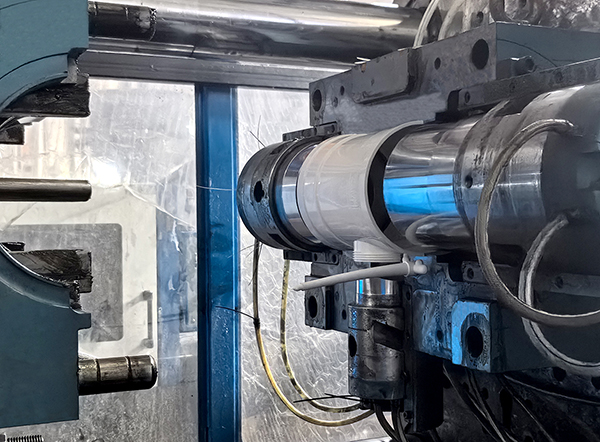
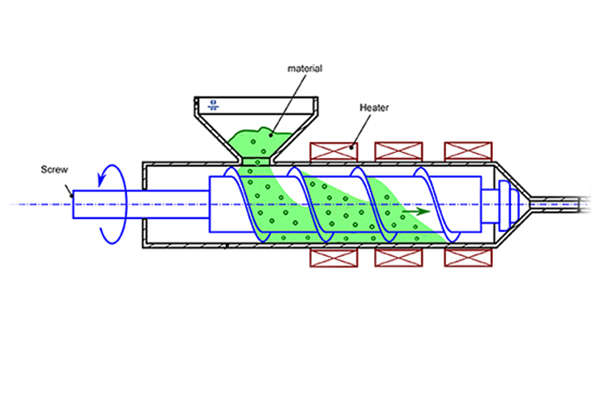
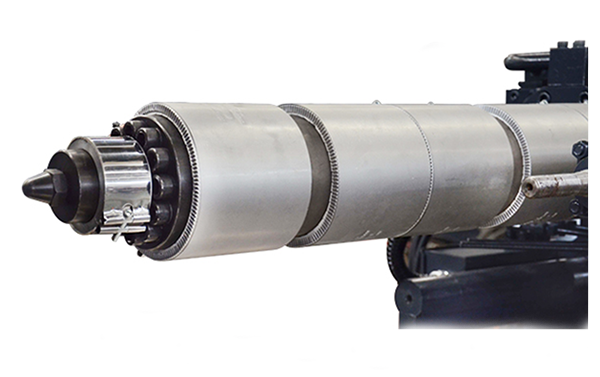
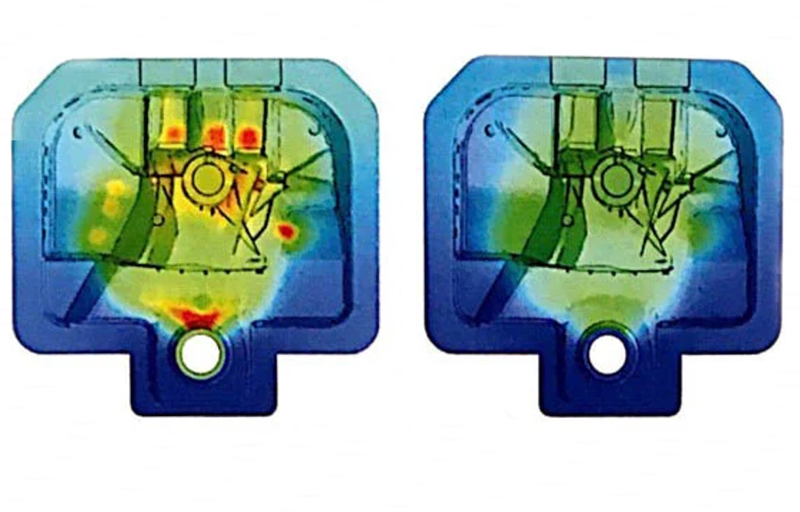
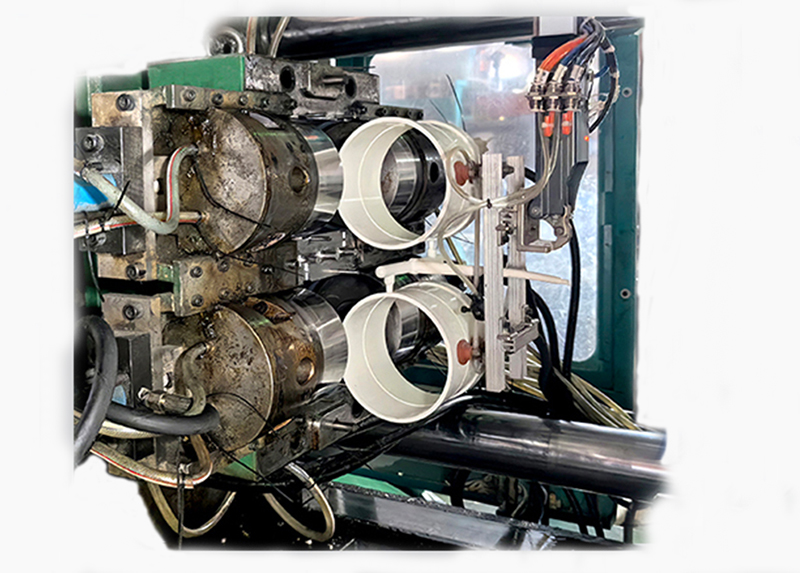
It should be noted that in the injection heating of PVC materials, temperature control is required. Due to internal shear heat, the temperature can be too high, leading to degradation and release of harmful gases. And the color of the finished product turns yellow, reducing its service life