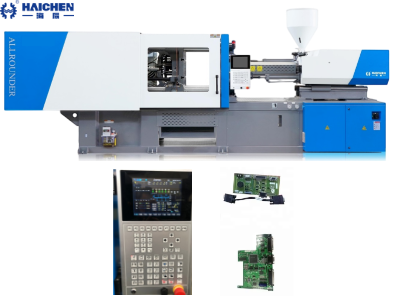
Precautions for safe operation of injection molding machines are to ensure the safety of the personnel and integrity of production process.
Injection molding machines are essential in the manufacturing industry for producing plastic parts. However, these machines require careful operation to ensure the safety of the personnel and the integrity of the production process.
This article delves into the precautions necessary for the safe operation of injection molding machines, highlighting the importance of adhering to safety protocols to prevent accidents and maintain efficiency.
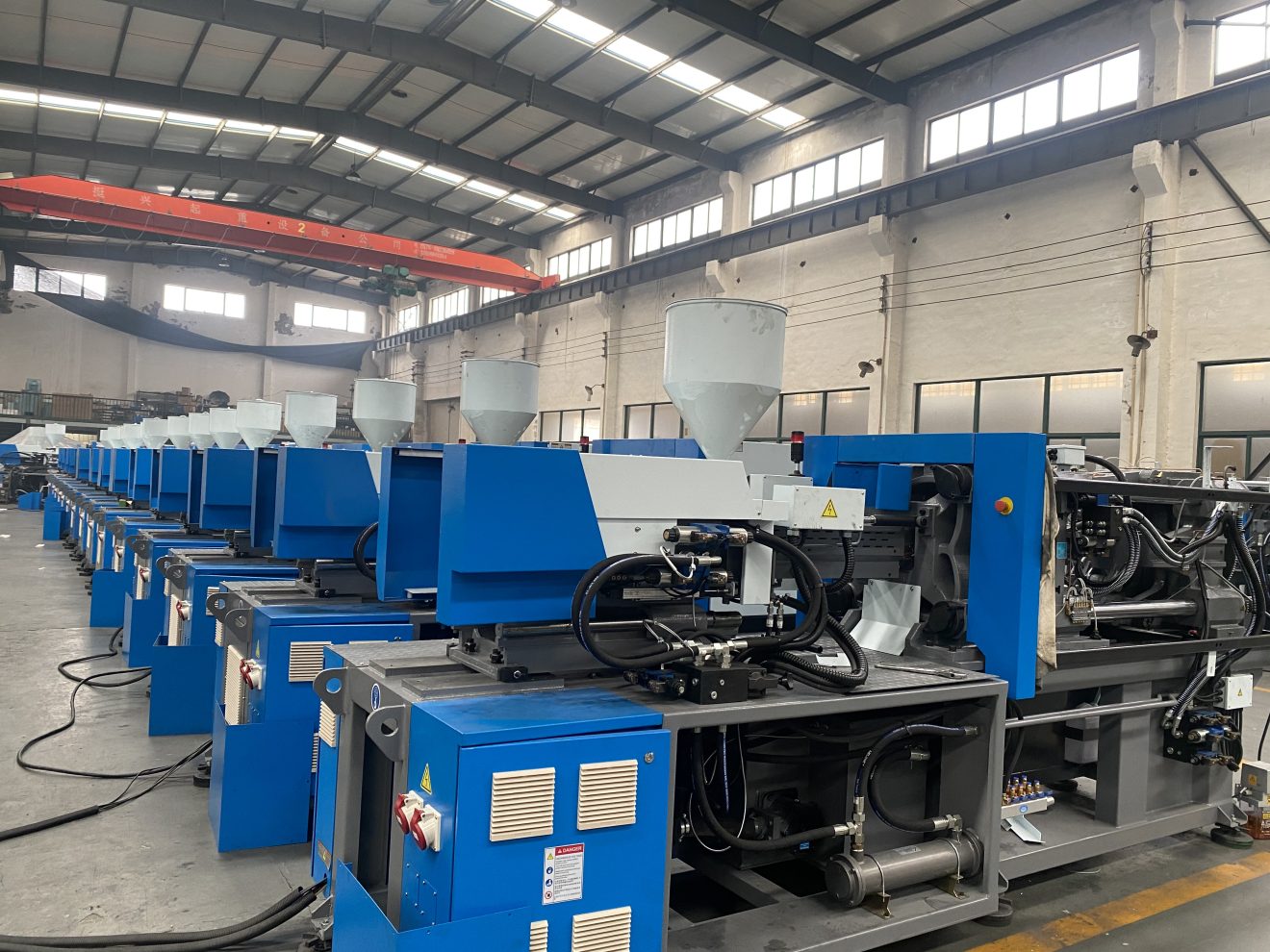
What safety measures are required for injection molding?
- Comprehensive safety operation standards for injection molding machines:
Injection molding machine protection system equipped with safety interlock device - All operators:
Special injection molding protective equipment such as heat-resistant gloves and goggles must be worn
Clearly mark the position of the emergency stop button on the control panel of the injection molding machine
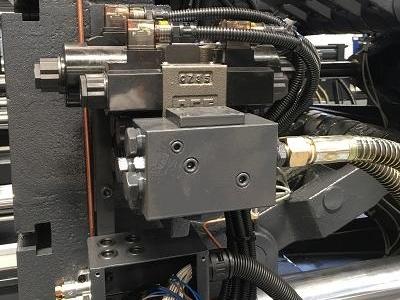
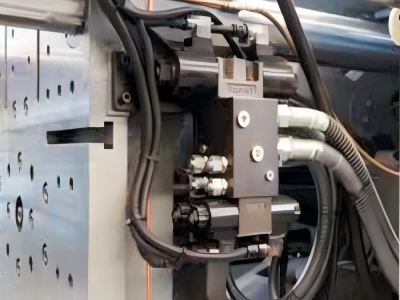
Regularly inspect the hydraulic system, electrical wiring, and mold safety of the injection molding machine - Key safety requirements:
Strictly implement the locking/tagging (LOTO) procedure during injection molding machine maintenance
Provide specialized training on injection molding process hazards for operators
Establish a reporting mechanism for near miss accidents and abnormal situations in injection molding production
By implementing these safety operating procedures for injection molding machines, the risk of production accidents can be effectively reduced while ensuring the stable operation of injection molding production.
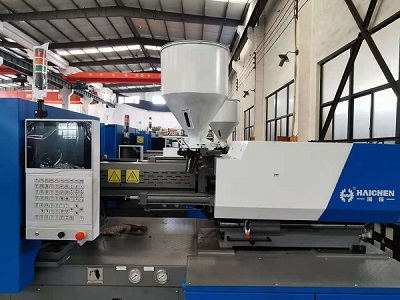
Understanding the Importance of Safety
The safety of injection molding machine operation is crucial. Improper operation may lead to major risks such as mechanical injury, high temperature burns or mold clamping.
Preventive measures directly affect worker safety. Correct safety operation can avoid work-related injuries and ensure the quality stability of injection molded products.
Strict implementation of safety guidelines can effectively reduce the probability of mechanical failure, raw material leakage or electrical accidents, and ensure a safe and controllable production environment.
Safety regulations improve production efficiency, standardized operating procedures reduce unexpected downtime, and avoid production delays caused by equipment damage or accidents.
Long-term safety investment brings stable returns. Perfect safety management can reduce maintenance costs, increase equipment life, and ensure product consistency.
Safety culture enhances team responsibility. Continuous safety training and accident prevention mechanisms can cultivate employees’ awareness of standards and establish an efficient and reliable production team.
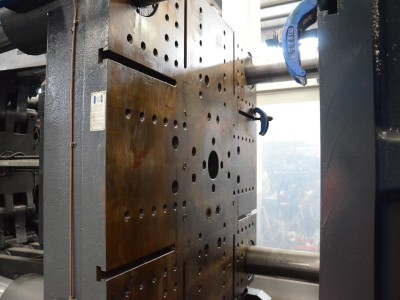
Training and Qualification
Operators must undergo professional training and pass the assessment. To ensure that they are proficient in the operation process, hazard identification and emergency response methods of injection molding machines.
The training content must cover core safety specifications. Including but not limited to: safe mechanical operation, mold installation and debugging, hydraulic system maintenance and electrical protection measures.
According to the characteristics of different plastic raw materials. The training should include special safety operation guidelines such as material melting temperature and gas release risk (such as anti-toxic measures required for PVC thermal decomposition).
Establish a regular retraining mechanism, review safety regulations every quarter. And update special training on new functions/new processes of injection molding machines every year.
Operators must be certified to work, pass the injection molding machine manufacturer certification or industry association qualification assessment to ensure compliance with GB/T 15706 mechanical safety standards.
Training records are included in the safety management system, including assessment results, practical evaluation and emergency drill files, to achieve full process traceability.
Equipment Inspection and Maintenance
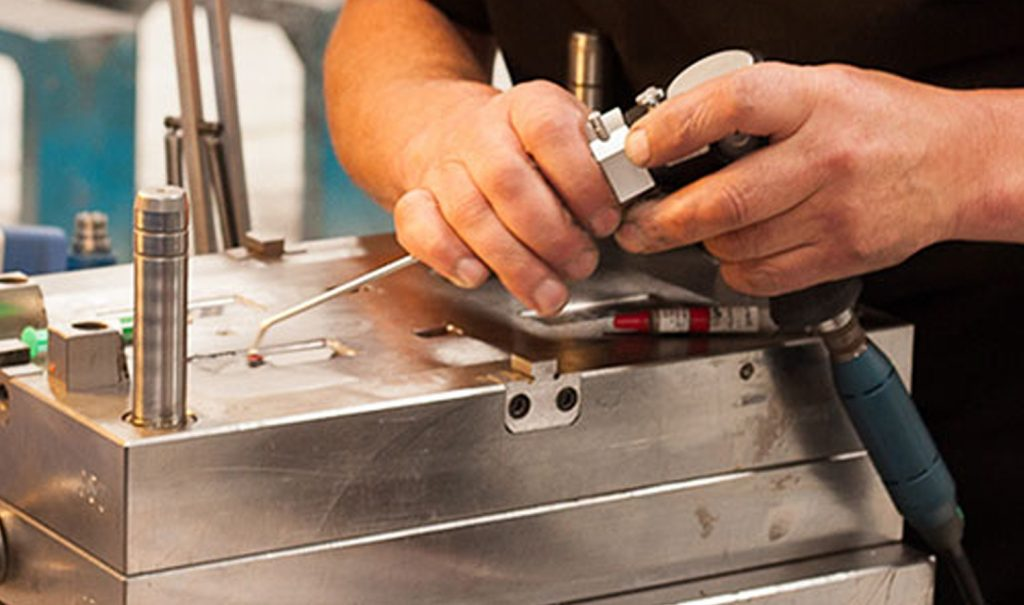
Before starting the machine every day, a spot check must be performed, with a focus on checking whether key components such as the mold clamping mechanism, the shooting platform guide rail, and the hydraulic oil circuit have abnormal wear or looseness
Safety device function verification, including but not limited to:
- Mechanical protection door interlock device effectiveness test
- Emergency stop button response test (at least once per work shift)
- Safety grating/two-hand operation button sensitivity test
Establish a three-level maintenance system:
- Daily maintenance (operator): template cleaning, lubrication point refueling
- Regular maintenance (technician): monthly hydraulic oil contamination test, screw wear measurement
- Professional maintenance (engineer): quarterly servo motor accuracy Calibration, insulation test of electrical system
Key maintenance items:
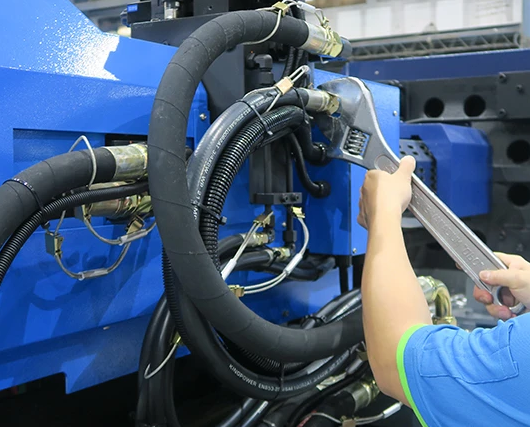
- Hydraulic system: oil temperature monitoring (not exceeding 55°C), filter element replacement (every 500 hours)
- Mold clamping mechanism: parallelism detection of the collar column (every 3,000 molds)
- Injection system: check ring sealing (daily first piece inspection)
Maintenance records are managed electronically and tracked using the MES system:
- Spare parts replacement records (including batch number tracking)
- Lubricant filling time and model
- Mold maintenance history data
Abnormal handling process: When oil pipe leakage, abnormal vibration, etc. are found, immediately execute the LOTO procedure and hang the “pending maintenance” sign
Safe Work Practices
It is important to follow safe work practices when operating an injection molding machine.
- Wear appropriate personal protective equipment (PPE): including safety glasses, gloves, and closed-toe shoes
- Keep the work area clean and tidy
- Avoid contact with hot parts of the machine
- And control the work speed
Emergency Preparedness
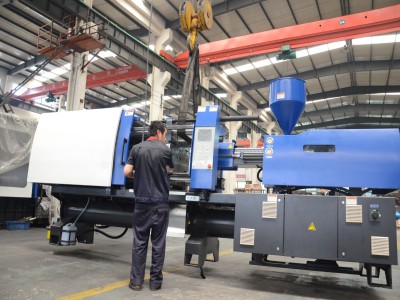
You must be familiar with the locations of all emergency stop devices on the injection molding machine, including emergency stop on the control panel, emergency stop on the front and rear safety doors, and emergency stop buttons on the auxiliary operation positions
Develop a graded emergency plan:
- First-level emergency (mechanical failure): immediately shut down the machine and cut off the power source
- Second-level emergency (raw material leakage): start the leakage prevention procedure and isolate the contaminated area
- Third-level emergency (personnel injury): execute the first aid process and start medical response

The safe operation of injection molding machines is a multifaceted endeavor that requires training, equipment maintenance, adherence to safe work practices, and emergency preparedness.
By taking these precautions, our Haichen Machinery can ensure that the production process is not only efficient but also safe for everyone involved. Remember, safety should always be the top priority in any industrial setting.