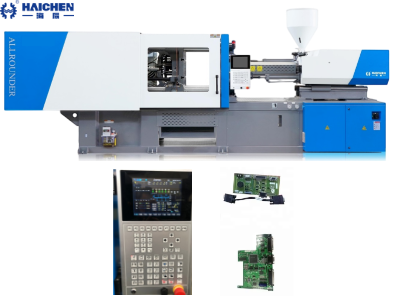
Platen Type for Injection molding machine:
- Stationary Platen
- Movable Platen
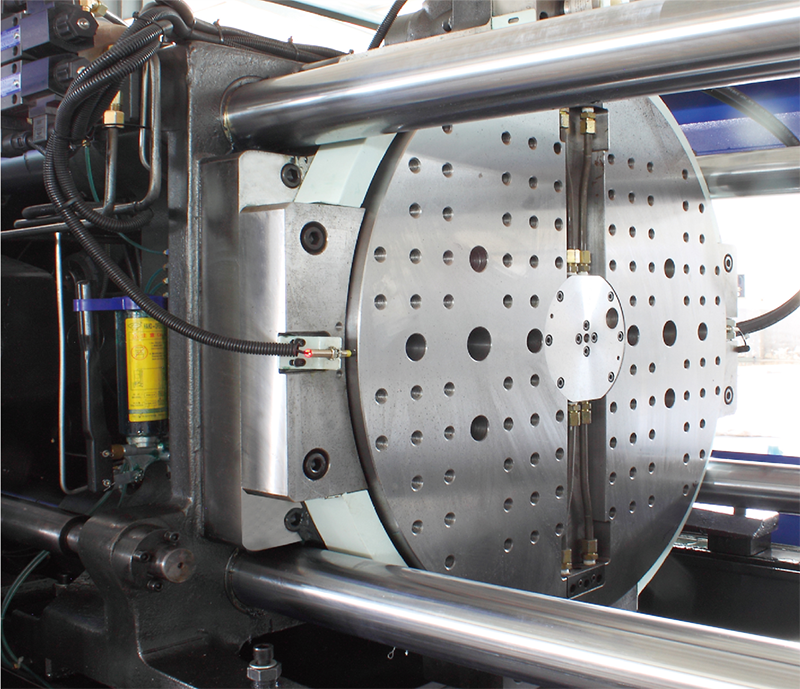
Platen type of the injection molding machine mainly refers to the type of plate used to hold the mold in the injection molding machine.
A platen of an injection molding machine includes a plate-shaped center area having corners, each corner formed with a recess.
A plurality of sleeves is received in the recesses of the center area and defines bores for accommodation of column-like holding and/or guide elements.
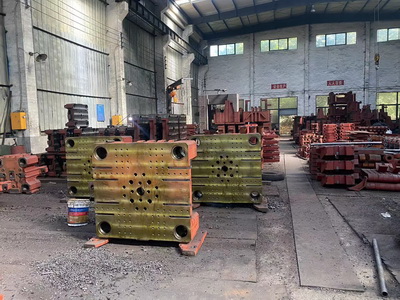
Stationary Platen Type
This is the part of the injection molding machine that is usually located at the front of the machine and does not move.
It is used to mount the fixed half of the mold, the “A” plate.
During the injection molding process, the plastic is injected into the mold through a nozzle.
That aligns with the positioning ring on the fixing plate to ensure that the mold is properly installed and remains aligned with the nozzle.
Movable Platen Type
This is another part of the injection molding machine that can be moved.
It is used to mount the movable half of the mold, the “B” plate.
During the injection molding cycle, the movable plate clamps the mold tightly by a clamping mechanism and opens the mold.
When the mold is opened so that the molded part can be removed.
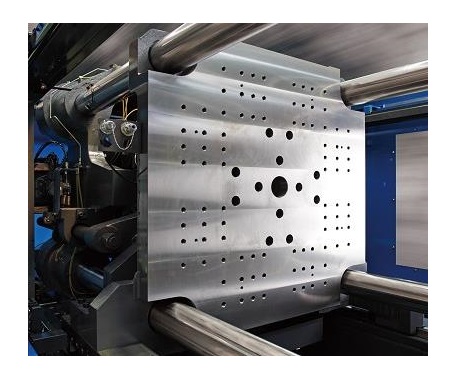
What is a Platen and Its Significance?
The platen forms the mechanical backbone of an injection molding machine.
- Weight Impact: It constitutes nearly 70% of the total weight of the machine.
- Economic Significance: Optimizing the design of the platen can reduce raw material consumption, leading to improved cost efficiency.
- Performance Impact: A well-designed platen ensures proper mold alignment and uniform pressure distribution, which are critical for high-quality plastic production.
The role and type of fixing plate
The fixing plate is used to fix the core, cavity, guide pillar, guide bush and other components in the mold.
To ensure that these parts remain stable during the plastic molding process.
It is often necessary to have sufficient strength and thickness to withstand the molding pressure.
Its connection methods include step hole fixing, counterbore fixing and plane fixing.
In which step hole fixing is convenient for loading and unloading, and is a commonly used fixing method.
The role and design of movable plates
The movable plate is usually used to cooperate with the fixed plate to realize the opening and closing action of the mold.
For example, in a multi-layer mold, the movable plate is opened three times.
By means of an opener (tie rod) and a small tie rod, thus enabling automated production.
In addition, the design of the movable plate may include spring connections, slider chute fits, etc., to achieve flexible movement and limit functions.
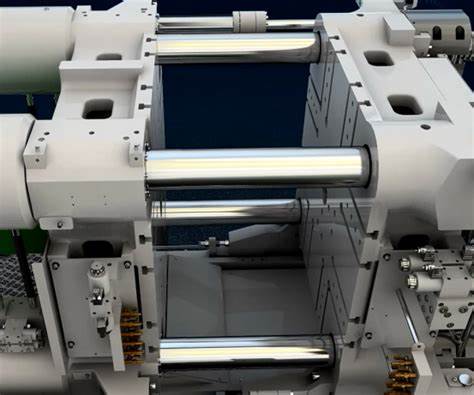
Difference between a fixed plate and a movable plate
The design differences between the fixed plate and the movable plate in the injection molding machine are mainly reflected in the following aspects:
Function & Location
Fixing plate type:
The retaining plate (also known as the upper or lower retaining plate) is used to hold the mold on the table top of the injection molding machine.
It is usually fixed to the frame of the injection molding machine to ensure that the mold remains stable during the molding process.
Movable plate type:
The movable plate (also known as the movable plate) is used to drive the mold to open and close the mold.
When the mold needs to be opened, the movable plate moves, which drives the mold to open.
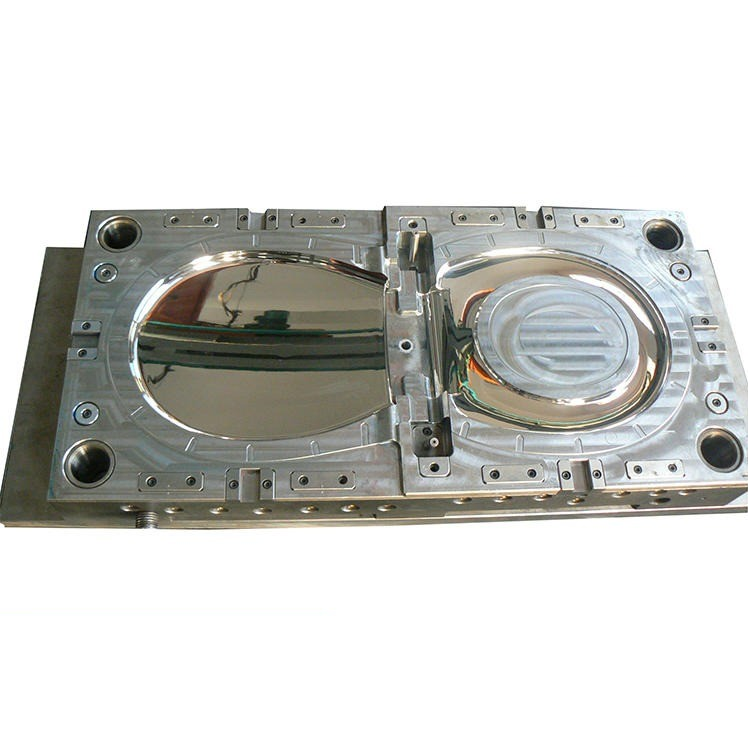
Structure & Support
Fixing Plate type
The Fixing Plate is usually fixed to the frame of the injection molding machine by screws and pressure plates.
And remains motionless during the opening and closing of the mold.
In addition, a heat shield (e.g., bakelite board) may need to be installed on the fixing plate to prevent the heat from being carried away by the injection molding machine plate.
which is suitable for high-temperature molds.
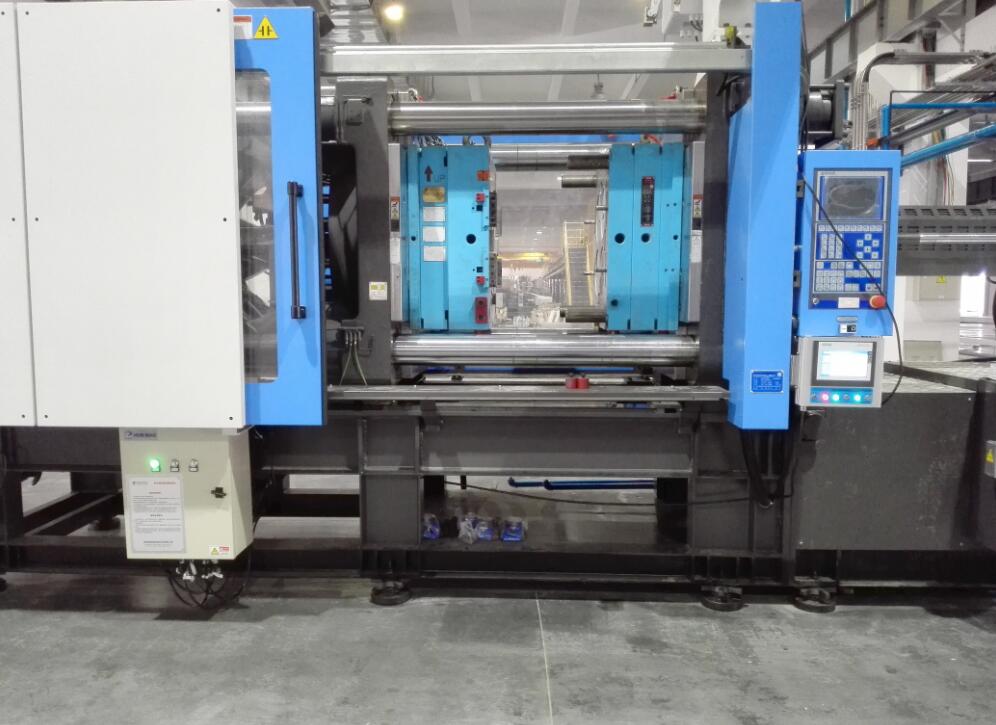
Movable plate type
The movable plate is supported by four Green columns, and large friction is generated on the contact surface between the template and the Green column.
In order to effectively reduce the excessive load on the movable plate.
Sliding feet are usually installed under the movable plate and between the slides of the machine table.
To increase the support surface and reduce the sag force under the movable plate itself and the male mold.
Injection molding platen type design requirements
Mold design
Fixed plate type
In the design of precision plastic molds, the fixed plate needs to consider the flow behavior of the plastic melt.
The shrinkage and shrinkage problems in the cooling process, the control of plastic crystallization, orientation and the improvement of internal stress in the product.
Movable plate type
The design of the movable plate needs to ensure that it maintains stability during the up-and-down lifting process.
Usually achieved by the mutual cooperation between the guide post and the guide ring on the support plate.
Clamping force and strength
Fixing plate
The pressure exerted by the fixed plate on the template when the mold is closed must be less than the clamping force assessed by the selected injection molding machine.
Otherwise the melt will easily flow away from the separator surface, resulting in flashing.
Movable plate
The design of the movable plate needs to ensure sufficient strength and rigidity.
while being responsible for the sliding of the formwork, but this also limits the overall size of the mold.
Because the mold is installed from the middle of the tight rod.
To sum up, the design differences between the fixed plate and the movable plate in the injection molding machine are mainly reflected in the function, structure, support mode and design requirements.
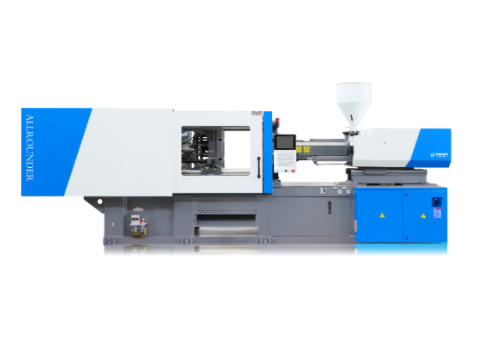
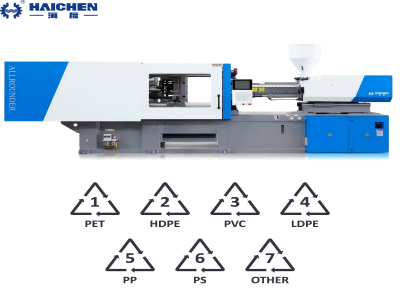
Haichen Injection Molding Machine
Single-platen injection molding machines, two-platen injection molding machines.
And three-platen injection molding machines are three common types of injection molding machines.
They have their own characteristics in structure, working principle, and application fields.
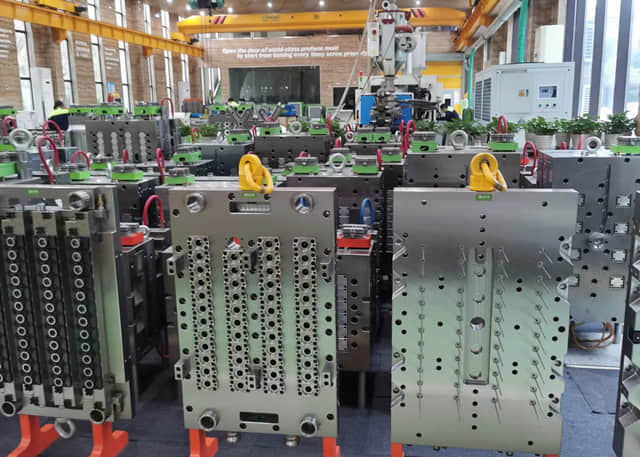
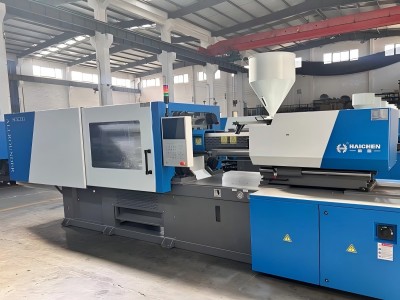
Three-platen type injection molding machine
Also known as three-platen machine or machine hinging machine is composed of a front plate.
A middle plate and a tail plate, and the middle plate is connected to the tail plate through a curved arm mechanism.
This construction allows the three-platen injection molding machine to generate greater clamping force when clamping.
But its maintenance cost is higher because the toggle arm is prone to wear.
It is often used in applications that require high precision and high clamping forces, such as the production of automotive parts.
However, due to its complex mechanical structure, the mold adjustment process of the three-platen injection molding machine is complex and prone to accuracy problems.